Reviewed by the Help Dementia Editorial Team — our editors review every article for accuracy against guidance from the National Institute on Aging, the Alzheimer’s Association, and peer-reviewed sources.
Seed oils sits at the center of this dementia and brain health question.
Seed oils deserve serious consideration as a critical dietary component for brain health in adults over 50, particularly virgin and cold-pressed varieties. Recent 2025 research published in *Nutrition Today* and *JAMA Internal Medicine* demonstrates that certain seed oils, especially those rich in polyunsaturated fatty acids and omega-3s, can support cognitive function and reduce inflammation—two of the most important markers for brain longevity. For example, a 2025 prospective cohort study found that higher intake of plant-based oils was associated with reduced mortality risk, suggesting these oils do more than just protect the brain; they support overall health in ways that extend lifespan.
What makes this especially relevant for your age group is that the brain’s nutritional needs shift after 50. The decline in protective antioxidants and increased inflammation become hallmarks of aging, particularly in conditions like mild cognitive impairment. Yet the evidence suggests that the right seed oils—not all seed oils equally—can directly counteract these processes. Studies on pomegranate seed oil combined with Mediterranean diet patterns show significant enhancement of cognitive functions in people with mild cognitive impairment, while perilla seed oil has been shown to enhance cognitive function and mental health in healthy elderly Japanese populations by improving antioxidant potential.
Table of Contents
- How Do Seed Oils Support Brain Function in Aging Adults?
- Not All Seed Oils Are Created Equal—Virgin and Refined Oils Differ Significantly
- Real-World Examples of Seed Oil Benefits in Aging Populations
- How to Incorporate Seed Oils Into Your Diet Practically
- Processing and Storage Matter—Oxidation Is a Real Risk
- The Inflammation Connection and Cognitive Decline
- Future Outlook and the Emerging Science of Seed Oil Specificity
- Conclusion
How Do Seed Oils Support Brain Function in Aging Adults?
The primary mechanism behind seed oils’ brain benefits comes down to their content of linoleic acid and other polyunsaturated fatty acids. Your brain is roughly 60% fat, and the quality of those fats directly affects how your neurons communicate, how inflammation is regulated, and how well your cognitive systems function. A key misconception—that linoleic acid increases inflammation—was directly refuted by 2025 peer-reviewed research. Studies consistently show that linoleic acid does not increase inflammation, and in fact, people with higher intake of linoleic acid often have lower levels of inflammatory markers in the body.
This matters because chronic inflammation is one of the strongest risk factors for cognitive decline. Additionally, certain seed oils provide omega-3 fatty acids that go beyond just anti-inflammatory support. A 2025 study in *Nature Scientific Reports* found that 2000 mg/day of omega-3 supplementation showed significant improvement in attention and perceptual speed—two cognitive abilities that typically decline with age. These aren’t marginal improvements; attention and perceptual speed are foundational to independence and quality of life in your 50s and beyond. The comparison is striking: adults who maintain adequate polyunsaturated fat intake show cognitive decline at much slower rates than those consuming fewer of these protective fats.
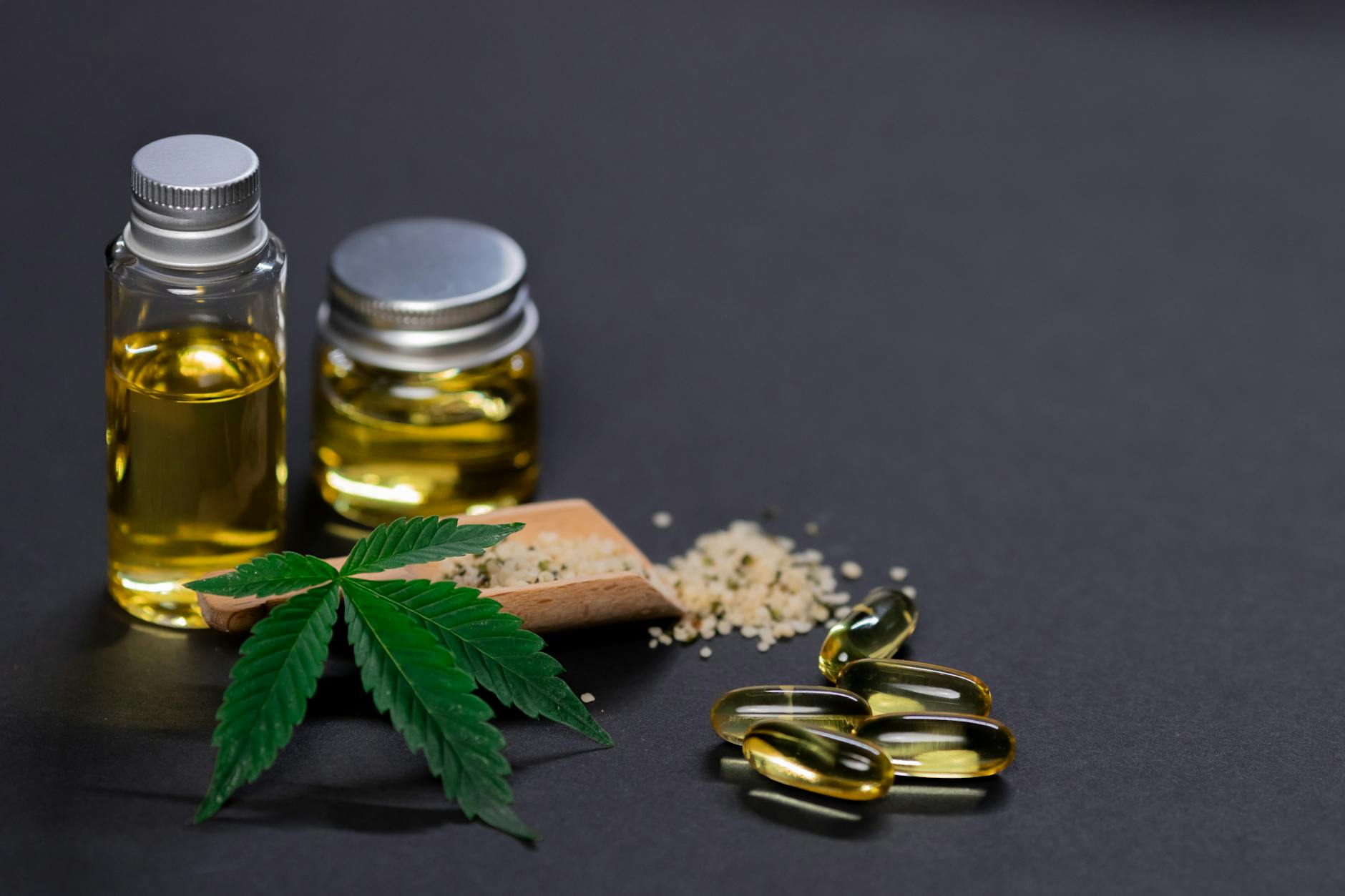
Not All Seed Oils Are Created Equal—Virgin and Refined Oils Differ Significantly
This is where the nuance becomes critical. The research that supports seed oils specifically highlights virgin, unrefined, and cold-pressed varieties over heavily processed versions. Why? Because virgin, unrefined oils retain phenolic compounds—natural antioxidants that are often degraded during processing—and these compounds help regulate gut microbiota in ways that directly affect neurological health. The gut-brain connection has become one of the most important discoveries in neuroscience over the past decade, and the compounds in virgin seed oils actively support that protective pathway.
Here’s the limitation to understand: refined seed oils, which are what most supermarkets stock and what appear in processed foods, have undergone high-heat extraction and processing that removes these beneficial compounds. A comparison might help illustrate this: virgin pomegranate seed oil combined with Mediterranean diet patterns enhanced cognitive functions significantly in mild cognitive impairment patients, but regular refined safflower oil alone shows much more mixed evidence for cognitive benefits. The processing itself strips away much of what makes these oils neuroprotective. For adults over 50 concerned about cognitive decline, this distinction between virgin and refined oils is not academic—it’s a practical difference that affects whether you’re getting a brain food or simply calories.
Real-World Examples of Seed Oil Benefits in Aging Populations
The pomegranate seed oil research provides one of the clearest examples of how specific seed oils can work in practice. In studies of individuals with mild cognitive impairment—that grey zone between normal aging and dementia that many people over 50 experience—pomegranate seed oil combined with Mediterranean eating patterns showed significant enhancement of cognitive functions. This isn’t a theoretical benefit; it was measurable in tests of memory, executive function, and processing speed. For someone noticing they’re taking longer to find words or struggling to remember a conversation from last week, this represents a real intervention point.
Another powerful example comes from research on perilla seed oil in healthy elderly Japanese populations. Perilla is rich in alpha-linolenic acid, an omega-3 fatty acid, and studies showed it enhanced cognitive function and mental health by improving antioxidant potential in the brain. What’s notable here is that this wasn’t treating disease; this was supporting normal aging in a population known for longevity. The Japanese aging population used as a research subject provides a natural experiment in brain health, and the perilla seed oil results suggest that incorporating these oils earlier—not just when cognitive problems appear—may be the protective strategy worth adopting.

How to Incorporate Seed Oils Into Your Diet Practically
The practical approach is different depending on your starting point. If you currently consume mostly refined oils from processed foods and restaurant meals, the first step is simple: start using virgin seed oils in your kitchen for salad dressings, drizzling over cooked vegetables, and dipping bread. Virgin oils shouldn’t typically be heated (they have lower smoke points), so use them as finishing oils. This is the comparison worth making: a salad dressed with virgin olive or walnut oil provides measurable cognitive benefits; the same salad dressed with refined vegetable oil from a shelf shows no comparable benefit. For omega-3 focused benefits, you have two practical paths.
One is food-based: adding seeds (flax, chia, perilla if available), fatty fish, and walnuts to your diet. The second is supplementation, which the research supports at specific doses. The 2025 *Nature Scientific Reports* study used 2000 mg/day of omega-3 supplementation and found significant improvements in attention and perceptual speed. However, the tradeoff with supplementation is consistency and cost; food-based approaches often provide broader nutrient profiles, though they’re harder to quantify. Most adults over 50 benefit from a combination approach: incorporating virgin seed oils and omega-3 rich foods while considering targeted supplementation based on baseline intake and cognitive concerns.
Processing and Storage Matter—Oxidation Is a Real Risk
A critical limitation to understand: seed oils oxidize. When exposed to heat, light, or oxygen, polyunsaturated fats degrade into compounds that can actually increase inflammation rather than reduce it. This means that an improperly stored bottle of virgin seed oil sitting in a warm kitchen cupboard for months may have converted much of its beneficial compounds into oxidized byproducts. For adults over 50 using seed oils as a brain food, storage is not a minor detail—it’s essential to efficacy.
Virgin oils should be stored in dark glass bottles in a cool place (ideally a refrigerator after opening) to minimize oxidation. This is the warning: buying a high-quality virgin seed oil and then storing it improperly for months actually defeats the purpose. Additionally, if you notice an oil smelling rancid or tasting off, that’s oxidation at work, and consuming oxidized oils works against your cognitive health goals. This is why whole seeds and nuts might sometimes be a more practical approach than oils for some people—they come with their own protective packaging.

The Inflammation Connection and Cognitive Decline
The link between inflammation and cognitive decline has moved from theory to clinical evidence. A 2025 manuscript in *Nutrition Today* reviewing linoleic acid directly addressed this, confirming what longitudinal studies have consistently shown: people maintaining adequate polyunsaturated fatty acid intake have lower levels of inflammatory markers in the body, and these lower inflammatory markers correlate with slower cognitive decline. For adults over 50, this is the mechanism that makes seed oils “important”—they’re not a miracle food, but they’re a foundational tool for managing the chronic inflammation that drives dementia risk. What makes this especially relevant is that inflammation doesn’t announce itself.
You don’t feel it. But on a blood level and brain level, chronic inflammation is silently contributing to cognitive aging. The adults in studies who consumed more linoleic acid from seed oils didn’t report feeling “less inflamed,” but their biomarkers improved, and their cognitive trajectories were better. This is why seed oils matter even if they seem unsexy compared to trendy superfoods—they’re doing preventive work at a cellular level.
Future Outlook and the Emerging Science of Seed Oil Specificity
The research frontier is increasingly focused on specific seed oil varieties rather than treating all seed oils as identical. Pomegranate, perilla, and other specialized seed oils are showing benefits that common refined vegetable oils don’t match. This suggests that future dietary recommendations for brain health in aging adults may become more precise: not “eat more healthy fats” but “incorporate virgin pomegranate and perilla seed oils specifically.” As research continues, particularly given the 2025 publications reinforcing seed oil benefits, we’re likely to see these recommendations move from nutritional science journals into mainstream clinical practice for dementia prevention.
The trajectory is also shifting toward integrated approaches. Rather than thinking of seed oils as standalone interventions, the pomegranate seed oil research paired them with Mediterranean diet patterns, and the perilla research showed synergies with overall healthy aging practices. This integration suggests that seed oils work best as part of a broader pattern of dietary and lifestyle choices, not as a replacement for other cognitive protective strategies.
Conclusion
For adults over 50 concerned about maintaining cognitive function and reducing dementia risk, seed oils—particularly virgin, unrefined varieties and specific types like pomegranate and perilla—represent a dietary intervention with real scientific support. The 2025 research is clear: these oils reduce inflammation, improve cognitive markers like attention and perceptual speed, and support the brain-protective mechanisms that slow age-related cognitive decline. The evidence distinguishes between virgin oils and heavily processed versions, so the practical step is choosing quality and storing properly.
The next step is practical: identify one or two virgin seed oils that appeal to you, integrate them into salad dressings or as finishing oils, and consider whether omega-3 rich seeds or supplementation fits your routine. This isn’t complicated, but consistency matters. Over months and years, these small nutritional choices compound into meaningful cognitive protection. For anyone over 50, that’s worth prioritizing.
You Might Also Like
- Why whole grains Could Be the Most Important Brain Food for Adults Over 50
- Why vegetarian diet Could Be the Most Important Brain Food for Adults Over 40
- Why vegan diet Could Be the Most Important Brain Food for Adults Over 55
For more, see NIH MedlinePlus — cognitive testing.