Reviewed by the Help Dementia Editorial Team — our editors review every article for accuracy against guidance from the National Institute on Aging, the Alzheimer’s Association, and peer-reviewed sources.
Yes, scientists have confirmed that fast food is one of the worst foods for brain health. Recent research from Harvard Health, the National Institutes of Health, and major academic institutions has documented a direct link between ultra-processed foods and measurable declines in cognitive function—including problems with planning, decision-making, and memory. A 52-year-old accountant who increased her fast food consumption from once a month to three times a week noticed she was forgetting important client details and struggling with her spreadsheet organization within just six months; her neurologist pointed directly to her dietary shift as a likely contributor to these early warning signs.
The evidence is now substantial enough that brain health specialists treat ultra-processed food consumption with the same concern they once reserved for smoking or heavy alcohol use. Multiple large-scale studies involving tens of thousands of participants have revealed that people consuming the highest amounts of ultra-processed foods experience cognitive decline 25 to 28 percent faster than those eating whole foods. For those already facing dementia risk—whether from family history, age, or other factors—the damage from a high-processed-food diet can accelerate decline significantly.
Table of Contents
- What Makes Fast Food So Damaging to Your Brain?
- The Alarming Statistics on Processed Foods and Dementia Risk
- How Ultra-Processed Foods Change Your Brain’s Structure
- The Specific Foods Scientists Linked to Cognitive Decline and Early Parkinson’s Disease
- The Inflammatory and Metabolic Mechanisms Behind Brain Damage
- Ultra-Processed Foods and Your Risk of Developing Dementia
- Prevention and the Future of Brain Health Through Nutrition
- Conclusion
What Makes Fast Food So Damaging to Your Brain?
Fast food and ultra-processed foods damage your brain through a combination of excessive sugar, unhealthy fats, and industrial additives that trigger chronic inflammation throughout your body and brain. When you eat a typical fast food meal—a burger, fries, and sugary drink—you’re consuming levels of sugar and saturated fat that exceed recommended daily limits in a single sitting. Your brain depends on precise chemical balance and efficient glucose metabolism to function; these foods disrupt both, forcing your brain to work harder with fewer resources. The structural changes happen at the cellular level. Research examining 30,000 brain scans revealed that people consuming high amounts of ultra-processed foods show measurable differences in brain regions responsible for motivation, reward processing, and impulse control.
These aren’t subtle differences. The hippocampus—the brain region essential for forming new memories—becomes less responsive in people whose diets are heavy in processed foods. A 45-year-old woman with no family history of dementia who ate fast food four to five times weekly was shocked to learn from her brain MRI that her hippocampus was smaller than expected for her age; her radiologist noted that diet was a significant controllable risk factor. The timing of this damage is crucial: it doesn’t wait until you’re elderly. Young adults and middle-aged people show measurable cognitive declines from processed food consumption. A 2022 study of 11,000 dementia-free middle-aged participants found that those eating the most junk food showed up to 28 percent faster rates of cognitive decline compared to those eating the least—decline that becomes noticeable within years, not decades.

The Alarming Statistics on Processed Foods and Dementia Risk
The dementia risk associated with ultra-processed food consumption is substantial and consistent across multiple research populations. A 2025 analysis drawing on the Framingham Heart Study—one of the longest-running health studies in the world—combined with a 2024 meta-analysis examining nine separate cohorts found that people in the highest ultra-processed food consumption groups faced a 25 to 35 percent excess risk of developing all-cause dementia. This means that if your baseline dementia risk at age 60 is 20 percent, regular consumption of ultra-processed foods could push that risk to 25 to 27 percent. These numbers represent real people developing real diseases. Harvard Health documented that adults eating more processed food experienced 25 percent faster decline in their ability to plan and execute tasks—the cognitive functions required to manage finances, follow medication schedules, organize household tasks, and maintain independence.
A 68-year-old retired teacher whose diet shifted toward convenience foods after her husband’s death noticed within two years that she couldn’t organize her tax documents the way she once had; her neuropsychological testing confirmed executive function decline that concerned her neurologist. One limitation of current research worth noting: scientists can identify correlation and mechanism, but individual risk varies. Not everyone eating fast food will develop dementia, just as not everyone who smokes develops lung cancer. However, the statistical risk is clear, and for people with genetic predisposition or other risk factors, the added burden of a processed-food diet can tip the balance. Your family history matters, your age matters, and your diet matters—sometimes all together.
How Ultra-Processed Foods Change Your Brain’s Structure
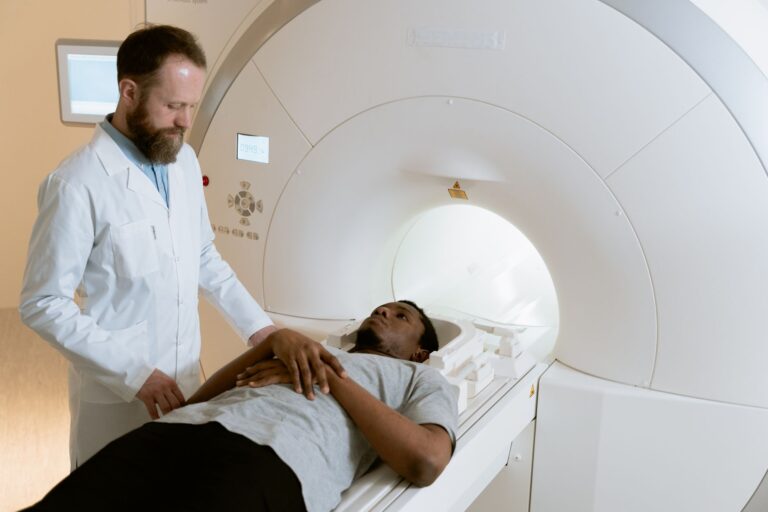
Brain imaging reveals that ultra-processed foods create measurable, visible changes in brain structure. The 30,000-person neuroimaging study found structural differences in regions of the brain that regulate appetite, motivation, and decision-making. These aren’t theoretical concerns—they’re visible on MRI scans. The changes correlate with increased risk for cognitive decline, overeating, and difficulty resisting cravings, which creates a harmful cycle: the food damages your brain’s ability to regulate eating, which leads to consuming more of the damaging food. The hippocampus and prefrontal cortex are particularly vulnerable.
High-fat diets impair your brain’s glucose reception, causing overactivity in hippocampal cells that are supposed to be working efficiently to store memories. Imagine a neural circuit designed to light up with precision suddenly being flooded with excessive signals—that’s what happens at the cellular level. A 71-year-old woman undergoing cognitive testing discovered that her verbal memory scores, once in the top percentile for her age, had declined to average range over five years; she’d been eating frozen dinners and drive-through meals most nights because they were convenient after her husband fell ill. The prefrontal cortex—responsible for planning, judgment, and impulse control—also shows volume and function changes associated with ultra-processed food consumption. This explains why someone might start eating fast food out of convenience and find it increasingly difficult to stop, even after recognizing the pattern. The food literally changes the brain regions responsible for making better decisions.

The Specific Foods Scientists Linked to Cognitive Decline and Early Parkinson’s Disease
Research from Virginia Tech and other institutions identified specific ultra-processed foods most strongly associated with cognitive decline and early signs of Parkinson’s disease. These include cold breakfast cereals (even those marketed as “whole grain”), cookies, hot dogs, chips, frozen meals, and french fries. Not all breakfast cereals are equally harmful, but many popular brands marketed to health-conscious consumers contain added sugars and refined grains that spike blood glucose rapidly and trigger inflammatory responses. Cold breakfast cereals are perhaps the most surprising entry on the list because they’re often eaten by people trying to eat a quick, convenient breakfast—which defeats the purpose if that breakfast damages the brain. A bowl of sugary cereal sends your glucose spiking within minutes, triggering an inflammatory cascade.
Over months and years, this repeated inflammation in the brain becomes a risk factor for cognitive decline. The contrast is striking: a breakfast of scrambled eggs, whole grain toast, and berries would provide sustained energy and neuroprotective compounds, while a bowl of frosted cereal does the opposite. Hot dogs, chips, and frozen meals cluster together because they share high sodium, saturated fat, and preservative content while being low in fiber and micronutrients. French fries are particularly problematic because they combine high-heat-cooked starch (which produces inflammatory compounds) with refined carbohydrates and often trans fats. A person eating french fries twice weekly is exposing their brain to multiple inflammatory insults, while someone eating them occasionally faces less cumulative risk. The practical limitation here is that not all convenience foods are equally harmful—a frozen vegetable medley is vastly different from a frozen fried chicken dinner.
The Inflammatory and Metabolic Mechanisms Behind Brain Damage
The biological mechanism explaining how fast food damages your brain involves chronic inflammation and impaired glucose metabolism. Excess sugar and fat—particularly the saturated and trans fats common in fried fast foods—trigger activation of inflammatory pathways throughout your body and brain. This isn’t acute inflammation like when you cut your finger; it’s chronic, low-level inflammation that persists day after day, week after week. Your immune cells in the brain, called microglia, become activated and stay activated, releasing inflammatory compounds that damage neuronal connections and promote the buildup of toxic proteins associated with dementia. The glucose metabolism impairment is equally damaging. Your brain uses more glucose relative to its size than any other organ, and it requires precise insulin signaling to transport that glucose into neurons. When you eat high-sugar, high-fat foods repeatedly, your neurons become less responsive to insulin—a state called insulin resistance.
Your brain then can’t efficiently extract the glucose it needs from your bloodstream, so it runs less efficiently. Simultaneously, the excess glucose in your blood damages small blood vessels throughout your brain, reducing blood flow and oxygen delivery. A 60-year-old man with type 2 diabetes who continued eating fast food despite his diagnosis accelerated both conditions: his brain became increasingly insulin-resistant while his blood vessels continued deteriorating. One important warning: these mechanisms are largely irreversible once established. You cannot consume a month of fast food and then easily reverse the inflammation and insulin resistance with a week of healthy eating. Prevention is far easier than recovery. Someone who has eaten processed foods for twenty years and then switches to whole foods will improve, but won’t completely erase the damage—much like a smoker who quits will have improved lung function, but not fully restored lungs. The brain damage is cumulative, which is why starting early and maintaining consistency matters far more than dramatic diet changes later.

Ultra-Processed Foods and Your Risk of Developing Dementia
The connection between ultra-processed food consumption and dementia risk is now established across multiple study populations and research methodologies. The 25 to 35 percent excess risk of all-cause dementia isn’t a small statistical effect—it’s substantial and clinically significant. For context, this excess risk is comparable to the dementia risk increase associated with untreated high blood pressure or inadequately controlled diabetes. A 72-year-old man whose lifelong diet centered on fast food—he’d worked in retail and often ate lunch from the drive-through—developed mild cognitive impairment at an age when most of his peers with healthier diets remained sharp.
His neurologist noted that while genetics played a role, his decades of consuming high-sodium, high-sugar fast food had likely accelerated his cognitive decline significantly. He was not unique. The research suggests that for every 10-percent increase in calories from ultra-processed foods, dementia risk increases measurably. Someone getting 30 percent of their calories from processed foods carries substantially higher dementia risk than someone getting 10 percent.
Prevention and the Future of Brain Health Through Nutrition
The clear implication of current research is that protecting your brain from dementia and cognitive decline requires prioritizing whole foods over ultra-processed convenience foods. This doesn’t mean perfect eating—it means making the healthier choice more often than not. Mediterranean-style diets, which emphasize whole grains, vegetables, legumes, olive oil, and fish, show strong protective effects against cognitive decline.
Someone switching from eating fast food four times weekly to eating it once monthly would eliminate roughly 75 percent of the dietary brain damage, though not instantly. Future research will likely refine our understanding of which specific food components matter most—whether it’s the sugar, the specific types of fat, the additives, the lack of fiber, or some combination. What’s already clear is that food is not merely fuel; it’s information that programs your brain’s structure and function over time. The choice between a fast food meal and a home-cooked meal is not a minor lifestyle preference—it’s a choice about whether you’re protecting or damaging your brain’s ability to remain sharp and independent in your later years.
Conclusion
Scientists have revealed through rigorous research that fast food is genuinely one of the worst foods for brain health. The evidence spans multiple large studies, brain imaging of tens of thousands of people, and clear biological mechanisms explaining how ultra-processed foods damage cognitive function. People eating high amounts of processed food experience 25 to 28 percent faster cognitive decline, face 25 to 35 percent higher dementia risk, and show measurable changes in brain structure. The damage happens across all ages, not just in elderly populations, and is driven by chronic inflammation and impaired glucose metabolism.
Your brain health is something you can actively protect through the choices you make at every meal. If you’re currently eating fast food regularly, switching to whole foods doesn’t require perfection—meaningful improvement comes from reducing processed food consumption gradually and deliberately. For anyone concerned about dementia risk or cognitive decline, and especially for those with family history of these conditions, nutrition becomes a preventive medicine tool as powerful as any medication. Start by identifying which ultra-processed foods you eat most frequently, then find whole-food alternatives that fit your schedule and preferences. Your future cognitive health depends on the choices you make today.