Reviewed by the Help Dementia Editorial Team — our editors review every article for accuracy against guidance from the National Institute on Aging, the Alzheimer’s Association, and peer-reviewed sources.
Exercise programs sits at the center of this dementia and brain health question.
Exercise is one of the most powerful tools we have for maintaining cognitive function and brain health in aging adults and people with dementia. Yet many exercise programs overlook a critical component: safety planning. Without intentional safety measures, even well-designed exercise routines can lead to falls, injuries, medication interactions, or cardiac events that undo the cognitive benefits entirely. Safety planning in exercise programs isn’t an afterthought—it’s the foundation that allows people to exercise consistently without harm.
Consider the story of Margaret, a 78-year-old with mild cognitive impairment who joined a community fitness class. The instructors were encouraging and the movements felt good, but no one had screened her for balance problems, asked about her medications, or checked her heart history. Three weeks into the program, Margaret fell during a step aerobics class and fractured her hip. The six-month recovery left her sedentary, depressed, and experiencing faster cognitive decline than before she started exercising. Margaret’s fall wasn’t inevitable—it was preventable with a proper safety assessment and modified movements suited to her balance and strength level.
Table of Contents
- What Makes Safety Planning Essential for Exercise and Cognitive Health?
- The Hidden Risks of Unsupervised or Poorly Planned Exercise
- How Pre-Existing Conditions Shape What Exercise Is Safe
- Implementing a Safety-First Exercise Plan
- Common Safety Oversights in Exercise Programs
- Environmental Modifications That Prevent Falls
- How Technology and Monitoring Support Safer Exercise
- Conclusion
What Makes Safety Planning Essential for Exercise and Cognitive Health?
People with dementia and age-related cognitive decline face unique exercise risks that healthy younger adults simply don’t encounter. Cognitive impairment affects balance, judgment, and the ability to recognize pain or physical warning signs during activity. Someone with moderate dementia might push through chest discomfort without realizing they should stop, or lose their balance and not react quickly enough to catch themselves.
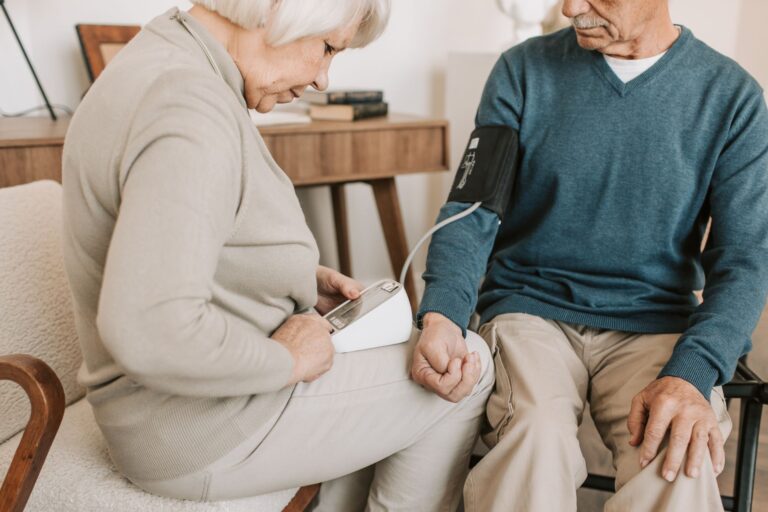
Additionally, older adults and people with dementia often take multiple medications that affect blood pressure, heart rate, coordination, or blood sugar—all of which can be destabilized by unmonitored exercise. A physician-led safety assessment before starting an exercise program should include cardiac screening, balance and fall-risk evaluation, medication review, and functional assessment. This screening doesn’t have to be complicated; a simple questionnaire, a blood pressure check, and a five-minute balance test can reveal significant risks. Without this foundation, you’re essentially asking someone to exercise blind—you don’t know what hazards exist or what intensity level is safe for their individual physiology.

The Hidden Risks of Unsupervised or Poorly Planned Exercise
Many people assume that if exercise is good, more of it must be better. This mindset can be dangerous in dementia care. Someone with cognitive impairment may not remember they already exercised that day and overexert themselves, or they may not notice increasing pain, shortness of breath, or dizziness—all warning signs to stop. Unsupervised home exercise programs lack accountability and real-time monitoring, which can delay recognition of problems.
The challenge is that some caregivers or facility staff may lack training in recognizing exercise-related emergencies. A person who becomes dizzy or confused during activity needs immediate intervention, but a staff member untrained in vital signs or first aid might misinterpret confusion as normal dementia symptoms rather than an acute medical issue. Environmental hazards also compound the risk—loose rugs, poor lighting, slippery floors, or furniture in the way significantly increase fall risk for someone with balance or cognitive problems. Safety planning must address both the person and their exercise environment.
How Pre-Existing Conditions Shape What Exercise Is Safe
Most people with dementia have additional health conditions—high blood pressure, diabetes, heart disease, or arthritis. Each condition changes what exercises are safe. Someone with severe arthritis in their knees, for example, should avoid high-impact activities like running or jump training, even if cognitively they might not recognize the pain warning them to stop. A person with controlled but significant heart disease needs supervised activity with heart rate and blood pressure monitoring, not independent walking on a trail where help isn’t immediately available.
Take the case of James, a 72-year-old with early dementia and atrial fibrillation (irregular heartbeat). James enjoyed his daily walks and his family wanted him to stay active, but his heart condition meant strenuous activity could trigger dangerous arrhythmias. A proper safety plan included briefing James’s family on target heart rates, signs of irregular heartbeat to watch for, and a modified walking routine that kept him active without pushing his heart into an unsafe zone. Without that plan, James might have experienced a significant cardiac event that would have permanently limited his activity level.

Implementing a Safety-First Exercise Plan
A practical safety plan starts with documented baseline measurements: resting heart rate, blood pressure, balance capacity, strength in key muscle groups, and cognition level. These become reference points for monitoring change during exercise. The plan should specify exactly which exercises are appropriate, at what intensity, how often, and with what supervision level. For someone with moderate-to-severe dementia, this might mean all exercise happens with a caregiver present who can monitor for problems and provide cues if the person forgets what they’re doing.
The decision between group classes and individual exercise hinges on safety capacity. Group classes offer social engagement and motivation—powerful factors for consistency—but require that the person is cognitively intact enough to follow instructions and aware enough to signal if something feels wrong. Individual or small-group sessions with a trained instructor allow for personalized modifications and closer monitoring but may feel isolating or be less affordable. Many people benefit from a combination: a weekly supervised session with an instructor plus simple home activities the caregiver oversees daily. This hybrid approach balances safety monitoring with engagement and practicality.
Common Safety Oversights in Exercise Programs
One frequent mistake is assuming verbal instructions alone are sufficient for someone with memory problems or hearing difficulties. A person might hear “do ten squats” but forget after three or confuse the instruction with something else entirely. Written instructions with pictures, demonstrated movements, and a caregiver’s hands-on assistance create multiple safety channels. Another overlooked factor is hydration and fatigue—people with dementia may not notice they’re thirsty or tired until dehydration or exhaustion causes confusion, dizziness, or a fall. A safety plan needs built-in breaks, water access, and stopping points before someone reaches a point of exhaustion.
Medication timing also frequently gets overlooked. Some medications should not be taken within two hours of vigorous activity; others work better if exercise happens at a specific time of day relative to dosing. Some blood pressure or heart medications mean certain exercise intensities are off-limits. A collaborative review with the person’s physician ensures the exercise plan and medication schedule align and don’t create risk. Without this conversation, you might unknowingly schedule intense exercise right before a medication’s peak effect, when heart rate spikes are most dangerous.
Environmental Modifications That Prevent Falls
Falls are the leading cause of injury-related death in people over 65, and people with dementia fall at approximately three times the rate of cognitively intact peers. Many falls are preventable with environmental changes. Safe exercise spaces need clear flooring without trips or slip hazards, secure handrails or sturdy furniture to hold onto, adequate lighting (especially important because aging eyes need more light), and minimal clutter. For home exercise, removing throw rugs, securing electrical cords, and installing grab bars cost little but prevent serious injury.
Footwear matters too—many older adults exercise in slippers or loose shoes that don’t provide stable support. A safety plan should recommend closed-toe, non-slip shoes with good ankle support. Some facilities require specific non-skid footwear for group exercise classes. The simpler the exercise space and the fewer obstacles, the lower the risk for someone whose balance or attention is compromised.
How Technology and Monitoring Support Safer Exercise
Wearable technology like smartwatches and fitness trackers can enhance safety by continuously monitoring heart rate, tracking activity, and even detecting falls in some cases. For someone with dementia exercising independently or with minimal supervision, a device that alerts caregivers if heart rate spikes dangerously or if a fall is detected adds a real safety layer. However, technology is only as good as someone monitoring the data—a fitness tracker that logs a dangerous heart rate but no one reviews it provides false reassurance rather than actual safety.
Looking forward, more dementia care programs are incorporating structured safety protocols into their exercise offerings. Specialized dementia-friendly fitness programs combine cognitively appropriate modifications with rigorous safety assessment and training for staff. These programs recognize that people with dementia can absolutely exercise and benefit tremendously, but they need a different kind of support than younger or cognitively intact populations. The trajectory is toward safer, more accessible exercise options.
Conclusion
Exercise is not optional for people with dementia and cognitive decline—it’s a core component of brain health, mood, and quality of life. But exercise without safety planning is a gamble that too often results in injury instead of benefit. A comprehensive safety plan identifies individual risks through medical screening, documents specific safe exercises and intensities, arranges appropriate supervision, addresses environmental hazards, and creates monitoring systems to catch problems early.
Starting an exercise program for someone with dementia should always begin with a conversation with their physician and a realistic assessment of what they can safely do. Take time to develop a plan specific to that person’s health, medications, cognitive level, and environment. The investment in safety planning upfront—a few hours of assessment and documentation—can mean years of safe, consistent activity that truly protects and improves brain health.
You Might Also Like
- Why Housing Transitions Need Dementia-Sensitive Planning
- Missing Person With Dementia Found Safe: Why Wandering Risk Matters
- Senior Safety and Dementia: Why Wandering Can Become Life-Threatening
For more, see NIH MedlinePlus — cognitive testing.