At-home Leqembi is a prefilled subcutaneous autoinjector for early Alzheimer's disease that patients or caregivers can self-administer, with one shot taking roughly 15 seconds. To qualify, you need amyloid confirmation through imaging or fluid testing and ApoE4 genetic testing before treatment starts. In the CLARITY AD trial, lecanemab slowed cognitive decline by 27% over 18 months—roughly five additional months before equivalent decline—but success depends partly on whether you receive formal injection training.
The at-home subcutaneous form is different from Leqembi's IV infusion, which must be given in a clinic every two weeks as a one-hour appointment. The FDA approved subcutaneous maintenance dosing in August 2025, with the subcutaneous starter dose expected in August 2026. This article focuses on at-home eligibility, training, and the monitoring you'll need to watch for side effects.
Medical information disclaimer: This article is for general educational purposes only and does not provide medical advice, diagnosis, or treatment. Always consult a physician or other qualified health professional about symptoms, medications, tests, or treatment decisions.
Table of Contents
- Eligibility: What the Tests Show
- The At-Home Route: Self-Injection or Caregiver-Administered
- Getting Training: Why It Dramatically Improves Success
- Safety Monitoring: MRI Imaging and Symptom Tracking
- ApoE4 Homozygotes: What Higher Risk Means for You
- Frequently Asked Questions
Eligibility: What the Tests Show
To qualify for at-home Leqembi, you must have mild cognitive impairment or mild dementia confirmed by a clinician, plus documented amyloid plaques in the brain. Amyloid is confirmed via PET imaging or cerebrospinal fluid biomarkers detected through lumbar puncture. Your doctor will also order ApoE4 genetic testing, which identifies how your body processes amyloid.
This test matters because it shapes your risk of a serious but rare side effect called ARIA (amyloid-related imaging abnormalities). Having one or two copies of the ApoE4 gene is not a barrier to treatment, but carrying two copies (homozygous) significantly raises ARIA risk. The fda does not exclude ApoE4 homozygotes from Leqembi, though the EMA does. If you are homozygous, your doctor must discuss the higher risk openly and you'll need more frequent mri monitoring to catch early warning signs.
The At-Home Route: Self-Injection or Caregiver-Administered
leqembi's at-home option uses a prefilled subcutaneous autoinjector that delivers the drug just under the skin. A patient or trained caregiver can perform the injection in seconds, at home, on a regular schedule. This is distinct from the IV infusion, which requires a clinic visit, a trained nurse, and roughly 60 minutes per appointment every two weeks.
The subcutaneous formulation offers convenience but demands accuracy in injection technique and adherence to the dosing schedule. The autoinjector is designed to be straightforward, but success hinges on proper training. When caregivers received formal training, they achieved a 94.1% success rate delivering two consecutive injections correctly, compared to 73.3% without training. This 20-percentage-point gap underscores why skipping training or self-teaching from videos alone can compromise effectiveness.
Getting Training: Why It Dramatically Improves Success
Before your first injection, your medical team or a nurse educator will walk you through the technique in detail. Training should emphasize aseptic technique (keeping the site clean), proper needle angle, and strict schedule adherence. Mistakes such as using a wrong angle, skipping the antiseptic wipe, or missing doses can reduce the drug's benefit or increase infection risk.
If you or your caregiver are unsure during training, ask for a second session before going home. Some clinics provide printouts or videos to review. The leap in success rates—from 73% to 94%—is substantial enough that formal training is not optional; it is essential to getting the dose you received in the clinical trial.
Safety Monitoring: MRI Imaging and Symptom Tracking
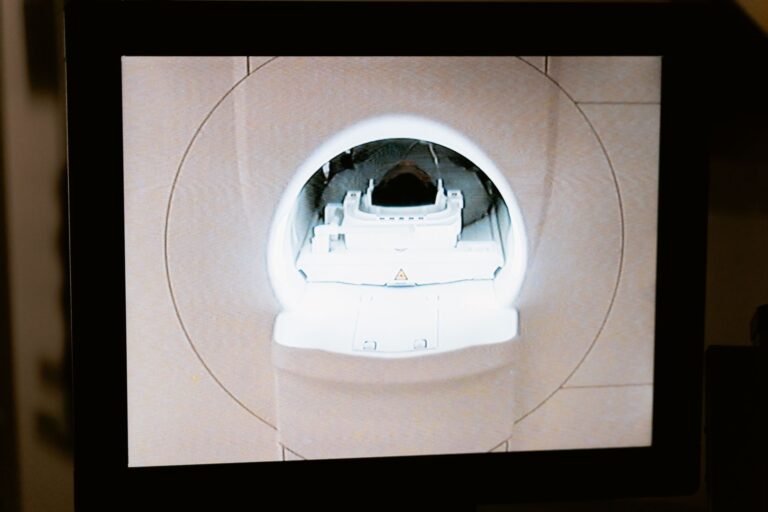
The FDA recommends a baseline MRI before starting Leqembi and additional imaging before your third infusion. These scans look for ARIA—amyloid-related imaging abnormalities—which include brain edema (ARIA-E) and microhemorrhages (ARIA-H). In the CLARITY AD trial, 12.6% of treated patients showed any ARIA-E and 17.3% showed any ARIA-H; symptomatic ARIA-E occurred in 2.8%.
Between scans, watch for warning signs: new or worsening headaches, confusion, vision changes, loss of coordination, or seizures. If any appear, contact your neurologist immediately. A baseline neurological exam and regular cognitive assessments before each dose are part of standard monitoring. If you have an MRI contraindication (e.g., a pacemaker or certain metal implants), your doctor can confirm amyloid using cerebrospinal fluid biomarkers via lumbar puncture instead.
ApoE4 Homozygotes: What Higher Risk Means for You
If genetic testing shows you carry two ApoE4 alleles (homozygous), your ARIA risk is significantly higher than others on Leqembi. In CLARITY AD, ApoE4 homozygotes had a 45% rate of any ARIA, compared to 22% in the placebo group and lower rates in non-carriers. Symptomatic ARIA-E occurred in 9% of homozygotes versus 2% of heterozygotes and 1% of non-carriers.
Being homozygous does not disqualify you from treatment, but it does mean closer monitoring. You will likely need MRI scans more frequently than every few months, and your doctor will explain the risk-benefit trade-off before you begin. If you also take anticoagulants or antiplatelet medications (like aspirin or warfarin), microhemorrhage risk rises further; discuss any blood thinners with your neurologist before starting.
Frequently Asked Questions
What happens if I miss an injection or skip doses?
Contact your healthcare team right away. Missing doses reduces the treatment benefit shown in trials and may disrupt your monitoring schedule. Your doctor will advise whether to take the next scheduled dose or adjust your timeline based on timing—do not double up on your own.
How long do you stay on at-home Leqembi?
Treatment is ongoing for as long as you have mild cognitive impairment or mild dementia and tolerate the injections. The clinical trial lasted 18 months, but long-term data beyond that is still being gathered. Your neurologist will continue monitoring benefit and side effects.
Can you switch between IV and at-home Leqembi?
Some patients start on the IV form and may switch to at-home subcutaneous injections if medically appropriate. The decision requires your doctor's approval and a restart of baseline testing. Discuss the logistics and your preference with your neurologist if you are considering a switch.