Dementia strips away the conversational scaffolding that relationships rely on. When someone develops Alzheimer’s disease or another form of dementia, the person you’ve known—with their opinions, humor, memories, and interests—becomes unreliable, then gradually absent. The relationship doesn’t end; instead, it transforms into something without precedent in the relationship’s history. You’re still connected to this person, but the connection no longer includes the shared understanding, reciprocal decision-making, or mutual recognition that defined it before. A spouse of 40 years may no longer recognize you. A parent may become confused about your identity or age.
What remains is presence without knowledge, proximity without recognition. This shift in meaning happens not because love diminishes, but because love in its familiar forms—based on continuity, memory, and mutual acknowledgment—requires cognitive capacities that dementia erodes. The relationship continues, but it operates by different rules. You may be caring for someone you love deeply while grieving the loss of the person you knew, simultaneously. This dual experience is what makes dementia relationships unique. You’re neither losing someone to death nor maintaining the relationship as it was. You’re holding both at once.
Table of Contents
- How Does Dementia Redefine Who You Are to Someone You Love?
- The Reversal of Roles and Its Emotional Complexity
- The Loss of Shared History and Continuity
- Redefining Connection When Conversation Fails
- The Caregiver’s Burden and the Isolation of Unreciprocated Care
- How Some Families Find New Meaning in Presence
- The Long-Term Pattern of Recognition Loss and Identity Fade
- Frequently Asked Questions
How Does Dementia Redefine Who You Are to Someone You Love?
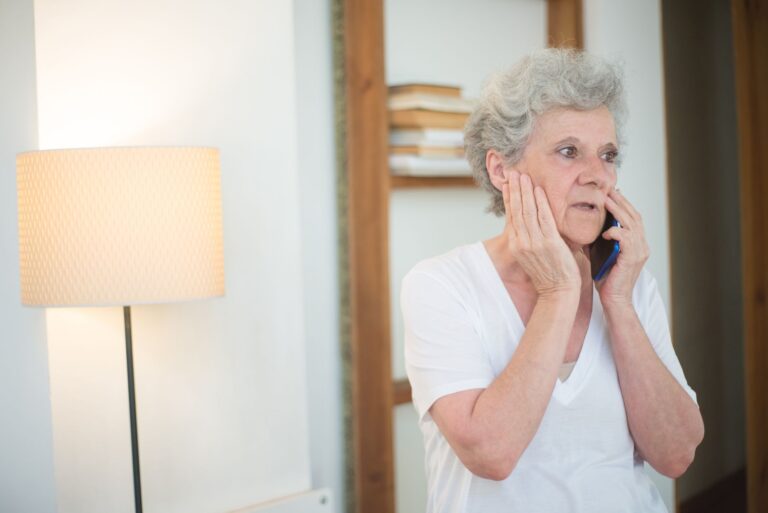
Identity in relationships exists only in the presence of memory and recognition. You are your partner’s spouse because both of you remember the wedding, the years together, the inside jokes. You are your child’s parent because they know your history with them, your role, your face in context. Early-stage dementia begins to dissolve this mutual knowledge. The person with dementia may forget events you’ve experienced together, confuse your face with someone else’s, or lose the context that explains why you matter to them. In advanced stages, you may become a kind, helpful stranger—someone present in the room but not tethered to any narrative that explains who you are. A husband caring for his wife with mid-stage Alzheimer’s reported that his wife would greet him each morning as if meeting him for the first time. She was warm and polite, but there was no recognition of 38 years together.
No inside references, no continuation of yesterday’s conversation because she had no yesterday. He was still her husband in legal terms and in his own identity, but to her, he was a visitor. Over months, this repeated absence of recognition changed how he experienced the relationship itself. He wasn’t losing her to another person or to distance. He was losing the mutuality that had made the relationship feel like a partnership. This reframing happens gradually, and it creates a particular kind of grief that can be harder to articulate than death. People often say, “I’m grieving while they’re still alive.” That’s accurate. But more specifically, you’re grieving the loss of being known, while remaining responsible for knowing them.
The Reversal of Roles and Its Emotional Complexity
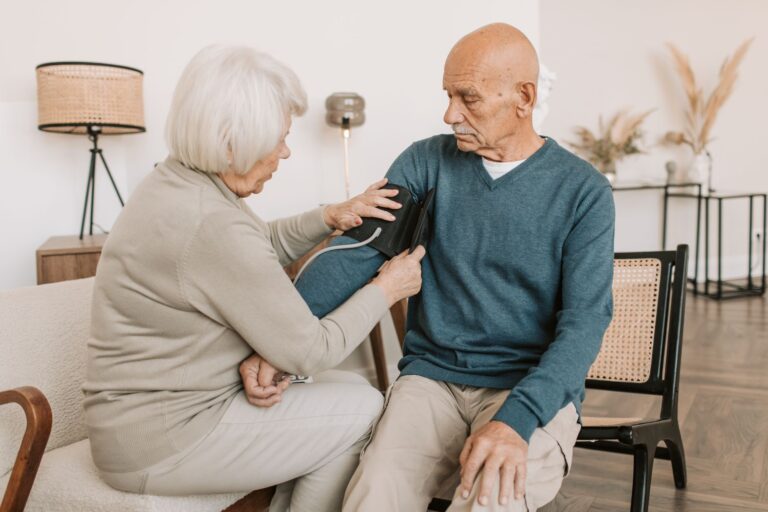
In most adult relationships, there is a rough equilibrium of care and dependence. Partners support each other. Parents provide guidance; adult children eventually help aging parents, but the relationship retains some mutuality. Dementia flattens this balance. The person with dementia becomes progressively unable to contribute, respond, or provide the emotional reciprocity that relationships require to feel balanced. The healthy person becomes the sole provider of care, decision-making, memory, and emotional labor. This isn’t a negotiated shift—it’s imposed by the disease. The emotional cost of this reversal is significant and often invisible. A daughter caring for her mother reported that after two years of full-time caregiving for someone with late-stage dementia, she had to make all medical decisions alone, manage all finances alone, and bear all responsibility for whether her mother was safe, clean, fed, and content. Her mother, whom she loved, was completely dependent.
But there was no reciprocal care flowing back. Her mother couldn’t ask how she was doing. Couldn’t comfort her. Couldn’t even acknowledge that her daughter was making sacrifices. The daughter wasn’t depressed because she didn’t love her mother. She was depressed because the relationship had become unidirectional in a way that human relationships aren’t designed to sustain. A limitation of this shift is that many people don’t acknowledge it as a loss. Families often frame caregiving as “a privilege” or “what you do for someone you love,” which is true. But truth doesn’t erase the cost. The emotional toll of loving someone who can no longer respond to your love is profound and deserves to be named as grief, not minimized as duty. Caregivers need support not because they don’t love the person, but because they do—and that love is being asked to flow entirely one direction.
The Loss of Shared History and Continuity
Memory is the glue that connects one day to the next in a relationship. It allows you to reference inside jokes, remember why something matters, understand each other’s reactions based on years of context. Dementia erases this connective tissue. Early on, the person may forget recent events—yesterday’s visit, this morning’s breakfast. Later, decades disappear. A person may revert to memories from 30 or 40 years ago and lose access to everything that happened after. They may confuse who is who, conflate different time periods, or lose the narrative thread entirely. This loss of shared history fundamentally changes communication. You can’t say “remember when we…” because the answer, increasingly, is no.
You can’t build on yesterday’s conversation. You can’t reference the reasons why decisions were made or why certain things matter. A wife who cared for her husband with frontotemporal dementia said that her husband eventually couldn’t understand why they lived in the house they’d chosen together, why they’d moved to the state they were in, or why certain people were important to them. She was living in a house full of decisions he could no longer understand. They were surrounded by the architecture of a shared life that now had no meaning to him. In practical terms, this means that the caregiver becomes the keeper of the relationship’s history. You hold the memories for both people. You know the story of how you met, what your children meant to you, what your life together was. The person you love cannot access this knowledge anymore. It’s a lonely position—to be the sole repository of a life you built together, remembering it alone.
Redefining Connection When Conversation Fails
As cognitive capacity declines, words become unreliable. A person with advanced dementia may not understand language, may not form new memories of conversations, may become frustrated or agitated when expected to follow complex communication. But physical presence, touch, and shared quiet often continue to carry meaning. Families who adapt to this shift sometimes describe a new form of connection—one that bypasses language entirely. Some caregivers find that their relationship with the person with dementia transforms into something different but not necessarily less real. A son sitting beside his father with advanced dementia discovered that his father seemed calmed by his presence, even though there was no conversation. He would hold his father’s hand for hours. There was no discussion of the past or future, no exchange of ideas or advice.
But there was connection—a quiet companionship that didn’t require words. The son described it as a more basic form of the relationship, stripped of complexity but also somehow purer. This isn’t to romanticize dementia or suggest that it’s anything but a loss. But it’s to acknowledge that connection doesn’t end when language ends. The tradeoff is that this form of connection requires a different kind of presence than most relationships do. It demands patience, acceptance of silence, and the ability to find meaning in proximity alone. Not everyone can make this shift easily, and that’s not a moral failing—it’s simply the reality that different people have different capacities. Some caregivers find this form of connection restful; others find it agonizing.
The Caregiver’s Burden and the Isolation of Unreciprocated Care
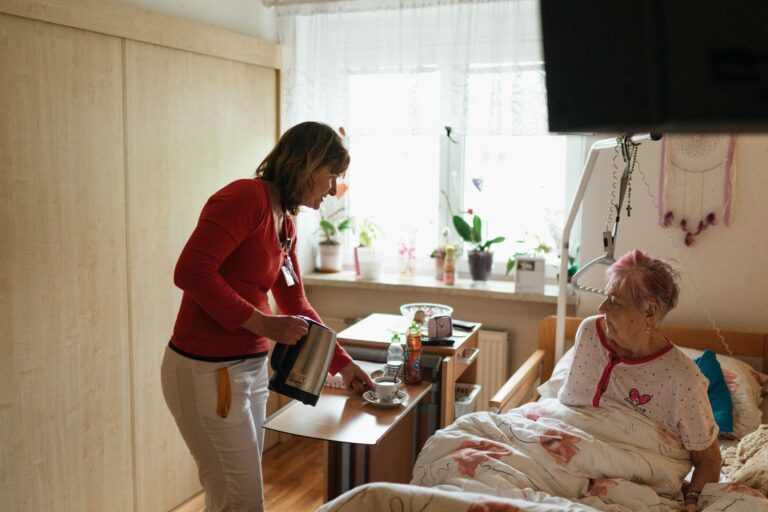
Dementia relationships create a particular vulnerability for caregiver burnout. The work is both physical and emotional. You’re managing toileting, hygiene, meals, medications, medical appointments, and safety. Simultaneously, you’re managing the emotional weight of caring for someone who may not recognize you, may become angry or accusatory, may resist the very help they need. And you’re doing this knowing that the disease will only worsen, that there is no recovery, and that the end point is loss. The isolation compounds the burden. A caregiver cannot take a true break from the relationship. Even if they have respite care, they’re still the primary responsible person. They carry the knowledge of all the person’s needs, preferences, and medical history.
They bear the decision-making weight. Simultaneously, they often can’t talk to the person they’re caring for about how hard this is. Many dementia patients lack the cognitive ability to understand their caregiver’s emotional needs or to express gratitude or solidarity. The caregiver is alone with the burden in a way that few other roles are. A warning here is that caregiver depression and burnout are common outcomes, not personal failings. Studies show that dementia caregivers have higher rates of depression, anxiety, and physical illness than the general population. This isn’t because they don’t love the person. It’s because the role, by its nature, is emotionally and physically unsustainable without significant support. Many caregivers don’t reach out for help because they feel they should be able to manage. They shouldn’t have to feel this way, and they won’t manage well alone.
How Some Families Find New Meaning in Presence
Not all dementia relationships follow the trajectory of loss and isolation. Some families restructure around what remains rather than what’s gone. A daughter whose mother developed Alzheimer’s stopped trying to have the conversations and memories that used to define their relationship. Instead, she brought her mother to the garden on warm afternoons. They sat together. The mother didn’t recognize her daughter most days, but she seemed to enjoy the flowers, the birds, the sensation of sun. The daughter let go of the expectation that her mother would remember these visits or express gratitude. She found meaning in the simple act of showing up, of creating comfort, of being present.
This shift requires a particular kind of acceptance. The daughter had to grieve the relationship she’d expected to have with her aging mother—conversations about the grandchildren, sharing recipes, reviewing memories. But in accepting this loss, she found access to a different form of connection. It wasn’t what she had planned. It wasn’t equal or reciprocal. But it had its own reality. She was with her mother. Her mother was not suffering in that moment. That became enough.
The Long-Term Pattern of Recognition Loss and Identity Fade
As dementia progresses through its stages, the pattern of loss becomes visible in stages. Early dementia may look like confusion about dates or occasional memory lapses. Mid-stage dementia includes personality changes, increased dependence, and the beginning of recognition loss. Late-stage dementia often brings near-total dependence, minimal verbal communication, and profound identity loss. By the end, the person may be physically present but cognitively no longer the person you knew. A neurologist observed that families often anticipate grief at the time of diagnosis, then again when the person becomes bedbound or unable to speak. But the most profound grief often comes in the middle stages, when the person is still present enough to interact with but no longer present enough to truly know.
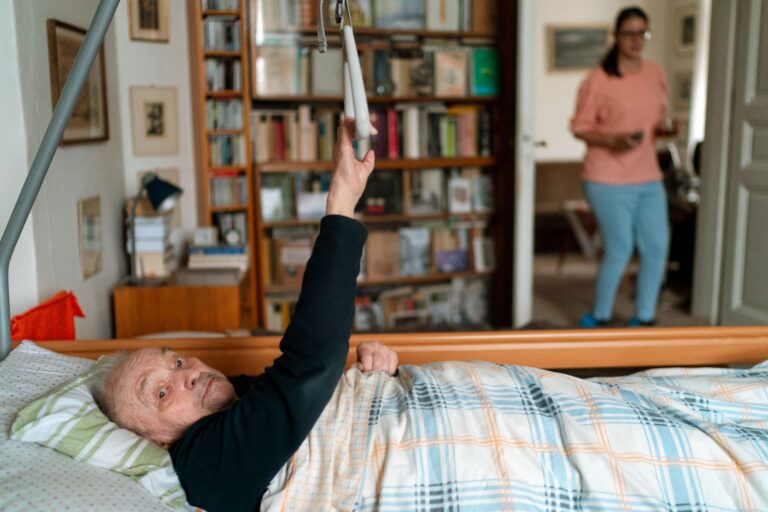
Early stages can feel manageable; you’re still having conversations. Late stages have their own kind of acceptance—the person is profoundly ill; it’s clear that care is palliative. The middle years are the longest and often the hardest, because the person is still there but no longer fully there, and there’s no clear endpoint. You’re maintaining a relationship with someone who is not fully maintaining a relationship back, indefinitely. The meaning of the relationship in late dementia often becomes simply physical and medical care. Is the person comfortable? Are they clean? Do they have dignity? These become the questions that matter. For many caregivers, this narrowing is both a relief and another form of grief.
- —
Frequently Asked Questions
Does a person with dementia ever recognize family members again?
Recognition loss is progressive and usually permanent. In early stages, people may have temporary lucidity or occasional recognition. In mid-to-late stages, recognition may return briefly and then fade. Recognition rarely returns permanently once it’s gone. Some families report that their loved one seems to recognize them by voice, touch, or energy, even without cognitive recognition.
Is it normal to grieve someone who is still alive?
Yes. This is called ambiguous loss—grieving someone who is physically present but cognitively absent. It’s a real form of grief and is often harder to articulate than death because people expect you to be present and grateful rather than bereaved.
How do I stop feeling guilty about not wanting to visit?
Guilt is common but often tied to unrealistic expectations. You’re being asked to love someone in a way that provides no reciprocal emotional reward. That’s a legitimate hardship. Setting boundaries—visiting less frequently, for shorter periods, or with support—is not a failure. It’s necessary care for yourself.
Can the relationship with someone with dementia get better or improve?
The relationship doesn’t improve in terms of reciprocity or recognition. But it can stabilize, and caregivers sometimes find new forms of connection based on physical presence, comfort, and patience rather than conversation and memory. These forms of connection are different, not better or worse.
What should I do if the person with dementia becomes angry or accusatory?
Anger and accusations are often symptoms of dementia-related brain changes, not reflections of actual relationships. Try not to take them personally, which is extremely difficult. Validate their feeling without defending yourself. Redirect to comfort rather than explanation. Short, calm responses work better than detailed corrections that the person won’t remember anyway. —