Reviewed by the Help Dementia Editorial Team — our editors review every article for accuracy against guidance from the National Institute on Aging, the Alzheimer’s Association, and peer-reviewed sources.
Dementia care sits at the center of this dementia and brain health question.
Dementia care should never rest on the shoulders of a single person because the disease itself doesn’t follow a single person’s schedule, energy, or lifespan. When one adult child or spouse becomes the sole caregiver, they inevitably face burnout, health consequences, and ultimately a care system that collapses when that person becomes ill, needs rest, or passes away. The person with dementia then faces disrupted care, new faces, and potential deterioration from the stress of adjustment—outcomes that distributed care structures actively prevent. Real families learn this the hard way.
A woman in her 60s quit her job to care for her mother with Alzheimer’s, assuming she could “manage it alone” for a few years. Eighteen months later, she had developed hypertension, gained forty pounds from stress eating, and her mother had experienced three falls while she was sleeping—falls that might have been prevented if another trained person had been present. When the daughter finally called her siblings for help, her mother had already declined further, and the transition to shared care triggered behavioral changes that took months to stabilize. Dementia care is medically complex, emotionally demanding, and physically exhausting. No single person—no matter how dedicated—can sustainably provide all of it.
Table of Contents
- What Happens When One Person Carries the Full Weight of Dementia Care?
- The Hidden Costs of Caregiver Isolation and Burnout
- How Dementia Care Needs Exceed What One Person Can Provide
- Building a Sustainable Dementia Care Team
- Behavioral and Medical Crises Are Harder to Manage Alone
- How Shared Care Reduces Risk of Neglect or Financial Exploitation
- Planning for Continuity Beyond One Person
- Conclusion
- Frequently Asked Questions
What Happens When One Person Carries the Full Weight of Dementia Care?
A single caregiver typically manages medication schedules, behavioral crises, personal hygiene, mobility support, medical appointments, financial and legal matters, household maintenance, and emotional support—often around the clock. The cognitive load alone is substantial; the physical demands are relentless. Within months, that caregiver’s own health typically declines. Studies consistently show that primary caregivers report higher rates of depression, anxiety, sleep deprivation, and cardiovascular disease than the general population. Consider a husband caring for his wife with mid-stage dementia. He handles her morning routine, manages her medications, prepares meals that accommodate her swallowing difficulties, cleans the house, handles finances, takes her to appointments, manages her incontinence, and tries to engage her in activities. When she wakes at 3 a.m. confused and agitated, he’s the one managing the crisis while sleep-deprived.
If he develops flu or experiences chest pain, there is no backup system. His wife’s care doesn’t pause because he’s ill; it stops. This scenario plays out in thousands of homes, and it is predictably unsustainable. The limitation of single-person care is that it has an expiration date. People become ill, age, lose strength, make mistakes from fatigue, or die. Dementia is a long disease. A person in their 60s caring for a parent with dementia could be doing so for 10-15 years or more. No single caregiver should be expected to maintain that level of intensity indefinitely.

The Hidden Costs of Caregiver Isolation and Burnout
When one person manages dementia care in isolation, they also manage the emotional weight alone. There is no one to process the grief with, no one to validate that today was harder than yesterday, no one to take shifts so they can shower without worry. Isolation compounds burnout. A caregiver who has no respite, no shared decision-making, and no emotional support will eventually reach a breaking point—and at that point, the care quality inevitably deteriorates. The physiological impact is not metaphorical. Chronic stress from caregiving activates the body’s stress response system persistently, raising cortisol levels, increasing inflammation, and accelerating aging.
A 2015 study found that primary dementia caregivers had accelerated cellular aging compared to non-caregivers—their cells showed the equivalent of additional years of aging. When a single caregiver’s body is under constant stress, their ability to make good decisions, respond calmly to behavioral changes, and provide patient care erodes. The person with dementia then experiences a caregiver who is increasingly reactive, tired, and emotionally depleted. One significant downside of isolated caregiving is that the caregiver may lack outside perspective on what is normal decline versus what requires medical intervention. A primary caregiver living with someone day-to-day can become desensitized to changes or, conversely, may catastrophize minor shifts. Shared caregiving brings multiple perspectives, which catches medical issues that a single exhausted person might miss and prevents unnecessary emergency room visits triggered by anxiety rather than actual crisis.
How Dementia Care Needs Exceed What One Person Can Provide
Dementia care is not monolithic. It includes medical management (medication administration, symptom monitoring, communication with specialists), personal care (bathing, dressing, toileting, grooming), mobility support (transfer assistance, fall prevention, walking support), cognitive and behavioral support (managing confusion, preventing wandering, responding to aggression or disinhibition), household management (cooking, cleaning, laundry, shopping), emotional support (companionship, validation, engagement), and end-of-life planning (advance directives, healthcare proxy decisions, dignity preservation). A single person cannot excel at all of these simultaneously. A nurse might be excellent at medical management but exhausted by physical caregiving tasks. A physical therapist could prevent falls but cannot manage behavioral issues. Adult children working full-time cannot be present 24/7.
Spouses aging alongside their partners may lack the physical strength that the care demands. Each type of care requires either specific skill, physical capability, or emotional presence—and requiring one person to provide all of them is not a care plan; it’s a setup for failure. For example, a woman with dementia who is prone to wandering needs someone monitoring her during the times she is most likely to leave the house. If her single adult son is her only caregiver and he works days, then she is unsupervised during those hours—or he loses his job to care for her. Neither option is sustainable. Distributed care, where siblings share responsibility or professional caregivers supplement family care during work hours, solves the problem that a single person cannot.

Building a Sustainable Dementia Care Team
Effective dementia care involves a team: family members who understand the person’s history and preferences, professional caregivers who provide hands-on support, medical providers who manage health, and often an adult day program or memory care setting that offers supervised activities. No single member of this team does everything, but together they provide consistent, sustainable care. This approach has a clear tradeoff: it requires coordination, communication, and sometimes difficult conversations among family members who may not agree on care decisions. It also typically costs more initially—hiring professional caregivers or using day programs requires money that a self-sacrificing adult child might avoid spending. However, the cost of not distributing care—the caregiver’s health crisis, the quality deterioration, the crisis that forces expensive emergency intervention—is higher.
A single caregiver’s breakdown often triggers a crisis that leads to hospitalization, emergency placement, or tragedy. Distributed care, while requiring more moving parts, actually prevents the most costly and disruptive crises. One practical comparison: a family that places a parent in memory care while one adult child visits regularly and manages medical decisions pays for the facility but preserves the adult child’s marriage, career, and health. A family that insists one child is “enough” often loses that child’s career momentum, relationship stability, and physical health—and the parent still eventually needs facility care anyway, but now the transition happens during a crisis rather than a planned move. The earlier distribution of care actually reduces total cost and harm.
Behavioral and Medical Crises Are Harder to Manage Alone
As dementia progresses, behavioral challenges often intensify: aggression, sexual disinhibition, accusations, extreme paranoia, or violent outbursts are common. A single caregiver facing these behaviors has no one to tag in when they are triggered, no one to provide a different approach if theirs isn’t working, and no one to support them after a traumatic incident. A person with dementia who becomes aggressive and injures a single caregiver has now created a crisis—the caregiver needs medical attention and the person with dementia needs immediate alternative care. Medical emergencies are more dangerous in single-caregiver homes. If the caregiver has a fall, heart attack, or stroke while the person with dementia is in their care, both people are now in crisis. The person with dementia may not be able to call 911 or provide accurate information.
A family friend or paid caregiver in the home changes this outcome: there is someone to call for help. One warning: single caregivers often fail to develop emergency plans because they haven’t identified another person who can step in, or they avoid making that plan because it feels like admitting they need help. Additionally, as dementia progresses to late stages—when the person becomes bedridden, requires feeding support, or needs 24-hour supervision—one person simply cannot provide the care safely. The physical demands of turning someone in bed multiple times daily, managing feeding, toileting, and bathing for someone with no mobility places enormous strain on a single caregiver’s body. Hospital-grade equipment helps, but it doesn’t replace hands-on support. At this stage, shared care or professional caregiving is not optional; it is necessary.
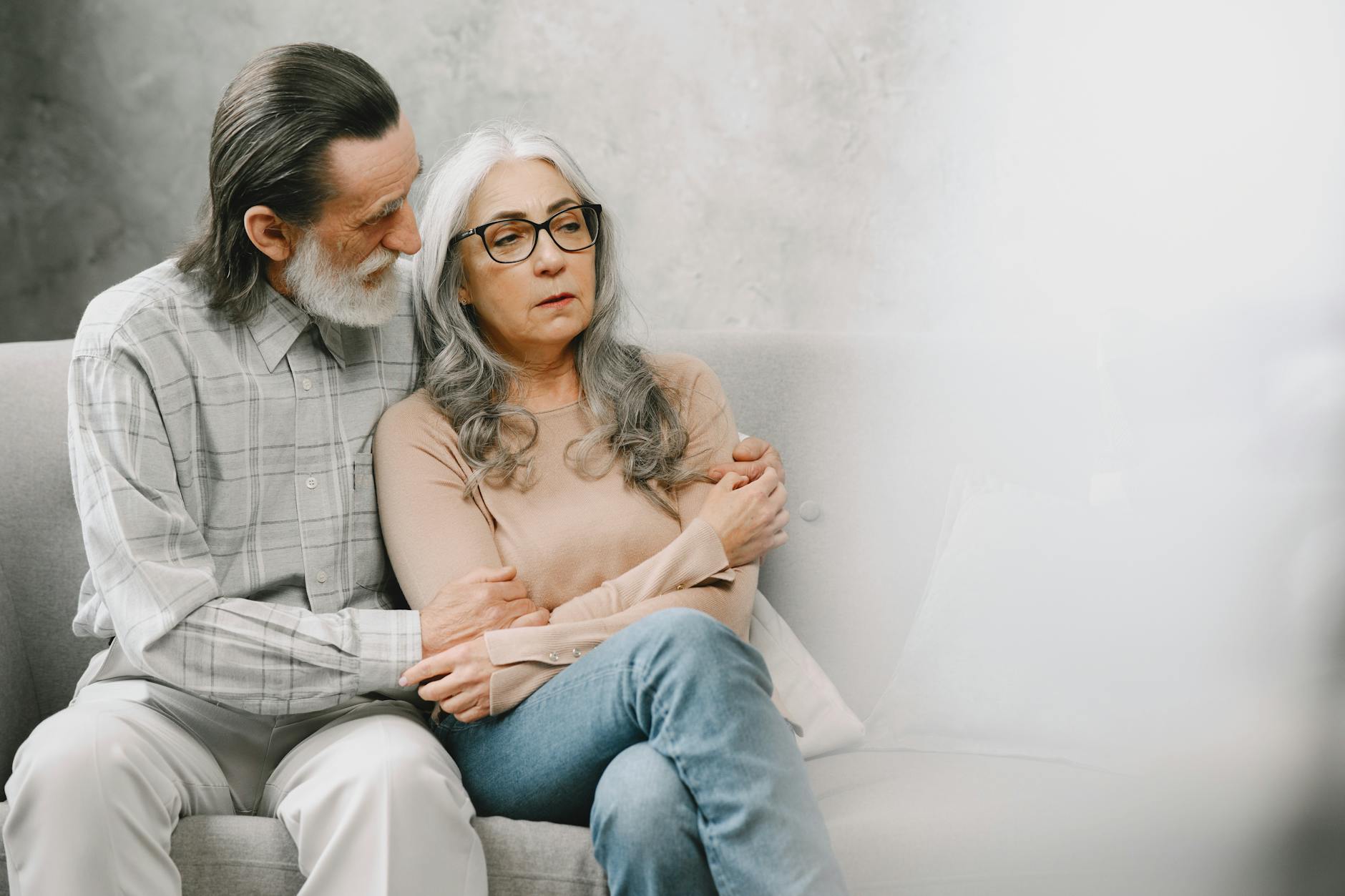
How Shared Care Reduces Risk of Neglect or Financial Exploitation
When one person has total control over care decisions and money, there is higher risk that the system becomes exploitative, whether intentionally or through the person’s own desperation and isolation. A caregiver who is financially struggling, socially isolated, and managing high stress may consciously or unconsciously begin cutting corners—using medications to manage behavior rather than engage with the person, delaying medical care, or even financially exploiting the vulnerable adult.
Distributed care—where multiple family members have knowledge of the person’s care and finances, where medical providers interact with more than one person, where professional caregivers provide some care—creates natural oversight. It’s not about distrust; it’s about designing a system where multiple eyes see what’s happening, where decisions are reviewed, and where one person’s judgment is not the only check. This substantially reduces the risk that a vulnerable person receives inadequate or exploitative care.
Planning for Continuity Beyond One Person
The most important aspect of not depending on a single caregiver is planning for what happens when that person cannot continue. If adult children wait until a parent is in crisis—when one overwhelmed child finally breaks down—the transition is chaotic and often traumatic. But if care has been distributed all along, transitions are manageable.
When one person needs to step back, others are already involved and the person with dementia has already adapted to multiple caregivers. This approach also honors the reality that dementia is a marathon, not a sprint, and that family members have their own lives and obligations. Recognizing that early and building care structures around it—whether through paid caregivers, adult day programs, respite care, family rotations, or facility placement—is an act of love for both the person with dementia and the family members who care for them. It prevents the outcome where one person sacrifices everything and then the entire system collapses.
Conclusion
Dementia care should not depend on one person because that person will eventually fail—not from lack of love or commitment, but because the care demands exceed what any single human being can sustainably provide. The person with dementia deserves care continuity that doesn’t depend on one person’s health, presence, or lifespan. The caregiving family deserves to share the weight, preserve their own well-being, and make clear-eyed decisions about care rather than decisions made by a single, exhausted person.
The shift from “one person can handle this” to “we need a care team” is not an admission of failure or abandonment. It is the only way to ensure that the person with dementia receives consistent, safer, and more dignified care while the people who love them remain healthy enough to be present in ways that matter. Building that team early—whether through family discussions, professional caregivers, day programs, or facility care—is the most important decision a family caring for someone with dementia can make.
Frequently Asked Questions
What if we can’t afford professional caregivers or day programs?
Cost is real, but options exist beyond full-time paid care. Respite care programs, some funded through aging services, offer periodic relief. Adult day programs are often lower cost than 24/7 care. Many families combine family care-sharing with modest paid support for specific times (mornings before work, evenings). Social workers at hospitals or Alzheimer’s Association chapters can identify local resources.
If I ask siblings to help, will they actually step up?
Some will and some won’t—but asking is necessary. A family meeting where you clearly name what you need (driving to appointments on Tuesdays, staying overnight one weekend per month, taking the lead on medical coordination) makes it easier for siblings to say yes or no. Distributing specific tasks works better than vague “help if you can.” If siblings refuse, that’s information that leads you to seek paid or professional support earlier rather than later.
How do we transition to shared care if one person has been doing it all?
Start small. Introduce a paid caregiver for a few hours per week while the primary caregiver is still present, so the person with dementia adjusts gradually. Bring in a second family member for one responsibility (managing medications or attending one medical appointment). Let the transition happen over weeks or months rather than suddenly. The person with dementia will adjust better than you expect, especially if transitions happen during stable periods rather than crisis moments.
What if the person with dementia doesn’t want multiple people involved in their care?
They might resist change, but dementia also means changing preferences. Many people with dementia initially prefer familiar faces but adjust to new caregivers. More importantly, when dementia progresses, the person may not remember previous preferences or may become unable to express them. The care structure you build now is for the future person, not the current one, and distributed care protects them when they cannot protect themselves.
At what stage should we start thinking about shared care?
Now. Even at diagnosis or at the first signs of memory loss, before anyone is desperate. Early planning prevents the crisis-driven decisions that happen when one person finally breaks. It also gives the person with dementia time to adjust to multiple caregivers while they still have capacity to do so.
You Might Also Like
- What Families Should Look for in a Dementia Care Facility
- Why Dementia Care Requires Backup Plans
- Can Long-Term Care Facilities Improve Dementia Quality of Life?
For more, see Alzheimer’s Association — caregiving.