Reviewed by the Help Dementia Editorial Team — our editors review every article for accuracy against guidance from the National Institute on Aging, the Alzheimer’s Association, and peer-reviewed sources.
Dementia care requires backup plans because caregiving is unpredictable, and a single point of failure in your care system can create dangerous gaps in supervision, medication management, and daily support. When someone with dementia relies on one primary caregiver or one system for essential activities—whether it’s medication reminders, meal preparation, or monitoring for behavioral changes—any disruption forces immediate improvisation during a time when the person with dementia may be most vulnerable. A caregiver’s illness, an emergency appointment, or simple burnout can leave an older adult without supervision for hours, create missed medication doses, or result in poor decision-making when no one with dementia care experience is available to manage crisis situations. Real backup systems prevent these gaps from becoming crises.
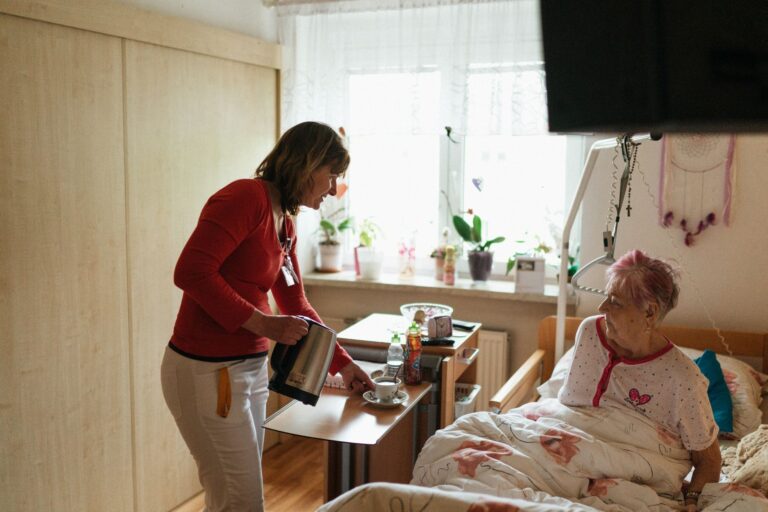
Consider a family where an adult daughter is the sole caregiver for her mother with middle-stage Alzheimer’s disease. If the daughter gets sick for a week, who manages the mother’s three daily medications, ensures she eats lunch, prevents her from leaving the house unsupervised, and handles the behavioral escalation that often accompanies changes in routine? Without a backup plan—whether that’s a trained family member, an adult day program, a professional caregiver, or a combination—the situation deteriorates quickly. The mother may miss doses or take medication twice. She might become confused and distressed by the unfamiliar faces providing care. The daughter, isolated and overwhelmed, may resort to unnecessary medications or facility placement out of desperation rather than careful planning.
Table of Contents
- What Happens When Dementia Care Has No Backup Plan?
- How Caregiver Burnout and Backup Systems Are Connected
- Behavioral Changes and Why Consistency Matters in Dementia Care
- Building a Practical Backup Care System
- The Hidden Risks of Dementia Care Without Redundancy
- Technology and Adult Day Programs as Backup Systems
- Planning Ahead: The Future of Dementia Care Systems
- Conclusion
- Frequently Asked Questions
What Happens When Dementia Care Has No Backup Plan?
The absence of a backup plan in dementia care creates a cascade of preventable problems. When one person bears the entire responsibility for an older adult’s care, that person becomes a critical infrastructure point—and infrastructure fails. caregivers get sick, have accidents, need to work, require medical procedures, or simply reach a breaking point. Studies show that family caregivers of people with dementia experience higher rates of depression, anxiety, and physical health problems than the general population.
When a primary caregiver reaches crisis burnout without a safety net, they make worse decisions, provide lower-quality care, and may suddenly become unavailable just when the person with dementia needs them most. Without backup systems, medication errors increase significantly. A person with dementia often cannot self-manage medications reliably—they may forget they’ve already taken their dose, misplace pills, or refuse medication due to confusion or behavioral changes. If one caregiver is responsible for all medication administration and that caregiver is unavailable or ill, the person with dementia may go without critical medications like those managing high blood pressure, heart conditions, or the progression of cognitive decline itself. Missing doses of blood pressure medication for even a few days can trigger a stroke; missing doses of pain medication can create suffering that escalates behavioral problems.

How Caregiver Burnout and Backup Systems Are Connected
Caregiver burnout is not a personal failure—it’s a predictable outcome of unsustainable workload. A primary caregiver managing someone with moderate to advanced dementia may be on-call 24 hours a day, managing behavioral changes, handling toileting and hygiene needs, preparing specialized meals, managing medications, arranging medical appointments, handling finances, and providing emotional support. Without breaks or backup, this workload compounds daily. The caregiver’s own health declines—sleep deprivation becomes chronic, stress hormones remain elevated, and the ability to think clearly or respond calmly deteriorates.
When a backup system exists—even a modest one—the primary caregiver can take a break, keep a medical appointment, or sleep through the night knowing someone is available. This isn’t luxury; it’s the foundation of sustainable care. Research shows that caregivers with access to respite care (temporary backup support) experience measurably lower stress, stay healthier, and continue caregiving longer without resorting to institutionalization. However, many families lack access to respite care due to cost, unavailability in their area, or the person with dementia’s resistance to unfamiliar caregivers. This limitation means families must often create their own backup systems, which requires planning.
Behavioral Changes and Why Consistency Matters in Dementia Care
People with dementia often respond poorly to unexpected changes in their routine or caregiver. A person with moderate dementia who has worked with one primary caregiver for months may become agitated, paranoid, or resistive when a different person suddenly appears providing care. This behavioral escalation isn’t stubbornness—it’s a neurological response to disorientation and loss of familiar structure. Without a backup caregiver who has been introduced gradually and who is familiar to the person with dementia, a sudden transition to an unfamiliar person can trigger hours of distress, refusal to eat or take medication, or even physical resistance.
Effective backup plans introduce secondary caregivers gradually, while the primary caregiver is still present and can provide reassurance. A backup system might include a family member who visits twice a week specifically to build familiarity with the older adult, or a professional caregiver who starts with supervised visits before being asked to provide independent care. When the primary caregiver becomes unavailable—whether for an afternoon or a week—the transition is far less disruptive because the person with dementia already recognizes and trusts the backup caregiver. This consistency in care relationships directly reduces behavioral problems and medication refusal.

Building a Practical Backup Care System
A backup dementia care system doesn’t require professional resources in every case, though professional caregivers are valuable. Families can build layers of backup by identifying multiple people who understand the person’s needs and care routine. One approach is a “care team” where a primary caregiver (often a family member) is supported by two or three backup people—perhaps an adult sibling, an adult child living nearby, and a paid caregiver who comes one day per week. Each person on the care team learns the medication schedule, knows how to respond to behavioral changes, understands the person’s communication style, and has a written care guide covering daily routines. The tradeoff is that building this system requires time upfront and ongoing communication.
It’s easier for one person to manage care alone in the short term, but this approach is unsustainable and risky. A distributed system requires documentation—written instructions for medications, behavioral response strategies, emergency contacts, and daily routine. It requires training—each backup caregiver needs to learn how to help the person with dementia shower, how to recognize signs of infection or decline, what triggers behavioral escalation. It requires communication—the care team must share updates about changes in the person’s condition or responses to medications. These elements take effort, but they prevent far larger problems.
The Hidden Risks of Dementia Care Without Redundancy
One overlooked risk in single-caregiver dementia care is elder abuse and neglect, both accidental and intentional. A caregiver under extreme stress, isolated without support, and managing severe behavioral problems may become emotionally or physically abusive without consciously intending harm. Backup systems—other family members present, regular professional caregiver visits, adult day programs, or periodic in-home care—create natural oversight that can catch early warning signs. If a person with dementia has unexplained bruises, refuses food when a particular caregiver is present, or shows sudden behavioral changes, other caregivers can notice and address the problem.
Another risk is catastrophic decision-making during medical crises. If a person with dementia develops a serious infection, falls, or has a stroke, decisions about hospital admission, medication, life support, and end-of-life care often fall to the primary caregiver in the moment. A caregiver making these decisions alone, without consultation or support, may choose aggressive interventions the person would not have wanted, or may delay seeking help due to exhaustion or denial. A backup system—ideally including family members and documented care preferences—allows for thoughtful decision-making and distributes the emotional burden of complex medical choices.

Technology and Adult Day Programs as Backup Systems
Technology can provide a safety net layer, though it’s not a complete backup. Medication dispensers with alarms, GPS watches for people at risk of wandering, fall-detection systems, and home monitoring cameras allow a family member or professional caregiver to oversee care from a distance. These tools can alert a backup caregiver if the person with dementia falls, forgets to take medication, or attempts to leave the house unsupervised. However, technology requires someone to respond—it can alert you that your parent fell, but a video camera cannot help them up or call an ambulance.
Adult day programs offer structured backup during work hours. A person with dementia spends 5-8 hours in a facility with professional staff, social activities, meals, and supervision, while the primary caregiver is freed for work or personal time. This model works well for people with mild to moderate dementia who can tolerate the transition and structured environment. The limitation is cost and availability—not all communities have adult day programs, and fees typically range from $50-$150 per day, which is unaffordable for many families.
Planning Ahead: The Future of Dementia Care Systems
As the population ages and dementia prevalence increases, the shortage of professional caregivers will likely worsen. This means families will increasingly need to build their own backup systems rather than relying on availability of paid care. Communities with strong intergenerational relationships and extended family nearby have an advantage, but many families are geographically scattered. Long-distance families can still build backup systems through a combination of in-person visits for a family member, remote monitoring and communication with paid caregivers, and insurance or care management services that provide oversight.
The future of sustainable dementia care depends on moving away from the unsustainable single-caregiver model. Family members, healthcare providers, and public health systems are beginning to recognize that caregiving for people with dementia requires distributed responsibility and planned backup resources. Insurance companies are starting to cover respite care and adult day programs as preventive measures that reduce emergency room visits and premature institutionalization. Families who plan backup systems now—while the person with dementia can still participate in the planning—are more likely to navigate the disease course successfully and maintain quality of life for both the person with dementia and the caregiving family.
Conclusion
Dementia care requires backup plans because caregiving is too demanding and too important to rely on a single person or a single system. The absence of backup creates cascading risks: caregiver burnout leading to poor-quality care, medication errors, behavioral escalation from unfamiliar caregivers, and preventable crises that could have been managed calmly with planning. A person with dementia deserves continuity of care, consistent relationships with people who understand their needs, and responsive management of their medications and safety. Building a backup dementia care system is not optional—it’s foundational.
Whether through family members, professional caregivers, adult day programs, or a combination, the investment in a care team pays dividends in sustainability, safety, and quality of life. The time to plan is now, before crisis forces chaotic improvisation. Talk with family members about their capacity to provide backup support, document the care routine and person’s preferences, introduce backup caregivers while the person with dementia is stable, and review the plan regularly. A person with dementia and their family deserve a system built on realistic expectations and distributed responsibility.
Frequently Asked Questions
Can one primary caregiver manage dementia care without backup?
Technically yes, but not sustainably. Without backup, the primary caregiver faces extreme burnout, health decline, and reduced ability to provide quality care within 1-2 years. Backup systems prevent these outcomes and allow long-term care at home.
What if family members live far away and can’t provide backup?
Distance doesn’t eliminate backup options. Family can coordinate with paid caregivers, arrange periodic in-person visits for training and oversight, use technology for remote monitoring, or contribute financially to professional care. The key is intentional planning, not geographic proximity.
How much does it cost to set up a backup dementia care system?
Cost varies widely. Family-based backup requires primarily time and communication. Professional caregivers range from $20-$30/hour for basic assistance to $40-$60/hour for trained dementia caregivers. Adult day programs cost $50-$150/day. Many families start with available family resources and add professional backup gradually.
When should I start building a backup care system?
As soon as dementia is diagnosed, or earlier if cognitive decline is present. The sooner family members are introduced and trained, the more natural the backup relationship feels. Waiting until crisis forces change creates disruption and behavioral problems.
What if the person with dementia refuses to accept a backup caregiver?
Resistance often decreases with gradual introduction and repeated exposure while the primary caregiver is present. Start with short visits, build familiarity, and allow the person with dementia to develop trust. In some cases, behavioral resistance improves once the new caregiver is recognized as part of the established routine.
Is adult day program a sufficient backup system?
Adult day programs are valuable but incomplete. They provide backup during business hours and respite for the primary caregiver, but don’t cover evenings, weekends, or emergencies. Most effective backup systems combine adult day programs with family support and on-call professional caregivers for nights and weekends.