Reviewed by the Help Dementia Editorial Team — our editors review every article for accuracy against guidance from the National Institute on Aging, the Alzheimer’s Association, and peer-reviewed sources.
Long-term care sits at the center of this dementia and brain health question.
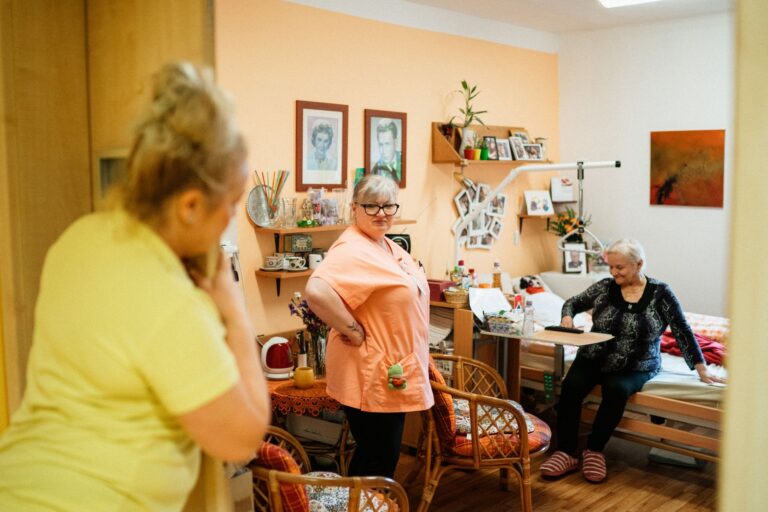
Yes, long-term care facilities can meaningfully improve quality of life for people living with dementia—but not automatically. The difference lies in how a facility is structured, staffed, and operated. A person with mid-stage dementia living in a well-designed facility with trained staff, meaningful activities, and individualized care routines often experiences less anxiety, better sleep, and more moments of contentment and connection than they might in an unsafe home environment or an understaffed, institutional setting. For example, a 72-year-old man with Alzheimer’s disease who had become withdrawn and aggressive at home—often wandering, unable to manage medications, and exhausted from lack of sleep—began participating in memory care activities within weeks of moving to a facility with a secured outdoor garden and staff trained in dementia communication.
His agitation decreased, he slept better, and his family reported seeing him genuinely smile again. The reality, however, is more nuanced than “move to a facility and improve.” A facility’s ability to enhance quality of life depends on several interconnected factors: proper staffing ratios, dementia-specific training, attention to physical environment and safety, a meaningful activity program, and a care philosophy that prioritizes dignity alongside medical management. A poorly run facility—understaffed, rushed, institutional in feel—can actually worsen someone’s experience. The goal is not simply to manage dementia medically, but to preserve the person’s sense of self, autonomy, and connection for as long as possible.
Table of Contents
- What Does Quality of Life Mean for People Living With Dementia?
- Environmental Design and Dementia-Friendly Features That Actually Work
- Personalized Care Plans and Individual Dignity in Institutional Settings
- Activities, Engagement, and Social Connection in a Care Setting
- Staffing Challenges and Burnout’s Impact on Care Quality
- Managing Behavioral Changes and Challenging Moments With Compassion
- The Future of Dementia Care and What’s Changing in Long-Term Care
- Conclusion
- Frequently Asked Questions
What Does Quality of Life Mean for People Living With Dementia?
Quality of life in dementia is not about cure or even slowing cognitive decline—it’s about the everyday experience of being alive, safe, and connected. It includes physical comfort (freedom from pain and hunger), emotional security (knowing trusted people are nearby), meaningful engagement (doing things that bring pleasure or purpose), and preservation of identity and dignity (being treated as a person, not just a patient). For someone with advanced dementia who may not remember events or recognize family members, quality of life might simply mean a safe environment, regular meals, gentle care, and the physical comfort of familiar routines.
A key distinction: quality of life in dementia is not the same as what it looks like to an outside observer. Someone with moderate dementia might not be “productive” by typical standards, but they can still experience contentment sitting in a garden, working on a familiar craft, or enjoying a meal with pleasant company. In contrast, a person in a chaotic, overstimulating environment—lots of noise, insufficient personal attention, forced group activities—may be miserable despite all their medical needs being technically met.

Environmental Design and Dementia-Friendly Features That Actually Work
The physical environment has an outsized impact on dementia quality of life. Facilities designed specifically for memory care use wayfinding cues (color-coded hallways, visual signs with pictures), reduce confusing mirrors and reflections, control noise levels, provide secure outdoor spaces, and create smaller, home-like living areas instead of institutional corridors. These aren’t luxury amenities—they’re functional adaptations that reduce confusion, prevent dangerous wandering, and create a sense of containment and safety. A resident is less likely to panic or become aggressive when they can orient themselves visually and understand where they are.
However, good environmental design is expensive, and not every facility can afford it. A well-intentioned small facility in a converted house might lack the security infrastructure of a purpose-built memory care unit—or lack the funding to maintain it. There’s also a tradeoff: a highly secure environment, while essential for safety, can feel locked-down and restrictive, and may reduce a person’s sense of autonomy. Additionally, no amount of environmental design solves understaffing, medication mismanagement, or a care culture that treats residents as problems to manage rather than people to support.
Personalized Care Plans and Individual Dignity in Institutional Settings
The best long-term care facilities recognize that dementia is not one-size-fits-all. An effective care plan goes beyond managing medical conditions and includes personal history—what the person enjoyed before dementia, what comforts them, how they communicate best, what kinds of activities they find meaningful. One facility might note that a former teacher with moderate dementia lights up when someone reads aloud, or that a retired chef becomes more present and engaged during cooking activities. Another resident might find one-on-one attention overwhelming and prefer observing quietly, or might need music and movement to feel settled.
Personalizing care in this way requires staff to know their residents well and to have flexibility in the daily schedule. A concrete example: a woman with late-stage dementia who had been a lifelong gardener was moved to a facility that connected her with a volunteer who brought plants to her room twice a week. Even though she could no longer speak clearly or remember visits, staff observed that on planting days, her agitation decreased, she was more cooperative with personal care, and she seemed to enjoy the tactile experience of handling soil and plants. This kind of personalization doesn’t require expensive interventions—it requires staff attention and a facility culture that values it.

Activities, Engagement, and Social Connection in a Care Setting
Boredom and isolation are common problems in poorly resourced facilities and contribute directly to depression, behavioral problems, and physical decline. Effective memory care programs include structured activities suited to different cognitive levels—not just passive television, but hands-on activities, music, movement, art, sensory experiences, and intergenerational connections (visiting children or pets, for example). Even people with advanced dementia can participate in and benefit from these experiences, sometimes in unexpected ways. The tradeoff here is significant: structured, personalized activities require trained activity staff, planning, and resources.
A large facility with high resident-to-staff ratios and a minimal budget might offer activities only a few times a week or only for cognitively higher-functioning residents. Meanwhile, a small, well-staffed facility might offer daily activities tailored to individual interests. Also, some residents prefer minimal structure and thrive on quiet time and simple routines, so over-scheduling activities can be counterproductive. The goal is variety, choice, and respect for individual preferences—not maximal activity.
Staffing Challenges and Burnout’s Impact on Care Quality
Here is where the reality of long-term care becomes difficult: staff burnout and high turnover are endemic in the industry, and they directly impact resident quality of life. Understaffed facilities with overworked, poorly trained staff often resort to rushed care, sometimes even chemical or physical restraint, to manage residents’ behavior. A caregiver who is burnt out and underpaid is less likely to have the patience, presence, and emotional availability that people with dementia need. They’re less likely to know residents personally, to notice changes in health or mood, or to engage meaningfully during care routines.
This is the primary limitation of any long-term care facility: its quality depends entirely on the people working there, and the people working there are often underpaid, undertrained, and overextended. A facility with excellent design and good funding can still fail residents if it cannot attract and retain quality staff. Conversely, a modest facility with highly committed, well-trained staff who have reasonable caseloads often delivers better quality of life than a more resource-rich facility with a revolving door of stressed workers. Family involvement and facility leadership that prioritizes staff well-being are critical factors that many facilities struggle with.

Managing Behavioral Changes and Challenging Moments With Compassion
Dementia often involves behavioral changes—aggression, agitation, wandering, verbal outbursts—that can be frightening and exhausting for both residents and staff. A facility’s approach to these behaviors significantly impacts quality of life. The best approach recognizes that behavior is communication: if someone is agitated or aggressive, they’re usually trying to express an unmet need—pain, fear, confusion, hunger, or the need for comfort. A well-trained staff addresses the underlying cause, rather than simply sedating the person or responding punitively.
For example, a man with dementia began refusing to bathe and becoming combative during personal care. A facility that understood dementia recognized that he might be afraid of water, or that the shower felt like an assault on his dignity, or that he was in pain. By introducing bathing more gently, allowing him to shower rather than bathe, keeping the water warmer, and using calm language, his resistance decreased significantly. Without this understanding, staff might have medicated him heavily or labeled him “a behavioral problem.” The difference between a facility that develops this kind of insight and one that doesn’t is the difference between a resident experiencing respect and dignity versus fear and control.
The Future of Dementia Care and What’s Changing in Long-Term Care
The dementia care landscape is gradually shifting, driven partly by research showing that person-centered, dignity-focused care produces better outcomes than purely medical or task-focused models. More facilities are adopting dementia-specific training programs, reducing the use of behavioral medications, implementing activities and engagement programs, and creating smaller, home-like units rather than large, institutional settings. Some innovative facilities are experimenting with outdoor spaces, animal therapy, and programming that connects residents to the broader community.
Technology is also beginning to play a role—not to replace human connection, but to support it. Monitoring systems can alert staff to resident wandering or falls, freemium memory care apps can help families stay connected and informed, and some facilities use technology to assist with medication management and documentation, potentially freeing up staff time for direct care. The challenge ahead is making these improvements scalable and affordable across all facilities, not just affluent ones.
Conclusion
Long-term care facilities have genuine potential to improve dementia quality of life, but this improvement is not guaranteed—it depends on the specific facility’s resources, values, and operational practices. A well-run facility with trained staff, individualized care, meaningful engagement, and a person-centered philosophy can provide safety, structure, activities, and social connection that genuinely enhance someone’s day-to-day experience. For many families, a good facility offers peace of mind and allows their loved one to receive the level of care and supervision they need without requiring family members to sacrifice their own wellbeing. The critical steps are: first, understand that quality of life in dementia is about presence, dignity, and engagement, not cure.
Second, evaluate specific facilities carefully, looking at staff training, staff-to-resident ratios, activity programming, and evidence of person-centered care. Ask to observe actual care routines and talk to current residents’ families. Third, remember that even in a good facility, ongoing family involvement—visits, advocacy, participation in care planning—makes a significant difference. The best long-term care is a partnership between family, facility staff, and the person with dementia.
Frequently Asked Questions
What signs indicate a facility is prioritizing dementia quality of life?
Look for staff who can describe residents’ personal histories and preferences, structured activities that vary by cognitive level, a calm physical environment with clear wayfinding, evidence of personalized care plans, low staff turnover, and openness to family input and visits. Staff should refer to residents by name, speak respectfully about them, and seem to know them beyond their medical conditions.
Can someone with advanced dementia still have a good quality of life in a facility?
Yes. Even people with late-stage dementia can experience comfort, contentment, and connection. Quality of life at this stage focuses on physical comfort, gentle care, familiar sensory experiences (music, touch, familiar smells), and the reassuring presence of consistent caregivers. A person may not remember interactions, but they can still experience the emotional and physical comfort of good care.
What’s the difference between a general long-term care facility and specialized memory care?
Memory care units are specifically designed and staffed for dementia. They typically have smaller units, secured environments, dementia-trained staff, and activities tailored to cognitive decline. General long-term care facilities handle mixed populations and may lack specialized training, leading to less optimal experiences for residents with dementia. Memory care is usually more expensive but often provides better outcomes.
How do I know if my family member is declining in quality of life in a facility?
Watch for increased agitation, aggression, or withdrawal; changes in eating or sleeping; skin breakdown or signs of inadequate care; new behavioral problems; or family reports of rushed, impersonal care. Also notice whether staff seem to know your family member personally and can discuss their specific needs and preferences. Trust your gut—if something feels off, it probably is.
What role should families play in a loved one’s care?
Family involvement is a crucial quality-of-life factor. Regular visits, participation in care planning, advocacy for personalized care, helping bring in meaningful items (photos, familiar objects), and providing feedback to staff all make a difference. Families also serve as a check on quality and a voice for their loved one when the person can no longer fully advocate for themselves.
Is medication the main tool facilities use to manage dementia behavior?
It shouldn’t be, but in understaffed facilities, medication is often used as a quick solution to manage difficult behaviors. Best practice involves understanding the cause of behavior (pain, fear, unmet need), addressing that cause, and using medication only when necessary and appropriate. If a facility seems to be heavily medicating residents to make them compliant, that’s a red flag for poor dementia care.
You Might Also Like
- Can Primary Care Doctors Use Alzheimer’s Blood Tests?
- Can Early Diagnosis Improve Dementia Outcomes?
- Why Dementia Prevention Advice Keeps Changing
For more, see Alzheimer’s Association — clinical trials.