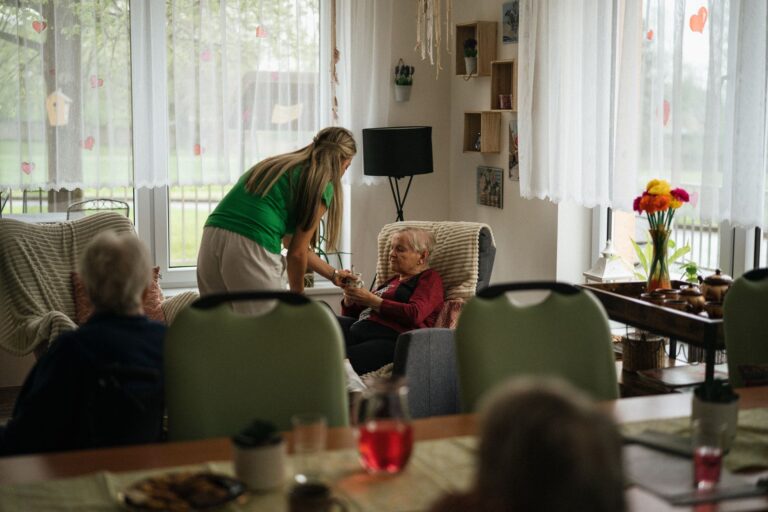
Managing dementia effectively requires caregivers to adopt specific, evidence-based strategies that address both the cognitive and behavioral changes the disease causes. While dementia cannot be reversed, how caregivers respond to its progression—through consistent routines, clear communication, environmental adjustments, and their own emotional resilience—dramatically impacts the person’s quality of life and the caregiver’s ability to sustain their role over the long term.
A person with early-stage dementia might still remember their child’s name but forget they’ve already eaten lunch three times that day; the caregiver’s response to this repetition, whether it’s patient redirection or frustrated correction, shapes the emotional climate of every interaction. The seven core strategies that define effective dementia caregiving fall into three overlapping domains: how you communicate and connect, how you structure the environment and daily life, and how you protect your own health and capacity to care. These strategies are not optional add-ons or nice-to-have skills—they are the practical foundation that allows a person with dementia to remain as independent, dignified, and engaged as possible while their cognitive abilities decline.
Table of Contents
- How Should Caregivers Communicate With Someone Who Has Dementia?
- Why Do Routines and Environmental Consistency Matter So Much in Dementia Care?
- How Can Caregivers Manage Behavioral and Emotional Changes?
- What Does Effective Caregiver Self-Care Look Like When Caring for Someone With Dementia?
- How Should Medication and Medical Care Be Managed?
- What Role Do Cognitive Activities and Meaningful Engagement Play?
- Why Is Legal and Financial Planning Before Cognitive Decline Essential?
- Frequently Asked Questions
How Should Caregivers Communicate With Someone Who Has Dementia?
Clear, patient communication is foundational to managing dementia because people with the condition often struggle to process complex information, follow rapid speech, or retrieve the right words themselves. Effective communication with dementia means slowing down, using simple sentences, eliminating background noise, and asking yes-or-no questions rather than open-ended ones. Instead of “What would you like to do today?” try “Would you like to go for a walk?” This difference is not merely about politeness—it reduces confusion and anxiety because the person’s brain can process a concrete choice rather than an overwhelming array of possibilities.
A common mistake caregivers make is speaking about the person as if they’re not in the room, or speaking louder when the problem is not hearing but comprehension. Maintaining eye contact, using the person’s preferred name, and giving them time to respond—even if that response takes 30 seconds—preserves their dignity and often unlocks better communication. Validation is more effective than correction; if someone says they need to go pick up their child from school and that child is now 40 years old, gently redirecting them to a familiar activity (“Let’s have some tea while we wait”) works better than saying “Your daughter is grown up, that’s not happening.”.
Why Do Routines and Environmental Consistency Matter So Much in Dementia Care?
Dementia strips away the ability to navigate uncertainty and change, which is why predictable routines and a stable environment become a person’s external brain. When someone wakes up each day uncertain of where they are or what comes next, anxiety and behavioral issues spike. A consistent routine—same breakfast time, same chair for watching television, same bedtime ritual—reduces agitation and gives the person something their memory can rely on, even if conscious recall is failing. This is not about rigidity for its own sake; it’s about reducing cognitive load on a brain that can no longer improvise or adapt quickly.
Environmental changes should be deliberate and minimal. Rearranging furniture, changing the lighting, or moving the bedroom can trigger distress because the person can no longer use spatial memory to navigate. One caregiver moved her father with early dementia to a new house and saw him wander repeatedly to the corner where his old bedroom had been, unable to form new spatial memories. Simplifying the environment—removing clutter, using clear labels on drawers, ensuring good lighting in bathrooms where falls are common—reduces confusion and prevents accidents. Some caregivers install safety locks, remove mirrors that cause confusion (some people with dementia mistake their reflection for a stranger), or use baby gates to prevent unsafe wandering.
How Can Caregivers Manage Behavioral and Emotional Changes?
Behavioral changes like aggression, accusations, refusal to bathe, or repetitive questions are not willful misbehavior but symptoms of the disease itself. These behaviors usually arise from fear, confusion, discomfort, or unmet needs—a person who refuses to shower may be afraid of water on their face, uncomfortable with cold bathrooms, or confused about why a stranger is trying to remove their clothes. The strategy is to pause, investigate what need is driving the behavior, and adjust your approach. Trying to force someone to comply often escalates agitation; stepping back and trying later, or trying a different method, often succeeds. Accusations—”You stole my money,” “You’re poisoning me,” “That’s not my wife, that’s a stranger”—are among the most painful behaviors caregivers face because they feel personal.
These statements reflect the person’s fractured reality, not the truth, and arguing about facts is futile. Instead, enter their emotional reality: “I can see this is upsetting you. I’m here to help.” Avoid saying “You’re wrong” or launching into explanations. Redirecting attention to a comforting activity—looking at photos, a favorite snack, a walk outside—often defuses the moment. Some caregivers keep a small notebook documenting when and what accusations occur to spot patterns; if they always happen at dusk, that’s a known phenomenon called “sundowning,” and adjusting lighting or activity can help.
What Does Effective Caregiver Self-Care Look Like When Caring for Someone With Dementia?
Caregiver burnout is not a luxury concern—it’s a medical crisis that leads to depression, impaired decision-making, and sometimes neglect or abuse of the person in their care. Someone caring for a person with dementia faces continuous, unpredictable demands: the person may wake at 3 AM disoriented, refuse to eat, or repeat the same question 50 times in an hour. Without breaks and support, the caregiver’s own health deteriorates.
Effective self-care includes respite care—arranging for someone else to provide care so the primary caregiver can rest—which is not optional guilt-riddled time off but necessary medical maintenance. Support groups, either in-person or online, offer irreplaceable connection to others who understand the specific strain of dementia caregiving. A caregiver sitting alone at home after a 14-hour day managing toileting, feeding, and behavioral crises benefits enormously from hearing “I feel that way too” from another caregiver, far more than from well-meaning friends who say “Just hang in there.” Setting boundaries is also self-care: deciding which tasks you will do, which you will delegate or hire out, and which you will accept you cannot do perfectly. Some caregivers spend money they cannot afford on professional help because the alternative—their own collapse—is worse.
How Should Medication and Medical Care Be Managed?
People with dementia cannot advocate for their own health, report new symptoms accurately, or remember to take medications. Medication management requires either a pill organizer system with clear labels and times, or (for more advanced dementia) the caregiver administering medications directly. A missed dose of blood pressure medication or a missed dental appointment can cascade into serious complications. Many caregivers create a simple chart listing all medications, doses, and times, plus a list of all doctors and appointment dates in one visible place.
A critical limitation of dementia care is that behavioral medications—antipsychotics and sedatives sometimes prescribed to manage difficult behaviors—carry real risks including stroke, falls, and shortened lifespan, particularly in advanced dementia. These medications should be a last resort after all environmental and behavioral strategies have been exhausted, not a first response. Caregivers should educate themselves about what each medication does and ask doctors explicitly whether non-medication approaches have been tried first. Regular medical check-ups are essential because people with dementia cannot report pain, infection, or other conditions verbally; a urinary tract infection, for example, can cause acute confusion or aggression that looks like disease progression but is actually treatable.
What Role Do Cognitive Activities and Meaningful Engagement Play?
Even in advanced dementia, engaging the person in activities that match their remaining abilities preserves dignity and can reduce behavioral problems. This does not mean forcing someone to do a puzzle they find frustrating; it means finding activities they can still enjoy and experience as successful. Someone who was a gardener might not remember gardening, but tending a potted plant, touching soil, or arranging flowers may activate muscle memory and bring pleasure. Someone with limited verbal ability might still sing familiar songs, listen to music from their era, or respond to photographs of people they love.
Caregivers often expect too much (“Let’s do this therapeutic activity together”) or too little (“They’re too far gone, there’s no point”), but the middle path works best. An 80-year-old woman with moderate dementia might not be able to follow the plot of a television show but might enjoy watching people move around a screen and sitting next to someone familiar. A man who cannot have a coherent conversation might laugh at a slapstick comedy. These moments are not a cure and do not slow disease progression, but they are genuine moments of connection and pleasure for a person whose world is increasingly fragmented.
Why Is Legal and Financial Planning Before Cognitive Decline Essential?
Dementia care planning must begin before the person loses capacity to make decisions—ideally at the first diagnosis or even during cognitive screening. This means establishing power of attorney, healthcare proxies, advance directives, and reviewing insurance coverage while the person can still legally execute these documents and communicate their wishes. A person who has not assigned a power of attorney may require expensive court proceedings to establish guardianship later, freezing assets and creating legal chaos at exactly the moment the caregiver is least equipped to handle it. Many people delay this planning because it feels like accepting the disease, but the opposite is true: advance planning protects both the person with dementia and the caregiver by removing ambiguity about who can make medical and financial decisions.
If the person owns a house, a will or trust should be in place. If they have substantial assets or debts, these should be reviewed and organized. Some caregivers discover mid-disease that they cannot access their parent’s bank account to pay medical bills, or that insurance will not cover care because paperwork was never filed correctly. These crises are emotionally and financially devastating but entirely preventable with early planning. The person with dementia cannot do this planning once capacity is lost—the time to act is when they still can.
Frequently Asked Questions
Can dementia be prevented through diet, exercise, or cognitive training?
While cardiovascular health and cognitive engagement may reduce risk for some types of dementia, no intervention reliably prevents it once someone is experiencing cognitive decline. Some evidence supports Mediterranean-style diets, regular physical exercise, and staying socially engaged as modestly protective, but these are risk-reduction strategies, not cures.
At what point should someone with dementia stop driving?
This varies by individual and stage of disease, but caregivers should have the conversation early. A person who forgets where they are going mid-trip, gets lost in familiar places, or does not respond quickly to hazards should not drive. A physician or occupational therapist can perform a driving evaluation if the question is unclear.
Is it better to move someone with dementia to a care facility?
This depends on the person’s stage, the caregiver’s capacity and support system, and available resources. Home care allows more independence and familiarity, but can be physically and emotionally unsustainable for one caregiver. There is no universal “better” answer; the goal is finding a level of care the person can receive safely while the caregiver remains functional.
Should caregivers tell someone with dementia the truth about their diagnosis?
Early in the disease, when someone still has capacity to understand, honesty is generally preferable. As memory loss deepens, repeatedly telling someone they have dementia can cause them to re-experience the grief each time. Late-stage dementia caregivers often prioritize emotional comfort over factual accuracy.
How can caregivers handle accusations and paranoia?
Validation, redirection, and entering the person’s emotional reality work better than fact-checking or arguing. If someone accuses you of stealing, responding with “That must feel scary” and then shifting focus to a pleasant activity is more effective than defending yourself or explaining where their item actually is.