Reviewed by the Help Dementia Editorial Team — our editors review every article for accuracy against guidance from the National Institute on Aging, the Alzheimer’s Association, and peer-reviewed sources.
The simple act of cooking one meal a week may contribute to meaningful protection against cognitive decline, though the benefit depends heavily on what you’re cooking and how the activity engages your brain. Research suggests that regular cooking—particularly when it involves planning, learning new recipes, and using multiple senses—can strengthen neural pathways associated with memory, problem-solving, and executive function. For example, a person who spends Saturday afternoons preparing a home-cooked Italian dinner engages their memory (recalling family recipes), sensory processing (smells, textures, tastes), fine motor skills, and decision-making in ways that a takeout meal simply cannot provide. However, cooking one meal weekly is likely just a starting point rather than a comprehensive dementia prevention strategy.
The protective effect appears to come not from the frequency alone but from the cognitive demands of the activity itself. If that weekly meal is a simple pasta reheating, the benefit is minimal. But if it involves new techniques, ingredient selection, and time at the stove, the brain engagement is substantially higher. For many people managing health concerns or mobility limitations, even this modest cooking goal can feel daunting, which is why understanding both the potential benefits and realistic expectations matters.
Table of Contents
- Does Weekly Cooking Really Reduce Dementia Risk?
- How Cooking Engages the Brain to Support Cognitive Health
- The Relationship Between Kitchen Skills and Brain Aging
- Making Weekly Cooking Realistic for Different Situations
- Potential Barriers and What Research Cannot Yet Explain
- Cooking as Part of a Broader Brain Health Strategy
- The Emerging Future of Cooking and Cognitive Health Research
- Conclusion
Does Weekly Cooking Really Reduce Dementia Risk?
The evidence supporting cooking as a dementia-prevention tool comes from multiple research directions. Studies show that cognitively demanding hobbies and activities that require sustained attention can help maintain cognitive reserve—essentially building a buffer against age-related brain changes. Cooking involves several protective elements simultaneously: it requires memory recall, sensory engagement, multi-step planning, and creative decision-making. A 2020 study found that adults who engaged in cooking and food preparation activities had better performance on cognitive tests compared to those who did not, with the effect being stronger for complex recipes than simple assembly tasks.
One limitation worth noting is that most dementia prevention research focuses on broader categories of cognitive activity rather than cooking specifically. This means we cannot yet say “cooking one meal reduces dementia risk by X percent.” Instead, we can say that cooking provides the types of cognitive engagement—novelty, problem-solving, sensory input—that research associates with better brain aging. The challenge is that individual brains respond differently to the same activity. A retired chef preparing a familiar dish may gain less cognitive benefit than someone learning to cook for the first time, even if they spend the same amount of time in the kitchen.

How Cooking Engages the Brain to Support Cognitive Health
Cooking is one of the few everyday activities that simultaneously engages multiple brain regions. The prefrontal cortex activates as you plan the sequence of steps. The sensory cortex lights up in response to aromas, tastes, and textures. The motor cortex coordinates fine movements like chopping and stirring. The hippocampus—critical to memory formation—becomes active when you recall recipes or learn new techniques.
This distributed activation across multiple brain systems is exactly the pattern researchers believe strengthens cognitive reserve. A concrete example: preparing beef stew from scratch requires you to remember the recipe (or consult it multiple times, engaging working memory), plan the sequence of cooking steps, time different ingredients, adjust seasoning based on taste, monitor temperature, and recognize doneness through visual and tactile cues. This multi-sensory, multi-step engagement is far different from microwaving a pre-made meal. However, there is a diminishing-returns issue to consider. Once cooking becomes purely routine—doing the exact same dish the same way every week—the cognitive demand drops significantly. The brain adapts to familiar patterns and stops recruiting as many resources.
The Relationship Between Kitchen Skills and Brain Aging
People with stronger cooking skills and kitchen confidence tend to cook more frequently and select more challenging recipes, which naturally increases cognitive engagement over time. This creates a positive feedback loop: cooking confidence leads to more ambitious cooking, which keeps cognitive demands high. Someone who learns to make homemade pasta from scratch is engaging their brain differently than someone who boils boxed pasta, even if both start as beginners.
Interestingly, research on occupational cognition suggests that people whose past jobs involved high cognitive demand—surgeons, architects, teachers—may see different outcomes from the same cooking activity. This doesn’t mean cooking provides no benefit to formerly high-cognition workers, but rather that the brain may require greater novelty or complexity to maintain the same level of engagement. A surgeon learning to master fermentation or molecular cooking techniques might receive more protective benefit than following a simple weekly recipe they’ve already prepared dozens of times.
Making Weekly Cooking Realistic for Different Situations
Not everyone can commit to elaborate meal preparation, and setting unrealistic goals can lead to abandonment of the activity entirely. A practical approach involves identifying what type of cooking is both achievable and engaging for your specific situation. For someone with arthritis or limited mobility, this might mean simplified prep work paired with learning about flavor combinations or nutrition. For a busy professional, it might mean batch cooking a complex dish on one day each week.
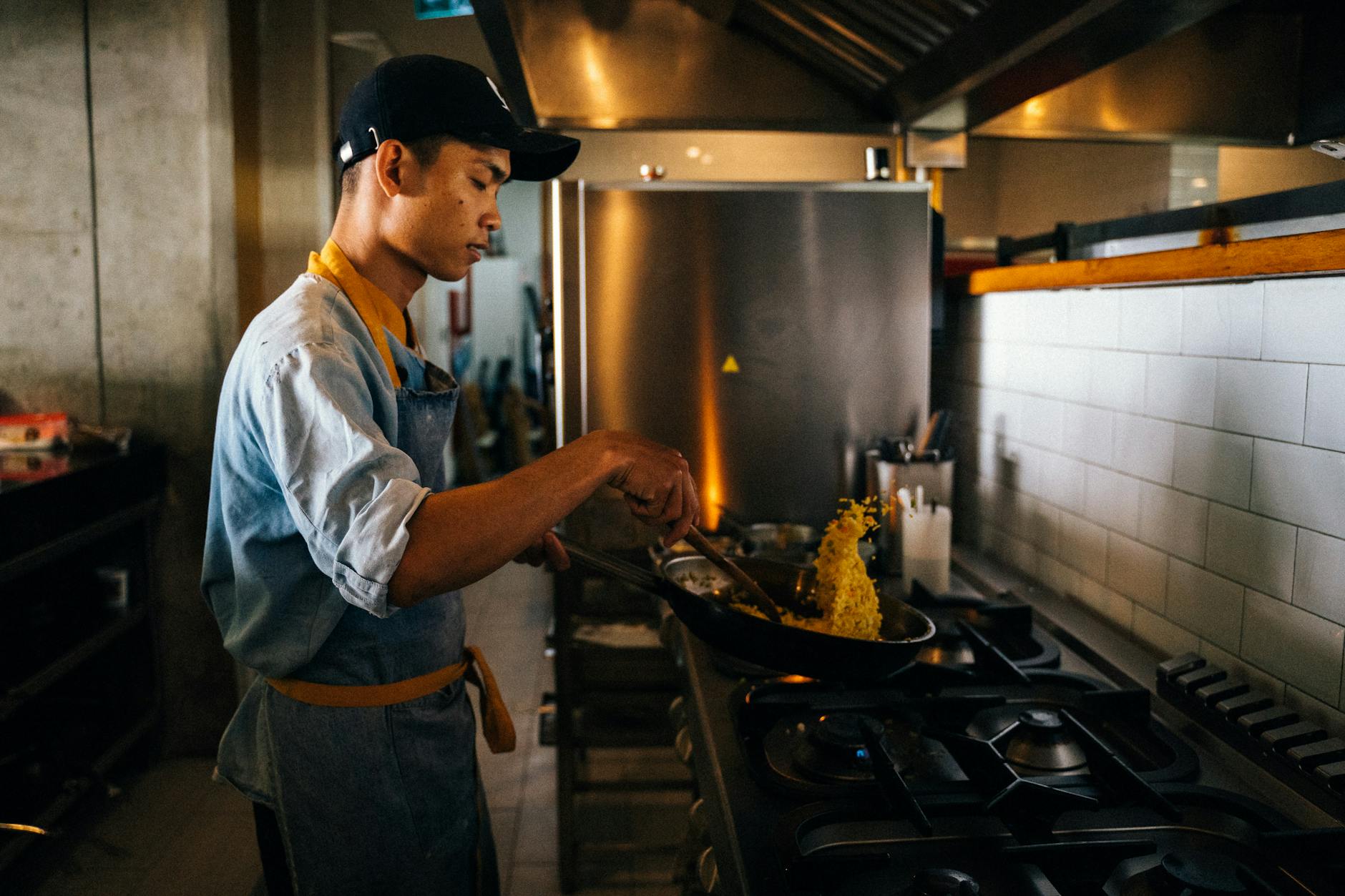
The key is matching the cognitive demand to your current ability level. Someone returning to cooking after years away might gain significant cognitive benefit from a moderately challenging recipe—say, a stir-fry with homemade sauce where they’re learning knife skills and timing multiple components. Someone already comfortable in the kitchen might need to pursue recipes from cuisines they’ve never cooked before, or techniques they’ve never attempted, to maintain the novelty and challenge. The tradeoff is between consistency (doing it every week) and cognitive demand (how challenging the task is). A less demanding recipe done reliably is likely better than an ambitious plan abandoned after three weeks.
Potential Barriers and What Research Cannot Yet Explain
One significant limitation is that cooking involves physical demands—standing for extended periods, managing heat and steam, handling sharp tools—that not all older adults can safely manage. Someone with balance problems or hand tremors might face real safety risks that offset any cognitive benefits. The research on cooking and cognition has not yet adequately addressed these safety factors or identified modifications that preserve cognitive benefit while reducing physical risk. Additionally, the stress of struggling with physical limitations during cooking can generate negative emotions that may actually work against the protective effect.
Another gap: we don’t know if cooking one meal weekly is sufficient, or if this is simply a threshold below which most people gain minimal benefit. Daily or several-times-weekly cooking might offer greater protection, but the research baseline for comparison is limited. Social isolation is a major risk factor for cognitive decline, and some of the benefit associated with cooking may actually come from eating with others rather than from the cooking activity itself. Someone preparing a meal they’ll share with family gains both the cognitive engagement and the social connection, while someone cooking alone in isolation gets only the cognitive component.

Cooking as Part of a Broader Brain Health Strategy
Cooking should not be viewed as a standalone dementia prevention tool but rather as one component within a broader approach to brain health. The strongest evidence for dementia prevention involves multiple concurrent strategies: regular physical exercise (particularly aerobic exercise), cognitive stimulation through varied activities, strong social connections, quality sleep, management of cardiovascular risk factors like high blood pressure and diabetes, and a healthy diet. Cooking one meal weekly provides cognitive stimulation and potentially encourages better nutrition if that meal is whole-food based, but it does not address exercise, blood pressure management, or sleep quality.
Someone who cooks one healthy meal per week but remains sedentary, isolated, and poorly sleeping is unlikely to see significant dementia prevention benefits. Conversely, someone who combines weekly cooking with a regular walking routine, time spent with grandchildren, treatment of high blood pressure, and consistent sleep has stacked multiple protective factors. Think of cooking as one piece of a larger puzzle rather than a complete solution.
The Emerging Future of Cooking and Cognitive Health Research
As the aging population grows and dementia prevention becomes increasingly important, researchers are beginning to investigate cooking interventions more directly. Some researchers are exploring whether structured cooking classes for older adults might offer more targeted cognitive benefits than informal home cooking, potentially because the class setting adds social engagement and structured learning. Others are examining whether cooking with purpose—preparing meals to share or donate—might amplify the cognitive and emotional benefits beyond solo cooking.
The field is moving toward understanding not just whether cooking helps, but which types of cooking, at what frequency, for which populations, produce measurable benefits. Future studies may identify optimal cooking complexity levels, ideal frequency, and which cognitive outcomes (memory, processing speed, executive function) show the greatest improvements. This precision will help people make more informed decisions about whether cooking is the best use of their limited time and energy for dementia prevention.
Conclusion
Cooking one meal a week can contribute to dementia risk reduction, but only if that cooking genuinely engages the brain through novelty, complexity, and multi-sensory involvement. The benefit is real but modest, and it should be understood as one protective factor among many rather than a standalone solution. Whether this modest frequency provides sufficient protection depends on your age, genetic risk, overall health status, and what else you’re doing to support brain health.
If you already enjoy cooking and find it accessible, weekly cooking with an emphasis on learning new skills or recipes is a reasonable addition to a brain-healthy lifestyle. If cooking feels burdensome or physically risky, the time and effort might better serve your cognitive health through other activities you find more engaging or sustainable—whether that’s learning an instrument, engaging in social activities, or regular exercise. The best dementia prevention strategy is one you’ll actually maintain consistently over years, not one that looks good on paper but becomes another source of stress.