Reviewed by the Help Dementia Editorial Team — our editors review every article for accuracy against guidance from the National Institute on Aging, the Alzheimer’s Association, and peer-reviewed sources.
Cooking at home matters far beyond the ingredients that go into a meal. When you prepare food in your own kitchen, you engage your brain in complex problem-solving, activate multiple sensory systems, and create opportunities for meaningful social connection—all of which research shows contribute directly to cognitive health, emotional wellbeing, and overall quality of life. For someone concerned about brain health or dementia prevention, the act of cooking itself becomes a form of active engagement that touches every dimension of what keeps us mentally sharp and emotionally resilient.
The benefits extend into unexpected territory. A 2025-2026 study found that 71% of Americans report cooking is more stress-relieving than stressful, with over half citing creativity as the primary reason they enjoy the process. Beyond stress relief, home cooking connects to measurable improvements in physical health—people who cook regularly show a 28% lower likelihood of elevated BMI and a 24% reduction in excessive body fat compared to those who rely on restaurant meals. But the real value lies deeper: in the purposefulness of the act itself, the sensory engagement it demands, and the way it anchors us to meaningful routines that protect both mind and body.
Table of Contents
- How Home Cooking Engages Your Brain in Ways Restaurant Meals Cannot
- The Physical Health Foundation That Protects Brain Function
- Social Connection and Shared Purpose Transform Cooking Into Brain Medicine
- Financial Resilience as a Form of Psychological Security
- Environmental Awareness as a Driver of Purposeful Living
- Sensory Richness and the Activation of Memory Systems
- The Future of Home Cooking as a Health and Lifestyle Priority
- Conclusion
How Home Cooking Engages Your Brain in Ways Restaurant Meals Cannot
When you cook, your brain activates in ways that eating prepared food simply cannot replicate. You’re reading instructions, adjusting recipes based on what you have on hand, estimating portions, managing multiple tasks simultaneously, and making real-time decisions about heat, timing, and technique. This constant problem-solving and multitasking keeps executive function—the cognitive abilities that decline earliest in dementia—actively engaged and challenged. The creativity involved in home cooking offers additional cognitive protection. When you decide what to cook, consider dietary needs, gather ingredients, and adapt recipes on the fly, you’re exercising the same neural pathways involved in planning, imagination, and flexible thinking.
A Psychology Today analysis found that 58% of people who cook cite creativity as a major source of stress relief, suggesting that the freedom to make choices and improvise is itself therapeutic. For older adults particularly, this kind of self-directed activity preserves agency and autonomy—both critical for maintaining cognitive vitality and emotional health. The sensory engagement of cooking deserves special attention. Touching vegetables, smelling spices simmering, listening to the sizzle of a pan—these sensory experiences activate the brain’s sensory cortex and connect directly to memory. Research shows that 41% of people specifically enjoy the sensory aspects of cooking, yet this benefit is often overlooked. For people at risk for cognitive decline, regular sensory engagement through cooking may help maintain the neural connections that support memory and spatial awareness.

The Physical Health Foundation That Protects Brain Function
The physical health improvements linked to home cooking are not incidental—they form the foundation upon which brain health rests. When you cook at home, you have complete control over salt content, sugar levels, and the quality of fats used in your food. People who prepare their own meals regularly show a 28% decrease in the likelihood of having elevated BMI and a 24% decrease in excessive body fat, according to the American Institute for Cancer Research. These statistics matter because obesity is an established risk factor for cognitive decline and dementia; maintaining a healthy weight through home-cooked meals is one of the most direct ways to protect your brain. The nutritional quality of food prepared at home typically far exceeds that of restaurant meals, many of which are designed to maximize palatability through added fats, sodium, and sugar rather than nutritional density. When you control what goes into your food, you’re more likely to include the vegetables, whole grains, and healthy proteins that support long-term brain health.
However, there’s a limitation worth acknowledging: cooking skill and knowledge matter. Someone who cooks at home but relies primarily on processed ingredients and high-salt prepared foods may gain some cognitive benefits from the activity itself, but not the full nutritional advantage. The best outcome combines both the cognitive engagement of cooking with the selection of whole, nutrient-dense ingredients. The relationship between what we eat and how our brains function is now well-established. The Mediterranean diet, for example, has been linked to lower rates of cognitive decline. Home cooking allows you to adopt and sustain such diets in a way that restaurant eating simply cannot support, because you’re building sustainable habits rather than making occasional healthy choices.
Social Connection and Shared Purpose Transform Cooking Into Brain Medicine
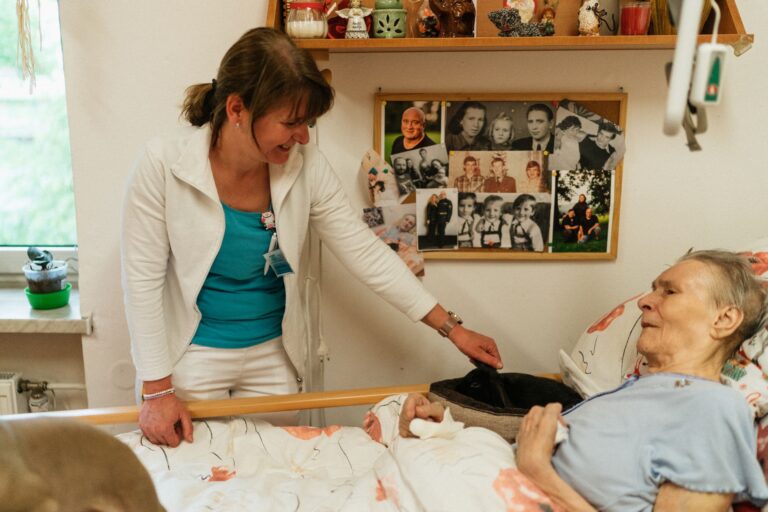
One of the most underestimated benefits of home cooking is its social dimension. Americans report that 83% believe eating with others is better for mental health than eating alone—a statistic that becomes even more powerful when you consider that the preparation itself can be a shared activity. When family members, friends, or caregivers cook together, the experience creates multiple layers of cognitive and emotional benefit: collaborative problem-solving, shared responsibility, conversation, and the warmth of creating something nourishing together. For people in the early stages of cognitive decline or those supporting a parent or spouse through dementia, cooking together offers something that no commercial meal delivery can match: purposefulness, dignity, and connection. An older adult who continues to participate in meal preparation—even in a modified way—maintains a role in family life and a sense of contribution.
They’re not simply being cared for; they’re participating in an activity that matters. Research consistently shows that maintaining purposeful engagement and social connection is one of the most powerful protective factors against cognitive decline. The limitation here is practical: not everyone has the physical ability or cognitive capacity to cook safely, and not everyone has family members available to cook with them. In these cases, the goal becomes finding other ways to create that social connection around food—perhaps attending a community cooking class, joining a meal-sharing group, or participating in meal preparation in whatever capacity is possible. The key is maintaining some active engagement, even if modified.

Financial Resilience as a Form of Psychological Security
The financial case for home cooking is compelling and often underestimated in its psychological benefits. People who cook more dinners at home save approximately $2 per day compared to those who dine out frequently. For families currently spending $200 weekly on restaurant meals, cutting that in half and cooking at home could save over $5,000 annually. Beyond the direct savings, there’s a psychological benefit to financial security: the knowledge that you’re building household resilience and not hemorrhaging money to convenience creates a sense of control and stability that itself protects mental health. The average American family throws away $1,600 worth of food annually, often because purchased ingredients go unused before spoiling.
When you cook at home regularly, you become more intentional about what you buy and more likely to use what you have, creating a virtuous cycle of both financial and environmental responsibility. For older adults on fixed incomes, the ability to stretch food dollars through home cooking can mean the difference between adequacy and scarcity. The security of knowing you can prepare affordable, nourishing meals is not a trivial psychological benefit; it contributes to overall wellbeing and reduces the stress that comes with financial anxiety. That said, the upfront investment in cooking—buying kitchen equipment, learning techniques, spending time on preparation—is a real cost, particularly for people with limited mobility or cognitive capacity. The financial benefits of home cooking assume a baseline level of kitchen access and ability. For people living in food deserts or those with severe physical limitations, the financial advantage may not outweigh the practical barriers.
Environmental Awareness as a Driver of Purposeful Living
The scale of food waste in the United States is staggering: Americans discard nearly 60 million tons of food annually, representing 40% of the entire food supply, or 325 pounds per person. That wasted food generates greenhouse gases accounting for approximately 11% of the world’s emissions. When you become aware of these numbers—really aware—cooking at home becomes more than a practical choice; it becomes an expression of values and stewardship. For many people, particularly as they age, contributing positively to the world becomes increasingly important. Home cooking allows you to reduce your personal environmental footprint in a tangible, daily way. You’re not throwing away packaging from takeout containers.
You’re using vegetables before they spoil. You’re participating in the growing 2026 trend toward zero-waste kitchens, where people rethink food buying, storage, and reuse. This sense of purposeful action—doing something that matters for the environment—has psychological benefits that shouldn’t be minimized. Studies consistently show that people who feel they’re contributing to causes larger than themselves report greater life satisfaction and mental wellbeing. The warning here is against perfectionism: the zero-waste ideal can become paralyzing if you view any food waste as personal failure. The goal is progress and awareness, not perfection. Even modest reductions in household food waste contribute to both personal financial wellbeing and environmental impact.

Sensory Richness and the Activation of Memory Systems
The sensory dimension of cooking—touching ingredients, smelling spices, tasting as you cook, hearing the sounds of preparation—activates neural systems directly connected to memory formation and retrieval. When you smell garlic sautéing in olive oil, you’re not just perceiving a smell; your olfactory system is activating neural networks associated with memory, emotion, and time. Many people have powerful memories tied to cooking: the way their grandmother made soup, the smell of a particular spice, the texture of kneading dough.
This sensory-memory connection is not sentimental—it’s neurological. For people concerned about cognitive health, regular engagement with cooking’s sensory richness provides ongoing stimulation to these memory systems. Even people with significant cognitive decline often retain the ability to engage with sensory experiences and can participate in cooking in ways that honor both their abilities and their history. A person in moderate stages of dementia may not remember the recipe, but they may remember the feeling of rolling cookie dough or the smell of cinnamon, and that engagement still provides cognitive and emotional value.
The Future of Home Cooking as a Health and Lifestyle Priority
The trend is unmistakable: 93% of Americans plan to maintain or increase their home cooking in the next 12 months, with both economic considerations (85%) and health concerns (81%) driving this shift. This is not a temporary response to economic conditions; it represents a fundamental reorientation toward self-directed wellness and household resilience. The emerging zero-waste kitchen movement of 2026 reflects growing awareness that how we eat connects to our health, our finances, and our environmental impact simultaneously.
For anyone concerned about cognitive health and dementia prevention, this cultural shift toward home cooking aligns perfectly with what neuroscience tells us about brain protection. The activities that keep our brains healthy—creative problem-solving, sensory engagement, social connection, purposeful action, physical activity in preparation, learning—are all embedded in the practice of home cooking. As more people recognize cooking not as a chore but as a form of active brain engagement and self-care, the barriers to regular cooking begin to lower. Communities are developing more cooking classes for older adults, more resources for adaptive cooking techniques, and more recognition that cooking is not a luxury activity reserved for those with unlimited time, but a health practice worth prioritizing.
Conclusion
Home cooking matters beyond ingredients because it engages the whole person—mind, body, senses, emotions, and values—in a way that few other daily activities do. The financial benefits, physical health improvements, and environmental impact are all real and measurable. But the deepest value lies in what cooking does to your brain: it keeps you engaged, purposeful, connected, and actively involved in protecting your own wellbeing. For people concerned about cognitive decline or dementia risk, cooking represents one of the most accessible, evidence-supported, and meaningful interventions available.
The question is not whether you should cook at home, but how to integrate cooking into your life in whatever way works for your circumstances and abilities. If you can cook, do it regularly—not perfectly, but consistently. If you have physical or cognitive limitations that affect cooking, seek out ways to participate in meal preparation even in modified forms. And if you’re supporting someone else through cognitive changes, consider cooking together as a form of engagement that honors both of your needs. In every case, the investment in home cooking is an investment in your brain, your health, and your quality of life.