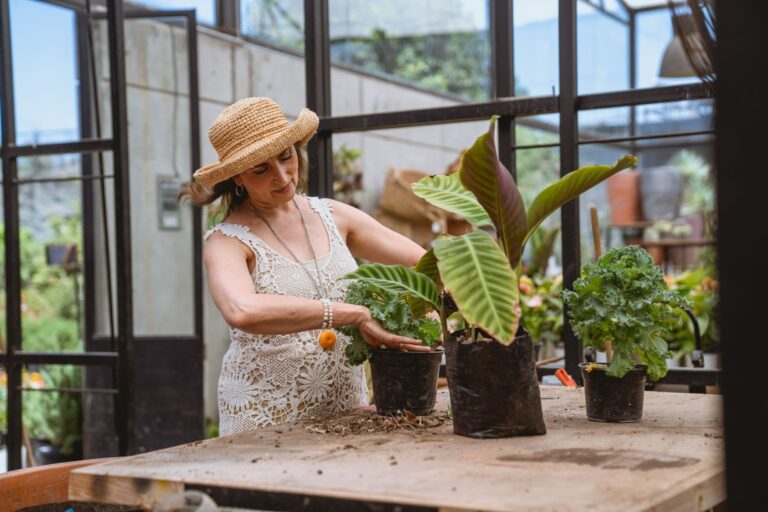
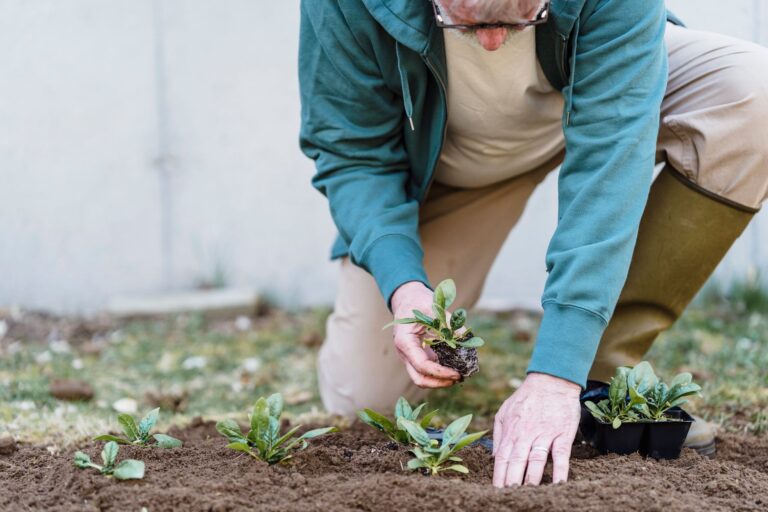
A low-energy indoor gardening day is a short, seated activity with one small pot, soil, water, and touch-based tasks. It fits tired days because each step uses the senses and needs no memory or complex thinking.
Horticultural contact here means hands-on time with indoor plants, not yard work. Keep the person seated, the materials contained, and the choices simple. Pre-fill soil, limit tools, and allow rest between small actions.
Medical information disclaimer: This article is for general educational purposes only and does not provide medical advice, diagnosis, or treatment. Always consult a physician or other qualified health professional about symptoms, medications, tests, or treatment decisions.
Table of Contents
- Set up a calm seated space
- What small steps keep effort low?
- Which plants are safest for the table?
- How much light and what pot do indoor herbs need?
- What can garden time add to usual care?
Set up a calm seated space
Sit side by side at a clear table with room for both people. Place a cafeteria-style tray under all soil and materials to catch spills. The seated gardening activity guide from the Alzheimer's Foundation of America recommends small cups for moving soil, no sharp tools, and only plants without skin irritation.
Remove clutter, cleaners, and extra pots before you start. Keep water in a small, stable cup. Stay seated for the whole session and pause when attention fades.
What small steps keep effort low?
Choose one or two sensory tasks, not a full planting project. South Mountain Memory Care describes suitable low-demand tasks in its sensory gardening activity list as touching soil and leaves, watering, smelling flowers, and arranging flowers indoors. These actions invite participation through the senses without requiring intact memory or complex thinking.
The Center for Health Design research summary describes a pilot indoor-gardening protocol with one-hour sessions of planting beans, watering, touching plants, emptying and cleaning containers, harvesting, cutting, and washing. That pilot reported improved sleep, agitation, and cognition in mild-to-moderate dementia. For a low-energy day, use only the briefest parts and stop early.
- Touch dry and damp soil in a cup
- Pat soil around a starter plant
- Water with a small cup
- Smell flowers or crushed thyme
- Arrange cut flowers in a cup
Which plants are safest for the table?
Use only non-poisonous, non-irritating, thornless plants. The pet-safe indoor plant list from the University of Wisconsin School of Veterinary Medicine names spider plant, Boston fern, African violet, orchids, Christmas cactus, parsley, thyme, oats, and catnip as safer indoor options.
Avoid thorny stems, sap that irritates skin, and berries or leaves meant for eating only in food amounts. If skin looks red, remove that plant. When in doubt, use African violet or spider plant for touch and smell.
How much light and what pot do indoor herbs need?
Light is the main indoor limit. Iowa State University Extension Yard and Garden reports that herbs such as parsley, mint, chives, basil, oregano, cilantro, and thyme tolerate indoor conditions best with about eight hours of direct sun in a south-, east-, or west-facing window, correctly sized drained containers, and soil allowed to dry between waterings.
University of Illinois Extension recommends a practical winter setup with one small pot, pre-filled mix, drainage holes and potting mix, supplemental fluorescent or grow lights about 14-16 hours daily in winter, and short seated activity with rest. Place the pot near the window before the session. Let the person touch, smell, or water while you handle lifting and cleanup.
What can garden time add to usual care?
A six-month dementia-friendly therapy-garden pilot tested psychological well-being and depression. The PMC and Journal of Neural Transmission pilot study from 2025 supports gardens and horticultural contact as a promising adjunct alongside usual dementia care rather than a standalone cure.
Treat the activity as comfort and engagement, not treatment. Watch for fatigue, cold hands from damp soil, or loss of interest. End with hand washing and a clear table.