Reviewed by the Help Dementia Editorial Team — our editors review every article for accuracy against guidance from the National Institute on Aging, the Alzheimer’s Association, and peer-reviewed sources.
Connection matters more than perfect memory because relationships are built on emotional presence and continuity of care, not on recalling specific events or facts. A person living with dementia may forget yesterday’s conversation with a loved one, yet still feel the warmth, safety, and love that person brings into the room. When someone with dementia doesn’t remember that their son visited yesterday, but they light up when he walks in today—that moment of connection is what’s real and what sustains them.
Memory loss is painful for everyone involved, but research consistently shows that people with dementia maintain better quality of life, fewer behavioral challenges, and greater emotional resilience when they have strong, consistent relationships around them. The fear that dementia will erase a lifetime of connection often overshadows what actually happens: the relationship transforms rather than vanishes. A wife may no longer recall 40 years of shared history with her husband, but she may still trust him completely, find comfort in his presence, and respond to his kindness in the moment. This shift is disorienting for caregivers who grieve the loss of shared memory, but it points to a profound truth: the bonds we share are anchored in something deeper than facts and dates.
Table of Contents
- How Does Connection Shift When Memory Fades?
- Why Does Emotional Memory Persist While Factual Memory Fades?
- How Do Relationships Provide Practical Benefits Beyond Emotional Comfort?
- What Does Maintaining Connection Look Like in Practice?
- What Are Common Challenges in Maintaining Connection?
- How Does Connection Change the Experience of Dementia?
- Reframing Memory Loss as a Chance to Rebuild Connection
- Conclusion
How Does Connection Shift When Memory Fades?
Connection in the context of dementia becomes less about shared history and more about present-moment awareness. When someone no longer remembers the context of a relationship, they rely entirely on how they feel in the interaction itself. This is why tone, touch, and consistency become magnified in importance. A caregiver’s calm presence—their steady voice, patient demeanor, and physical affection—communicates safety to someone whose memory cannot fill in the blanks. Consider a grandfather with mid-stage Alzheimer’s who doesn’t remember his grandchildren’s names or ages.
But when his granddaughter takes his hand and speaks to him gently, he responds with a smile and holds her hand back. He may ask her name multiple times during a single visit, but his recognition and connection to her kindness never wavers. The relationship continues through the present moment rather than through accumulated memory. This shift also means that caregivers can’t rely on saying “Remember when…” to anchor conversations. Instead, activities, routines, and familiar people become the language through which connection happens. A regular weekly visit at the same time, the same songs played together, or the same walk through a familiar place creates a sense of rhythm and belonging that doesn’t depend on remembering the last conversation.

Why Does Emotional Memory Persist While Factual Memory Fades?
The brain regions that store facts and events are often damaged in dementia, but the limbic system—which processes emotion and creates feelings of attachment—can remain remarkably intact for much longer. This is why someone with advanced dementia may have no memory of events, but their emotional response to a beloved person remains strong and immediate. They may not recall why they feel safe with someone, but they feel it. This phenomenon has important implications for how caregivers approach their role. If you’re explaining something factually—”Your wife called yesterday and said she’d visit today”—but the person doesn’t retain the information, it may feel futile. However, if you sit beside them with genuine warmth and comfort, you’re communicating directly to the part of their brain that still works.
The limitation here is that caregivers sometimes underestimate this emotional connection because they can see the memory loss so clearly. They may withdraw or reduce visits thinking “He won’t remember I was here anyway,” which is precisely when the person needs that emotional presence most. Research on dementia and attachment shows that individuals with memory loss often maintain secure or insecure attachment styles toward their caregivers. The person who always felt secure in a relationship continues to feel secure. The person whose caregiver is tense or frustrated may pick up on that emotional climate and become agitated, even without remembering why. This is a powerful reminder that how we show up matters profoundly.
How Do Relationships Provide Practical Benefits Beyond Emotional Comfort?
People with dementia who maintain strong social connections experience measurable health benefits. They have fewer behavioral challenges like aggression or wandering, lower rates of depression and anxiety, better appetite and sleep, and sometimes even slowed cognitive decline. The benefits of connection are not merely psychological—they have biological effects on the brain and body. Social isolation, by contrast, accelerates decline in people with dementia. When someone spends most of their time alone or with people who feel obligated rather than genuinely present, their behavior often deteriorates.
Agitation, aggression, and withdrawal increase. This is not because the person is more forgetful in isolation—it’s because the absence of connection amplifies the distress and disorientation that comes with memory loss. A person who feels alone in a room full of strangers (including family members they don’t recognize) is experiencing a different kind of suffering than someone who feels known and safe. One specific example is the impact of consistent visiting. A study of nursing home residents showed that those who received regular visits had better moods, fewer complaints of pain, and less need for sedating medications compared to those with infrequent visitors. The visitor’s presence didn’t need to do anything special—simply being there reliably reduced distress in people who had no memory of the visit the day before.

What Does Maintaining Connection Look Like in Practice?
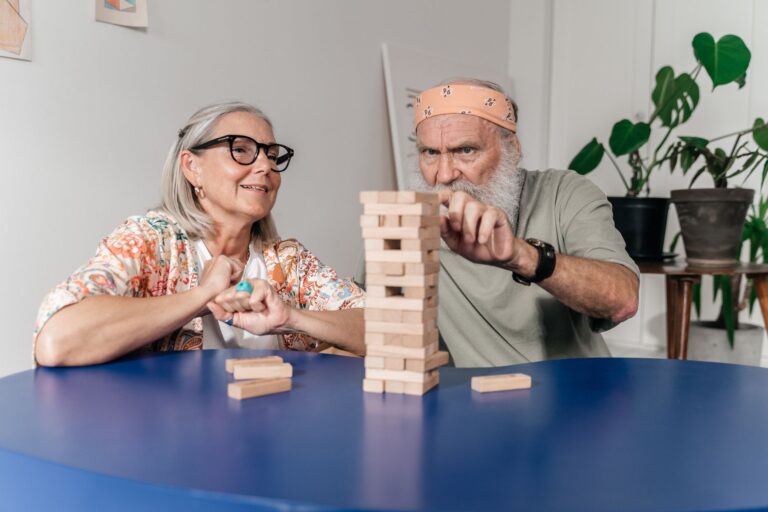
Maintaining connection when someone has dementia requires adapting how you communicate rather than what you communicate. Instead of trying to build conversations around memory—”Do you remember when?”—caregivers can anchor interactions in the present and in activities. Holding hands, sitting together, listening to music, working on a simple puzzle, or taking a walk all create connection without requiring memory. Consistency matters enormously. A caregiver who visits at unpredictable times or who is tense and distracted will likely see more behavioral problems than one who visits at the same time each week with genuine presence. The person may not consciously remember the pattern, but their nervous system recognizes it.
Familiar routines become comforting in a way that novel experiences often aren’t. The tradeoff is that this requires more of the caregiver—showing up regularly and emotionally present is harder than showing up sporadically or while multitasking. Some practical approaches include bringing simple activities: a comfortable chair and conversation without pressure to remember, favorite foods or drinks, music from their younger years, or tactile activities like sorting objects or folding fabric. The goal isn’t to stimulate memory but to create moments of ease and connection. Some people find that validation rather than correction works better. If someone insists they need to go home to care for their children, arguing about whether those children are grown or deceased causes distress. Instead, acknowledging their feelings—”You care deeply about your children”—maintains connection while avoiding painful correction.
What Are Common Challenges in Maintaining Connection?
One of the biggest challenges is grief. Caregivers are often mourning the loss of the person they knew while still caring for the person in front of them. This grief can create emotional distance or resentment, which the person with dementia will sense even if they can’t articulate it. A caregiver might withdraw because the person won’t remember the visit, or express frustration when asked the same question for the hundredth time, and the person with dementia picks up on that frustration and becomes distressed or withdrawn. Another challenge is the sheer time and energy that maintaining presence requires. Unlike memory, which requires the brain to work, presence requires showing up—physically, emotionally, and attentionally.
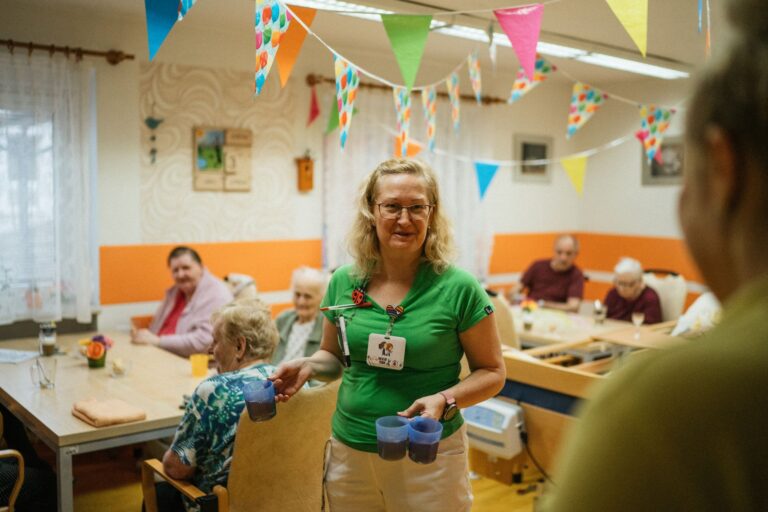
This is exhausting, especially for family caregivers who are also managing medical appointments, medications, behavioral challenges, and the stress of watching someone decline. Warning: caregivers who don’t get breaks, support, or respite often experience depression and burnout, which directly undermines their ability to maintain the warm, consistent presence that helps the person with dementia. There’s also a practical limitation in institutional settings. Nursing homes and assisted living facilities often don’t have the staffing to provide the level of consistent, one-to-one attention that connection requires. A person may spend most of their day with busy staff members who are kind but necessarily fragmented in their attention. Families often need to supplement this by visiting regularly and building relationships with staff, or by hiring private caregivers if resources allow. The gap between what people with dementia need—consistent, warm presence—and what many care settings can provide is a systemic problem that creates suffering.

How Does Connection Change the Experience of Dementia?
For people with dementia, a strong social connection can literally change their experience moment to moment. Someone who is confused and frightened by their surroundings may be instantly calmed by a familiar, caring person. The person may not remember the caregiver’s name or their relationship, but they recognize safety in that presence. This moment-to-moment smoothing of distress is not a small thing—it’s a primary driver of quality of life.
Relationships also provide advocacy and interpretation. A person with dementia may have difficulties expressing their needs—they might be in pain or discomfort but lack the words to communicate it. A devoted caregiver who knows them well can often recognize what’s needed: a change in position, a glass of water, or simply a few minutes of quiet company. Strangers or less-involved caregivers may miss these signals, leading to unmet needs and increased agitation. The presence of someone who knows and advocates for them is a form of protection.
Reframing Memory Loss as a Chance to Rebuild Connection
Some people find that dementia, as devastating as it is, creates an unexpected opportunity. With the pressure of shared history removed, some relationships become simpler and sometimes more present. A daughter might find that her father, who was always critical or distant, is now warm and accepting toward her. The patterns of their long history don’t get replayed; instead, she’s simply with him in the moment.
This is not to romanticize dementia—it causes real suffering—but to acknowledge that the removal of memory sometimes removes old relational patterns as well. The future of dementia care increasingly recognizes connection as a core therapeutic intervention, not a nice-to-have supplement to medical management. Advances in understanding the brain show that relationships actually affect cellular function, inflammation, and resilience. As society grapples with rising dementia rates, the focus is shifting from trying to preserve or restore memory toward creating environments and practices that prioritize connection—understanding that this is where the real healing happens.
Conclusion
Connection matters more than perfect memory because it addresses what’s actually lost in dementia and what actually heals it. Memory is one thread in the fabric of a relationship, but it’s not the only one—and in the context of cognitive decline, it’s often not even the most important one. What matters is that a person feels known, safe, valued, and cared for in each moment they’re alive.
This is achievable even when memory fails entirely. If you’re a caregiver or family member watching someone you love experience memory loss, prioritize presence over explanation, consistency over perfection, and emotional connection over factual correction. Show up, hold their hand, listen to their feelings, and accept the relationship as it is now rather than grieving only what it was. These acts are not consolation prizes in the face of memory loss—they are the real work of love and care, and they matter more than either of you might know.