Reviewed by the Help Dementia Editorial Team — our editors review every article for accuracy against guidance from the National Institute on Aging, the Alzheimer’s Association, and peer-reviewed sources.
Meaningful moments don’t disappear when memory loss arrives—they transform. Someone with dementia may not remember a conversation five minutes after it ends, but the warmth of connection, the feeling of being understood, or the comfort of a familiar voice often remains intact. This fundamental truth reshapes how we think about living well with memory loss. Rather than measuring moments by whether they’ll be remembered later, we can appreciate them for how they feel in the present, for the emotional imprint they leave, and for how they strengthen the bonds between the person experiencing memory loss and those who care for them.
A person with early-stage Alzheimer’s disease might not recall that their spouse visited yesterday, but they may light up when that spouse walks through the door, responding to the genuine affection in an embrace or the comfort in a familiar touch. This isn’t a failure of the moment—it’s evidence that something deeply human transcends the mechanics of memory. The moment itself still happens. The person still experiences connection, joy, or peace in that instant, even if the narrative thread gets lost afterward.
Table of Contents
- What Happens to Memories and Connections During Memory Loss?
- Emotional and Sensory Memories: What Persists When Facts Fade
- Recognition, Reassurance, and the Present Moment
- Practical Ways to Create and Sustain Meaningful Moments
- The Challenge of Unmet Expectations and Changed Roles
- The Ripple Effect on Family and Caregivers
- The Long View and Life Quality Over Narrative Continuity
- Conclusion
What Happens to Memories and Connections During Memory Loss?
Memory loss in dementia follows patterns, but those patterns vary widely. Early-stage memory loss typically affects recent events first—someone might forget conversations or appointments from the past week while remaining anchored in memories from decades earlier. But memory isn’t a single filing system. Emotional memory, sensory memory, and procedural memory (how to do things) often remain relatively intact even when factual memory deteriorates. This means a person with advanced dementia might not know who you are by name, but they might recognize the way you make them feel.
The distinction matters because it changes how we interpret connection during memory loss. When a person with dementia smiles at a familiar voice or reaches for a loved one’s hand, something real is happening. Their brain is registering safety, recognition at a deeper level than names and dates. Research in neuroscience shows that areas of the brain associated with emotion and attachment can maintain function longer than areas responsible for forming new memories or retrieving specific facts. A person living with memory loss isn’t locked out of meaningful experience—they’re experiencing it differently.

Emotional and Sensory Memories: What Persists When Facts Fade
One of the most striking aspects of memory loss is what doesn’t disappear: the feeling-tone of relationships. Someone with moderate to advanced dementia may not remember their children’s names but will often recognize a child by how their presence feels—safe, loving, frustrating, or distant. Music, scents, textures, and tastes can trigger vivid memories or emotions even when recent conversations are forgotten minutes later. A familiar song might transport someone to a moment from their past, or the smell of coffee might evoke comfort without the person being able to explain why. This persistence of emotional memory is both powerful and sometimes painful.
A limitation to understand: emotional memory can work in both directions. Negative interactions—harsh tones, frustration, or disrespect—can leave an emotional residue that outlasts the actual memory of what happened. A person may not remember an argument but may feel upset around the person they argued with, picking up on something their brain registered as unsafe or unkind. This underscores why the quality of daily interactions matters so much when facts and events fade from recall. Sensory approaches to connection—music therapy, reminiscence involving objects from someone’s past, activities involving texture and scent—are effective precisely because they bypass the damaged pathways of declarative memory and speak directly to these more robust forms of experience. A caregiver who brings a loved one’s favorite flower or plays their favorite era of music is creating a meaningful moment, not in spite of the memory loss, but in a way that acknowledges the particular shape of that loss.
Recognition, Reassurance, and the Present Moment
Recognition during memory loss isn’t always the clear, bright certainty we associate with the word “recognize.” It exists on a spectrum. Someone might have a sense of familiarity with a face but not place it. They might feel at ease in the presence of a particular person without being able to say why. And sometimes, there’s no conscious recognition at all, just a feeling of being cared for or attended to—which is itself a meaningful form of connection. A woman with advanced dementia was visited regularly by her son, whom she never explicitly recognized over the course of six months. But she consistently looked forward to the visits.
He would sit quietly with her, hold her hand, and they would watch birds at the window together. She didn’t narrate their relationship or recall past events with him, but there was something in his presence that registered as safe and good. The meaningful moment wasn’t about remembering their history together—it was about being fully present with each other in the only time that exists for her: now. This reorientation toward the present is perhaps the deepest shift in how meaningful moments work during memory loss. Caregivers and family members often grieve the loss of shared history and future planning—two things that require memory to construct. But in that same loss is an unexpected gift: the possibility of being genuinely present in a way our normal, memory-driven consciousness doesn’t naturally allow. In the moment, without reference to past or future, connection between people becomes simpler and sometimes deeper.
Practical Ways to Create and Sustain Meaningful Moments
Creating meaningful moments with someone experiencing memory loss requires adjusting expectations and methods, not abandoning meaning altogether. This means letting go of activities that depend on memory—reminiscing about events the person won’t recall, for instance—and leaning into approaches that create meaning in the present moment. Sitting together quietly, hand-holding, simple activities that involve the senses, and genuine emotional presence become the primary languages of connection. One comparison that helps: imagine you’re spending time with someone who speaks a different language. You wouldn’t say the friendship is meaningless because you can’t discuss abstract ideas. You’d find ways to communicate through gesture, smile, shared experience, and tone of voice.
Similarly, when someone’s memory language is compromised, we adapt to languages that remain—emotion, sensation, rhythm, and presence. Sitting together during a meal, taking a gentle walk, listening to music, or simply holding hands—these are not consolation prizes when conversation fails. They are direct channels of connection. A practical limitation to acknowledge: sustaining these meaningful moments takes consistent presence and intentionality. A family member who visits regularly will find far more connection than one who visits sporadically, even if the person with memory loss can’t remember the previous visits. The continuity and reliability of presence become the things that register, even when the memory of individual moments doesn’t.
The Challenge of Unmet Expectations and Changed Roles
One of the hardest aspects of memory loss is navigating the gap between how relationships used to work and how they work now. Adult children lose the parent they could talk to; spouses lose conversational partnership. The person with memory loss may lose their sense of independence and purpose. These losses are real and deserve acknowledgment. A warning here: if caregivers don’t allow themselves to grieve these changes, they may fall into patterns of subtly (or not so subtly) expressing frustration or disappointment, which people with dementia pick up on emotionally. The paradox is that while the old way of being together is gone, a different kind of moment becomes possible. Someone who was always busy and achievement-focused might, through the necessity of slowing down with dementia, experience more moments of simple contentment than they ever allowed themselves before.
A relationship that was strained by unresolved conflict might, in a strange way, reset toward gentleness. These aren’t replacements for what was lost, but they’re real shifts in how daily moments feel and what they contain. A limitation worth understanding: some moments will be harder than they used to be. The person may experience frustration, confusion, or agitation that makes connection feel difficult. Not every moment is meaningful; some are difficult and painful for everyone involved. Acknowledging this reality is important. Meaningful moments don’t erase the hard ones, but they can exist alongside them. The goal isn’t to feel happy all the time but to find pockets of genuine connection and ease within a complex reality.

The Ripple Effect on Family and Caregivers
How families respond to memory loss shapes the quality of moments available to everyone. When family members can let go of resentment about being forgotten—the pain of not being remembered—they often find themselves more present. Caregivers who shift from trying to correct or remind someone with dementia toward accepting and entering their reality often report finding unexpected moments of peace and even humor.
A real example: a daughter whose mother no longer recognized her found herself lying in bed with her mother one morning, looking out the window together, and her mother said something funny that made them both laugh. Her mother forgot the joke as soon as she said it, which meant the daughter got to find it fresh and funny again each time she visited. What could have been only loss became a kind of lightness. It’s not a happy ending that erases the grief of losing her mother’s memory; it’s a way of being together that exists despite and alongside that loss.
The Long View and Life Quality Over Narrative Continuity
As dementia progresses, the traditional markers of a meaningful life—remembering milestones, accumulating experiences, building a coherent personal narrative—become less relevant. What remains as the essential measure is life quality in the present moment. Is the person comfortable? Do they experience connection? Are there moments of peace, of being understood, of receiving care and affection? These become the questions that matter. This shift invites a different kind of wisdom about what makes a life meaningful.
Cultures that value oral storytelling and narrative continuity—as most Western cultures do—tend to see memory loss as the loss of self. But there are other ways of being human and together that don’t require perfect or continuous memory. The meaningful moments that continue with memory loss are often quieter, more sensory, more present-focused. They ask less of the person whose memory is fading and offer something unmediated by the anxieties and regrets that narrative memory often carries. In this way, the restriction of memory loss can paradoxically open a door to a different kind of meaningful living.
Conclusion
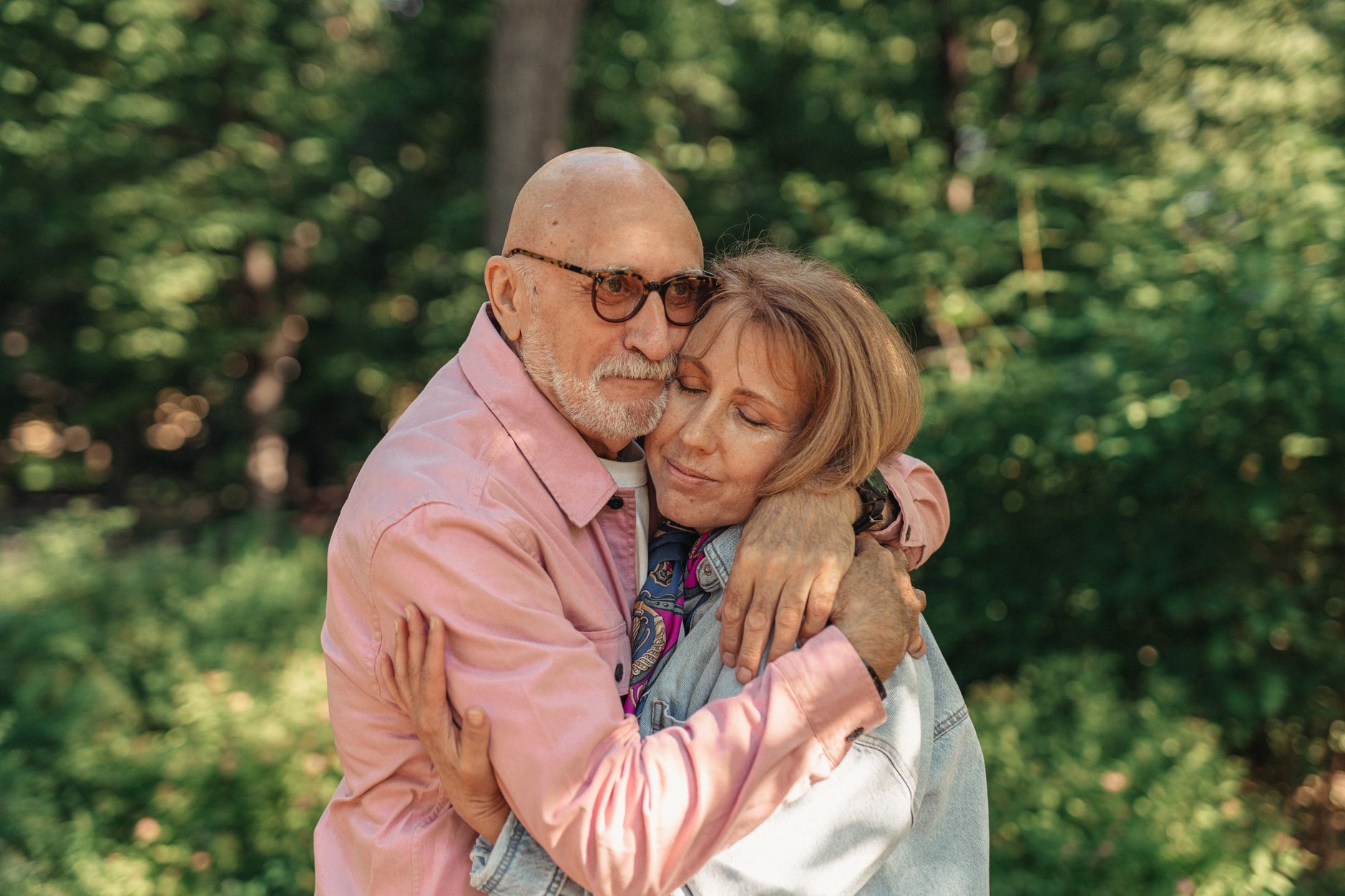
Meaningful moments continue with memory loss because meaning-making doesn’t depend only on memory. It depends on presence, on the quality of attention and care in the present moment, on sensory experience and emotional connection. Someone with advanced dementia who no longer knows their own history can still feel loved in an embrace, soothed by music, engaged by a beautiful day. These moments are real.
They matter. They shape how that person’s days feel and who they become together with their caregivers and loved ones. The adjustment required isn’t to stop seeking meaningful moments—it’s to shift how we recognize them and create them. It means letting go of some old ways of being together while discovering unexpected depths in new ones. It means understanding that a moment doesn’t need to be remembered to be truly lived, and that presence itself, unmediated by narrative, is a profound form of meaning.