Reviewed by the Help Dementia Editorial Team — our editors review every article for accuracy against guidance from the National Institute on Aging, the Alzheimer’s Association, and peer-reviewed sources.
Most important sits at the center of this dementia and brain health question.
Yes, chickpeas deserve a place at your table for brain health—but not because of marketing hype or superfood fads. The research shows that one of the world’s most humble legumes packs a nutritional profile specifically designed to protect the cognitive systems that start to decline after 40. A single cup of cooked chickpeas delivers more than 70% of your daily folate requirement, plus substantial amounts of protein, magnesium, selenium, zinc, and choline—nutrients that directly influence memory formation, neurotransmitter production, and the chemical processes that keep dementia at bay. For adults over 40, when cognitive decline becomes a real concern, chickpeas are neither trendy nor optional; they’re foundational. The reason chickpeas matter more after 40 is biological.
Your brain’s nutrient demands don’t decrease with age—they intensify. The same folate that your body used to build cells in your 30s now works to regulate homocysteine levels, a key risk factor for Alzheimer’s disease. The protein you consumed casually throughout your life now becomes critical for maintaining cognitive function during a period when many people begin to experience subtle memory lapses or slower processing speed. Recent research from 2025 shows that adults over 60 with high protein intake at dinner were significantly less likely to show low cognitive performance. Chickpeas offer all of this in a single, affordable, shelf-stable food.
Table of Contents
- What Makes Chickpeas So Powerful for Brain Health?
- The Folate-Homocysteine Connection: How One Nutrient Protects Against Cognitive Decline
- Beyond Folate: The Complete Nutrient Profile Your Brain Needs After 40
- How to Add More Chickpeas to Your Brain-Healthy Diet
- Potential Limitations and Individual Considerations
- Chickpeas and Other Brain-Healthy Foods: How They Compare
- The Role of Chickpeas in Long-Term Cognitive Health Strategy
- Conclusion
What Makes Chickpeas So Powerful for Brain Health?
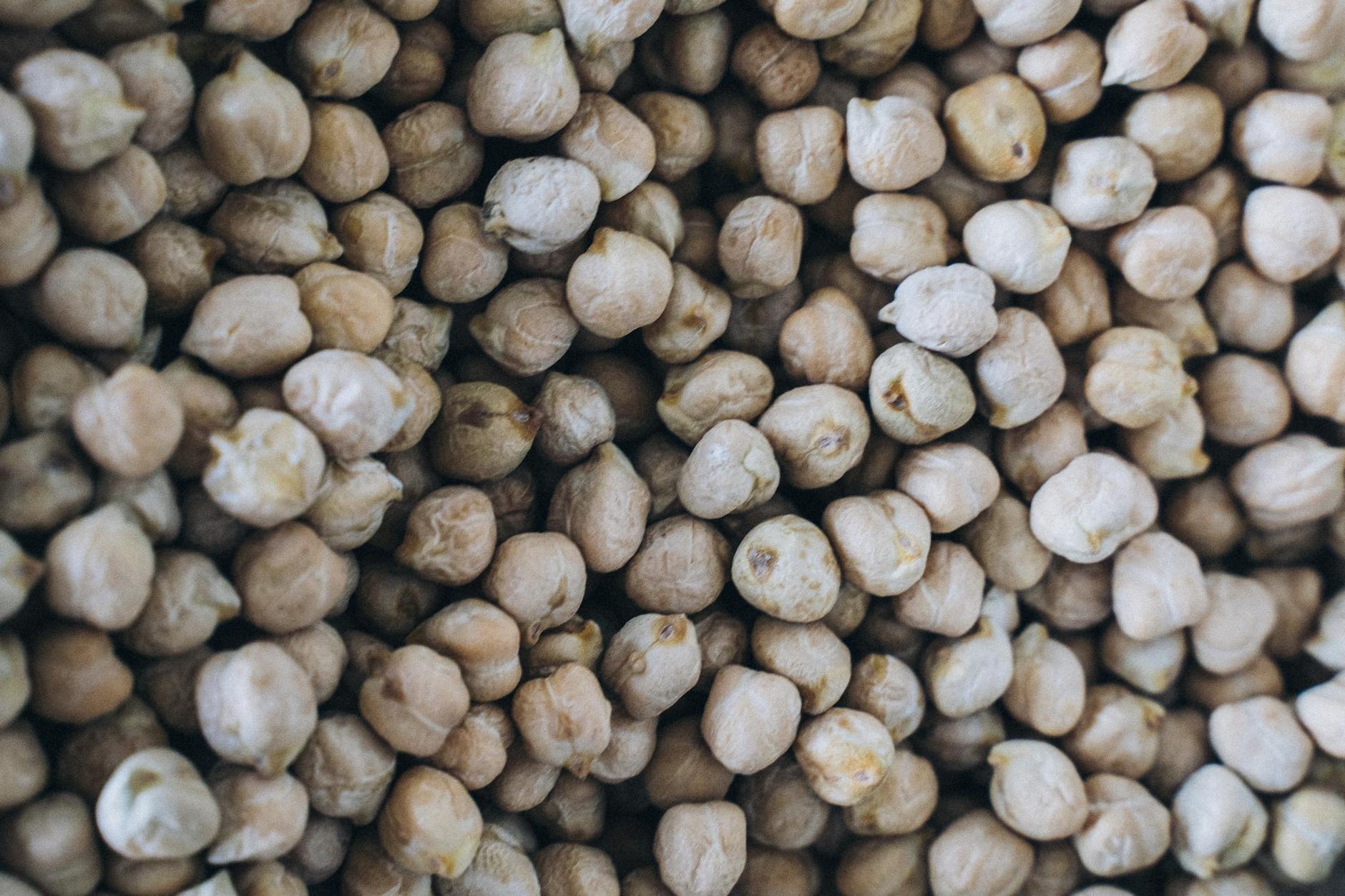
Chickpeas contain a constellation of nutrients that work together to support brain function in ways that isolated supplements cannot replicate. One cup of cooked chickpeas provides approximately 15 grams of protein—comparable to a serving of lean chicken—alongside vitamins and minerals that function as essential cofactors in brain chemistry. The folate content is particularly significant: at more than 70% of the daily recommended intake per cup, chickpeas address one of the most common nutritional deficiencies in adults over 40. Unlike fortified cereals or processed foods that deliver single nutrients, chickpeas provide choline for neurotransmitter production, magnesium for nerve function, selenium for antioxidant protection, zinc for immune health and synaptic plasticity, and B6 for brain development and function.
What sets chickpeas apart from other protein sources is their nutrient density relative to their form. Compare a cup of chickpeas (246 grams of cooked chickpeas) to a chicken breast of similar weight: the chickpea delivers substantially more folate, magnesium, and fiber, while the chicken offers more concentrated protein and B12. Neither is “better,” but for someone specifically concerned about homocysteine levels and cognitive decline, the chickpea’s folate advantage is measurable and well-documented. Research on chickpea consumers versus non-consumers shows that regular intake correlates with higher intakes of dietary fiber, polyunsaturated fatty acids, vitamin A, vitamin E, vitamin C, folate, magnesium, potassium, and iron—a comprehensive nutritional uplift that extends well beyond brain health alone.
The Folate-Homocysteine Connection: How One Nutrient Protects Against Cognitive Decline
The link between folate and brain health turns on a single chemical compound: homocysteine. This amino acid is produced naturally during protein metabolism, but when folate levels drop, homocysteine accumulates in the bloodstream. Elevated homocysteine is associated with cognitive impairment, accelerated cognitive decline, and increased dementia risk—a relationship that has been documented consistently in longitudinal research. Sufficient daily folate intake is protective. It acts as a methyl donor, helping your body convert homocysteine back into methionine and away from neurotoxic levels.
For adults over 40, whose metabolic efficiency naturally declines, this protective mechanism becomes increasingly important. The practical significance is striking: a single cup of chickpeas can move you from a folate deficit to adequate intake. Yet many people over 40 don’t get enough folate from their diets, particularly those who eat processed foods or limited vegetables. The limitation to understand is that folate from food sources (like chickpeas) is slightly less bioavailable than synthetic folate (folic acid) used in supplements, but food-based folate comes with accompanying nutrients that enhance absorption and function. A 2020 study showed that higher protein intake—particularly from legumes—was linked to better cognitive function in adults aged 60 and older. The chickpea advantage is that it provides both the folate and the protein simultaneously, creating synergistic protection rather than isolated nutrient support.
Beyond Folate: The Complete Nutrient Profile Your Brain Needs After 40
While folate and homocysteine capture scientific attention, they represent only part of why chickpeas matter for brain health. Magnesium, selenium, and zinc—all present in meaningful quantities in chickpeas—have independent roles in protecting cognitive function and preventing depression and anxiety. Magnesium regulates neurotransmitter function and supports neuroplasticity (your brain’s ability to form new connections). Selenium acts as a powerful antioxidant in the brain, protecting neurons from oxidative stress. Zinc supports synaptic plasticity and is essential for memory formation. Together, these minerals create a micronutrient foundation that becomes increasingly important after 40, when your ability to absorb some nutrients naturally declines.
Choline, found in chickpeas, deserves specific attention because it’s one of the least talked about nutrients in brain health discussions. Choline is a precursor to acetylcholine, the neurotransmitter essential for memory formation and retrieval. Your brain’s choline supply depletes with age, and low choline levels are associated with memory problems and accelerated cognitive decline. Unlike folate or B6, choline isn’t as widely recognized by the general public, but it’s equally critical. The practical limitation is that food-based choline absorption varies based on your individual gut health, genetics, and whether you’re consuming adequate betaine (which helps choline synthesis). This is why chickpeas work better than a choline supplement alone: they provide multiple nutrients that work together to enhance choline’s effectiveness.
How to Add More Chickpeas to Your Brain-Healthy Diet
The research-backed recommendation is clear: chickpeas should be included in meals at least three times per week as part of established brain-healthy eating patterns, particularly the MIND diet (Mediterranean-DASH Intervention for Neurodegenerative Delay). This frequency ensures consistent nutrient intake without requiring massive dietary overhaul. For most people, three servings per week means adding chickpeas to lunch twice and dinner once, or distributing them across different meals. A half-cup serving provides meaningful amounts of folate, protein, and minerals without exceeding calorie targets for most adults.
The practical challenge many people face is transition: if chickpeas are unfamiliar to your palate, the shift requires gradual introduction rather than sudden dietary change. Start with hummus (which is simply blended chickpeas with tahini and lemon) in quantities you enjoy, then progress to roasted chickpeas as a snack, chickpea salads as a side, and eventually chickpea-based main dishes like curry or pasta. A comparison: while chicken or fish provide protein, neither offers the folate or magnesium that chickpeas do, and both require more preparation and cost. Chickpeas from a can require only rinsing and heating. One tradeoff is that canned chickpeas often contain added sodium, so rinsing them reduces sodium content by approximately 40% and is worth the extra step.
Potential Limitations and Individual Considerations
Not everyone tolerates legumes equally. Some adults over 40 experience digestive distress from chickpeas due to their fiber content or oligosaccharide compounds (short-chain carbohydrates that can cause gas). If you have irritable bowel syndrome, inflammatory bowel disease, or similar conditions, sudden large amounts of chickpeas can worsen symptoms. The solution is gradual introduction and preparation methods: soaking dried chickpeas overnight reduces oligosaccharide content by approximately 30%, and cooking them thoroughly aids digestion. If you take blood thinners like warfarin, the high folate content in chickpeas is compatible with medication but should be consistent rather than fluctuating (your doctor adjusts dosages based on your baseline vitamin K and folate intake).
A more subtle limitation is that chickpeas alone cannot prevent cognitive decline. The brain-healthy lifestyle requires multiple factors: adequate sleep, cognitive engagement, social connection, cardiovascular exercise, and overall dietary quality. Chickpeas are one element of a comprehensive approach, not a standalone solution. Some adults have absorbed messaging suggesting that “superfoods” like chickpeas or blueberries can single-handedly prevent dementia, but the science shows that no single food does this. Chickpeas are important, measurable, and evidence-backed—but they’re part of a larger pattern that determines cognitive outcomes.

Chickpeas and Other Brain-Healthy Foods: How They Compare
When ranked against other legumes, chickpeas offer superior folate content compared to lentils or black beans, though lentils provide more protein density per ounce. Compared to fish (often recommended for brain health because of omega-3 fatty acids), chickpeas lack the long-chain omega-3s but provide dramatically more folate and comparable protein. Neither is a replacement for the other; together they form complementary components of brain-healthy eating. Fish provides omega-3 protection for neuroinflammation and cellular membrane health; chickpeas provide the micronutrient foundation for neurotransmitter production and homocysteine management.
Against processed foods marketed as “brain boosters”—fortified cereals, supplements, or drinks—chickpeas offer greater nutrient synergy at lower cost. A box of specialized brain-health cereal might cost $6 to $8 and provide isolated B vitamins. A can of chickpeas costs $1 to $2 and provides folate, magnesium, zinc, selenium, protein, and fiber in combination. The chickpea requires minimal preparation and integrates into meals rather than replacing them. For someone on a fixed income or with limited cooking ability, chickpeas offer accessible brain nutrition without requiring specialized products or significant preparation time.
The Role of Chickpeas in Long-Term Cognitive Health Strategy
The 2025 research on protein intake at dinner for adults over 60 points toward something significant: timing and consistency matter as much as total nutrient intake. Including chickpeas at dinner—whether as a main dish, side, or in hummus alongside vegetables—appears to offer specific cognitive benefits. This suggests that adults over 40 should consider chickpeas not as an occasional food but as a regular component of their evening meals. Over decades, this pattern may influence whether someone experiences normal aging or accelerated cognitive decline.
A long-term cognitive health strategy built around accessible foods like chickpeas is more sustainable than one based on exotic supplements or expensive specialized products. As research continues into personalized nutrition and cognitive aging, chickpeas represent a stable, proven investment in brain health. They’re not a cure, not a guarantee, and not a replacement for medical care or cognitive screening. But for adults over 40 concerned about dementia, declining memory, or cognitive slowing, they offer a measurable, affordable, evidence-backed intervention that fits into everyday meals. The cumulative effect of eating chickpeas three times per week for decades—potentially preventing or delaying cognitive decline by years—makes them worth the simple effort of regular inclusion.
Conclusion
Chickpeas matter for brain health in adults over 40 because they address specific vulnerabilities that emerge with age: declining folate absorption, rising homocysteine levels, and increased cognitive decline risk. The nutrients they provide—folate, protein, magnesium, selenium, zinc, and choline—work together in ways that isolated supplements cannot replicate. The evidence from recent research is clear: protein intake, particularly from legumes, supports cognitive function, and chickpeas are among the most nutrient-dense, accessible legumes available.
The next step is practical: assess your current chickpea intake and identify three ways to add them to your weekly meals. Whether through hummus, salads, curries, or roasted snacks, incorporating chickpeas at least three times per week is an evidence-backed strategy that costs little, requires minimal preparation, and aligns with established brain-healthy eating patterns like the MIND diet. For adults over 40, this single dietary shift may represent one of the most accessible and impactful steps toward maintaining cognitive health as you age.
You Might Also Like
- Why wild blueberries Could Be the Most Important Brain Food for Adults Over 50
- Why walnuts Could Be the Most Important Brain Food for Adults Over 70
- Why turmeric Could Be the Most Important Brain Food for Adults Over 65
For more, see Alzheimer’s Association — caregiving.