Reviewed by the Help Dementia Editorial Team — our editors review every article for accuracy against guidance from the National Institute on Aging, the Alzheimer’s Association, and peer-reviewed sources.
Brown rice could be the most important brain food for adults over 75 because it delivers a combination of nutrients and compounds that directly reduce the risk of dementia and Alzheimer’s disease while improving executive function—the mental abilities that let you plan, organize, and make sound decisions. The evidence isn’t speculative: adults who regularly consume whole grains like brown rice are 28% less likely to develop dementia and 36% less likely to develop Alzheimer’s disease over their lifetime, according to a 12-year research analysis by The Whole Grains Council. For a 76-year-old considering how to protect their cognitive future, brown rice isn’t just another healthy food—it’s one of the few dietary staples with demonstrated impact on brain decline.
What makes brown rice stand out compared to other brain-healthy foods is that these benefits appear consistently in multiple clinical studies, and the practical barrier to eating more brown rice has been removed. Dewaxed brown rice cooks in an ordinary rice cooker in the same time as white rice, making it accessible for older adults who may have limited time or energy for complicated meal preparation. The research shows that even modest consumption—four times per week—can improve cognitive function in people over 75.
Table of Contents
- How Does Brown Rice Protect the Aging Brain from Dementia?
- The Nutritional Power of Brown Rice vs. White Rice
- Clinical Evidence: What 24-Month Studies Reveal About Cognitive Function
- Simple Ways to Add Brown Rice to Your Diet for Maximum Brain Benefits
- When Brown Rice Isn’t Enough: Understanding Limitations and Risk Factors
- Black Rice and Other Whole Grain Varieties for Enhanced Brain Protection
- The Future of Grain-Based Brain Health for Aging Adults
- Conclusion
How Does Brown Rice Protect the Aging Brain from Dementia?
Brown rice contains compounds that work at the cellular level to protect brain tissue from the damage that leads to dementia. When brown rice is consumed, its fiber, B vitamins, and phenolic compounds enter the bloodstream and reach the brain, where they combat two of the primary mechanisms of cognitive decline: inflammation and oxidative stress. The outer bran layer of brown rice—which is removed during white rice processing—concentrates these protective compounds, including ferulic acid, vitamin E, and GABA, a neurotransmitter that supports calm, focused thinking. Research shows that regular consumption of dewaxed brown rice improved executive function on the Frontal Assessment Battery, a standard clinical test that measures planning, judgment, and impulse control.
The 12-year dementia study tracked thousands of older adults and found that those eating the most whole grains had measurably different outcomes than those who predominantly ate refined grains. Consider the practical difference: a 75-year-old woman who switches from white rice to brown rice four times per week may reduce her Alzheimer’s risk by more than one-third over the next decade. That’s not a marginal benefit—it’s the kind of dietary change that could determine whether someone lives their final years mentally sharp or progressively cognitively declined. The research was rigorous, following participants over years, not months, which is why the findings carry weight.
The Nutritional Power of Brown Rice vs. White Rice
Brown rice and white rice start from the same grain, but processing creates a vast nutritional gap. Brown rice retains the nutrient-rich bran and germ layers, while white rice has these removed, leaving only the starchy endosperm. Per serving, brown rice delivers significantly more dietary fiber, more B vitamins (including B6, B12, and folate), vitamin E, betaine, and minerals like magnesium and manganese—all nutrients the aging brain needs to maintain synaptic connections and prevent cognitive decline. White rice, by contrast, provides calories and carbohydrates but lacks these protective compounds.
The limitation worth understanding is that brown rice doesn’t work as a standalone solution for dementia prevention. Eating brown rice four times a week while maintaining a sedentary lifestyle, poor sleep, and high stress won’t prevent cognitive decline on its own. Brain health depends on multiple factors: cardiovascular fitness, social engagement, cognitive stimulation, quality sleep, and overall diet patterns. Brown rice is a particularly efficient part of a comprehensive approach—it’s not a cure, and anyone over 75 concerned about dementia should also address these other factors with their doctor. Additionally, some older adults with digestive sensitivities may find the higher fiber content of brown rice harder to tolerate initially; introducing it gradually can help the digestive system adjust.
Clinical Evidence: What 24-Month Studies Reveal About Cognitive Function
A rigorous 24-month randomized controlled trial specifically tested how brown rice consumption affects executive function in older adults. Participants who consumed dewaxed brown rice daily showed significant improvements in FAB (Frontal Assessment Battery) subscale scores compared to control groups. These weren’t marginal improvements—they were clinically meaningful changes in the specific cognitive abilities that matter most for maintaining independence: planning what to cook for dinner, managing finances, remembering where you put your keys, and organizing your day. The study’s length—two full years—matters because it rules out short-term placebo effects and shows that the benefit builds and sustains over time.
What’s particularly relevant for adults over 75 is that these improvements were observed even with moderate consumption: just four servings per week showed benefits. You don’t need to eat brown rice with every meal to see cognitive gains. The research also distinguished between polished brown rice and dewaxed brown rice, with the latter showing the most significant results. Dewaxed brown rice is processed to remove the waxy outer coating while retaining all the nutritional layers that white rice loses, and it cooks quickly—a practical advantage for older adults who might otherwise revert to convenient white rice. For someone worried about declining memory or mental sharpness, this evidence provides concrete reason to make the dietary switch.

Simple Ways to Add Brown Rice to Your Diet for Maximum Brain Benefits
The most straightforward way to incorporate brown rice into your diet is to use it as a one-to-one replacement in any recipe that calls for white rice. Bowls, stir-fries, side dishes, and rice-based dinners all work equally well with brown rice, and once cooked, the texture and flavor are comparable—brown rice has a slightly nuttier taste that most people find preferable after eating it a few times. For those preparing meals for a household where not everyone wants to switch to brown rice, cooking brown rice in a separate section of a rice cooker takes only marginally more time and water than cooking white rice, so both can be served at the same meal.
The practical tradeoff comes down to planning: brown rice requires the same water-to-grain ratio as white rice in a rice cooker, but it needs slightly longer cooking time (about 45 minutes versus 15-20 minutes). The solution is to cook a larger batch at the beginning of the week and refrigerate portions, reheating them throughout the week. Frozen brown rice can be thawed and reheated in minutes, making it as convenient as white rice for busy older adults. A simple routine—cooking a pot of brown rice every Sunday and dividing it into containers—removes the barrier of convenience and ensures a brain-protective grain is always available.
When Brown Rice Isn’t Enough: Understanding Limitations and Risk Factors
Brown rice works synergistically with other aspects of brain health, and relying on it alone without addressing other risk factors offers incomplete protection. An older adult eating brown rice regularly but experiencing poor sleep, untreated high blood pressure, or social isolation will still face elevated dementia risk. Cardiovascular health is particularly important: the same blood vessels that deliver oxygen to the heart also supply the brain, so controlling cholesterol, managing blood pressure, and maintaining circulation are essential alongside dietary choices. Brown rice is one tool among many—a significant one, but not a replacement for medical care, physical activity, and cognitive engagement.
Another limitation involves individual variation in nutrient absorption. Adults over 75 may have reduced stomach acid production, which can affect how efficiently they absorb B vitamins and minerals, even from nutrient-dense brown rice. Additionally, some medications commonly used by older adults—like metformin for diabetes or PPIs for acid reflux—can interfere with B12 absorption. For this reason, someone over 75 should discuss dietary changes and cognitive health with their doctor to ensure they’re addressing absorption issues that brown rice alone cannot solve. Some older adults also have constraints like difficulty chewing or swallowing, in which case brown rice may need to be cooked softer or ground into flour to be manageable.

Black Rice and Other Whole Grain Varieties for Enhanced Brain Protection
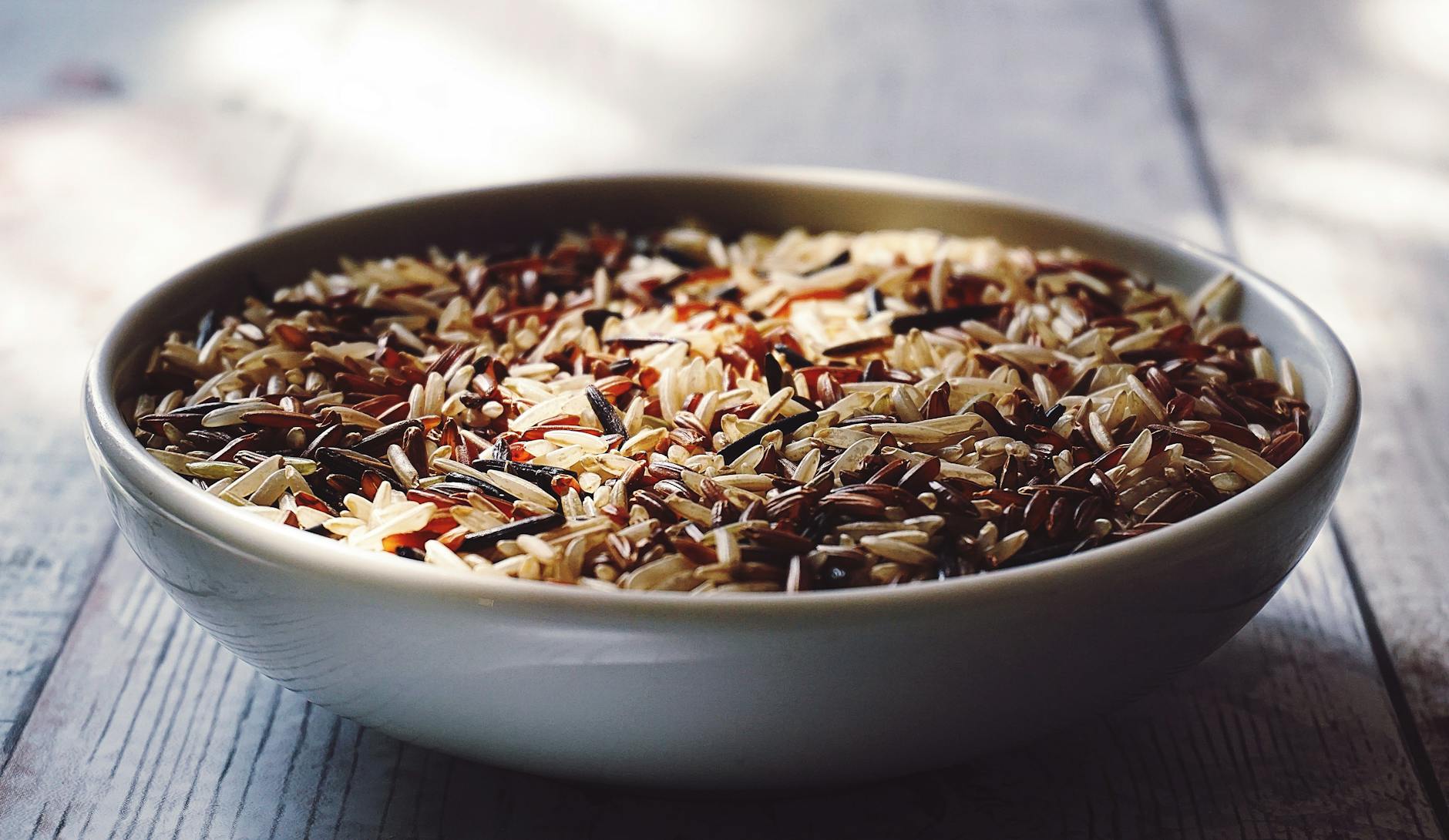
Recent 2026 research has expanded the picture of grain-based brain protection beyond brown rice. Black rice (sometimes called forbidden rice) demonstrated particularly striking cognitive benefits in clinical studies: consumption was associated with significantly improved verbal memory and enhanced digit span performance—a measure of working memory capacity. Black rice also reduced interleukin-6 (IL-6), a marker of chronic inflammation linked to dementia progression. The pigment that gives black rice its dark color, anthocyanin, appears to be a potent antioxidant for brain tissue.
For older adults interested in variety, incorporating black rice, brown rice, barley, and millets into a weekly meal pattern creates a multigrain approach that research suggests reduces cognitive impairment risk more effectively than any single grain. A research review found that older adults who followed a “multigrain rice pattern” had substantially lower cognitive decline compared to those eating primarily white rice and noodles. The beauty of this approach is that it doesn’t require strict adherence to one grain—rotating through different whole grains keeps meals interesting while providing a diverse range of neuroprotective compounds. An older adult might eat brown rice three times a week, black rice twice a week, and barley or millet once or twice weekly. This variety ensures exposure to different vitamins, minerals, and phytonutrients, reducing the risk that any single nutrient gap would undermine brain health.
The Future of Grain-Based Brain Health for Aging Adults
As the population ages and dementia prevalence increases, research into dietary interventions like brown rice is likely to expand rapidly. Early studies from 2025 and 2026 suggest that we’re moving toward more personalized recommendations—identifying which populations benefit most from specific grain varieties and determining optimal consumption patterns for cognitive protection. Future research may clarify whether certain preparation methods (fermented brown rice, sprouted brown rice, or rice bran concentrates) offer additional benefits beyond simple cooked brown rice.
The significance of brown rice and similar whole grains is that they represent an accessible, affordable, and evidence-based approach to dementia prevention that doesn’t require expensive supplements or dramatic lifestyle overhaul. For adults over 75 concerned about maintaining independence and mental sharpness, the path forward involves integrating this knowledge into daily eating habits now, before cognitive decline becomes apparent. The research suggests that the most important brain-protective intervention may already be sitting in a grocery store aisle.
Conclusion
Brown rice emerges as an important brain food for adults over 75 because it contains specific nutrients—B vitamins, vitamin E, ferulic acid, and GABA—that have been shown in rigorous studies to reduce dementia risk by 28% and Alzheimer’s risk by 36% over a 12-year period. Clinical trials demonstrate that even modest consumption (four times weekly) improves executive function, and the practical barrier to eating brown rice has been eliminated by dewaxed varieties that cook as quickly as white rice. The evidence is substantial enough that brown rice should be a dietary staple for anyone over 75 concerned about cognitive health.
Begin by making a simple substitution: switch one or two meals per week to brown rice, then gradually increase as your preference develops. Pair this dietary change with other proven protective factors—exercise, cognitive engagement, quality sleep, cardiovascular health management, and regular social connection. Discuss any significant dietary changes with your doctor to ensure they align with your medications and health conditions. The goal isn’t perfection but consistency, and brown rice offers a straightforward way to provide your aging brain with nutrients it needs to stay sharp and independent.
You Might Also Like
- Why wild blueberries Could Be the Most Important Brain Food for Adults Over 50
- Why whole grains Could Be the Most Important Brain Food for Adults Over 50
- Why walnuts Could Be the Most Important Brain Food for Adults Over 70
For more, see Alzheimer’s Association — medical tests.