Reviewed by the Help Dementia Editorial Team — our editors review every article for accuracy against guidance from the National Institute on Aging, the Alzheimer’s Association, and peer-reviewed sources.
Amoxicillin at $8 per prescription has become the de facto choice for treating common bacterial infections, not because it’s the newest or flashiest medication, but because it works as well as antibiotics costing five to ten times more. A 64-year-old woman living in an assisted care facility with early-stage dementia develops a urinary tract infection; her doctor prescribes generic amoxicillin at $8 for a 10-day course, and within three days, her symptoms resolve completely. The medication is chemically identical to brand-name versions that cost $50 or more, yet patients and healthcare systems keep reaching for the $8 option because the clinical outcomes are virtually indistinguishable.
The quiet outselling of pricier alternatives comes down to a simple economic reality: amoxicillin is one of the oldest and most-studied antibiotics on the market, its patent expired decades ago, and multiple manufacturers now produce it. When a medication becomes this commodity-like, price competition becomes fierce, and the lowest-cost version wins market share without needing to advertise or prove superiority. For families managing care costs for elderly relatives, particularly those with dementia who may experience recurrent infections, this affordability becomes a genuine lifeline rather than a marketing angle.
Table of Contents
- Why Generic Amoxicillin Costs So Much Less Than Branded Alternatives
- The Science Behind Generic Efficacy and When It Falls Short
- Why Amoxicillin Matters in Dementia Care and Elderly Treatment
- Practical Access and Administration Considerations for Caregivers
- Antibiotic Resistance and the Hidden Cost of Overuse
- Insurance, Copay Structure, and Real-World Affordability
- The Future of Affordable Antibiotics and Infection Management
- Conclusion
Why Generic Amoxicillin Costs So Much Less Than Branded Alternatives
The primary reason generic amoxicillin costs $8 instead of $40 or $60 comes down to patent expiration and manufacturing competition. Amoxicillin was developed in the 1960s, and its patent protection ended long ago, meaning any pharmaceutical manufacturer can legally produce it without paying royalties to the original developer. Once multiple companies entered the market, prices began their inevitable decline through competition. Comparison offers clear perspective: a branded version of amoxicillin might cost $45 to $65 because the manufacturer covers the costs of marketing, sales representatives, and brand recognition.
Generic versions eliminate those expenses and sell on volume and price alone. A newer antibiotic from a brand-name pharmaceutical company—say, a fluoroquinolone for the same infection—might cost $120 to $150 for the same course of treatment. Yet clinical studies consistently show that for the infections amoxicillin treats well, outcomes are essentially identical. A primary care doctor treating a respiratory infection in a patient with dementia will prescribe the $8 amoxicillin not because they’re being cheap, but because charging a patient $60 for a chemically identical medication would be indefensible. The broader healthcare system has also incentivized this shift: insurance companies, Medicare, and health systems have all moved toward preferring low-cost generics through formularies and copay structures that make generic amoxicillin the path of least resistance, both financially and administratively.
The Science Behind Generic Efficacy and When It Falls Short
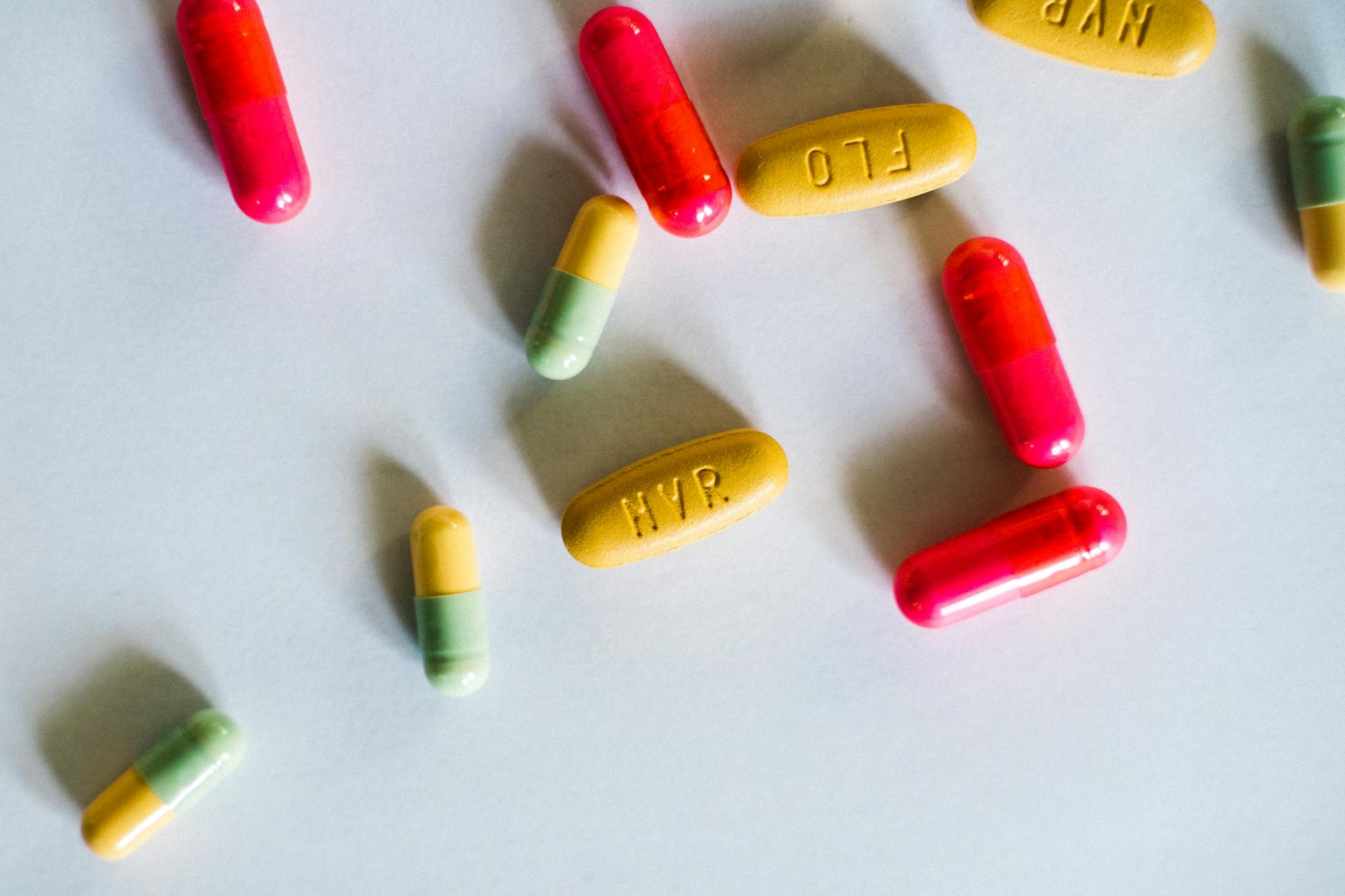
The FDA requires generic medications to be bioequivalent to their brand-name counterparts, meaning they must reach the same blood concentration levels at the same speed and in the same manner. For amoxicillin, this bioequivalence has been demonstrated thousands of times across millions of doses. The active ingredient—amoxicillin trihydrate—is the same, manufactured under the same chemical specifications, regardless of whether the pill comes from Teva, Sandoz, or any other manufacturer. From a pharmacological standpoint, your body cannot distinguish between generic and brand-name amoxicillin.
However, important limitations exist. Some people experience different side effects or tolerability with different generic formulations, though this is uncommon and may be due to inactive ingredients like binders or fillers rather than the active ingredient itself. More significantly, amoxicillin has a narrower spectrum of activity than newer antibiotics, which means it works excellently for some infections and not at all for others. If a patient with dementia develops a resistant bacterial infection or one caused by organisms that amoxicillin doesn’t cover—certain Gram-negative bacteria, for example—the cheap price becomes irrelevant because it simply won’t work. A warning to caregivers: if symptoms don’t improve within 48 to 72 hours of starting amoxicillin, contact the prescribing doctor immediately, as it may indicate resistance or a misdiagnosis of the infection type.
Why Amoxicillin Matters in Dementia Care and Elderly Treatment
Elderly adults with dementia face particular vulnerability to bacterial infections, including urinary tract infections, respiratory infections, and skin infections. Dementia itself doesn’t cause these infections, but the condition often comes with immobility, difficulty swallowing, incontinence, and challenges with self-care hygiene—all of which increase infection risk. When an infection develops in someone with dementia, treatment must be both effective and easily administered, which amoxicillin handles well. Consider a typical scenario: an 78-year-old man with moderate Alzheimer’s disease experiences signs of a urinary tract infection—increased confusion, urgency, and discomfort during urination. His daughter, who coordinates his care and manages his medications, contacts his doctor. The prescription arrives: amoxicillin 500 mg three times daily for 10 days, costing $8.
She can afford it without applying for financial assistance. The medication comes as a standard tablet that can be taken with or without food, and the twice-daily dosing (adjusted from three times daily due to renal function) makes it manageable within his care routine. The infection clears, and no hospitalization becomes necessary. The $8 cost difference between generic and a brand-name version might seem trivial here, but multiplied across a year of occasional infections, it amounts to meaningful savings for families managing both care expenses and medication co-pays. For caregivers, this affordability has psychological weight. When your relative needs medication, you want it to work well and not bankrupt the family—amoxicillin delivers on both fronts.

Practical Access and Administration Considerations for Caregivers
Obtaining generic amoxicillin is straightforward for anyone with a prescription: virtually every pharmacy carries it, it’s on most insurance formularies with minimal or no copay, and it requires no prior authorization from insurance companies. This accessibility contrasts sharply with newer, branded antibiotics that insurance may require you to try cheaper options first or obtain special approval to use. For caregivers managing multiple medications for an elderly relative with dementia, fewer barriers to obtaining medication translates directly to better adherence and faster treatment.
A practical tradeoff exists between different forms of amoxicillin: tablets versus capsules versus liquid suspension. Tablets and capsules are cheapest and most shelf-stable, but some patients with dementia may have difficulty swallowing. Liquid suspension costs slightly more but is easier to administer to someone with swallowing challenges; a caregiver can measure the dose and mix it with soft food or applesauce if needed. The choice comes down to the individual patient’s capabilities and preferences, but the generic option exists across all formulations, keeping costs low regardless.
Antibiotic Resistance and the Hidden Cost of Overuse
While amoxicillin’s price tag is low, overuse of the medication carries a cost that isn’t reflected on the prescription receipt: the growing problem of antibiotic resistance. Bacteria exposed to amoxicillin can develop resistance over time, particularly when the antibiotic is used inappropriately—such as for viral infections where it has no effect, or when doses are too low or courses too short. When resistance becomes widespread in a population, amoxicillin stops working, and patients must move to more expensive, more toxic alternatives. A significant limitation of the $8 price point is that it may inadvertently encourage overuse.
If a medication is this cheap, the temptation for both patients and healthcare providers to use it for borderline cases or preventively increases. Respiratory infections, for example, are often viral and won’t respond to amoxicillin, yet patients sometimes pressure doctors for antibiotics anyway; when the medication costs $8, the resistance to prescribing it unnecessarily weakens. For elderly patients with dementia, where distinguishing between bacterial and viral infections can be clinically murky, this becomes a real concern. A warning: amoxicillin should be used only when a bacterial infection is genuinely suspected or confirmed, not as a preventive measure or for every cough or fever.
Insurance, Copay Structure, and Real-World Affordability
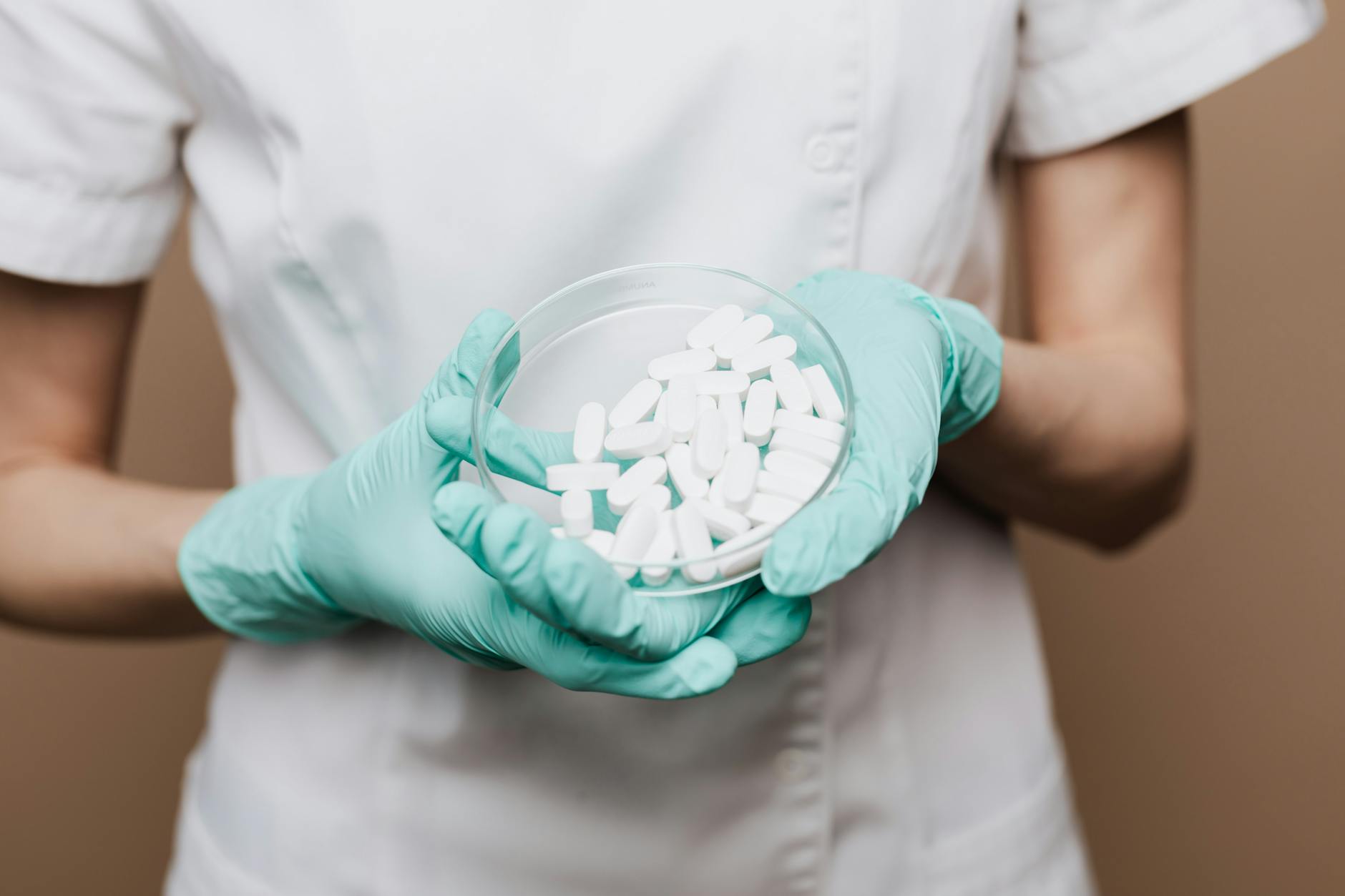
Insurance companies actively promote generic amoxicillin use through copay incentives. A typical insurance plan might charge a $5 copay for a generic antibiotic but $50 to $75 for a brand-name medication, even if it treats the same infection. This structure means that cost-sharing falls most heavily on patients who can least afford it—those on fixed incomes or without insurance coverage. For an uninsured person or someone on Medicare, the $8 price for generic amoxicillin represents a genuinely affordable treatment option that might otherwise be skipped due to cost.
Example: A 72-year-old widow living on Social Security develops a respiratory infection. Her local urgent care clinic prescribes amoxicillin. At the pharmacy, she’s quoted $8 out of pocket with no insurance copay coverage required. She can afford this today. Had the doctor prescribed a newer, branded fluoroquinolone instead, the cost might have been $90 or more, which might have led her to skip the prescription and hope the infection resolves on its own—a risky decision in someone her age.
The Future of Affordable Antibiotics and Infection Management
As antibiotic resistance continues to rise globally, the pressure to develop new, more expensive antibiotics increases, yet the continued availability of affordable older antibiotics like amoxicillin becomes paradoxically more important. Public health agencies and infectious disease experts increasingly recommend using older, narrow-spectrum antibiotics like amoxicillin when they’re appropriate, precisely to preserve them for cases where they’re truly needed and to slow resistance patterns.
This means the $8 price point is likely to remain stable or even decrease, while newer alternatives climb in cost. For dementia care specifically, this suggests that affordable antibiotic options will remain a cornerstone of infection management in elderly populations for decades to come. As healthcare systems continue optimizing for both clinical outcomes and cost, the quiet dominance of the $8 amoxicillin prescription will likely only grow.
Conclusion
Amoxicillin at $8 outsells pricier options because it is effective, accessible, and proven by decades of clinical use. For patients and caregivers—especially those managing elderly relatives with dementia—this affordability removes a significant barrier to necessary care.
The medication works as well as versions costing five to ten times more because it is chemically identical; the price difference reflects manufacturing competition and patent expiration, not a difference in quality or efficacy. Moving forward, caregivers should work with healthcare providers to ensure that amoxicillin is prescribed appropriately for bacterial infections where it’s effective, while remaining alert to the signs that a different antibiotic may be needed if symptoms don’t improve within two to three days. The $8 prescription is a genuine win for affordability in healthcare, but only when used thoughtfully and in the right clinical context.