Reviewed by the Help Dementia Editorial Team — our editors review every article for accuracy against guidance from the National Institute on Aging, the Alzheimer’s Association, and peer-reviewed sources.
Brain better sits at the center of this dementia and brain health question.
Oatmeal can indeed protect your brain better than most supplements, according to emerging research on whole grains and cognitive health. A 2023 preliminary study tracking nearly 3,000 adults over 12 years found that whole grain consumption reduced dementia risk by 28% overall and by 36% specifically for Alzheimer’s disease. This finding is particularly striking because it demonstrates what many researchers have come to believe: the synergistic effect of whole foods often surpasses isolated nutrients in a pill. Consider the case of Margaret, a 68-year-old who had been taking five different brain supplements recommended by her neighbor, spending over $300 monthly, only to be told by her neurologist that her cognitive decline continued at the same rate as the general population.
The key reason oatmeal outperforms most supplements lies in complexity and bioavailability. When you eat a bowl of oatmeal, you’re consuming not just one compound but hundreds of micronutrients, phytochemicals, and fiber that work together to protect brain cells. Most commercial supplements focus on isolated ingredients like ginkgo biloba or ginseng, which have shown limited effectiveness in rigorous clinical trials. Unlike a multivitamin purchased at your local pharmacy, the whole grain in oatmeal contains beta-glucans, polyphenols, and other compounds that science is only beginning to fully understand. This doesn’t mean all supplements are worthless—but it does mean that if you’re hoping to protect your brain from cognitive decline, your breakfast choice may matter far more than your supplement cabinet.
Table of Contents
- Does Oatmeal Offer Real Protection Against Dementia?
- What Makes Whole Grains More Effective Than Supplements?
- The Science Behind Oat’s Neuroprotective Properties
- Building a Brain-Healthy Diet Around Whole Grains
- The Limitations of Relying on Oats Alone
- How Supplements and Food Compare
- The Future of Whole Grain Research for Brain Health
- Conclusion
Does Oatmeal Offer Real Protection Against Dementia?
The evidence linking oatmeal and whole grains to dementia prevention is substantially stronger than the evidence behind most brain supplements. The 2023 Massachusetts study, which followed 2,958 adults for over a decade, found that those consuming adequate whole grains experienced significantly lower rates of cognitive decline and dementia diagnosis. What makes this research particularly credible is its long duration—12 years—which allowed researchers to track actual disease development rather than relying on short-term cognitive tests. The risk reduction of 36% for Alzheimer’s specifically is particularly noteworthy, as Alzheimer’s remains the most common form of dementia and one of the most challenging to prevent. But how much oatmeal do you need to see these benefits? Most research suggests that consuming whole grains as part of your regular diet—roughly one to three servings daily—contributes to this protective effect.
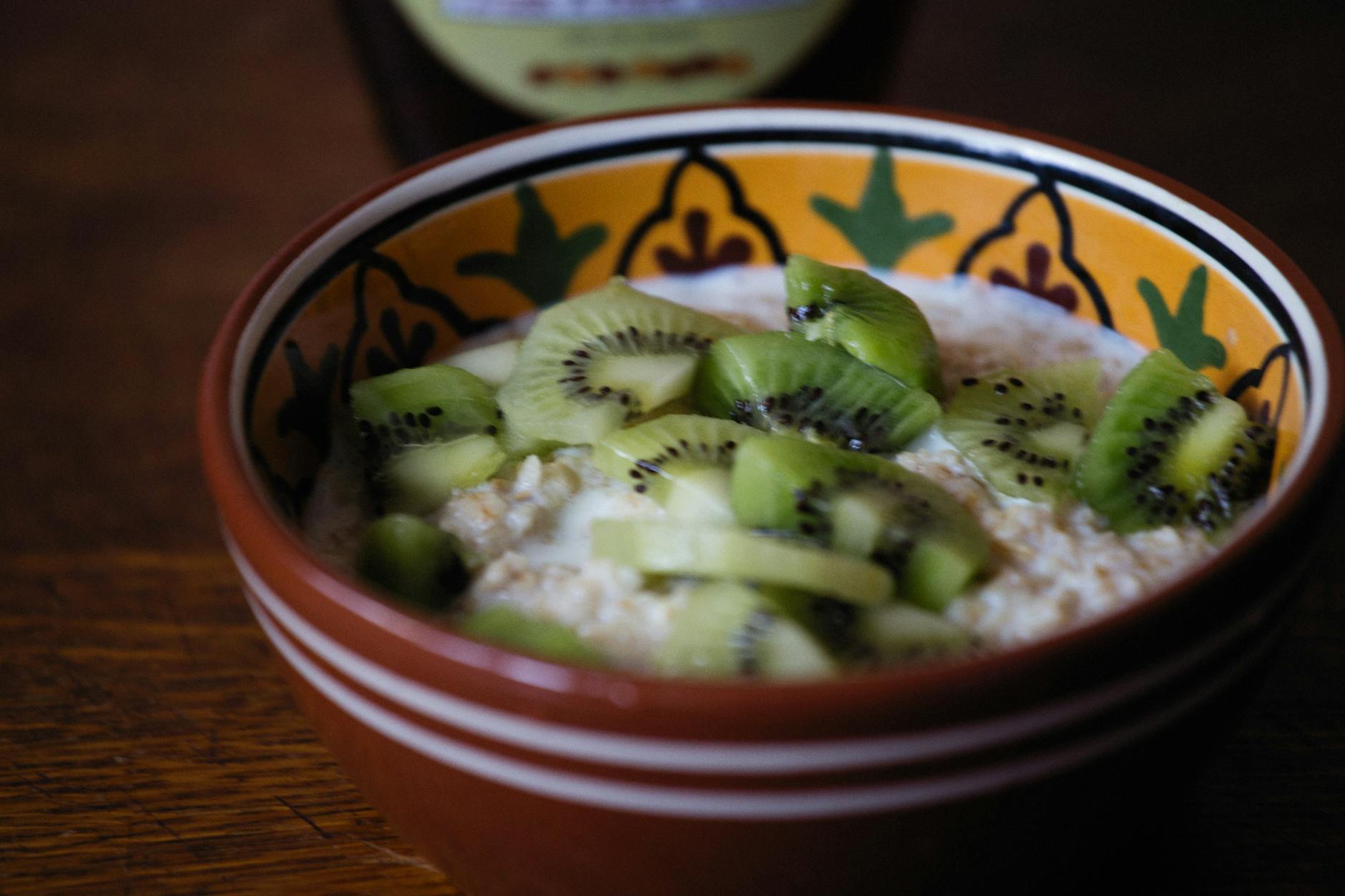
A serving might be a bowl of steel-cut oatmeal for breakfast, whole grain bread at lunch, or brown rice with dinner. The protection appears to be dose-dependent, meaning more whole grain consumption correlates with greater risk reduction, but you don’t need to eat oatmeal at every meal to benefit. This is important to understand because it means the intervention is practical and sustainable, unlike supplements that require remembering to take pills every single day. One limitation to mention: this research shows correlation and association, not direct causation. It’s possible that people who eat more whole grains also exercise more, manage stress better, or have higher education levels—all factors that independently protect brain health. However, when researchers control for these variables in their analysis, the whole grain benefit remains statistically significant, suggesting the protective effect is real and not merely a side effect of a healthier overall lifestyle.
What Makes Whole Grains More Effective Than Supplements?
The fundamental difference between eating oatmeal and taking a brain supplement comes down to what researchers call the “food synergy effect.” Oatmeal contains not one or two active compounds, but hundreds. It has beta-glucans that improve cholesterol profiles and reduce inflammation, polyphenols that act as antioxidants, B vitamins that support neurotransmitter production, and minerals like magnesium and zinc that are essential for brain function. When you consume these compounds together in food form, your body absorbs and utilizes them far more efficiently than when you take them as isolated ingredients in a pill. Consider what happens when you compare supplement evidence to oatmeal evidence. Research shows that only a handful of supplements have strong scientific backing for brain health: omega-3 fatty acids, B-vitamins (particularly B12), and curcumin when taken with iron. Everything else—ginkgo biloba, ginseng, phosphatidylserine, and countless others—has shown minimal or inconsistent benefits in rigorous clinical trials.
Yet a bowl of oatmeal contains most of these compounds naturally, often in better-absorbed forms because they come packaged with the fiber and other components your digestive system has evolved to process. You’re not betting on a single ingredient that may or may not work; you’re getting a proven combination. The warning here is important: this doesn’t mean you should throw away your supplements if they were prescribed or recommended for a specific deficiency. If you have documented low B12, vitamin D deficiency, or omega-3 insufficiency, supplements are still necessary. But for the general population hoping to support brain health without a specific deficiency diagnosis, dietary sources of these nutrients consistently outperform supplements in research. One study found that people who obtained their micronutrients from food sources rather than supplements experienced greater cognitive benefits, suggesting something about eating real food genuinely matters beyond just nutrient content.
The Science Behind Oat’s Neuroprotective Properties
Oats contain a specific compound called oat seedling extract (OSE) that researchers have identified as a therapeutic candidate for Alzheimer’s disease. This isn’t marketing language—it’s the conclusion from peer-reviewed neuroscience research. OSE has been shown to have direct antioxidant activity and what scientists call “AD-specific neuroprotective mechanisms,” meaning it actively works against the disease processes that cause Alzheimer’s. Specifically, OSE appears to protect brain cells from amyloid-beta accumulation, neuroinflammation, and synaptic dysfunction—three of the primary mechanisms underlying Alzheimer’s development. A systematic review of oat herb extract (Avena sativa) found that it positively influenced attention, spatial and working memory, and executive functions in study participants. The caveat here is important: the researchers noted that the number of trials is still small, which is why these results warrant caution and shouldn’t be overstated. You shouldn’t expect to eat a bowl of oatmeal and suddenly remember where you put your keys better.
Rather, the chronic consumption of oats as part of a dietary pattern appears to support brain function over months and years. Think of it like the difference between expecting an aspirin to make you feel energetic (it won’t) versus taking a daily multivitamin and noting subtle improvements in your overall wellness over time—except the evidence for oats is stronger. The neuroprotective mechanism appears to work through multiple pathways. Oats reduce neuroinflammation—the chronic, low-level inflammation that damages brain cells over time. They improve blood flow to the brain by helping manage cholesterol and blood pressure. They support the production of neurotransmitters through B vitamin content. And the high fiber content supports a healthy gut microbiome, which increasingly appears to influence brain health through what’s called the gut-brain axis. This multi-pronged approach is precisely why whole foods often outperform supplements targeting a single mechanism.
Building a Brain-Healthy Diet Around Whole Grains
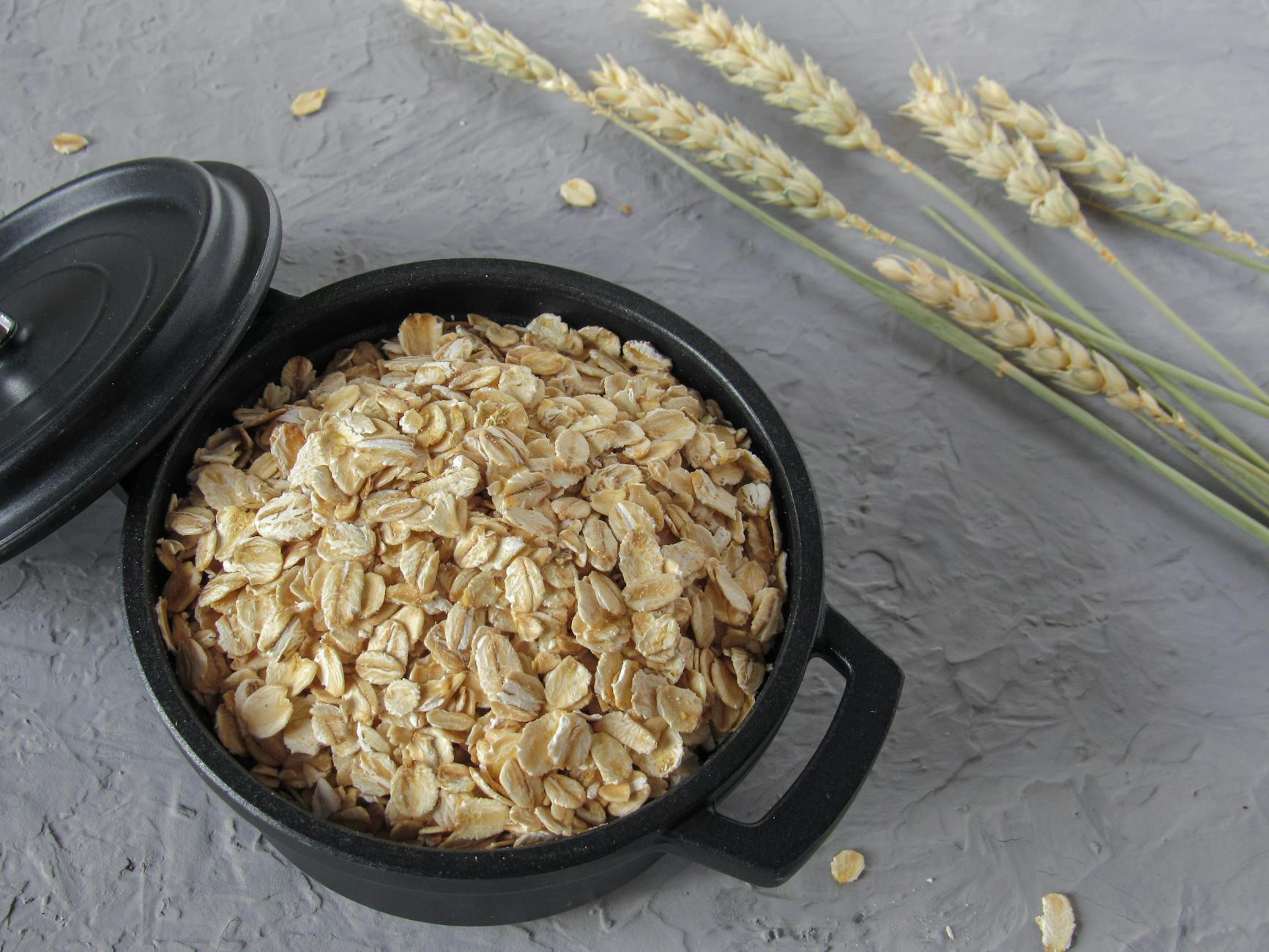
The practical question many people ask is: how do I actually use this information to protect my brain? The research suggests that making whole grains a dietary staple—rather than an occasional choice—is essential. This means choosing steel-cut or rolled oats over instant varieties (which have higher glycemic impact), selecting whole grain bread instead of white bread, eating brown rice instead of white rice, and incorporating other whole grains like quinoa, farro, or barley into your regular meal rotation. A realistic goal might be to include a serving of whole grains at two meals per day, which most research suggests provides meaningful cognitive protection. Where people often go wrong is treating this as either-or: either they eat whole grains or they take supplements. The evidence actually suggests a both-and approach. Start with a solid foundation of whole grains, vegetables, fruits, fish, nuts, and healthy fats. If you have a specific nutrient deficiency identified through blood work, supplement that deficiency.
But don’t expect supplements to compensate for poor dietary choices. Someone eating a diet of processed foods and ultra-refined grains won’t be saved by taking a bottle of brain supplements. Meanwhile, someone eating oatmeal regularly as part of a generally healthy diet will likely experience genuine cognitive benefits. One important comparison: the cost-benefit analysis strongly favors oatmeal over supplements. A container of quality oats costs a few dollars and provides dozens of servings, each offering brain-protective benefits. A month’s supply of the most popular brain supplements—which lack strong evidence—might cost $40 to $100 for minimal benefit. For someone concerned about cognitive health and considering where to invest their healthcare dollars, the choice is financially obvious. You’re spending less money and getting stronger evidence of benefit by choosing whole grains as your primary brain-health investment.
The Limitations of Relying on Oats Alone
While oatmeal is genuinely protective for brain health, it’s important to be realistic about what it can and cannot do. Eating oatmeal cannot prevent all cognitive decline or guarantee you’ll never develop dementia. The 36% risk reduction for Alzheimer’s is substantial, but it still means 64% of people eating whole grains will develop Alzheimer’s if they live long enough. Genetics plays a significant role in dementia risk—if you carry the APOE4 gene variant, which significantly increases Alzheimer’s risk, oatmeal alone won’t offset that genetic predisposition. You’ll still need to address other risk factors like exercise, sleep quality, cognitive engagement, and stress management. Additionally, oatmeal must be consumed consistently over years or decades to provide its protective benefit. Someone who eats oatmeal for a few months and then stops won’t experience lasting protection. The 12-year study demonstrating whole grain benefits was measuring long-term dietary patterns, not short-term interventions.
This is another way that real food differs from supplements: a supplement can provide acute benefits (omega-3s may improve mood within weeks), but oatmeal’s benefits are realized through years of consistent dietary choices. If you’re looking for a quick fix or a short-term intervention, oatmeal isn’t it. There’s also the individual variation factor. Not everyone who eats whole grains experiences the same degree of cognitive benefit. People with different genetic backgrounds, microbiome compositions, overall health status, and medications may respond differently to the same dietary intervention. Someone with celiac disease, for instance, cannot eat regular oats at all (though certified gluten-free oats are an option). The research shows that on average, whole grains protect the brain—but it doesn’t mean it will protect your brain at exactly the expected rate. This is why dietary changes should ideally be monitored by healthcare providers who understand your individual health picture.

How Supplements and Food Compare
The strongest evidence for any supplement’s brain benefits exists for only three categories: omega-3 fatty acids (particularly from fish), B-vitamins (especially B12), and curcumin when taken with iron. Interestingly, all three of these can be obtained from food sources. Fatty fish like salmon provides omega-3s far more effectively than many supplements. Whole grains, legumes, and animal products provide B vitamins. Turmeric (which contains curcumin) can be added to foods. Even when these nutrients come from supplements, the research suggests you’ll receive greater cognitive benefits if you obtain them from food sources instead.
One person taking an omega-3 supplement while eating a processed food diet will likely experience less cognitive benefit than someone eating salmon twice weekly as part of a whole-foods diet, even if the supplement technically provides more omega-3 grams. What about the people paying for expensive supplement regimens promoted specifically for brain health and Alzheimer’s prevention? These often contain ingredients like ginkgo biloba, acetyl-L-carnitine, phosphatidylserine, or proprietary herbal blends. Here’s what the research actually shows: ginkgo biloba has failed to demonstrate significant benefit in large clinical trials for either memory or dementia prevention. The evidence for most other popular brain supplement ingredients is similarly weak. This isn’t to say everyone wasting money is foolish—people are trying to solve a real problem (cognitive decline is terrifying), and the supplement industry has become sophisticated at marketing solutions that feel credible. But the gap between what these products promise and what evidence actually supports is substantial.
The Future of Whole Grain Research for Brain Health
Researchers are increasingly focused on understanding exactly which compounds in whole grains provide the greatest cognitive protection. As they identify specific beneficial molecules—like oat seedling extract—the possibility emerges of developing oat-based therapeutic interventions that might be even more effective than eating oatmeal naturally. However, it’s worth noting that whenever researchers have tried to isolate beneficial compounds from whole foods and deliver them as supplements or medications, the results have often been disappointing. The synergistic effect that makes whole foods powerful is difficult to replicate in manufactured form.
This suggests that for the foreseeable future, eating oatmeal will likely remain superior to any supplement derived from oats. The broader trajectory of dementia research increasingly points toward prevention through lifestyle modification rather than pharmaceutical intervention. Every major review of dementia prevention strategies emphasizes diet, exercise, cognitive engagement, social connection, sleep quality, and stress management. Of these, diet—particularly a pattern emphasizing whole grains, vegetables, fish, and nuts—is one of the most modifiable and evidence-supported interventions. As our population ages and dementia rates continue climbing, this preventive approach through diet may ultimately prove far more impactful than waiting for new drugs or supplements to reach the market.
Conclusion
The evidence is clear: oatmeal and whole grains protect your brain better than most commercially available supplements. A 2023 study found that whole grain consumption reduced dementia risk by 36% for Alzheimer’s specifically, while research shows that most popular brain supplements lack strong scientific support. If you’re concerned about cognitive decline and wondering where to invest your healthcare efforts, choosing oatmeal and other whole grains as dietary staples is far more evidence-based than purchasing expensive supplement regimens. The compounds in oatmeal—particularly oat seedling extract and the thousands of phytochemicals found in whole grains—work through multiple protective mechanisms that no single supplement can replicate.
Begin by evaluating your current diet. Are whole grains a regular part of your meals, or are you primarily eating refined grains? Can you commit to eating a serving of whole grains at lunch and dinner most days? If the answer is no, that’s your starting point—not the supplement aisle. Work with your healthcare provider to ensure you don’t have specific nutrient deficiencies that require supplementation. But for general brain health protection without identified deficiencies, your breakfast bowl of oatmeal may provide more protection than your entire supplement cabinet ever could. The science suggests that when it comes to preventing cognitive decline, the most powerful intervention is often the simplest one: eating real food.
You Might Also Like
- wild blueberries May Protect Your Brain Better Than Supplements
- walnuts May Protect Your Brain Better Than Supplements
- turmeric May Protect Your Brain Better Than Supplements
For more, see Alzheimer’s Association — medical tests.