If you’re looking for the single best berry for brain health and memory, the research points most consistently to blueberries — particularly wild blueberries. A systematic review of eight studies found that blueberry consumption improved short-term memory, long-term memory, and spatial memory in human participants. But blueberries are not the only fruit worth your attention.
Strawberries, blackberries, and raspberries have each shown meaningful cognitive benefits in their own right, and a growing body of evidence suggests that eating a variety of berries together may be more effective than relying on any one type alone. The reason berries matter for brain health comes down to a class of plant compounds called polyphenols — specifically anthocyanins, the pigments that give berries their deep red, blue, and purple colors. These compounds can cross the blood-brain barrier and appear to concentrate in the hippocampus, the brain region most directly involved in learning and memory formation. This article covers what the research says about specific berries, how much evidence we actually have, and practical ways to make berries a meaningful part of a brain-healthy diet — whether you’re trying to protect cognitive function as you age or support someone already showing signs of decline.
Table of Contents
- Which Berries Are Actually Best for Brain Health and Memory?
- How Berries Work in the Brain — The Anthocyanin Mechanism
- The Role of Berries in the MIND Diet and Broader Dietary Patterns
- Fresh, Frozen, or Supplement — What Form Actually Works?
- How Much Berry Research Is Strong Enough to Rely On?
- Berries and Dementia Risk — What the Evidence Does and Does Not Say
- Where Berry Research Is Headed
- Conclusion
- Frequently Asked Questions
Which Berries Are Actually Best for Brain Health and Memory?
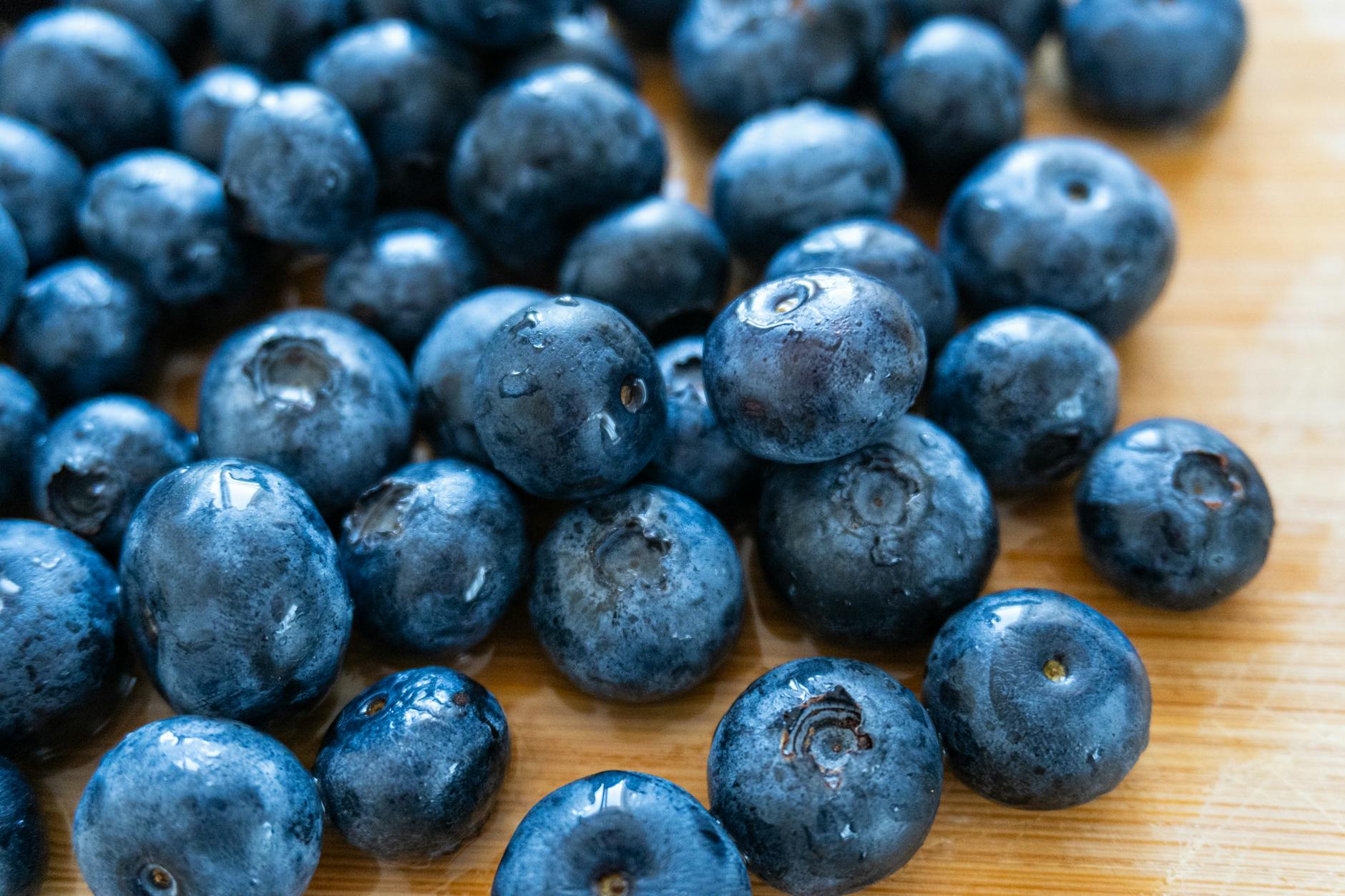
Blueberries hold the strongest evidence base of any single berry studied for cognitive benefit. A 2022 double-blind randomized controlled trial found that wild blueberry consumption over six months improved speed of cognitive processing in adults with mild cognitive decline. A separate study found that older healthy adults who drank concentrated blueberry juice daily showed significant increases in brain activity, blood flow, and memory scores compared to those given a placebo. These are not observational studies or surveys — they are controlled trials that deliberately tested cause and effect. Strawberries have a smaller but genuinely interesting body of evidence behind them.
Research highlighted by the Alzheimer’s Information Service in 2025 found that a daily serving of strawberries led to measurable improvements in thinking skills in middle-aged adults who had reported memory complaints. This is a meaningful finding because middle age is precisely the window where early cognitive protection matters most — changes in the brain associated with Alzheimer’s can begin decades before symptoms appear. Blackberries and raspberries are less studied individually, but both appear in a comprehensive 2025 review published in Sage Journals that identified all four berries — blueberries, strawberries, raspberries, and blackberries — as having neuroprotective potential. Research published in February 2026 specifically highlighted blackberries’ role in enhancing cerebral blood flow and influencing signaling pathways involved in memory and attention. So while blueberries remain the most thoroughly researched, the honest answer is that multiple berries contribute meaningful benefits, and ranking them in a strict hierarchy overstates how much we currently know.
How Berries Work in the Brain — The Anthocyanin Mechanism
The biological story behind berries and brain health begins with anthocyanins. These polyphenolic compounds are responsible for the characteristic colors of dark berries and are the primary candidates for explaining cognitive benefits. Research from Rutgers University has shown that wild blueberry polyphenols can cross the blood-brain barrier — a selective membrane that blocks many substances from reaching brain tissue — and localize specifically in the hippocampus. Because the hippocampus is central to forming and retrieving memories, this localization is significant: these compounds are accumulating in exactly the region most vulnerable to age-related decline and early Alzheimer’s pathology. A 2023 double-blind randomized controlled trial published in the American Journal of Clinical Nutrition found that wild blueberry polyphenols improved both vascular function and cognitive performance. The vascular angle matters because the brain is highly dependent on steady, adequate blood flow.
Impaired cerebrovascular function — reduced or irregular blood flow to brain tissue — is increasingly recognized as a contributor to cognitive decline, not just a symptom of it. Berries appear to support cognition through at least two pathways simultaneously: direct neuroprotection via antioxidant and anti-inflammatory activity, and indirect support through better vascular health. However, this mechanism research has important limitations. Most studies examining how anthocyanins behave in brain tissue have been conducted in animals or in cell cultures, not in living humans. Human trials measuring actual compound concentrations in brain regions are logistically difficult and rare. What we have is a plausible, well-supported hypothesis backed by compelling human behavioral data — but the exact chain of events from berry to better memory is still being mapped. If someone has a condition that impairs nutrient absorption or circulation, for example, they may not benefit from dietary berries in the same way a healthy person would.
The Role of Berries in the MIND Diet and Broader Dietary Patterns
Berries don’t exist in isolation on a dinner plate, and the research increasingly reflects this. The mind diet — a hybrid of the Mediterranean and DASH diets specifically designed for brain health — recommends at least two servings of berries per week as one of its ten brain-healthy food groups. A JAMA-published study of 2,111 older adults following the MIND diet found improvements in working memory and mental processing speed. Berries were a consistent component of what those participants were eating, though separating out the independent contribution of berries from the overall dietary pattern is difficult. This is actually an important distinction. When researchers study a specific berry supplement in a controlled trial, they can isolate its effects.
When researchers study a whole dietary pattern like the MIND diet, the beneficial effects are real but attributable to many overlapping factors — olive oil, leafy greens, nuts, fish, and yes, berries. A 2022 systematic review published in Nature Scientific Reports found that berry-based supplements showed beneficial effects on resting brain perfusion, executive functioning, processing speed, and attention. These supplement studies are useful because they do isolate berry compounds from everything else in the diet. The practical takeaway is that berries likely contribute most meaningfully when they’re part of a broader pattern of eating that includes other anti-inflammatory, nutrient-dense foods. Someone eating berries with an otherwise high-sugar, processed diet is not going to replicate the outcomes seen in MIND diet research. But for someone already eating reasonably well, adding berries as a consistent habit — particularly blueberries — is one of the more evidence-supported dietary adjustments available for brain health.
Fresh, Frozen, or Supplement — What Form Actually Works?
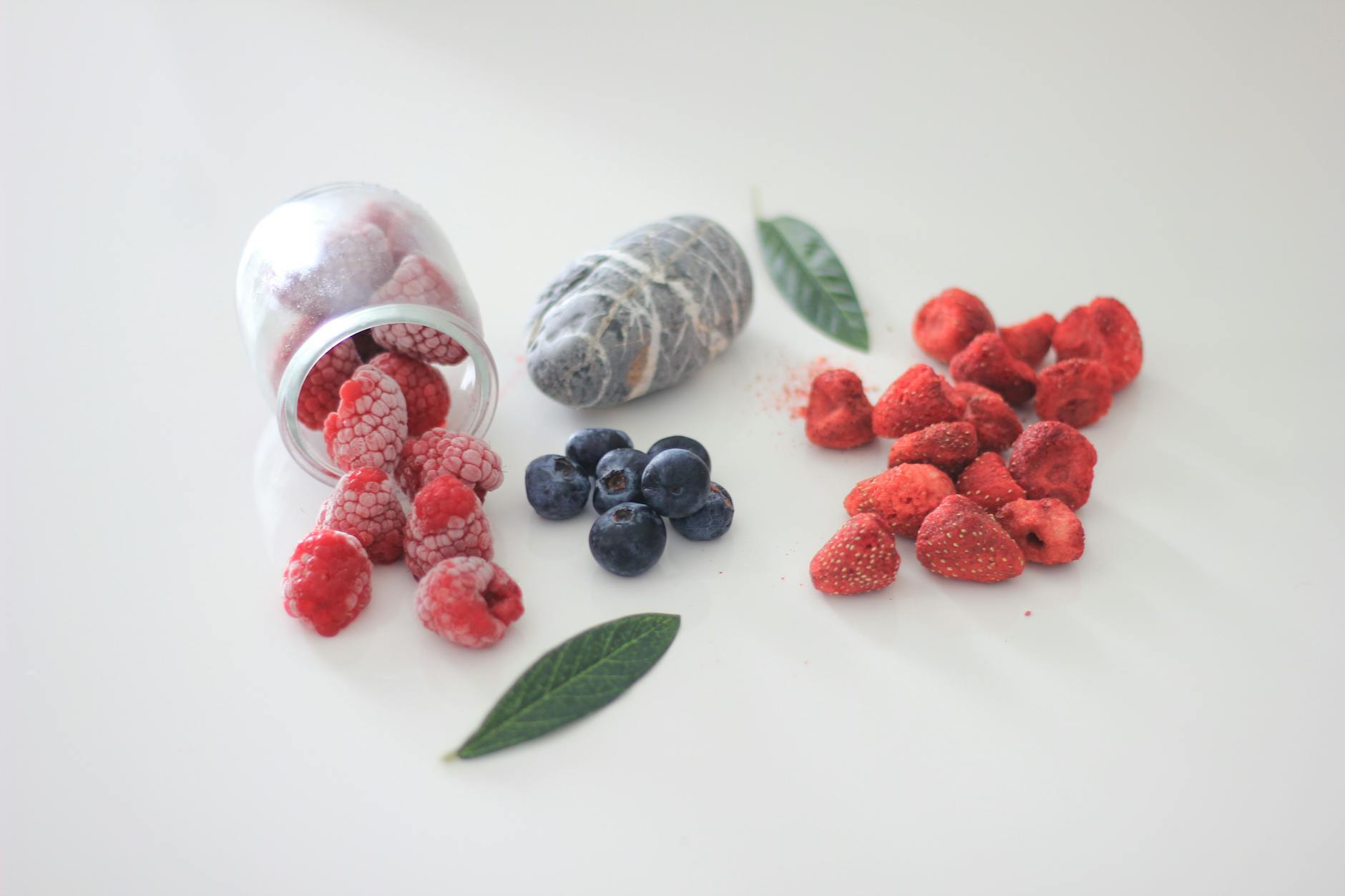
One of the most practical questions for people trying to act on berry research is whether form matters. Fresh wild blueberries are expensive and seasonally limited in many regions. The good news, based on current research, is that frozen berries appear to retain most of their polyphenol content and have been used successfully in multiple clinical studies. Freezing does not significantly degrade anthocyanins. This makes frozen berries a cost-effective and accessible option for most households, and they can be blended into smoothies, added to oatmeal, or stirred into yogurt without much preparation. Berry supplements — concentrated powders or capsules — have also been tested directly. The Nature Scientific Reports 2022 review specifically looked at berry-based supplements and found beneficial effects on brain perfusion and cognitive function.
This is relevant for people who cannot or do not want to eat berries daily, or for older adults who may have appetite changes that make consistent food-based consumption difficult. However, supplements lack the fiber and full nutritional complexity of whole berries, and the supplement market is poorly regulated, making product quality variable. If choosing a supplement, looking for products that specify standardized anthocyanin content is more reliable than relying on general marketing claims. Concentrated juice has also been studied directly. One trial used daily concentrated blueberry juice consumed by healthy older adults and found significant improvements in brain activity, blood flow, and memory compared to placebo. However, juice — even concentrated forms intended for research — typically removes fiber and can carry a meaningful sugar load. For people managing blood sugar, a whole berry approach is preferable. The tradeoff is convenience and concentration versus glycemic impact and cost.
How Much Berry Research Is Strong Enough to Rely On?
The research on berries and cognition is genuinely encouraging, but it comes with caveats that deserve direct acknowledgment. Most individual berry studies involve small sample sizes — typically fewer than 40 participants — and run for relatively short durations, often between four and twelve weeks. Small samples mean results are more susceptible to chance variation, and short durations cannot tell us whether benefits persist or accumulate over years of habitual consumption. This doesn’t make the findings meaningless, but it means the certainty level is moderate, not conclusive. Publication bias is also a real concern in nutritional research. Studies that find a positive effect are more likely to get published than those that find no effect, which can make a body of evidence look stronger than it is.
The berry field is not immune to this. That said, the consistency of positive findings across multiple independent research groups, different berry types, different study populations, and different outcome measures is more reassuring than a single large trial would be. When blueberries show cognitive benefits in a trial from the UK, another from the US, and a meta-analysis pooling eight studies, the convergence of evidence matters. Larger, longer trials are still needed. The field is moving in that direction — the six-month wild blueberry RCT published in 2022 represents a step forward in study duration compared to earlier work. But for now, what can be said with confidence is that regular berry consumption, particularly blueberries, is associated with meaningful cognitive benefits, the biological mechanisms are plausible and partially understood, and the risk of eating more berries is essentially zero for most people. The uncertainty is about magnitude and long-term durability, not about whether there is any effect at all.

Berries and Dementia Risk — What the Evidence Does and Does Not Say
It is important to distinguish between research on cognitive performance in healthy or mildly declining adults and research on dementia prevention. The vast majority of berry studies measure cognitive outcomes — memory test scores, processing speed, attention — in people who do not have dementia. These findings are relevant and valuable, but they do not establish that eating berries prevents Alzheimer’s disease or other dementias. No single food has been proven to prevent dementia in a clinical trial.
What can be said is this: the biological pathways that berries appear to influence — neuroinflammation, oxidative stress, cerebrovascular function, and hippocampal activity — are the same pathways implicated in early Alzheimer’s pathology. Interventions that protect these pathways in midlife and early old age are considered candidates for delaying onset or slowing progression. For caregivers of someone with early-stage dementia, incorporating berries into meals is a low-risk, potentially beneficial dietary strategy with good nutritional value independent of any cognitive effects. For adults in their 40s and 50s concerned about future risk, the evidence supports making berries a habitual part of the diet without overstating what that habit will guarantee.
Where Berry Research Is Headed
The next generation of berry research is moving toward longer-duration trials, more specific biomarker measurement, and better characterization of who benefits most. Researchers are beginning to look at whether people with certain genetic profiles — particularly those carrying the APOE4 allele associated with higher Alzheimer’s risk — respond differently to polyphenol-rich diets. There is also growing interest in the gut-brain axis: the idea that berries’ effects on gut microbiome composition may mediate some of their neurological benefits, opening a new explanatory pathway beyond direct blood-brain barrier crossing.
For now, the practical picture is clearer than the mechanistic one. Blueberries have the most evidence, strawberries and blackberries have meaningful evidence, and all berries appear to contribute something via shared polyphenol mechanisms. The field is maturing, and there is reason to expect stronger, longer trials in the coming years that will clarify how much, how often, and for whom berries produce the most significant cognitive benefit.
Conclusion
Of all the dietary choices with plausible links to brain health, berries are among the most studied and most consistently supported. Blueberries stand out as the single most evidence-backed option, with multiple randomized controlled trials showing improvements in memory, processing speed, and brain blood flow. Strawberries and blackberries follow with their own research support, and a 2025 comprehensive review identified all four major berry types as having genuine neuroprotective potential via polyphenols and anthocyanins.
The mechanism — anthocyanins crossing the blood-brain barrier and accumulating in the hippocampus — is biologically coherent and supported by both lab and human evidence. The honest qualification is that most studies are small and short, and no food has been proven to prevent dementia outright. But given that regular berry consumption carries no meaningful risk, fits into almost any diet, and is supported by converging evidence across multiple research groups and study designs, it is one of the more defensible dietary recommendations available for anyone concerned about long-term cognitive health. Aiming for a daily or near-daily serving — particularly frozen or fresh blueberries — is a practical starting point, ideally as part of a broader pattern that includes other brain-healthy foods.
Frequently Asked Questions
How many blueberries do you need to eat to see cognitive benefits?
Studies vary in the amounts used, but many trials have used roughly one cup of fresh or frozen blueberries per day, or the equivalent in concentrated powder or juice. Consistent daily consumption over weeks and months appears more important than any specific precise dose.
Are wild blueberries better than cultivated blueberries for brain health?
Several studies have specifically used wild blueberries, which are smaller and tend to have higher anthocyanin concentrations by weight than cultivated varieties. Whether this translates to meaningfully greater cognitive benefit in practice is not firmly established, but wild blueberries are at least as good and possibly more potent.
Can people with diabetes or blood sugar concerns eat enough berries to benefit?
Whole berries have a relatively low glycemic impact compared to juices and are generally considered compatible with blood sugar management when eaten in moderate portions. Concentrated blueberry juice, which has been used in some studies, is less suitable for people managing glucose carefully. Frozen whole berries are a practical option.
Do berry benefits apply to people who already have dementia, or only those trying to prevent it?
Most studies have focused on healthy older adults or those with mild cognitive impairment, not people with diagnosed dementia. The research does not demonstrate reversal of dementia symptoms. However, the vascular and anti-inflammatory effects of berries are broadly beneficial, and there is no reason to exclude them from the diet of someone with dementia — they offer good nutrition regardless.
Is it better to eat berries fresh rather than frozen?
Frozen berries retain most of their polyphenol content and have been used directly in clinical research. For practical daily use, frozen berries are an excellent and cost-effective alternative to fresh, particularly outside of berry season.
Do other fruits provide similar brain benefits, or are berries uniquely effective?
Berries are among the highest dietary sources of anthocyanins, which appear to be a key active compound for cognitive benefit. Other deeply colored fruits like cherries and grapes also contain relevant polyphenols, but berries — particularly blueberries — have a substantially larger base of direct cognitive research behind them than most other individual fruits.