The most promising dementia clinical trials right now include a repurposed erectile dysfunction drug showing strong early signals, a medical device that uses flickering lights to stimulate the brain, and a Roche antibody that achieved amyloid clearance in 91% of its highest-dose group with dramatically lower rates of brain bleeding than existing approved treatments. These are not distant possibilities — several Phase 3 trials are expected to report topline results in 2026, and the broader Alzheimer’s pipeline currently includes 138 drugs being assessed across 182 clinical trials.
For families navigating a dementia diagnosis, this represents a meaningful shift in the pace and diversity of research. This article covers the most advanced trials most likely to produce near-term results, the earlier-stage compounds that researchers are watching closely, what the current pipeline looks like at a structural level, and what lifestyle research is adding to the picture. It also addresses the practical question of how someone might consider participating in a trial, and what the realistic expectations should be.
Table of Contents
- Which Dementia Clinical Trials Are Closest to Producing Results in 2026?
- What Makes Trontinemab and BIIB080 Stand Out Among Earlier-Stage Trials?
- What Does the Full Alzheimer’s Drug Pipeline Look Like Right Now?
- Should Someone Consider Enrolling in a Dementia Clinical Trial?
- What Are the Limitations and Risks of the Current Research?
- What Is Lifestyle Research Telling Us About Dementia Prevention?
- What Does the Next Two Years Look Like for Dementia Research?
- Conclusion
- Frequently Asked Questions
Which Dementia Clinical Trials Are Closest to Producing Results in 2026?
Four trials stand out for their phase of development and expected readout timelines. The POLARIS-AD trial, run by AriBio, is testing a drug called AR1001 — mirodenafil, originally developed for erectile dysfunction — which works by targeting toxic amyloid-beta oligomers, a key driver of Alzheimer’s pathology. With over 1,500 participants enrolled, it is one of the larger Phase 3 trials currently underway, and topline results are expected in the second half of 2026. Repurposed drugs like this one have a practical advantage: their safety profiles are already well-established in humans, which can reduce the risk of late-stage failures tied to unforeseen toxicity. Cognito Therapeutics is taking an entirely different approach with its SPECTRIS Headset, a medical device rather than a drug. The device delivers flickering lights and sounds at a specific frequency — 40 Hz gamma stimulation — designed to activate the brain’s natural cleanup mechanisms.
A 670-person Phase 3 trial is expected to finish in June 2026. This is notable not just for the unconventional mechanism but for what it would mean for access: a device-based therapy might reach patients differently than infused biologics, which require clinical infrastructure. The comparison to lecanemab and donanemab — both of which demand regular infusions and careful monitoring for brain swelling — illustrates why a non-pharmacological option would be genuinely significant. Metformin, the widely prescribed diabetes medication, is also in Phase 3 testing for Alzheimer’s disease with results expected in 2026. And the ADEPT-2 trial is evaluating xanomeline/trospium, a combination currently approved for schizophrenia that targets muscarinic receptors. If successful, it could become the first drug in a new class specifically addressing agitation and psychosis in Alzheimer’s patients — symptoms that are currently difficult to manage safely and that cause significant caregiver burden.

What Makes Trontinemab and BIIB080 Stand Out Among Earlier-Stage Trials?
Among trials not yet in Phase 3, two compounds are generating the most scientific attention. Roche’s trontinemab uses what the company calls “Brainshuttle” technology — a mechanism designed to ferry the antibody across the blood-brain barrier more efficiently than conventional approaches. In a Phase 1b/2a trial involving 114 subjects, 91% of participants in the highest-dose group achieved amyloid negativity at 28 weeks. Equally important, the rates of brain bleeding and edema — the safety events known as ARIA that have been a persistent concern with lecanemab and donanemab — were three to five times lower in the trontinemab group. That combination of efficacy and safety, if it holds in larger trials, would mark a significant improvement over what is currently approved. BIIB080, from Biogen, targets a different protein entirely: tau. While most approved and late-stage treatments focus on amyloid, tau tangles are the other defining feature of Alzheimer’s pathology, and their accumulation correlates more closely with cognitive decline.
BIIB080 is an antisense oligonucleotide — a type of genetic medicine that interferes with the production of tau protein at the molecular level. Phase 1 results showed reductions in soluble tau in cerebrospinal fluid and decreased tau pathology in the brain. The FDA granted it Fast Track designation, which accelerates the review process. New data is expected in 2026. However, it is worth noting a limitation that applies broadly to early-phase results: Phase 1 and early Phase 2 data are designed to establish safety and biological activity, not to prove clinical benefit. The jump from “we see the target protein changing” to “patients are meaningfully better off” has failed for many Alzheimer’s compounds. Trontinemab and BIIB080 are promising precisely because their mechanisms and early signals are strong — but the field has seen promising signals disappear in larger trials before.
What Does the Full Alzheimer’s Drug Pipeline Look Like Right Now?
To understand individual trials in context, it helps to see the full landscape. According to 2025 pipeline data published in Alzheimer’s & Dementia: Translational Research, 138 drugs are currently being assessed across 182 clinical trials. That number reflects a pipeline more diverse in its targets than at any previous point. Researchers are pursuing 15 different disease processes, from amyloid and tau to neuroinflammation, synaptic function, and metabolic pathways. The breakdown by drug type is revealing: 43% are small molecule disease-targeted therapies, 30% are biological disease-targeted therapies (like antibodies), 14% are cognitive enhancement drugs aimed at symptom improvement rather than disease modification, and 11% target neuropsychiatric symptoms like agitation, anxiety, and psychosis.
That last category matters enormously to caregivers. Managing behavioral symptoms is often the most exhausting and dangerous aspect of living with someone who has advanced dementia, and it has historically been underserved by research. One concrete example of how diverse this pipeline has become: CT1812, funded by the NIH, is being tested not only in Alzheimer’s disease but also in Lewy body dementia — a condition that accounts for roughly 10 to 15% of all dementia cases but has historically received far less research attention. CT1812 is currently recruiting for Phase 2B to evaluate cognitive improvement in early Alzheimer’s. The inclusion of Lewy body dementia in the trial program reflects a growing recognition that different dementia subtypes need targeted approaches, not just adaptations of Alzheimer’s therapies.
Should Someone Consider Enrolling in a Dementia Clinical Trial?
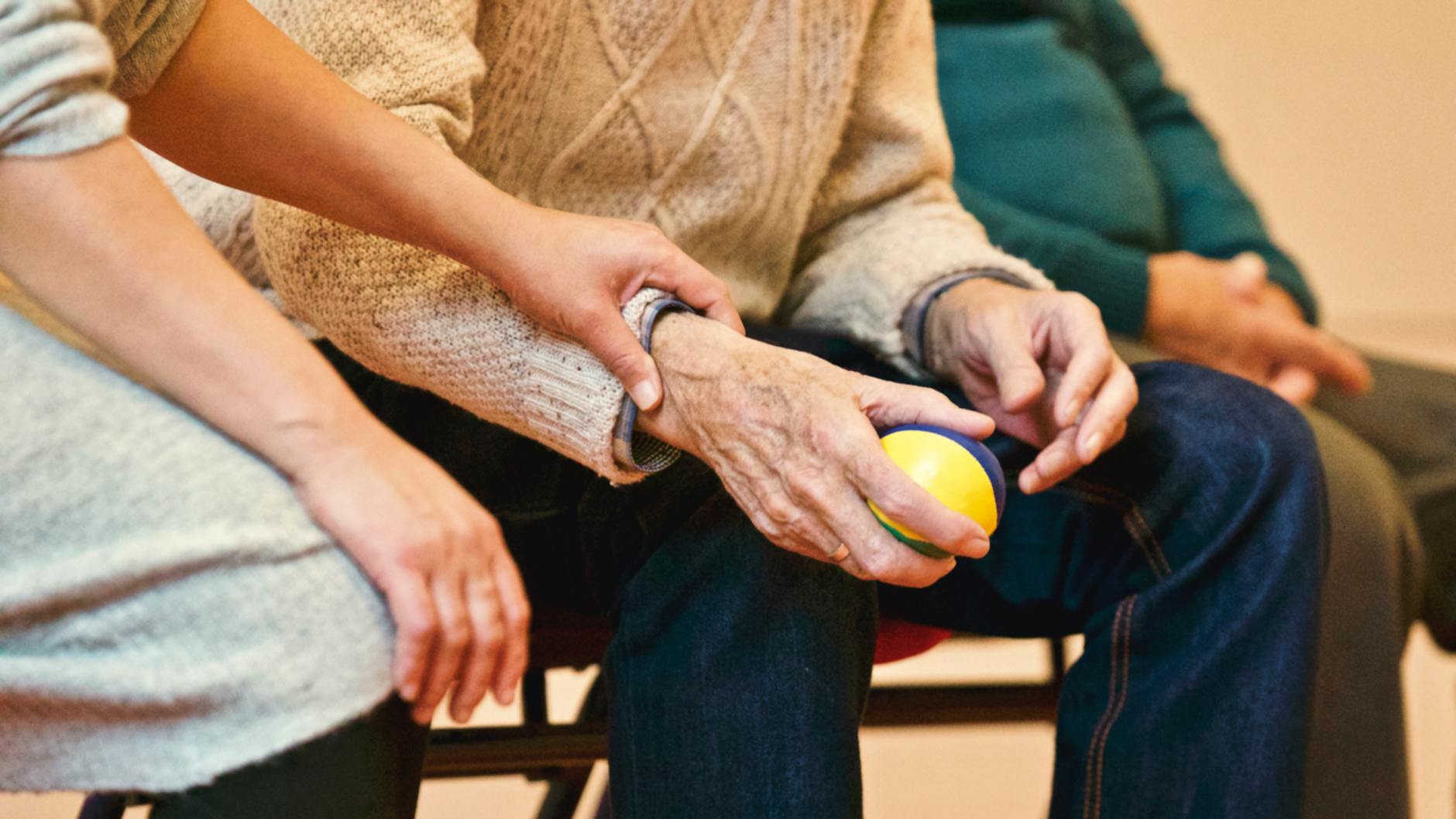
Participating in a clinical trial is not the right choice for everyone, and the decision deserves careful thought rather than desperation-driven urgency. The practical starting point is ClinicalTrials.gov, the U.S. government’s database of registered trials, where you can search by diagnosis, location, age, and stage of disease. The Alzheimer’s Association’s TrialMatch service offers a more guided version of the same function, matching individuals to trials based on their specific profile. The tradeoffs are real. In a Phase 3 trial, participants may receive a placebo — which means committing substantial time and energy with no guarantee of receiving the experimental treatment.
Some trials require frequent visits, specialized imaging like PET scans, or lumbar punctures to measure cerebrospinal fluid. Travel burdens can be significant, especially for trials run at academic medical centers. On the other side of the ledger, participants often receive closer monitoring than in routine clinical care, and the data generated directly benefits future patients even when an individual does not personally benefit. Early-stage disease is generally an advantage when considering enrollment. Many of the most important trials — including BIIB080 and CT1812 — are targeting mild cognitive impairment or early Alzheimer’s, operating on the theory that intervention before extensive neuronal loss gives treatments the best chance of working. For someone recently diagnosed, the window of eligibility for these trials may be meaningful. For someone in later stages, the options narrow, though neuropsychiatric symptom trials like ADEPT-2 remain relevant.
What Are the Limitations and Risks of the Current Research?
The history of Alzheimer’s drug development is a history of high-profile failures. Dozens of drugs that showed promise in animal models or early human trials have failed to demonstrate benefit in large-scale Phase 3 studies. This pattern has led to serious questions about whether the targets being pursued — amyloid in particular — are the right ones, and whether the field has been too slow to incorporate lifestyle, metabolic, and inflammatory factors into its models. Even the approved drugs lecanemab and donanemab, which represent genuine milestones, come with caveats.
They slow cognitive decline rather than reversing it, the magnitude of benefit is modest on clinical scales, they require regular infusions and MRI monitoring, and they carry a meaningful risk of ARIA — brain bleeding or swelling that can be serious and occasionally fatal. The enthusiasm around trontinemab’s lower ARIA rates is partly a reaction to how significant a limitation ARIA has been in practice. There is also a structural problem in dementia research: trials are expensive, slow, and require enormous numbers of participants because cognitive outcomes are hard to measure precisely. Recruitment is chronically difficult, and underrepresentation of minority populations — Black Americans, Hispanic Americans, and others who face higher dementia risk — remains a persistent failure that limits how broadly trial results can be applied. Anyone considering a trial should also be aware that results can be inconclusive even after years of participation, and that a trial stopping early for futility or safety reasons is not uncommon.

What Is Lifestyle Research Telling Us About Dementia Prevention?
Alongside drug and device trials, lifestyle intervention research has produced some of the most actionable findings of the last several years. The U.S. POINTER trial, which tested two versions of a multidomain lifestyle intervention in older adults at elevated risk for cognitive decline, found that both approaches improved cognition — and that the more structured, supported approach produced greater improvement than a self-guided program.
The protective effects lasted up to two years. This matters because it confirms that cognitive risk is not fixed, and that behavioral factors can shift the trajectory. The comparison between the structured and self-guided arms of POINTER is instructive for anyone trying to apply these findings practically. Knowing that exercise, diet, cognitive engagement, and social connection matter is not enough on its own — structured support, accountability, and guidance appear to produce meaningfully better outcomes than good intentions without scaffolding.
What Does the Next Two Years Look Like for Dementia Research?
The period from 2025 to 2027 may be the most consequential in dementia research history in terms of trial readouts. Several Phase 3 results will land, and they will either expand the treatment options meaningfully or force another reckoning with the field’s assumptions.
The diversity of mechanisms being tested — amyloid, tau, gamma frequency stimulation, muscarinic receptors, repurposed metabolic drugs — means that a failure in one area does not collapse the whole landscape. What remains uncertain is whether any of these treatments will change the lived experience of dementia in ways that are obvious to patients and families, rather than detectable only on biomarker tests and clinical rating scales. That is the harder question, and it is one the field is increasingly trying to answer directly by incorporating patient-reported outcomes and caregiver burden measures into its endpoints.
Conclusion
The most promising dementia clinical trials right now are a mix of near-term Phase 3 readouts — AR1001, the SPECTRIS headset, metformin, and xanomeline/trospium — and earlier-stage work in tau targeting and next-generation amyloid immunotherapy. Roche’s trontinemab and Biogen’s BIIB080 represent the clearest scientific advances of the last year, and the overall pipeline, with 138 drugs across 182 trials, is broader and more mechanistically diverse than it has ever been. Lifestyle research adds a parallel track that is actionable right now, without waiting for a trial to conclude.
For individuals and families, the practical takeaway is to stay informed and, if appropriate, consider clinical trial participation while eligibility windows are open. A neurologist specializing in memory disorders is the best starting point for evaluating which trials might fit a specific situation. The research is genuinely moving — not at the pace that families need, but at a pace that is meaningfully faster than even five years ago.
Frequently Asked Questions
How do I find out if I qualify for a dementia clinical trial?
The best starting points are ClinicalTrials.gov, which lists all registered trials with eligibility criteria, and the Alzheimer’s Association’s TrialMatch service, which helps match individuals to studies based on diagnosis, location, and disease stage. A neurologist or memory care specialist can also help interpret eligibility criteria.
Are Phase 3 trials the most important ones to watch?
Phase 3 trials are closest to potential approval and produce the most definitive evidence. However, earlier-stage trials like BIIB080 and trontinemab can be equally significant scientifically, especially when early data shows strong signals on both efficacy and safety.
What is ARIA, and why does it matter in Alzheimer’s drug trials?
ARIA stands for amyloid-related imaging abnormalities — essentially brain bleeding or swelling that can occur with certain amyloid-targeting antibody treatments. It has been a significant limitation of lecanemab and donanemab. Trontinemab’s Phase 1b/2a data showed ARIA rates three to five times lower than those drugs, which is one reason it is being watched closely.
Is it possible to enroll in a trial if a loved one has moderate or advanced dementia?
Most disease-modification trials target early-stage disease, because the rationale is to intervene before extensive neuronal loss. However, trials focused on behavioral and neuropsychiatric symptoms — like ADEPT-2 — may include participants with more advanced disease. Eligibility varies by trial.
What is the U.S. POINTER trial, and what did it find?
POINTER was a large lifestyle intervention trial that tested whether a combination of exercise, diet, cognitive activity, and social engagement could protect against cognitive decline in older adults at elevated risk. Results presented at AAIC 2025 found that both intervention arms improved cognition, with the more structured program showing greater benefit, and protective effects lasting up to two years.
Does the size of the Alzheimer’s drug pipeline mean a cure is near?
A large pipeline reflects scientific momentum, but most drugs in trials will not reach approval. The 138 drugs currently in 182 trials represent a broad search — not a guarantee of success. What the pipeline does suggest is that researchers are pursuing more diverse targets than before, which reduces the risk that the entire field rises or falls on a single mechanism like amyloid.
You Might Also Like
- What are the dietary supplements most studied for dementia
- What are the withdrawal effects of stopping dementia medications
- What are the side effects of donepezil for dementia
For more, see Alzheimer’s Association — clinical trials.