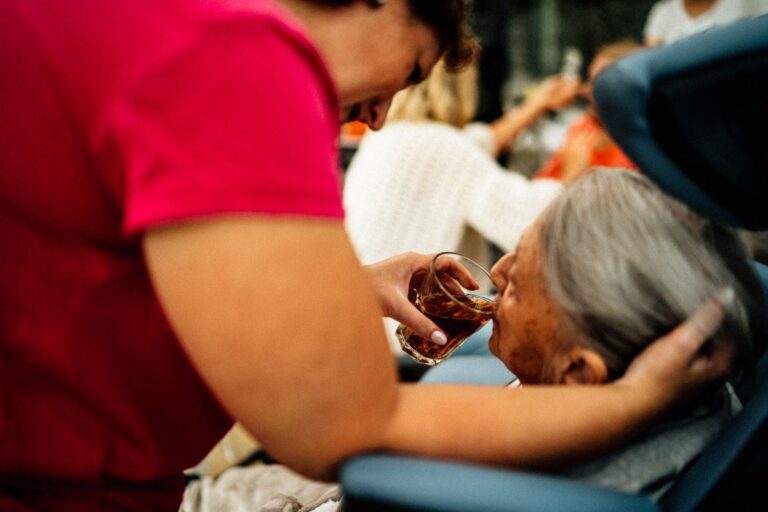
Offer no-cook food preparation — ready-to-eat food needing no stove or oven — daily when cooking looks unsafe, choices overwhelm, or meals go uneaten. Replace three large meals with several small meals and snacks available through the day and night. This shift supports steady intake when memory or attention falters.
People in middle- and late-stage Alzheimer's may forget to eat, think they already ate, or feel overwhelmed by choices. The Alzheimer's Association advises several small meals rather than three large ones at this stage, as explained in its eating guide. No-cook servings make that pattern safer and simpler to keep up.
Medical information disclaimer: This article is for general educational purposes only and does not provide medical advice, diagnosis, or treatment. Always consult a physician or other qualified health professional about symptoms, medications, tests, or treatment decisions.
Table of Contents
- When to switch away from cooking
- How often to offer food each day
- Which no-cook foods keep eating easier
- When to get medical help instead
When to switch away from cooking
Switch to no-cook when heat becomes risky or meals stall. Burned food left on the stove or an oven left on signals unsafe cooking ability. Serve food at ready-to-eat temperature, because waiting for food to cool can deter eating.
Keep the kitchen safer while you make the change. The National Institute on Aging recommends safety knobs, an automatic shut-off switch, hot-surface signs, plus frequent refrigerator checks with spoiled food discarded, in its home safety tips. These steps reduce burns, fires, and spoiled-food eating.
How often to offer food each day
Offer smaller, more frequent meals instead of a traditional three-meals-a-day pattern. The Family Caregiver Alliance also points to nutritional supplements between meals when intake runs low. Keep mealtimes in the daily routine so eating stays expected.
When wandering or sitting through meals is hard, keep snacks available day and night. Hospital guidance from Cambridge and Frimley NHS groups recommends portable finger foods to eat while walking. Short, calm offers work better than one long meal.
Which no-cook foods keep eating easier
Buy easy no-cook-friendly foods and watch intake closely. The National Institute on Aging suggests premade salads and single portions of liked foods, with weight and habits checked for eating too little or too much, in its healthy eating guidance. Single servings also limit overwhelming choices.
When utensils become difficult, bite-sized finger foods support independent eating, according to the Alzheimer's Association. Offer pieces that are easy to hold, chew, and see. Replace anything that crumbles, slips, or needs two hands.
- premade salads and single portions of liked foods
- tuna sandwiches, chicken nuggets, or fish sticks in bite-sized pieces
- orange segments and steamed broccoli or cauliflower pieces
- ready-to-drink supplements between meals when advised
When to get medical help instead
No-cook routine does not fix every eating problem. Watch for weight loss, coughing while eating, dehydration, diabetes concerns, swallowing difficulty, or appetite change tied to medicine.
These signs need prompt review rather than more snacks. The Family Caregiver Alliance points families to a doctor, dietitian, or speech-language evaluation for these issues, as described in its feeding and nutrition resource. Softer textures may help, but ask for a swallowing check before changing textures on your own.