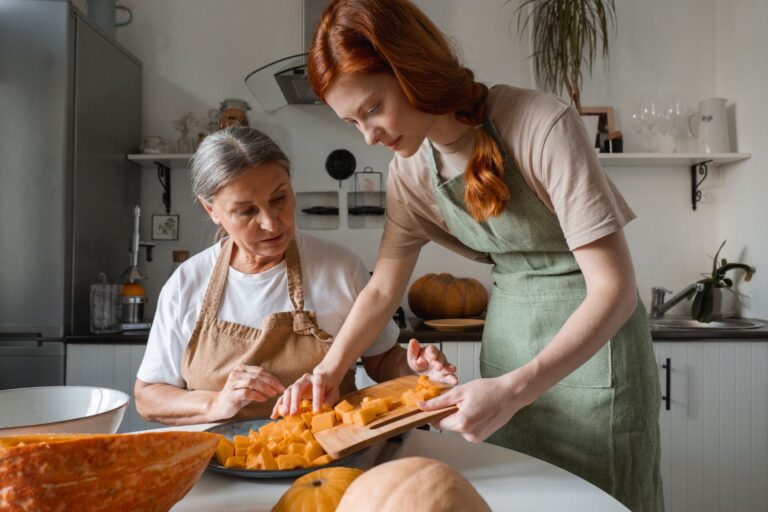
No-cook preparation for a low-energy dementia day means a quiet table, ready-to-eat balanced foods, and strict cold-food safety. A low-energy day means the person has little appetite, focus, or stamina for cooking and long meals. The goal is less work with steadier intake. Limited choices, finger foods, small frequent meals, and fluids between bites help the day go smoother.
Medical information disclaimer: This article is for general educational purposes only and does not provide medical advice, diagnosis, or treatment. Always consult a physician or other qualified health professional about symptoms, medications, tests, or treatment decisions.
Table of Contents
- Make the eating space calm and simple
- What supplies cover a balanced no-cook day?
- How do you pace meals and fluids when appetite is low?
- How do you keep no-cook food safe?
Make the eating space calm and simple
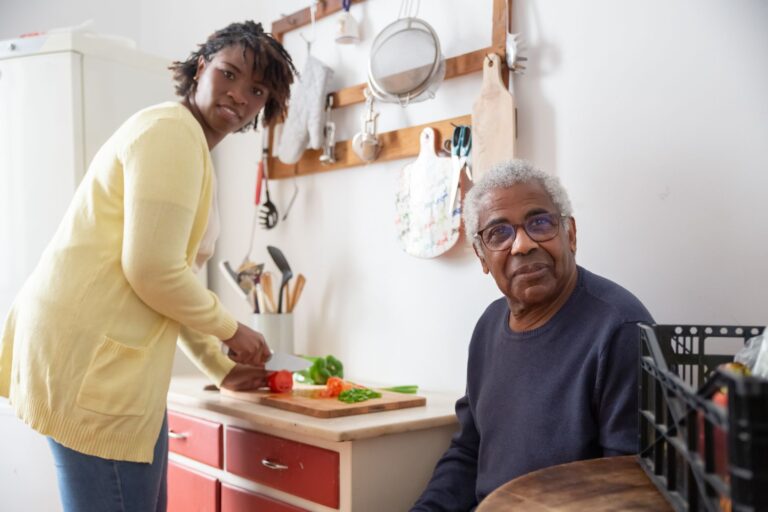
The Alzheimer's Association advises quiet surroundings away from TV for middle-stage Alzheimer's meals, with one or two foods, plain contrasting dishes, and plenty of time Alzheimer's Association food and eating guidance. Clear the table of clutter before the plate arrives. Keep the cup, napkin, and one utensil within easy reach.
Ask the person to sit upright for eating. Offer one dish at a time and pause between bites. Stay nearby without rushing the meal.
What supplies cover a balanced no-cook day?
The Alzheimer's Association describes a balanced no-cook day as vegetables, fruits, whole grains, low-fat dairy or fortified soy, and lean proteins such as beans, nut butter, canned fish, eggs, and yogurt. Finger foods aid independence when utensils are hard, including tuna sandwiches, cheese cubes, orange segments, chopped fruit, and soft vegetable pieces. Keep portions small and ready to pick up.
- Whole-grain bread, tortillas, and peanut butter for quick sandwiches
- Cheese cubes, yogurt cups, hard-boiled eggs, and opened canned tuna or beans
- Orange segments, berries, chopped melon, cherry tomatoes, and soft cucumber pieces
- Milk, water, and low-fat soup or water-rich fruit for sipping and snacking
How do you pace meals and fluids when appetite is low?
The National Institute on Aging recommends smaller but more frequent meals and calorie-rich snacks as appetite falls, enriching foods if intake is low while avoiding overfeeding or force-feeding National Institute on Aging eating-well tips. Offer breakfast foods again at lunch if morning intake was poor. Add yogurt, nut butter, or cheese to raise calories without a larger plate.
Older adults lose thirst sensation, so the National Institute on Aging advises sipping water, milk, or juice between bites. Offer fat-free or low-fat milk or drinks without added sugars. Use low-fat soup or water-rich fruit as snacks through the day.
How do you keep no-cook food safe?
FoodSafety.gov warns that perishable foods such as cut fruit, vegetables, deli meat, cheese, yogurt, and opened canned fish must be refrigerated within 2 hours, or within 1 hour above 90°F, because bacteria multiply rapidly between 40°F and 140°F FoodSafety.gov food safety steps. Keep the refrigerator at 40°F or below and the freezer at 0°F or below. Nestle cold foods in ice or coolers when away from the refrigerator.
Wash hands for 20 seconds before and after handling food. Rinse produce under running water and keep raw meat, poultry, seafood, and eggs separate from ready-to-eat foods. Cut foods into small soft bite-sized pieces and eat sitting upright. Discard any perishable left out beyond two hours.