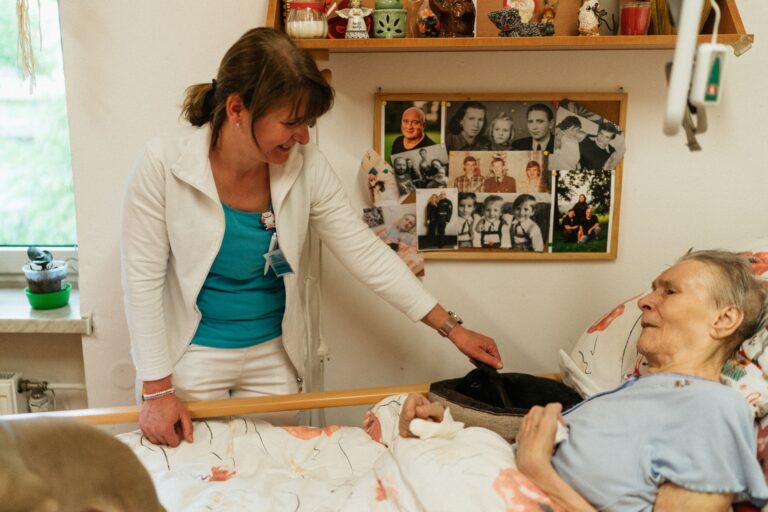
When you move a parent into memory care, the essentials to bring are their medical records, legal documents, clearly labeled clothing, personal identification items, comfort objects, and medication information. But the actual list goes much deeper than these basics, and what you pack matters far more when your parent has cognitive decline and may not recognize their surroundings or communicate their needs clearly. If your father has been living independently for decades and suddenly can’t manage his own affairs, the thought of boxing up his life into what fits in a memory care room can feel overwhelming—yet being thorough about what you bring sets him up for better care and a smoother transition.
The difference between residents who settle into memory care and those who struggle often comes down to practical preparation before move-in day. You’re not just moving possessions; you’re translating your parent’s identity, medical history, and daily needs into a format the care team can actually use. A facility staff member who knows your mother takes her medications with applesauce, or that she becomes agitated without her reading glasses, has crucial information that can prevent falls, medication errors, and behavioral crises.
Medical information disclaimer: This article is for general educational purposes only and does not provide medical advice, diagnosis, or treatment. Always consult a physician or other qualified health professional about symptoms, medications, tests, or treatment decisions.
Table of Contents
- Essential Documents That Shouldn’t Get Lost in the Move
- Clothing and Personal Items: Quality Over Quantity
- Comfort Objects and Sensory Items That Can Reduce Anxiety
- Medications, Medical Equipment, and Healthcare Instructions
- Items to Reconsider or Avoid Bringing to Memory Care
- Coordinating with the Facility About Specific Requirements
- Building the Transition Kit for the First Weeks
- Frequently Asked Questions
Essential Documents That Shouldn’t Get Lost in the Move
Your parent’s medical records are the single most important thing to bring to memory care. This includes their primary care physician’s contact information, any diagnoses (particularly the dementia diagnosis and subtype, if documented), current medications with dosages, allergies—especially medication allergies, since allergies to common drugs can be overlooked in a crisis—and immunization records. If your mother takes a beta-blocker for blood pressure but has a history of severe bradycardia, or your father has celiac disease but it was diagnosed decades ago and family members have forgotten, the memory care team needs to know before an error happens.
Legal documents should be packed and accessible: power of attorney documents (healthcare and financial), the will or living trust, advance directives or living will, HIPAA authorization forms that allow the facility to discuss care with you, and insurance information including Medicare or Medicaid cards. Many families make the mistake of leaving these in a safe deposit box or with an attorney and not providing the facility with copies. Bring originals if the facility requires them for their records, or certified copies, and keep a backup set at home. If your parent was ever diagnosed with a specific type of dementia—Alzheimer’s, frontotemporal, Lewy body, vascular—that diagnosis should be clearly documented in the paperwork you provide, because different types of dementia can require different approaches to behavior management and communication.
Clothing and Personal Items: Quality Over Quantity
Memory care residents don’t need as much clothing as you might think, but what they need should be practical and labeled. Bring seven to ten days’ worth of clothing: comfortable pants or leggings without complex fasteners, soft shirts, undergarments, socks, and a light sweater. Many facilities will wash clothes weekly, but you want to make sure there’s always a clean set available. Avoid anything with buttons, zippers that jam, or complicated closures that create frustration when your parent gets dressed. Elastic waistbands and pull-over shirts are standard for a reason—they reduce the physical and cognitive burden of dressing independently.
Label everything with a permanent marker or iron-on labels, even if the facility has a labeling system. Socks, shirts, underwear, and sweaters get lost in industrial laundry. If you don’t mark a specific item with your mother’s name, it disappears into the facility’s lost-and-found or gets mixed with another resident’s belongings. Some families buy multiple identical items so replacement is not a financial hit, but that’s a choice based on your budget. Avoid sentimental or expensive clothing—your parent is in memory care, not a wedding; comfort and washability matter far more than appearance. Bring at least one complete change of shoes including slippers with non-slip soles, which prevent falls on the facility’s polished hallways.
Comfort Objects and Sensory Items That Can Reduce Anxiety
A familiar object from home—a photograph, a quilt, a stuffed animal, a music box—can have an outsized impact on how safe your parent feels in a new environment. If your mother has always slept with the same pillow or has a blanket she’s used for decades, bring it. If your father listens to music, bring a small portable speaker and a list of his favorite artists. These items shouldn’t be irreplaceable or expensive, but they should be genuinely familiar. One family brought their father’s old coffee mug to the memory care facility, and staff reported he was calmer during breakfast because he recognized the mug—a small anchor to his former life.
One warning: avoid bringing items that might confuse your parent or create safety issues. If your mother still has keys to her old house, bringing a keychain might trigger her to want to leave and check on the property. If your father has collections that he’s obsessive about—coins, stamps, tools—keeping those items in his room might create anxiety or agitation rather than comfort. Discuss specific items with the facility’s activities director, who can advise whether a particular object is likely to help or harm your parent’s emotional regulation. Also, the facility may have restrictions on what can be brought due to fire codes, bed bug prevention, or security protocols—ask specifically about pets, candles, plug-in air fresheners, and extension cords before you pack.
Medications, Medical Equipment, and Healthcare Instructions
Bring a complete list of your parent’s current medications, including over-the-counter supplements, with dosages, frequencies, and the reasons they’re being taken. Facilities typically manage medication themselves and won’t use bottles you bring, but they need this information to reconcile against their records and catch any errors. If your mother takes a sleeping pill only occasionally, or your father uses an inhaler as-needed rather than daily, these patterns matter. Include the name and number of the pharmacy that currently fills these prescriptions—sometimes a facility will need to verify information.
If your parent uses medical equipment like a CPAP machine for sleep apnea, glasses, hearing aids, a cane, a walker, or an orthotic device, bring those items with clear instructions on how they’re used and maintained. Hearing aids require specific batteries; CPAP machines need distilled water and regular cleaning. If the facility doesn’t have staff trained to maintain a device, it will sit unused, which defeats its purpose. If your father has a wheelchair or a transfer belt, bring it and train the staff on the specific techniques he responds to. Document any mobility or transfer issues—does he put weight on his left leg first? Does he become dizzy when standing quickly?—because this information prevents falls and injuries.
Items to Reconsider or Avoid Bringing to Memory Care
Don’t bring large sums of cash or expensive jewelry. Memory care residents often lose track of valuables, other residents may take items, or staff members may be suspected of theft even if it didn’t occur. If your mother has a wedding ring with real sentimental value, consider bringing a less expensive version or a photograph instead. If your father receives a small allowance for incidentals, most facilities can manage that through their accounting system without having cash in the room. A limited wardrobe is appropriate, but a full closet of clothes creates a management burden for staff and often goes unworn—the resident will cycle through a few favorite items regardless.
Avoid bringing items that might create a safety hazard or encourage escape attempts. If your parent still has the keys to their old house, your old car, or a lockbox, don’t bring those. If your mother has always been a smoker and there are cigarettes in her belongings, facilities will confiscate them due to fire codes and liability. Alcohol should not be brought into a memory care facility, especially for residents on certain medications or with certain diagnoses where alcohol can be dangerous. Some families want to bring a television or stereo system, but facilities typically have shared entertainment and limited space; check what’s already available before duplicating.
Coordinating with the Facility About Specific Requirements
Contact the memory care facility well before move-in day and ask for their packing list. Facilities have specific requirements about what can be brought—they may prohibit certain types of furniture, hot plates, space heaters, or items with strong odors due to fire codes or infection control. Ask whether they prefer clothing to be labeled and how, whether they have washing machines you can access for laundry or whether it’s all done on-site, and whether there’s storage space for items that don’t fit in the room. Some facilities have small refrigerators in rooms for residents’ dietary needs; others don’t.
Knowing this in advance prevents you from bringing a mini-fridge that has nowhere to go. Ask the facility specifically about their approach to memory care—do they use reminiscence therapy with photographs and familiar objects? Do they have strict protocols about personal items due to infection control? Are there residents with advanced dementia who might wander into your parent’s room and take things? One facility might encourage personal photographs on the walls to promote a sense of home; another might ask you to keep most personal items in a drawer due to confusion or agitation. The facility’s policies directly determine what to bring and how to organize it. Don’t assume based on another family’s experience or what worked at a different facility.
Building the Transition Kit for the First Weeks
Consider bringing a small “transition kit” for the first few days: the specific comfort items your parent is most attached to, their favorite snacks if they have dietary needs, photographs, and anything else that might help the first week feel less jarring. This kit is separate from the full wardrobe and medical records and is specifically designed to ease those initial days when your parent is disoriented and frightened. Include a simple photo album with labeled pictures of family members and key people in their life; staff can use this to help orient your parent and understand their social history.
Bring a small notebook and pen for staff to use to document observations: Does your father become more agitated in the afternoons? Does your mother do better with one staff member than another? What calms him when he’s upset? These observations, recorded in the first week, will help the facility fine-tune their approach to your parent’s specific needs and behaviors. You’re not just moving your parent into a room; you’re building a relationship between your parent and the care team, and thorough, accurate information about their medical history, preferences, and triggers is the foundation of that relationship. Every detail you provide—from medication allergies to favorite music to how they react to being rushed—improves the quality and safety of their care.
- —
Frequently Asked Questions
Should I bring my parent’s furniture from home?
Most memory care rooms are small and already furnished. Bringing large pieces usually creates storage problems and can confuse residents who become disoriented by unfamiliar surroundings mixed with familiar furniture. If your parent has a favorite chair, ask the facility if there’s space and whether it creates problems with movement or infection control. A small nightstand, lamp, or framed photograph is typically more appropriate.
What if my parent’s current doctor won’t provide records?
You have a legal right to your parent’s medical records, and many facilities can request them on your behalf. If your parent has designated you in a HIPAA authorization form, you can request records directly. If records are unavailable, a detailed summary from you—including medication names, dosages, known allergies, and past diagnoses—is better than nothing, and the facility can work with their physician to fill gaps.
How do I prepare my parent for the move emotionally?
This is separate from packing but equally important. Prepare them gradually if possible: talk about the move, visit the facility, meet staff, and explain that you’ll help them settle in. Bring familiar items to help them recognize the space as theirs. If your parent resists or becomes very upset, the facility’s staff can help manage the transition—this is common and expected, not a sign that the move was wrong.
Should I bring my parent’s financial or bank information?
Bring copies of insurance information, healthcare proxies, and any power of attorney documents. Don’t bring bank account numbers, passwords, or unnecessary financial documents. If you’re managing your parent’s finances, a separate conversation with the facility’s admissions staff about how bills will be paid and who has access to accounts is more appropriate than leaving sensitive financial information in their room.
What if my parent wants to bring items the facility says aren’t allowed?
Facilities have policies for safety and infection control reasons. If your parent insists on something that’s prohibited, discuss with social workers and staff whether there’s a compromise: a photograph instead of the actual item, a smaller version, or an alternative that meets the same emotional need without creating a safety risk.
Can I bring my parent’s pet?
Most memory care facilities don’t allow personal pets in resident rooms due to liability and infection control, but some have facility cats or dogs that residents can interact with, or they facilitate visits from family pets. Ask specifically whether your parent’s pet can visit on certain days—this is sometimes possible even if the pet can’t live there full-time. —