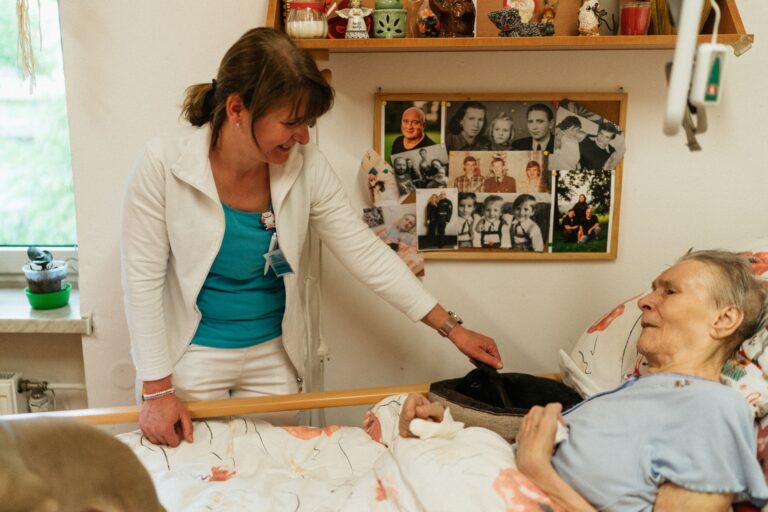
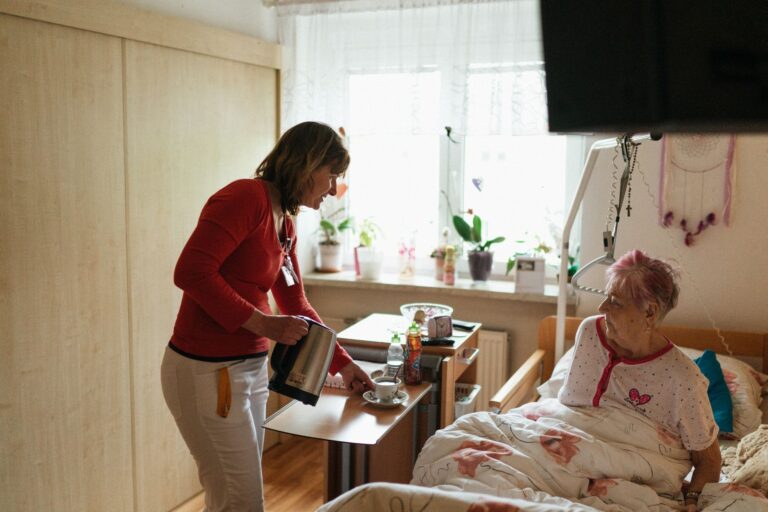
Yes, family members can stay overnight with a dementia patient in many hospitals, though policies vary significantly by facility and the patient’s medical condition. Most hospitals allow at least one designated family member or caregiver to remain at the bedside during overnight hours, recognizing that a familiar face can reduce confusion and anxiety in dementia patients. However, this is not an automatic right—it requires advance communication with the hospital and may depend on the available space, the patient’s clinical needs, and whether the hospital has policies specifically addressing overnight family presence.
Consider the case of Margaret, whose 78-year-old mother with advanced Alzheimer’s became agitated and disoriented when hospitalized for pneumonia. The hospital’s nursing staff initially discouraged overnight visitors, but when Margaret explained her mother’s dementia diagnosis and her role as primary caregiver, the team arranged for her to stay in a reclining chair beside the bed. Margaret’s presence noticeably calmed her mother, reduced the need for sedative medications, and helped the medical team communicate the patient’s baseline behavior. The ability to stay overnight can significantly impact both the patient’s hospital experience and the quality of care they receive, making it important to understand what’s actually possible and how to navigate the process.
Medical information disclaimer: This article is for general educational purposes only and does not provide medical advice, diagnosis, or treatment. Always consult a physician or other qualified health professional about symptoms, medications, tests, or treatment decisions.
Table of Contents
- HOSPITAL POLICIES ON OVERNIGHT FAMILY STAYS FOR DEMENTIA PATIENTS
- MEDICAL AND SAFETY REASONS FOR FAMILY OVERNIGHT PRESENCE IN DEMENTIA CARE
- SPECIAL CONSIDERATIONS FOR INTENSIVE CARE UNITS AND ACUTE HOSPITALIZATION
- PREPARING FOR AN OVERNIGHT STAY AND PRACTICAL ARRANGEMENTS
- COMMON CHALLENGES AND BEHAVIORAL ISSUES DURING OVERNIGHT HOSPITAL STAYS
- COMMUNICATING WITH HOSPITAL STAFF ABOUT OVERNIGHT FAMILY PRESENCE
- DOCUMENTATION AND ADVANCE PLANNING FOR FUTURE HOSPITALIZATIONS
- Frequently Asked Questions
HOSPITAL POLICIES ON OVERNIGHT FAMILY STAYS FOR DEMENTIA PATIENTS
Most acute care hospitals in the United States have formal policies that allow family members to remain with patients, though the specific rules differ from one facility to another. Some hospitals designated specific “family lounges” or waiting areas, while others permit family members to stay directly in the patient’s room using a cot or reclining chair. Hospitals with dedicated geriatric or dementia care units are more likely to have established protocols for overnight family presence, since these units explicitly recognize the role of familiar caregivers in supporting confused or anxious patients. Insurance and hospital size also influence policies. Larger academic medical centers may have more formal requirements and restrictions, while smaller rural hospitals sometimes operate with more flexibility.
A family member should contact the hospital’s patient relations department or the specific unit where the patient will be admitted to learn the exact policy before admission occurs. Some facilities require advance notice or have a limited number of overnight spaces, meaning families may need to reserve their spot early. One important limitation is that hospitals cannot always accommodate overnight family stays during times of high patient census or overcrowding. If the hospital is at full capacity or if the patient is in an intensive care unit with strict visitor protocols, the hospital may ask family members to limit their stay or may redirect them to a nearby family hotel or waiting area. This is a practical reality that families should prepare for—flexibility in backup plans is valuable.
MEDICAL AND SAFETY REASONS FOR FAMILY OVERNIGHT PRESENCE IN DEMENTIA CARE
Hospitals increasingly recognize that overnight family presence serves a direct medical function for dementia patients. Confusion and sundowning—a worsening of dementia symptoms in the evening and night—are common in hospitalized patients with cognitive decline. A familiar family member at the bedside can interpret the patient’s needs when verbal communication becomes difficult, reduce the patient’s anxiety, and help prevent falls or attempts to leave the room unsupervised. Some research has shown that familiar faces reduce the need for chemical restraints or unnecessary sedation in confused hospitalized patients. From the hospital’s perspective, however, overnight family presence also creates liability and logistical challenges.
The hospital remains responsible for the patient’s safety and care, even when a family member is present. This means hospitals must clearly define what family members can and cannot do—for example, family members generally cannot administer medications, operate medical equipment, or make clinical decisions, even if they are experienced caregivers at home. The family member’s role is presence and support, not substitution for nursing care. A significant warning here is that hospitals may place restrictions on overnight family presence if they determine that the family member is interfering with care or not following safety protocols. If a family member becomes confrontational with staff, tries to override medical decisions, or removes monitoring equipment, the hospital has the authority to revoke overnight privileges. This is rare but important to understand—the goal is collaboration with the medical team, not conflict.
SPECIAL CONSIDERATIONS FOR INTENSIVE CARE UNITS AND ACUTE HOSPITALIZATION
When a dementia patient is admitted to an intensive care unit (ICU), overnight family presence becomes more complicated. ICU policies are typically more restrictive than regular hospital wards because of the critical nature of the patients’ conditions, the complexity of the equipment, and infection control concerns. However, many hospitals have relaxed ICU visiting policies in recent years, particularly for patients with dementia or at end of life. Some ICUs now allow one family member to stay overnight, while others restrict family to daytime visiting hours with exceptions for palliative care situations. The acuity of the patient’s condition matters significantly.
If a dementia patient is hospitalized for a straightforward condition like a urinary tract infection, overnight family presence is much more likely to be accommodated than if the patient is recovering from major surgery or dealing with sepsis. A patient on mechanical ventilation, multiple intravenous medications, and continuous monitoring requires more space at the bedside and more frequent nursing interventions, making overnight family camping-out less feasible. When communicating with ICU staff, families should ask specifically about the medical status driving the current visitation policy. If the restriction is temporary—related to acute critical care needs—it may be revisited as the patient stabilizes. If it’s a standing ICU policy, families can ask whether exceptions are made for patients with dementia, delirium, or behavioral concerns. Being specific about the patient’s dementia diagnosis and their known triggers for agitation can help the medical team see the medical value of overnight family presence.
PREPARING FOR AN OVERNIGHT STAY AND PRACTICAL ARRANGEMENTS
If you plan to stay overnight with a dementia patient in the hospital, preparation matters. Bring basic comfort items: a pillow and blanket from home (if the hospital allows), reading material, phone chargers, and toiletries. Most hospitals do not provide amenities for family members, so plan for limited bathroom access and no shower facilities. Wear comfortable clothes that allow you to rest but also to move quickly if the patient needs assistance. Some family members rotate overnight shifts with other caregivers to avoid caregiver exhaustion.
Before arrival, clarify the logistics with hospital staff: Will there be a cot or reclining chair? Can you bring your own bedding? What are the parking arrangements? Where can you get food and coffee during overnight hours? What time does the hospital expect you to minimize noise or activity? Do you need to give identification to security? These details matter because they affect your ability to actually rest and support the patient throughout the night. One important comparison is the trade-off between being present and being well-rested. Some family members find that sleeping in a hospital room next to their loved one, with beeping monitors and nursing staff checking vitals every two hours, is nearly impossible. In these cases, arranging for shifts—where two family members rotate nights, with one staying overnight while the other sleeps at a nearby hotel—may result in better overall support. A slightly rested family member who can advocate clearly during the day may be more valuable than an exhausted person sitting at the bedside all night.
COMMON CHALLENGES AND BEHAVIORAL ISSUES DURING OVERNIGHT HOSPITAL STAYS
Dementia patients often experience delirium while hospitalized, and nighttime can bring severe agitation, attempts to get out of bed, or accusations directed at family members. A family member staying overnight may witness behavior that is frightening or hurtful—the patient may not recognize them, may accuse them of harm, or may demand to leave the hospital. Understanding that this is delirium (a medical condition caused by infection, medications, or the stress of hospitalization) and not a reflection of the actual relationship can help family members cope emotionally. A critical warning: Do not attempt to physically restrain or medicate a confused patient, even if they are in danger. Call for nursing staff immediately. Hospitals have trained personnel and equipment for managing patient safety in these situations.
If you feel unsafe or overwhelmed by the patient’s behavior, leave the room and alert staff. Staying overnight is meant to provide comfort and presence, not to provide physical care or crisis management. Some hospitals may also recommend that family members take breaks—stepping out for an hour or two if nighttime behavior becomes too distressing. This is not a failure; it’s self-care. The hospital staff can monitor the patient during your break, and you can return when you’re ready. Overnight presence is beneficial, but it should not come at the cost of the family member’s own health and safety.
COMMUNICATING WITH HOSPITAL STAFF ABOUT OVERNIGHT FAMILY PRESENCE
Effective communication with the nursing staff and medical team is essential for a successful overnight stay. On admission or at the first opportunity, tell the nurses and doctors that your family member has dementia and explain how the condition typically presents—what their baseline is, what behaviors they might show when confused, and what usually helps calm them. This information helps the medical team understand whether behaviors are related to the dementia or indicate a new medical problem.
Be respectful of the hospital’s protocols and the staff’s clinical judgments. If a nurse says your loved one needs rest and asks you to step out temporarily, that’s not a rejection of your presence—it’s part of their job. At the same time, if you notice something concerning—a change in mental status, pain, or distress that doesn’t seem to be improving—speak up. You know your family member better than the hospital staff does, and your observations can be clinically valuable.
DOCUMENTATION AND ADVANCE PLANNING FOR FUTURE HOSPITALIZATIONS
Before a hospitalization is necessary, include overnight family presence in your advance planning conversations. Discuss this with your family member’s primary care doctor and with other family members. If your loved one has a legal healthcare proxy or power of attorney, ensure that person is aware that overnight presence may be something you want to request.
Some families also include this preference in the patient’s advance care plan or healthcare directive. When a hospitalization does occur, document which family member stayed overnight and on which nights, particularly if you notice that this presence correlates with improved behavior or reduced medication needs. This information can be valuable if your family member is hospitalized again—you can show the hospital staff the previous positive outcomes and make a stronger case for overnight presence early in the admission.
Frequently Asked Questions
What if the hospital says no family members can stay overnight?
Ask specifically why. If it’s a temporary restriction due to ICU-level care, ask if you can revisit this as the patient stabilizes. If it’s a standing policy, request an exception for dementia patients and ask for alternatives, such as extended visiting hours or nearby family rooms. Patient relations or the case manager can sometimes help negotiate.
Will the hospital provide a bed or cot for family members staying overnight?
Most hospitals provide either a cot or a reclining chair, but amenities vary. Bring your own pillow and blanket if possible. Ask about these specifics when you call ahead to arrange your stay.
Can I bring a second person to take shifts overnight with the patient?
Some hospitals allow multiple family members to rotate, while others restrict overnight presence to one person per night. Clarify this policy when you arrange your stay.
What should I do if my family member becomes aggressive or is attempting to leave the bed at night?
Call for nursing staff immediately. Do not physically restrain the patient or attempt to manage the situation alone. The hospital has trained personnel and safety equipment. Your role is to alert staff and provide comfort, not to provide physical care.
Will staying overnight affect my family member’s treatment or care?
Generally, no. Your presence should complement care, not interfere with it. However, if hospital staff ask you to step out so they can perform procedures or assessments, comply. Your presence is most valuable for emotional support, communication about the patient’s baseline, and presence during vulnerable hours.
How do I prepare to stay overnight in a hospital room?
Bring comfort items like a pillow, phone charger, and toiletries. Wear comfortable, practical clothing. Confirm the parking, food, and bathroom arrangements before arrival. Be prepared for frequent interruptions from staff and for the patient’s possible confusion or agitation during the night.