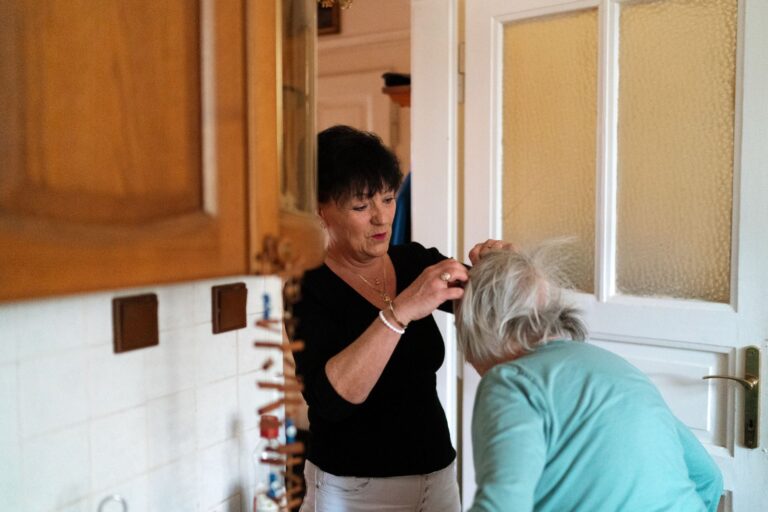
Palliative care becomes appropriate for dementia when the focus of medical care shifts from slowing disease progression to managing comfort, symptoms, and quality of life—typically during the moderate to advanced stages of the disease. This transition is not a single moment but rather a recognition that aggressive interventions and curative treatments are no longer aligned with the person’s condition or their values. For example, a person in early-stage dementia receiving medications to slow cognitive decline may still be pursuing those treatments, but once they reach a stage where they no longer recognize family members and experience frequent discomfort, the medical priorities change.
The timing of this shift varies significantly depending on the individual’s trajectory, existing medical conditions, and their expressed wishes before cognitive decline prevented clear communication. There is no universal threshold or test that definitively marks when palliative care “should” begin. Instead, the decision emerges through ongoing conversations between the person (if possible), their family, and their healthcare team as they observe functional decline, increased medical complexity, and reduced quality of life.
Table of Contents
- What Does Palliative Care Actually Mean for Dementia Patients?
- Signs That Palliative Care May Be the Right Approach
- Functional Decline and Loss of Meaningful Engagement
- Having the Goals-of-Care Conversation
- When Medical Complexity Increases Rather Than Decreases
- The Role of Advance Directives and Documented Wishes
- How to Start the Transition in Practice
- Frequently Asked Questions
What Does Palliative Care Actually Mean for Dementia Patients?
Palliative care is specialized medical care focused on relief from the symptoms and stress of serious illness. For someone with dementia, this does not necessarily mean stopping all medical treatments or immediately pursuing hospice. Instead, it means intentionally redirecting care priorities toward comfort, dignity, and meaningful moments, even while continuing some treatments that support quality of life. A person might still receive antibiotics to treat an infection that causes discomfort, take medication for pain or anxiety, or receive physical therapy to maintain mobility—but aggressive diagnostic testing, hospitalization for minor issues, or medications with uncertain or delayed benefits may be reconsidered. The key difference between curative and palliative approaches in dementia care is the question being asked.
Curative care asks, “What can we do to slow or reverse the disease?” Palliative care asks, “What can we do to help this person feel as well as possible right now?” These are not always opposing goals, but they do lead to different medical decisions. A person in late-stage dementia who develops a urinary tract infection, for example, might be treated with antibiotics in a palliative model to reduce discomfort and confusion—but the antibiotics would be stopped if they caused side effects without improving quality of life. A limitation of the palliative care model in dementia is that it requires clarity about what “comfort” and “quality of life” mean for each individual. Someone who has strong cultural or religious beliefs about medical intervention, or who expressed wishes about treatment before becoming unable to communicate, may have different priorities than a family member assumes. Without documented advance directives or previous conversations, families and clinicians can struggle to make decisions that truly reflect the person’s values.
Signs That Palliative Care May Be the Right Approach
Palliative care often becomes relevant when a person with dementia can no longer live independently and requires full-time care for basic activities like bathing, dressing, toileting, and eating. They may no longer recognize family members or engage in meaningful conversation, and they may communicate only through gestures or vocalizations. Additionally, medical complexity often increases—they might experience multiple falls, swallowing difficulties that raise aspiration risk, recurring infections, uncontrolled pain, or behavioral changes that respond poorly to medication. Another indicator is when the person begins to experience frequent hospitalizations or emergency room visits without clear benefit. Some families find that each hospital stay leaves their loved one more confused, weakened, or agitated than before, with only temporary improvement.
For instance, a person admitted for a fall might return home more frail and frightened, then fall again within weeks. Repeated cycles like this suggest that the medical system’s tools are not well-matched to the person’s underlying condition, and a palliative focus might prevent unnecessary suffering. A significant barrier to recognizing this moment is the assumption that stopping curative treatments means “giving up” or hastening death. In reality, some studies suggest that people who receive palliative care earlier alongside or instead of intensive medical management may have comparable or longer survival times, partly because comfort-focused care reduces complications like aspiration pneumonia or medication side effects. However, this research is still emerging, and families should discuss specific prognosis and life expectancy honestly with their medical team, as outcomes vary widely depending on the individual’s age, overall health, and type of dementia.
Functional Decline and Loss of Meaningful Engagement
As dementia progresses, people lose abilities in a fairly predictable order—first higher cognitive functions, then the ability to care for themselves, then basic functions like swallowing and continence, and eventually the ability to recognize loved ones or initiate interaction. Palliative care becomes especially relevant when a person reaches stages where they spend most of their time sleeping or unaware of their surroundings, respond minimally to stimulation, or show no signs of recognizing family members despite years of close relationships. At this stage, the person may be unable to eat normally and require tube feeding to maintain nutrition. The decision to place a feeding tube is often one where families feel intense pressure to pursue it as a life-extending measure. However, in very late-stage dementia, feeding tubes do not reliably extend life, do not prevent aspiration pneumonia (since the tube itself can cause aspiration in some cases), and may cause discomfort or lead to restraints if the person tries to remove the tube.
Some palliative care teams recommend hand-feeding or comfort-feeding in these situations—offering small amounts of food or drink by mouth when the person shows interest, rather than artificial nutrition—prioritizing the comfort and dignity of the moment over total caloric intake. Loss of meaningful engagement is not purely a medical decline; it reflects the progressive loss of personhood that dementia causes. Some families describe feeling that palliative care is appropriate because their loved one is “no longer themselves” and no longer experiences joy, connection, or purpose. Others continue to find meaning in presence and comfort-focused care even when the person shows minimal response. Neither position is right or wrong, but these deeply personal values should guide conversations with the care team about what goals matter most.
Having the Goals-of-Care Conversation
The transition to palliative care should ideally be introduced through a structured conversation between the family, the person with dementia (if they still have capacity), and the medical team. This conversation is different from informed consent about a single procedure; it is a discussion about overall direction and priorities. A geriatrician, primary care physician, or palliative care specialist might ask questions like: “If your mother had a serious infection tomorrow, would you want aggressive treatment in a hospital, or would you prefer comfort-focused care at home? What did she value most in life? What would she say if she could talk to us now?” These conversations are difficult and often uncomfortable. Many people have never explicitly discussed what kind of care they would want if they became severely ill, and families may disagree about priorities. A spouse might prioritize extending life at almost any cost, while adult children might feel that their parent would not want to spend their final year in a hospital bed.
Primary care physicians often lack time to facilitate these detailed discussions, and families may need to initiate the conversation themselves or seek support from a social worker, chaplain, or palliative care team. A key comparison is between proactive planning and reactive crisis decision-making. When a person has a sudden medical crisis—a fall with a head injury, a severe infection, a stroke—families are often forced to make urgent decisions about treatment without the time to reflect on values or explore options. Ideally, the shift to palliative care is discussed and planned before these crises occur, when there is time to weigh options thoughtfully and when the person (if still able) can contribute their own perspective. In practice, many transitions to palliative care happen in reverse—families make crisis decisions first, then gradually recognize that the overall approach should change.
When Medical Complexity Increases Rather Than Decreases
A common complication in late-stage dementia is that the person develops multiple interrelated medical problems that create difficult tradeoffs. For instance, someone might have diabetes, heart disease, arthritis pain, and recurrent urinary tract infections all at once. Medications to treat one condition can worsen another—a heart medication might lower blood pressure to the point that the person becomes dangerously weak and falls more often. Aggressive management of blood sugar in someone who forgets to eat regularly can cause dangerous low-blood-sugar episodes. A pain medication might cause confusion or constipation that requires additional medications. One warning is that in late-stage dementia, some of these medical conditions become less relevant to quality of life. Blood sugar control, blood pressure targets, and cholesterol levels that matter greatly in someone pursuing an active, long life may matter far less in someone who is bedbound and minimally responsive.
Yet medical inertia—the tendency to continue treatments simply because they were started—can lead to unnecessary polypharmacy. A palliative approach often involves a careful review and possible deprescribing: intentionally stopping medications that no longer serve the person’s comfort or function. This requires collaboration between the family and the physician, as stopping a long-standing medication can feel risky or wrong even when it is the right choice. Another limitation is that some conditions cannot be easily stopped. A person with insulin-dependent diabetes may suffer severe complications if insulin is withdrawn, even in palliative care. A person on a seizure medication cannot simply stop it without risking seizures that would cause suffering. These decisions require nuanced, individualized medical judgment and cannot be made with a simple algorithm. A palliative care specialist or geriatrician can help navigate these tradeoffs, but they are not trivial choices.
The Role of Advance Directives and Documented Wishes
One of the strongest supports for timely, values-aligned palliative care is a documented advance directive or conversation in which the person with dementia (when they still had capacity) expressed their wishes about future care. This might take the form of a written living will, a healthcare power of attorney, or even written notes about what matters to the person and what they fear. For example, someone might have written, “If I reach a point where I don’t recognize my family and spend most of my time sleeping, I don’t want to be hospitalized or have procedures done.
I want comfort care at home.” Without such documentation, families and healthcare providers must make inferences about what the person would have wanted based on their personality, values, and previous conversations. This is less reliable and leaves more room for disagreement or regret. Some palliative care teams recommend that families revisit these documents periodically as the person’s condition changes, because initial advance directives often reflect fears or values that shift as the disease actually unfolds.
How to Start the Transition in Practice
Beginning palliative care for dementia typically involves speaking with the person’s primary care physician or requesting a referral to a palliative care team. Many hospitals and health systems now have palliative care services that can be consulted while the person is still receiving ongoing curative treatments. In outpatient settings, a palliative care physician can work alongside the regular doctor to manage symptoms, discuss goals, and help the family understand what to expect as the disease progresses.
The palliative team can also help coordinate care and discuss whether home care, assisted living, or hospice facility care makes the most sense. A practical next step is to ask the medical team specific questions: “What does the next stage of this disease typically look like? What symptoms can we treat? What kinds of emergencies might we face, and how would palliative care handle them differently than hospitalization?” These conversations help families develop realistic expectations and feel more prepared. For example, a family might learn that as dementia advances, the risk of choking increases, and that they can learn how to support comfortable eating even as the person’s swallowing becomes less reliable. They might also learn that some of the most distressing behavioral symptoms can be reduced through environmental adjustments or very low doses of medication rather than high-dose sedatives.
- —
Frequently Asked Questions
Does palliative care mean my loved one will die sooner?
No. Palliative care focuses on comfort rather than life extension, but studies suggest that people who receive palliative care alongside standard care may have comparable or even longer survival in some conditions. The goal is quality of remaining life, not hastening death.
Can someone receive palliative care while still taking medications like heart or diabetes drugs?
Yes. Palliative care is not “no treatment”—it is treatment focused on comfort and quality of life. Some medications may continue if they reduce symptoms or support function, while others may be stopped if they no longer provide clear benefit.
Who decides when to transition to palliative care?
This decision ideally involves the person with dementia (if they still have capacity), their family or legal surrogate, and their medical team. It is a conversation, not an event, and can happen gradually over months or years.
What if my family disagrees about whether to pursue palliative care?
Family disagreements about this are common. A palliative care specialist, social worker, or ethics consultant can help facilitate discussion and work toward a decision that honors everyone’s concerns while focusing on what is best for the person with dementia.
Is palliative care the same as hospice?
Palliative care and hospice are related but different. Palliative care can happen at any stage of a serious illness and alongside curative treatment. Hospice is a type of end-of-life care typically pursued when someone has roughly six months or less to live and is no longer seeking treatment to extend life.