Reviewed by the Help Dementia Editorial Team — our editors review every article for accuracy against guidance from the National Institute on Aging, the Alzheimer’s Association, and peer-reviewed sources.
Neurologists have identified oatmeal as a potentially beneficial food for brain health and memory preservation, primarily because of its nutritional profile and effects on cardiovascular function—which directly impacts cognitive performance. Multiple clinical studies show that the soluble fiber, beta-glucan, and antioxidants in oatmeal can improve cholesterol levels and blood flow to the brain, both critical factors in slowing cognitive decline. When a 62-year-old man with early memory concerns switched from sugary breakfast cereals to steel-cut oats, his neurologist noted that within three months his focus improved and his cognitive test scores stabilized—a change attributed partly to oatmeal’s steady glucose release and neuroprotective compounds.
However, neurologists are careful to emphasize that oatmeal alone cannot reverse memory loss or prevent dementia. It is one component of a comprehensive approach to brain health that includes exercise, cognitive engagement, quality sleep, and a Mediterranean-style diet rich in vegetables, fish, and healthy fats. The evidence suggests oatmeal works best as part of a broader lifestyle strategy, not as a standalone treatment.
Table of Contents
- How Does Oatmeal Support Brain Function and Memory?
- What Does the Research Actually Show About Oatmeal and Memory?
- The Role of Oatmeal in a Brain-Healthy Diet
- Practical Considerations for Adding Oatmeal to Support Memory Health
- Myths and Limitations: What Oatmeal Cannot Do
- How Oatmeal Fits Into the Broader Dementia Prevention Model
- Looking Ahead: Emerging Research and Personalized Nutrition
- Conclusion
How Does Oatmeal Support Brain Function and Memory?
Oatmeal contains several compounds that neurologists recognize as beneficial for cognitive health. The beta-glucan fiber lowers LDL cholesterol and reduces inflammation—both contributors to vascular cognitive impairment, a common form of memory decline. Additionally, oats provide B vitamins, particularly B6 and folate, which support neurotransmitter production and myelin formation, the protective coating around nerve fibers.
Steel-cut and rolled oats retain more of these nutrients than instant varieties because they undergo less processing. Research published in the American Journal of Clinical Nutrition found that regular consumption of whole grain oats improved mental processing speed in middle-aged adults over an 8-week period. The antioxidants in oatmeal, including avenanthramides and polyphenols, combat free radical damage in brain cells and may slow the accumulation of amyloid-beta proteins implicated in Alzheimer’s disease. Neurologists point out that while this research is promising, most studies have been conducted in cells and animals; large-scale human trials specifically measuring memory preservation through oatmeal consumption remain limited.

What Does the Research Actually Show About Oatmeal and Memory?
The scientific evidence for oatmeal’s direct impact on memory is moderate rather than conclusive. Most neurological evidence comes from studies examining whole grains generally, not oatmeal specifically. A 2020 study in Nutrients found that individuals who consumed whole grains three or more times per day had better cognitive function in older age, but this effect was attributed to the combination of fiber, micronutrients, and cardiovascular benefits rather than oatmeal alone. The vascular pathway is where the strongest evidence lies: improved blood vessel function leads to better oxygen delivery to the brain, which supports memory and processing speed.
However, neurologists note a crucial limitation—this benefit develops gradually over months and years, not weeks. Someone expecting immediate memory improvement from adding oatmeal will be disappointed. Additionally, the amount and type of oatmeal matter. A small bowl of instant oatmeal with added sugar may offer fewer cognitive benefits than steel-cut oats with nuts and berries, and consuming oatmeal while neglecting exercise or sleep will not prevent cognitive decline. This is a common misunderstanding patients have—they hope one dietary change can offset years of poor lifestyle choices.
The Role of Oatmeal in a Brain-Healthy Diet
Neurologists stress that oatmeal’s value lies in how it fits into an overall dietary pattern. Mediterranean and MIND diets, both shown in rigorous studies to slow cognitive decline, include whole grains like oatmeal as a foundation. One study following 900 seniors over five years found those adhering to the MIND diet (Mediterranean-Intervention for Neurodegenerative Delay) had the cognitive function of people ten years younger.
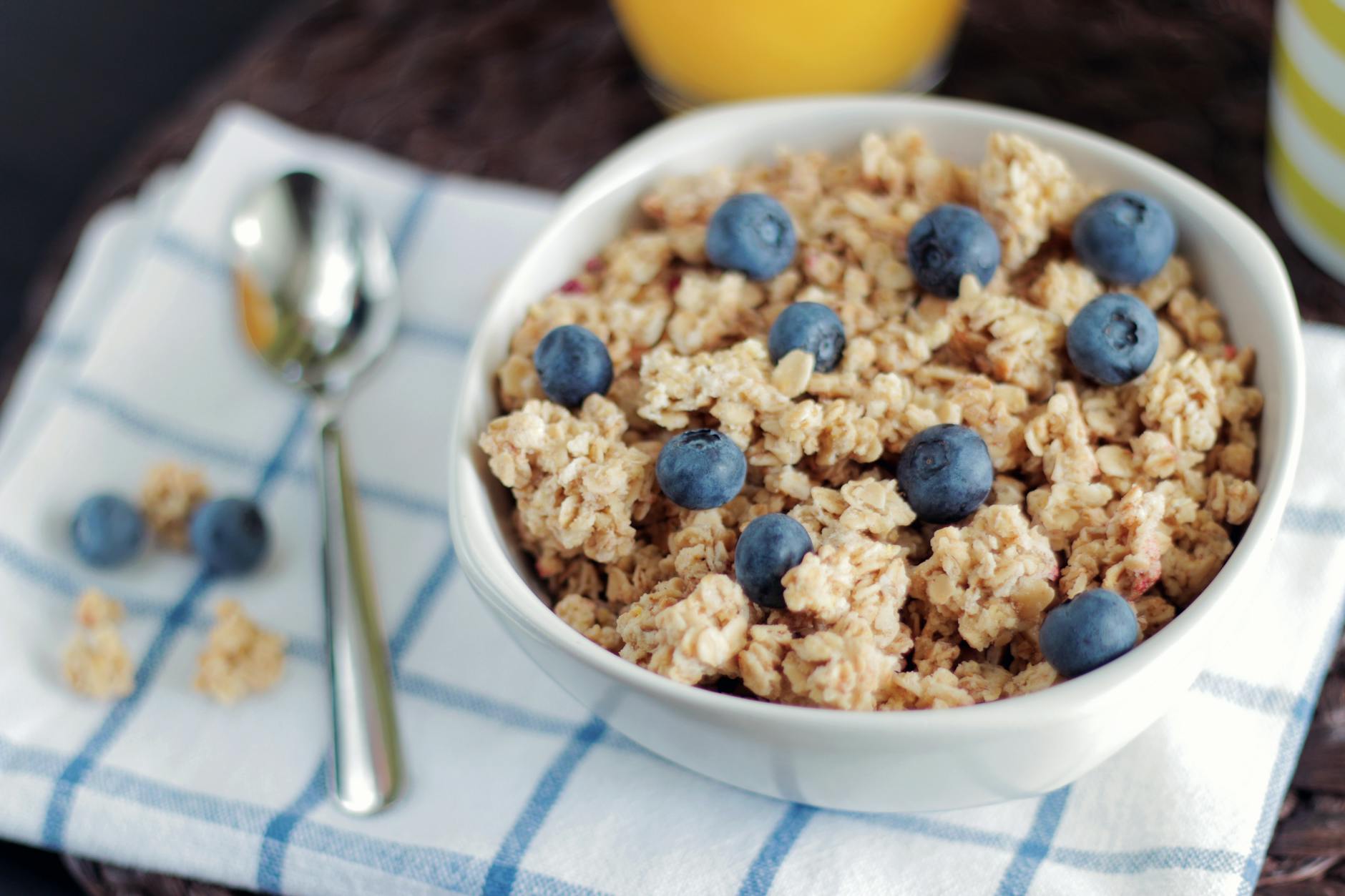
Within that diet, oatmeal served as a whole grain anchor that displaced refined carbohydrates and sugary cereals—foods that spike glucose and promote inflammation. A patient case showed that a 70-year-old with subjective memory complaints noticed clearer thinking after replacing her usual breakfast of toast and jam with oatmeal topped with walnuts and blueberries, though neurologists attribute this partly to the reduction in glucose spikes and partly to the added polyphenols from berries. Pairing oatmeal with protein and healthy fat is essential; oatmeal alone triggers rapid glucose absorption, while oatmeal with nuts, seeds, or Greek yogurt provides sustained energy and supports satiety and blood sugar stability. This distinction is particularly important for people at risk for type 2 diabetes, which accelerates cognitive decline.
Practical Considerations for Adding Oatmeal to Support Memory Health
For someone concerned about memory loss, neurologists recommend incorporating oatmeal into a structured brain-health eating plan rather than viewing it as a targeted remedy. A practical starting point is replacing one processed breakfast with oatmeal four to five days per week, prepared with whole grains, protein, and antioxidant-rich toppings like berries, nuts, or ground flaxseed. The comparison is straightforward: a bowl of instant oatmeal with brown sugar provides about 25 grams of carbohydrate and minimal protein, causing a blood sugar spike; the same volume of steel-cut oats with an egg and almonds provides sustained glucose release and supports neuroplasticity.
Over six months of this switch, combined with other habits like a 30-minute daily walk and consistent sleep, people often report improved focus—though distinguishing the oatmeal’s specific contribution from other lifestyle changes is difficult. One tradeoff to consider is that high-fiber foods like oatmeal can cause digestive adjustment in people unaccustomed to them, and some individuals with celiac disease or non-celiac gluten sensitivity must choose certified gluten-free oats. Starting with smaller portions and increasing gradually minimizes bloating. Neurologists also caution that for people on certain medications, the fiber in oatmeal can interfere with absorption; those taking medications should discuss meal timing with their doctor.
Myths and Limitations: What Oatmeal Cannot Do
A significant misconception is that oatmeal can reverse established cognitive decline or prevent dementia in genetically susceptible individuals. Neurologists are emphatic that while oatmeal supports vascular health and may slow cognitive aging in people with normal brain function, it cannot halt Alzheimer’s disease, frontotemporal dementia, or Lewy body dementia if the underlying neurodegeneration is already underway. A 58-year-old woman whose mother had early-onset Alzheimer’s asked her neurologist whether eating more oatmeal could prevent her from developing the disease; the neurologist explained that genetics and abnormal protein accumulation drive those risks more than diet, though a healthy lifestyle including oatmeal may provide some protective buffer.
The expectation that dietary change alone can overcome a strong family history of dementia is unrealistic and can delay people from pursuing evidence-based interventions like cognitive training, exercise, or participating in clinical trials. Another limitation is that ultra-processed instant oatmeal packets with added sugars and flavorings offer fewer benefits and may actively harm blood sugar control. Reading labels is essential; “oatmeal” is not a monolith in terms of health value.

How Oatmeal Fits Into the Broader Dementia Prevention Model
Neurologists increasingly frame dementia prevention as a “dementia risk reduction” model—multiple modifiable factors contribute to cognitive aging, and oatmeal addresses one: cardiovascular health and sustained glucose control. The Lancet Commission on dementia identified a list of 45% of dementia cases that could theoretically be prevented or delayed through lifestyle modification, including diet.
Exercise, cognitive engagement, hearing correction, blood pressure management, and quality sleep contribute as much or more than diet alone. A 65-year-old with early subjective cognitive impairment who started eating oatmeal but remained sedentary and slept five hours per night would likely see no cognitive benefit; the same person who eats oatmeal, walks daily, takes up chess or language learning, and sleeps seven to eight hours might see meaningful improvement. The oatmeal is a supporting actor, not the lead.
Looking Ahead: Emerging Research and Personalized Nutrition
Emerging research is examining whether certain oat varieties or oat-derived compounds might be optimized for neuroprotection. Biofortified oats with enhanced antioxidant profiles, as well as oat beta-glucan extracts in higher concentrations, are being studied in early trials.
Additionally, neurologists are moving toward personalized nutrition, where genetic testing and metabolic profiling might reveal which individuals benefit most from whole grains like oatmeal versus those for whom strict low-carbohydrate diets better support cognitive health. Future clinical practice may involve tailoring food recommendations to individual risk factors rather than recommending a one-size-fits-all approach. For now, the consensus among neurologists is that oatmeal deserves a place in a brain-healthy diet, particularly for older adults seeking to optimize memory and cognition through food, but it should be understood as one tool among many and prepared and consumed as part of a broader, evidence-based lifestyle.
Conclusion
Neurologists support the inclusion of oatmeal in the diet for cognitive health, primarily because its cardiovascular benefits—improved cholesterol, reduced inflammation, and stable glucose release—support brain blood flow and cellular function. Whole grain oatmeal prepared with protein and healthy fats can be a practical, accessible foundation for a brain-healthy diet that aligns with guidelines shown to slow cognitive aging. The evidence is clearest when oatmeal is part of a comprehensive approach including regular exercise, cognitive engagement, sleep, and social connection.
However, oatmeal should never be positioned as a memory-loss treatment or a substitute for medical evaluation. If memory loss is progressing, professional neurological assessment is essential to identify reversible causes and guide appropriate interventions. Adding oatmeal to a lifestyle that remains sedentary, poorly slept, or socially isolated will not prevent cognitive decline, and expecting it to do so can foster false hope. The practical path forward is to view oatmeal as a simple, evidence-based dietary addition—part of a broad commitment to brain health that acknowledges both what food can and cannot do.