Reviewed by the Help Dementia Editorial Team — our editors review every article for accuracy against guidance from the National Institute on Aging, the Alzheimer’s Association, and peer-reviewed sources.
Neurologists generally agree that wild blueberries show promise as part of a brain-healthy lifestyle, though they emphasize that no single food can reverse memory loss or prevent dementia. The berries contain high concentrations of anthocyanins—powerful antioxidants that cross the blood-brain barrier and reduce inflammation in brain tissue—which is why they appear in many neurologist-recommended diets for cognitive health.
However, the evidence remains encouraging but not conclusive: while studies show blueberries can improve certain memory functions and cognitive processing speed in older adults, neurologists are careful to distinguish between slowing cognitive decline, improving memory performance in healthy brains, and treating existing memory loss or dementia. For someone experiencing memory problems, a neurologist would never prescribe blueberries as a treatment. Instead, they view wild blueberries as a preventive tool—one that may help preserve memory and thinking skills when consumed regularly as part of a broader lifestyle strategy that includes physical exercise, cognitive stimulation, quality sleep, and social engagement.
Table of Contents
- Do Neurologists Recommend Wild Blueberries for Memory and Cognitive Health?
- The Science Behind Blueberries and Brain Function
- Wild Blueberries vs. Cultivated Blueberries: What the Research Shows
- How to Incorporate Wild Blueberries Into a Brain-Healthy Diet
- Limitations and What Blueberries Cannot Do for Memory Loss
- Other Dietary Approaches Neurologists Recommend Alongside Blueberries
- The Future of Blueberry Research and Brain Health
- Conclusion
Do Neurologists Recommend Wild Blueberries for Memory and Cognitive Health?
Yes, many neurologists do recommend including wild blueberries in the diet for cognitive health, though typically as a component of an overall brain-protective approach rather than as a primary intervention. This recommendation stems from longitudinal studies, including research from Harvard Medical School, showing that older adults who consume blueberries regularly (roughly two to three servings per week) perform better on memory tests and show slower rates of cognitive decline compared to those who rarely eat them. Neurologists cite these findings when counseling patients about nutrition for brain health, particularly those with family histories of cognitive decline or those worried about their memory.
The recommendation comes with important context: neurologists distinguish between memory loss caused by disease—such as Alzheimer’s dementia or vascular dementia—and normal age-related changes in memory. For a 70-year-old who occasionally forgets where they placed their keys, a neurologist might suggest dietary approaches including blueberries. For someone with diagnosed Alzheimer’s disease, blueberries are a sensible dietary addition but would never be presented as a memory solution. A neurologist treating a patient with significant memory loss would focus on medications like cholinesterase inhibitors, cognitive rehabilitation, and addressing underlying causes, while still encouraging a diet rich in antioxidant foods like blueberries.

The Science Behind Blueberries and Brain Function
Wild blueberries—particularly the species found in North America such as lowbush blueberries—contain anthocyanin concentrations roughly three times higher than cultivated supermarket blueberries. Anthocyanins work in the brain by reducing oxidative stress and neuroinflammation, two processes increasingly recognized as central to age-related cognitive decline. When consumed, these compounds accumulate in brain regions associated with memory and learning, particularly the hippocampus, where they appear to strengthen connections between neurons and support the formation of new memories.
Functional imaging studies have shown that regular blueberry consumption correlates with improved activation patterns in brain regions used during memory tasks. However, neurologists point out a crucial limitation: most human studies have involved relatively small sample sizes and short durations (typically 8 to 16 weeks), making it difficult to confirm whether the cognitive improvements persist long-term or whether they translate into meaningful protection against dementia decades later. Animal research shows more dramatic effects—mice fed blueberry extract show substantially improved spatial memory—but rodent brains do not age identically to human brains. The translation from laboratory findings to real-world benefit remains incomplete.
Wild Blueberries vs. Cultivated Blueberries: What the Research Shows
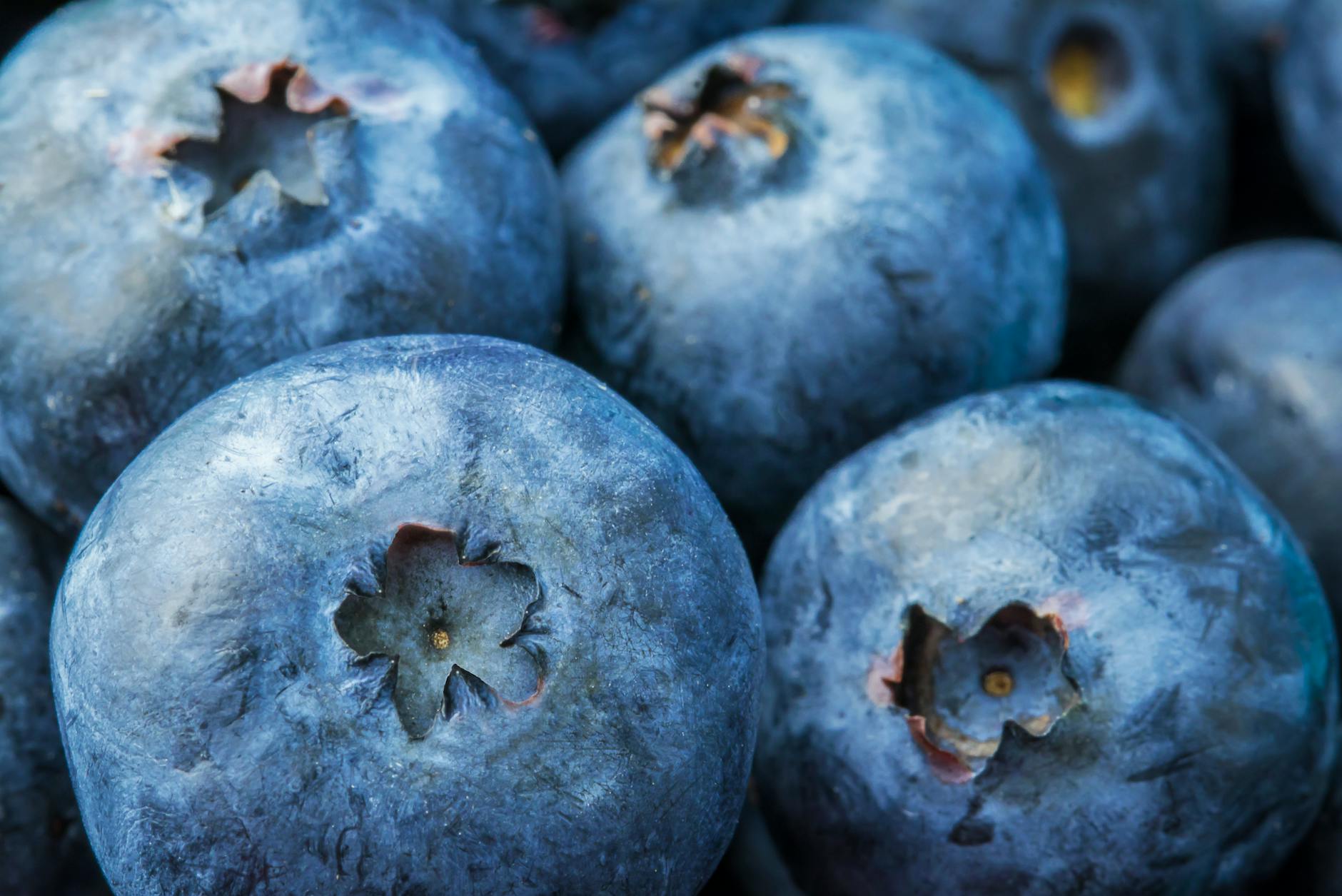
The distinction matters because wild blueberries and cultivated commercial blueberries have measurably different nutritional profiles. Wild blueberries contain significantly higher levels of anthocyanins and other polyphenols, which is why neurologists specifically recommend wild varieties when discussing blueberries for cognitive health. A cup of wild blueberries contains roughly 250 to 400 milligrams of anthocyanins, compared to 100 to 150 milligrams in cultivated blueberries of the same volume. In practice, this distinction creates a real problem for most people: wild blueberries are difficult to obtain fresh, expensive when available, and typically found frozen rather than at room temperature.
Neurologists acknowledge this limitation frankly. While frozen wild blueberries retain their anthocyanin content and are more affordable than fresh, they remain less accessible than the cultivated varieties stacked in grocery store produce sections. Some neurologists suggest that a person eating cultivated blueberries regularly still derives cognitive benefit, even if that benefit is smaller than from wild varieties. Others argue for a pragmatic approach: something like blueberries eaten consistently is better than wild blueberries eaten occasionally or not at all.
How to Incorporate Wild Blueberries Into a Brain-Healthy Diet
Neurologists typically recommend aiming for a serving of blueberries—wild or cultivated—several times per week, though optimal amounts remain undefined. A practical approach involves about a half-cup to three-quarters cup serving (roughly 75 to 100 grams), which is feasible in smoothies, oatmeal, yogurt, or simply eaten by the handful. For someone trying to prioritize wild blueberries, frozen varieties (available online or in specialty grocery sections) cost less than fresh and maintain nutritional value for months when stored properly.
The key difference between recommendation and reality matters here: a neurologist might tell a patient to eat wild blueberries, but that patient then discovers they cost $6 to $8 per small container at specialty stores, or $3 to $4 frozen online in bulk. Many people instead eat more affordable cultivated blueberries or supplement with other antioxidant-rich foods like blackberries, raspberries, dark leafy greens, and nuts—all of which contain beneficial polyphenols. Neurologists generally accept this substitution, recognizing that consistency and affordability determine whether dietary advice actually translates into behavior change.
Limitations and What Blueberries Cannot Do for Memory Loss
This is where neurologist honesty becomes crucial: blueberries cannot treat existing memory loss or dementia, nor can they guarantee protection against these conditions. A person who has already developed mild cognitive impairment or early-stage Alzheimer’s disease will not recover memory function through diet alone, including through consuming large quantities of blueberries. Some neurologists worry that overemphasizing foods like blueberries inadvertently creates false hope in families desperate for solutions, leading people to delay or avoid evidence-based treatments.
Additionally, the cognitive benefits shown in research studies apply primarily to people with normal aging and healthy brain function. Once neurodegeneration begins—whether from Alzheimer’s pathology, vascular changes, or other disease processes—dietary intervention becomes supporting but not primary. A neurologist might recommend blueberries for a 60-year-old concerned about memory as part of prevention, but for an 80-year-old with diagnosed mild cognitive impairment, blueberries become one element of a much larger treatment plan involving medication, cognitive therapy, and medical management of conditions like hypertension and diabetes that affect brain health.

Other Dietary Approaches Neurologists Recommend Alongside Blueberries
Neurologists rarely recommend blueberries in isolation. Instead, the Mediterranean diet and MIND diet (Mediterranean-DASH Intervention for Neurodegenerative Delay) appear in neurology recommendations far more frequently than individual foods. These dietary patterns, which include fish, olive oil, leafy greens, nuts, whole grains, and yes, berries, show stronger and more consistent associations with preserved cognitive function in aging populations.
The MIND diet, developed specifically for brain health by researchers at Rush University Medical Center, has demonstrated that adherence to the full pattern reduces dementia risk more powerfully than any single component. When a neurologist recommends wild blueberries, they are typically positioning them within this larger dietary context rather than suggesting they are a standalone intervention. A more complete recommendation might sound like: “Eat a Mediterranean-style diet that includes fish twice weekly, plenty of vegetables, olive oil, nuts, and berries like blueberries several times per week.” The blueberries matter, but they matter most as part of a pattern. This distinction explains why neurologists sometimes seem less enthusiastic about blueberries than popular media coverage suggests—they understand that the real protective effect comes from the entire diet, the consistent physical activity, the cognitive engagement, and the quality of sleep, not from any single superfood.
The Future of Blueberry Research and Brain Health
Ongoing research is attempting to clarify blueberry benefits through longer studies and larger populations. Several multi-year clinical trials are currently recruiting participants to test whether consistent wild blueberry consumption measurably slows cognitive decline in people at risk for dementia. These studies will provide clearer answers about whether the laboratory findings translate to genuine protection in aging humans.
Neurologists will likely have stronger recommendations once this evidence accumulates over the next five to ten years. Meanwhile, some research is exploring whether isolated anthocyanin supplements might provide benefits equivalent to eating whole blueberries, which would address the accessibility and cost issues. However, neurologists remain cautious about moving from whole foods to supplements, noting that whole foods contain complex combinations of compounds that work synergistically in ways supplements may not replicate. A capsule of concentrated anthocyanins is not the same as eating blueberries in the context of a healthy diet.
Conclusion
Neurologists say that wild blueberries deserve a place in a brain-healthy diet because research supports their potential to support memory and cognitive function in aging populations. However, they are clear that blueberries are one tool among many—not a treatment for existing memory loss, not a guarantee against dementia, and not a substitute for the more substantial interventions of exercise, cognitive engagement, quality sleep, and cardiovascular health.
For someone concerned about memory and cognitive decline, the neurologist’s practical advice remains: eat blueberries regularly (wild if possible, cultivated if practical), follow a Mediterranean-style diet, exercise most days, stay cognitively active, maintain social connections, and seek medical evaluation if you notice genuine changes in memory or thinking abilities. If you are experiencing memory problems or cognitive changes that concern you, the appropriate next step is to see a neurologist or cognitive specialist who can perform proper evaluation and, if needed, prescribe evidence-based treatments. Blueberries should be part of that conversation about brain health, but they should never replace professional medical assessment and care.