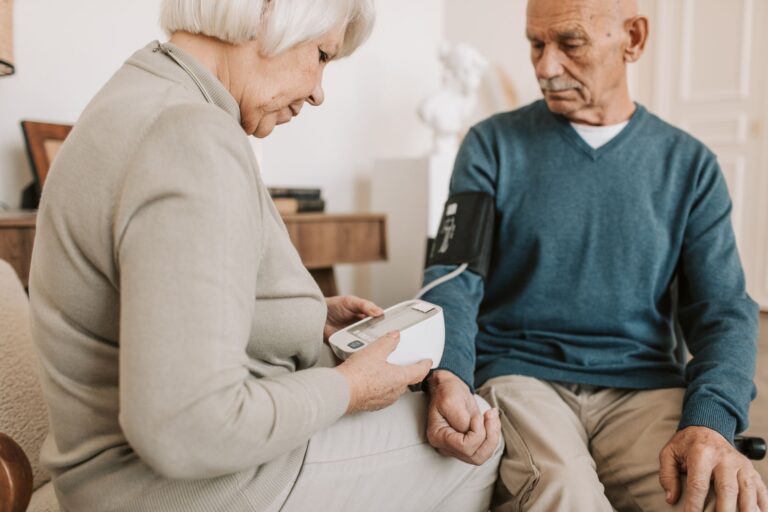
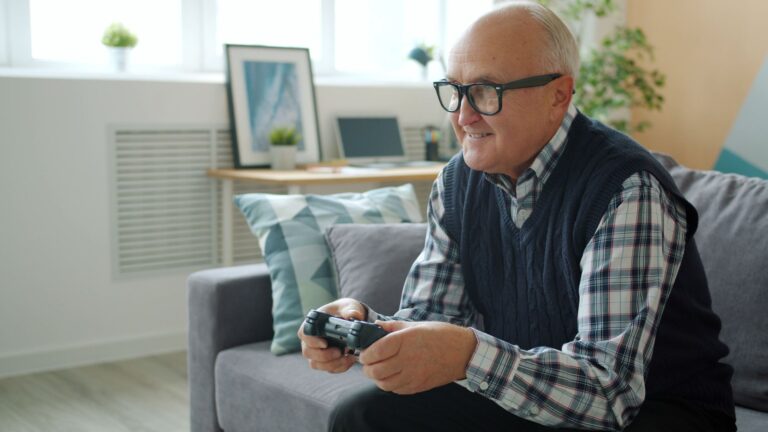
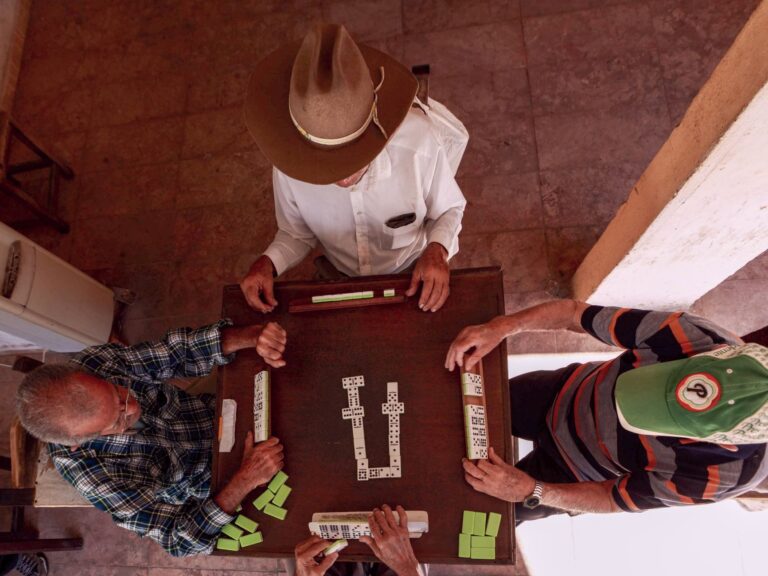
The lowest-cost games that genuinely help are the ones you already own: sorting tasks, photo-album browsing, music sessions, soft-ball tossing, and card or word games adapted to the person's current ability. Beyond that, public libraries lend ready-made memory care activity kits free with a library card, which removes the need to buy games at all.
Cost matters here because dementia care already consumes household money. The Alzheimer's Association projects $409 billion in health and long-term care costs for people with dementia in 2026, roughly $103 billion of it paid out of pocket, according to its 2026 Facts and Figures report. Activity budgets are usually the first thing squeezed.
Medical information disclaimer: This article is for general educational purposes only and does not provide medical advice, diagnosis, or treatment. Always consult a physician or other qualified health professional about symptoms, medications, tests, or treatment decisions.
Table of Contents
- Free games built from what is already in the house
- What the research actually shows about game-based activities
- Music is the best-evidenced cheap option, with limits
- Borrow the kits instead of buying them
- Timing is free and changes whether a game works
- Frequently Asked Questions
Free games built from what is already in the house
The National Institute on Aging advises caregivers to turn familiar household routines into activities rather than buying new materials. Its guidance on adapting activities lists washing dishes, setting the table, sorting laundry or socks, sweeping, dusting, sorting mail, and watering plants. These work as games because they have a clear start, a visible result, and no wrong answer that embarrasses anyone.
Sock sorting in particular scales: a person in early stages can match pairs by pattern, while someone further along can simply fold and stack. The same NIA page lists engagement options that cost nothing beyond what most homes have — listening to music, looking through a photo album, reading stories aloud, gentle walking, throwing a soft ball, and feeding, grooming or holding a pet. A deck of cards, a ball of yarn, and a shoebox of family photographs cover most of a week.
What the research actually shows about game-based activities
Cognitive stimulation is the research term for structured group activities — games, puzzles, word tasks, and guided discussion. The 2023 Cochrane review by Woods and colleagues pooled 34 randomised trials covering 2,340 participants and found small benefits to cognition in mild-to-moderate dementia, at moderate certainty. Small and moderate are the operative words.
The same review concluded that cognitive stimulation is unlikely to suit people with advanced or severe dementia, and that its effect on challenging behaviour was slight and not clearly separable from no effect at all. The practical reading: a word game or card game is a reasonable bet in early and middle stages, and is not a treatment for agitation. A game that worked last year may stop working, and that is an expected course rather than a failure of effort.
Music is the best-evidenced cheap option, with limits
Music needs no purchase and has the strongest evidence of the free options. The 2025 Cochrane update by van der Steen and colleagues found moderate-certainty evidence that at least five sessions probably reduce depressive symptoms, and low-certainty evidence of improvement in overall behavioural problems.
The same review found no improvement in agitation or aggression, and no evidence that benefits last after the sessions stop. That shapes how you use it:.
- Plan for at least five sessions before judging whether it helps.
- Treat it as ongoing, not a course to complete — effects do not carry forward.
- Do not rely on it to settle agitation in the moment.
- Keep sessions regular and short rather than long and occasional.
Borrow the kits instead of buying them
Public libraries lend prepared activity kits for memory loss. Wake County Public Libraries in North Carolina stocks more than 90 themed Memory Care Kits, each holding six books, a marker set, and a folder of activities, borrowable for six weeks from any of its 23 locations, according to the county's program announcement. The model is not confined to one county.
Worthington Libraries in Ohio lends Memory Care Kits through its borrowable "gear" collection, alongside its other non-book items. State agencies have funded these with federal money, which is why they appear in small towns as well as metro systems. Nevada's Memory Care Kit Initiative was paid for by an Institute of Museum and Library Services grant under the Library Services and Technology Act and distributed to participating public libraries including Carson City, Henderson and Pahrump, per the Nevada State Library's adult services page. Search your own library catalog for "memory care kit" or ask at the desk before spending anything.
Timing is free and changes whether a game works
A game that fails at four in the afternoon may succeed at ten in the morning. NIA tells caregivers to schedule activities and outings for the time of day when the person is at their best, and to keep time away from home short, because fatigue undoes the benefit. That is a scheduling change, not a purchase, and it is worth trying before concluding a particular game is wrong.
Keep the first attempt brief and stop while it is still going well. If you want help matching activities to the stage of the illness, the Alzheimer's Association Helpline at 800.272.3900 is free and staffed around the clock every day of the year by specialists with graduate-level training. Its helpline page states that it provides individualized care consultations in English, Spanish and more than 200 other languages.
Frequently Asked Questions
Are expensive dementia-specific games worth buying?
The Cochrane evidence supports the activity type, not any branded product. Since libraries lend prepared kits free, borrow first and buy only what a specific person repeatedly enjoys.
My relative is in late-stage dementia. Will games help?
The 2023 Cochrane review found cognitive stimulation unlikely to suit people with advanced or severe dementia. Shift toward sensory contact — music, holding a pet, hearing a story read aloud.
How do I adapt a game that has become too hard?
Simplify the task rather than retiring it, as NIA advises. Matching pairs becomes stacking; a full card game becomes sorting the deck by colour.