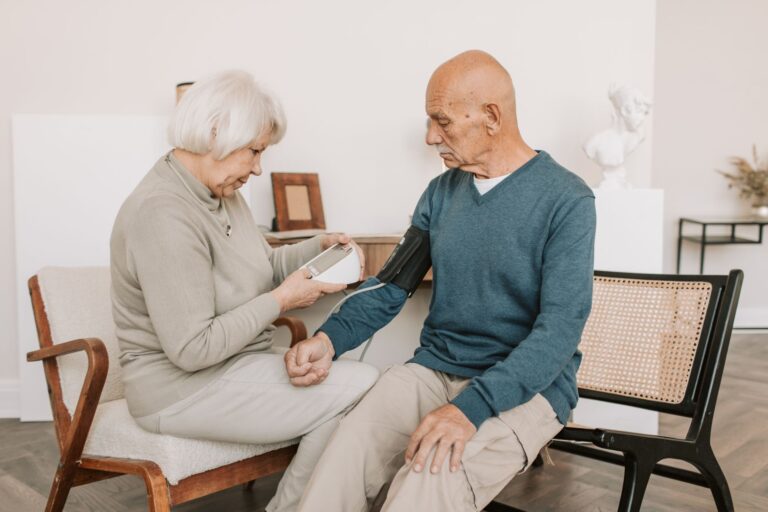
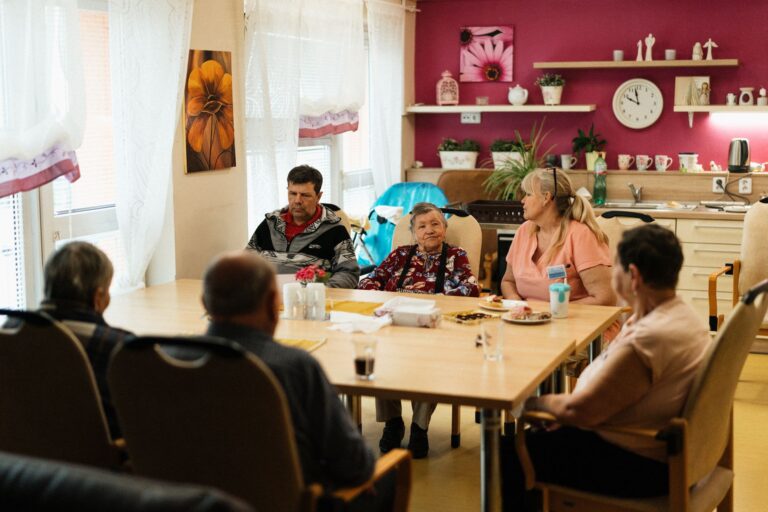
Simple cooperative pastimes like music, art and crafts, gardening, cooking, walks, and crossword puzzles help caregivers bond with people who have memory loss. Dementia is a progressive decline in memory and thinking that interferes with daily life, so connection comes from doing things together rather than winning. The Alzheimer's Association advises caregivers to build daily plans around creative activities like music, art and crafts, plus gardening, walks, crossword puzzles and visits with friends, according to its Daily Care Plan. For middle-stage dementia, togetherness matters even more than the activity itself.
Medical information disclaimer: This article is for general educational purposes only and does not provide medical advice, diagnosis, or treatment. Always consult a physician or other qualified health professional about symptoms, medications, tests, or treatment decisions.
Table of Contents
- Why togetherness matters more than score
- Which shared activities help most
- How do you set up game time for connection
- How do you keep play comfortable
Why togetherness matters more than score
The Alzheimer's Association's middle-stage guidance suggests doing things together such as making dinner, gardening, listening to music or going for a walk. The shared rhythm gives the caregiver and the person a common focus without pressure to remember or perform.
Music-based contact has the strongest support for mood and connection. A Cochrane review of 30 trials with 1,720 people found at least five sessions probably reduces depressive symptoms compared with usual care, as reported by Cochrane in its news summary. Cochrane evidence summaries also link music-based therapy to fewer overall behavioral problems and better social behavior during structured activities.
Which shared activities help most
Music and art work well because both people can join at any skill level. Listen to familiar songs together, sing along, clap a beat, sketch, paint, or assemble a simple craft side by side.
Gardening, cooking, and walking add movement and conversation without complex rules. Plant seedlings, stir batter, fold laundry, tend a small bed, or take a short neighborhood walk while naming what you see. Crossword puzzles and other light word games give a gentle mental workout when the person still enjoys words.
How do you set up game time for connection
Dementia play guides advise treating games as time together, not tests. The Creative Activities caregiving guide recommends a calm, simple setup, described in its How to Play Games.
One choice at a time prevents overload. A quiet setting helps the person hear, see materials clearly, and stay with the shared activity.
- Sit side-by-side in a quiet room with distractions low.
- Offer one simple game at a time.
- Let the person set the pace and choose how long to continue.
- Keep your tone warm and unhurried, with attention on the person.
How do you keep play comfortable
Watch for early strain such as sighing, withdrawing, or pushing materials away. The Creative Activities caregiving guide advises making the game easier at that point, with fewer choices and simpler steps.
Never correct harmless mistakes, since the goal is company rather than accuracy. Use pictures to prompt "tell me about" stories, follow the person's lead, and stop early while it still feels good.