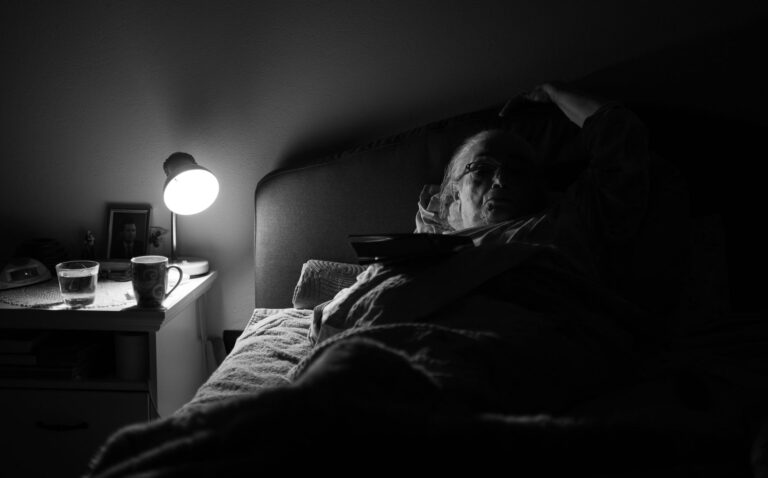
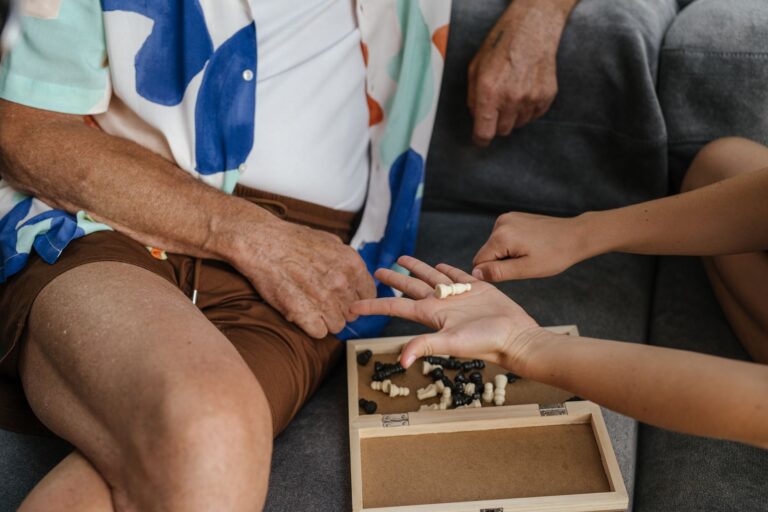
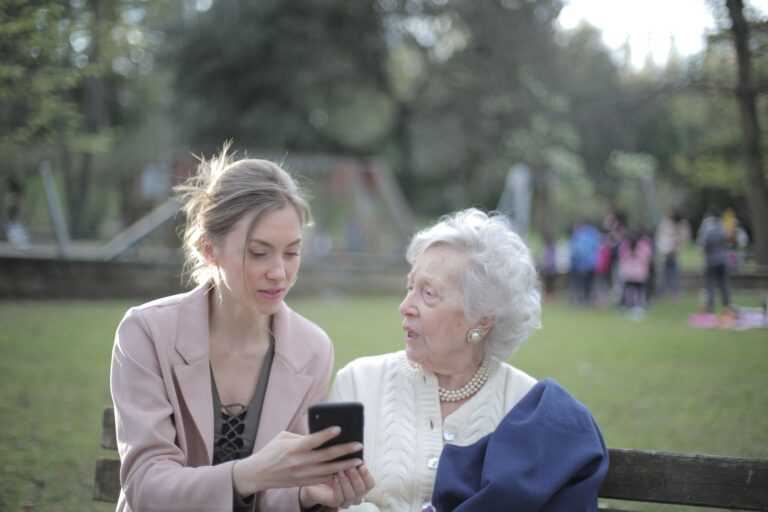
Caregivers use memory boxes to prompt calm conversation and ease memory loss in early Alzheimer's. A memory box is a small set of personal keepsakes that serve as cues for stories and familiar topics. Mayo Clinic guidance shared via Augusta Health describes boxes built from photos, clippings, letters, songs, videos and recorded stories tied to life history Mayo Clinic guidance via Augusta Health. Caregivers usually bring the box out during quiet time and explore it together with the person.
Medical information disclaimer: This article is for general educational purposes only and does not provide medical advice, diagnosis, or treatment. Always consult a physician or other qualified health professional about symptoms, medications, tests, or treatment decisions.
Table of Contents
- What goes inside?
- How do you start a session?
- What should you say?
- Can a box calm restlessness?
- What are the limits?
What goes inside?
Caregivers choose 5–10 safe, sturdy objects with clear personal meaning. Copies replace fragile originals so nothing precious gets lost or broken.
Prompts often span the senses. Examples include captioned family photos, newspaper cuttings, familiar perfume or soap, favorite music, favorite biscuits, textures, hobby items and keepsakes.
How do you start a session?
Pick a calm, quiet moment and offer a warm invitation. Let the person lead and move at their own pace rather than directing the activity.
Take items out one at a time to hold and discuss, a method recommended by the Creative Activities team the Creative Activities reminiscence guide. Sharing the activity keeps attention on connection, not performance.
What should you say?
Treat the session as conversation, not a memory test. Avoid "Do you remember?" or "Who is this?", which can cause pressure or shame.
Use open invitations such as "Tell me about this." Follow the person's response with interest. If a memory brings sadness, offer comfort first, then gently move on.
Can a box calm restlessness?
Caregivers often present familiar photos, books, cards, fabrics, seashells or spices when a person feels restless or agitated. Familiar sights, textures and smells can create comfort, reduce anxiety and improve mood.
Keep the box simple in these moments. Offer one item, watch the response, and pause if distress grows.
What are the limits?
Research shows only modest effects. The 2018 Cochrane review of 22 randomized trials found high-quality evidence of a very small cognitive benefit of doubtful clinical importance, plus inconsistent effects on well-being and quality of life, as summarized by ASHA the ASHA summary of the Cochrane review.
That means a box is best seen as comfort and engagement, not treatment. Personalize it, keep items safe with no sharp or swallowable parts, and stop when the person tires.