Yes, caregivers can use simple games for short-term relief from December holiday anxiety. Research links brief casual play, movement play, and guided group play to lower stress, better mood, and less momentary anxiety. The need is high.
The American Psychological Association reports that 89% of U.S. adults feel holiday-season stress from money, missing loved ones, and family conflict in its December stress findings. For dementia caregivers, that pressure adds to broken sleep, extra tasks, and fewer breaks.
Medical information disclaimer: This article is for general educational purposes only and does not provide medical advice, diagnosis, or treatment. Always consult a physician or other qualified health professional about symptoms, medications, tests, or treatment decisions.
Table of Contents
- Why December feels harder for caregivers
- Which types of play show benefit
- How can a busy caregiver use games
- What are the limits to expect
Why December feels harder for caregivers
Holiday strain often comes from more contact, more memory triggers, and less routine. Travel, late nights, loud meals, and gift costs can unsettle both the caregiver and the person with dementia. Grief can also rise when a loved one seems changed.
AARP advises holiday caregivers to simplify plans, accept help, protect sleep, seek other caregivers, and take brief recharging breaks in its caregiver holiday guide. Small changes help more than a perfect event. A shorter visit, a familiar meal, and a quiet room can lower tension.
Which types of play show benefit
Three formats have the best support: casual video games, exergames, and facilitated tabletop games. Exergames are video games played with body movement, such as stepping, dancing, or arm swings. Tabletop role-playing games are guided story games played with dice, characters, and group choices.
In an East Carolina University trial of nearly 60 adults with depression, Bejeweled 2, Peggle, and Bookworm Adventures linked to 57% lower depression symptoms plus better mood and anxiety than controls, according to the university's casual games study. A Harrisburg University program found guided tabletop groups with coping themes reduced anxiety and improved well-being. Temple and SUNY researchers also tied home exergaming to better endurance, balance, and stress in sedentary middle-aged adults matched to caregivers.
How can a busy caregiver use games
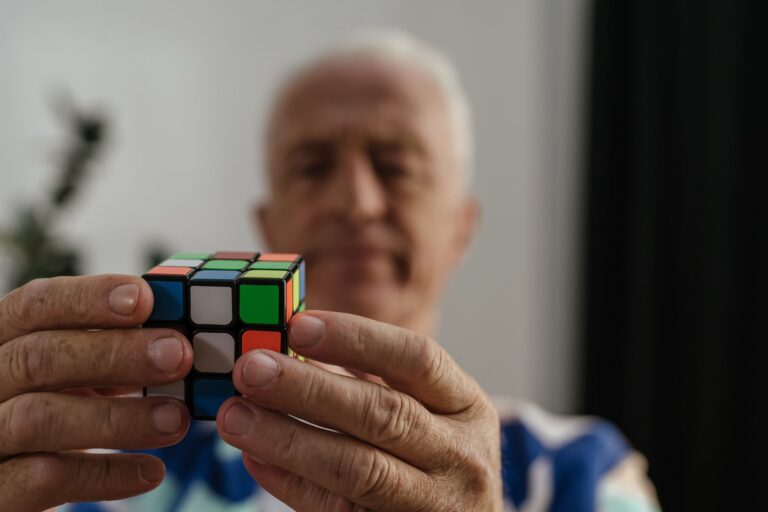
Pick low-skill, low-time options that stop easily. Puzzle games, matching games, short dance or step games, and simple card or dice games work well.
Avoid long matches, loud shooters, complex rules, and late-night play that steals sleep. Build a ten-minute reset into the day:.
- Play after lunch, before guests arrive, or during a sitter shift.
- Invite the person with dementia to watch, sort cards, tap a beat, or take one turn.
- Keep sound low, light soft, and seating stable and close.
- Stop if either person feels rushed, confused, or irritable.
What are the limits to expect
Games are a coping break, not treatment for an anxiety disorder. A 2022 JMIR Serious Games review found exergames matched exercise for anxiety and some game types beat no treatment, as summarized in this systematic review of game trials. The same review rated the evidence as very low to low quality, with small groups and short-term measures.
Use play for momentary calm, then keep core supports in place. Keep medicine schedules, sleep routines, respite help, and backup plans for agitation or wandering. Call a clinician, crisis line, or local caregiver program if worry persists, panic rises, or daily care feels unsafe.