Families caring for someone with dementia need to track specific changes in cognition, physical ability, behavior, and health to catch problems early and adjust care as the disease progresses. The most important things to monitor are memory and judgment changes, ability to perform daily tasks like bathing and eating, shifts in mood or sleep, and new medical symptoms—because these changes signal which stage of dementia your relative is in and what care adjustments become urgent.
For example, if your mother has been independent with dressing for months but suddenly can’t remember how to button a shirt or arrange her clothes in order, that’s a meaningful functional decline that means she now needs hands-on help in the morning, and it’s worth documenting the date because doctors and care planners use these timelines to make decisions. Without tracking, families often miss patterns until a crisis forces a decision—a fall that lands someone in the hospital, or a medication mix-up that causes confusion. Tracking also protects you from false reassurance or false alarm: you’ll know whether grandpa’s bad day was truly worse or just a rough morning, and you’ll have concrete evidence if his doctor says he’s stable when the data shows he’s actually declining.
Table of Contents
- What Cognitive Changes Should You Document During Dementia Progression?
- How to Track Daily Living and Physical Abilities as These Change
- Recognizing and Recording Behavioral and Emotional Shifts
- Creating an Effective Tracking System That Actually Works
- Understanding Medical Markers and Health Changes You Should Monitor
- Detecting Medication Effects and Side Effects
- Tracking Hospitalization, Medication Changes, and Major Care Transitions
- Frequently Asked Questions
What Cognitive Changes Should You Document During Dementia Progression?
Memory problems are the most obvious sign, but families often underestimate how to document them meaningfully. Don’t just note “he forgot things today”—write down what specifically: Did he forget why he got up and walked to the kitchen? Did he lose a word mid-sentence? Did he repeat the same question four times in ten minutes, not remembering he’d asked it? These distinctions matter because they tell you whether the problem is short-term memory, retrieval, or working memory, and different stages of dementia affect each differently. Early dementia often involves misplacing familiar objects or forgetting recent conversations; middle stages include losing the thread during long explanations or forgetting a spouse’s name; advanced dementia means not recognizing people at all.
Beyond memory, track judgment and decision-making. Has your relative started making poor financial choices—giving money to suspicious callers, overpaying for groceries, forgetting they already paid a bill? Has their ability to plan ahead disappeared—they can’t figure out what to cook even if you show them ingredients, or they can’t sequence steps (shower, then dress, then eat) without being walked through each one? Judgment problems often appear before severe memory loss, and families frequently miss them because they chalk it up to “getting old” or “he’s always been scattered.” The key difference is whether this is new compared to five years ago, and whether it’s worsening. Document dates and examples so you have a pattern, not just isolated incidents.
How to Track Daily Living and Physical Abilities as These Change
Your relative’s ability to manage self-care—bathing, dressing, toileting, eating, grooming—is one of the most concrete measurements of dementia progression, and it changes in a predictable order. Usually dressing becomes difficult first (forgetting the sequence of clothes, getting confused about which holes to put arms through), then bathing (fear of water, forgetting how to use soap, becoming cold easily), then toileting (forgetting to go, accidents, confusion about how to use the toilet). The limitation here is that some people refuse help for pride reasons, so you might not know they’ve actually lost the ability—they’ll seem more independent than they are. One family thought their father was fine managing the bathroom until a visiting nurse found he hadn’t showered in three weeks and was hiding soiled clothes in the closet.
Track specific events, not vague assessments. Instead of “struggling with breakfast,” write: “Couldn’t figure out how to use the can opener, forgot halfway through how to pour milk into cereal, spilled three times, ate only a few spoonfuls, gave up.” This detail helps you and the doctor understand whether he can still manage simple tasks with reminders or whether he needs constant hands-on help now. Also note physical changes: Does he move more slowly? Does he shuffle or lose his balance? Does he fall? A fall during a dementia progression isn’t just an accident—it suggests brain changes that affect coordination and spatial awareness, and it’s a sign that your home safety needs updating and he may need closer supervision. Track the date, time, and what he was doing when it happened, because patterns matter (falls in the morning when he’s groggy, falls when he’s overwhelmed or distracted, falls because he’s weaker).
Recognizing and Recording Behavioral and Emotional Shifts
Dementia doesn’t just steal memory—it changes personality and emotional regulation in ways that are often harder for families to manage than the forgetting itself. Someone who was always calm might become irritable or aggressive; someone who was private might become socially inappropriate; someone who was independent might become clingy or paranoid. These changes happen on a spectrum and usually progress, so tracking is essential to understand whether a bad day is typical, or whether a new behavior is emerging that requires a different care approach.
One pattern worth documenting is sundowning—increased confusion, agitation, or wandering that happens in late afternoon or evening. Not all people with dementia experience it, but it’s common enough that families should know whether it’s happening. If your aunt becomes repetitive and anxious every evening around 5 p.m., that’s different from random agitation and means you might need to adjust her routine or environment (more light, quieter activities, earlier dinner, an earlier bedtime). Track mood alongside behavior: Is she sad, angry, scared, or indifferent? Mood changes can indicate depression, which is common in early and middle dementia and sometimes treatable, or they can signal that her brain is struggling to process her environment and she needs calmer surroundings.
Creating an Effective Tracking System That Actually Works
Many families start with good intentions—a notebook or document—then stop updating it because it feels like extra work on top of already exhausting caregiving. The tradeoff is between detail and sustainability: a complex daily checklist sounds thorough but burns out the caregiver; a simple weekly note is more likely to actually happen. The most practical approach is to track only the things that change, not baseline behaviors. If your mother has always been quiet, you don’t need to note it daily; if she suddenly becomes talkative, that’s worth marking down because it’s new.
Consider what you’ll actually use this tracking for—will you show it to a doctor, use it to make care decisions, share it with other family members, or just keep it for your own awareness? If it’s going to a doctor, focus on changes that matter medically (new symptoms, function changes, falls, medication concerns). If it’s for family communication, you might track emotional and behavioral changes more heavily so distant family members understand what day-to-day care is actually like. Many families find a shared Google Doc or simple spreadsheet works better than a physical notebook because multiple people can add notes and everyone can access it. Some keep it very simple: one line per week noting any significant changes, plus dates of doctor visits or hospitalizations. The key is that it captures trends—noticing six months later that your father’s confusion has gotten measurably worse—rather than trying to document every instance.
Understanding Medical Markers and Health Changes You Should Monitor
Dementia itself isn’t contagious or directly deadly, but dementia-related health changes often are the real danger. Weight loss is common—sometimes because the person forgets to eat, sometimes because they lose interest in food, sometimes because swallowing becomes difficult. Document weight monthly if possible; a drop of more than 5 pounds in a month warrants a doctor call. Similarly, track appetite and eating: Is he eating normally but forgetting he ate and asking for another meal? Is she refusing foods she used to love? Is he able to chew and swallow, or are there choking risks? Sleep disturbance is another marker.
Some people sleep less as dementia progresses; some sleep too much; some flip to daytime sleeping and nighttime wakefulness. This matters because it affects how they function during the day and affects caregiver sleep, which affects your ability to provide care safely. Infections—urinary tract infections, respiratory infections—can cause acute confusion in someone with dementia even if they don’t have the typical infection symptoms (no fever, no complaints). An older person with dementia who suddenly becomes more confused or agitated might have a UTI, and you’d know to call the doctor to get urine tested, rather than thinking this is just dementia getting worse. Bowel and bladder changes matter too: Is he having accidents now, or is this new? Is she constipated? Constipation is incredibly common in dementia and can actually cause behavioral problems and confusion if it gets severe enough to cause impaction.
Detecting Medication Effects and Side Effects
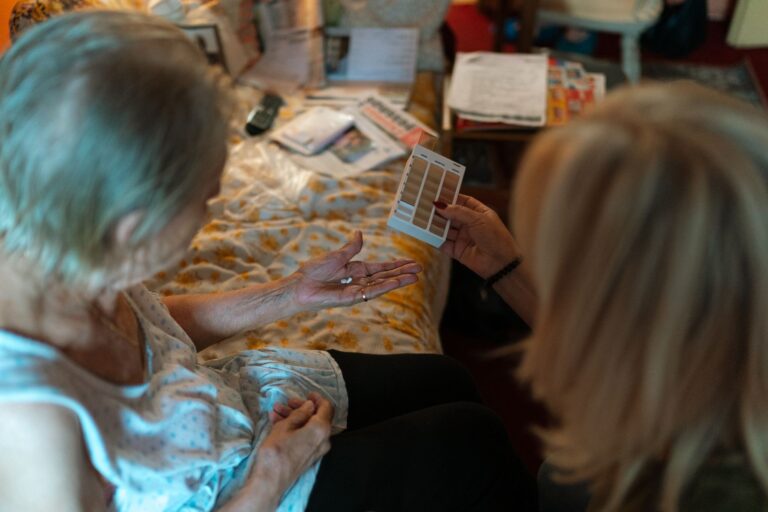
Many medications slow cognitive decline slightly or manage specific symptoms (anxiety, sleep problems, agitation), but they also cause side effects. Your relative might be on a medication that’s supposed to help, but it’s actually making her drowsy, causing dizziness that leads to falls, or triggering constipation that causes impaction-related confusion. Without tracking, it’s easy to assume the side effects are just part of dementia progressing, when they’re actually a medication problem that could be fixed by adjusting the dose or switching drugs. Document any new medications started and any behavior or health changes that happen within a few weeks—that timeline matters because it suggests causation.
If your uncle started a sleep aid and then started falling during the night, the sleep aid is probably the culprit. If your aunt started an anxiety medication and her agitation actually got worse instead of better, that particular drug isn’t working for her. The limitation is that dementia can make it hard to get accurate reports about side effects—someone who can’t explain whether they feel dizzy might just act confused or frustrated, and the caregiver has to infer what’s happening. When in doubt, ask the doctor whether the symptom is a known side effect of the medication and whether it’s worth trying a different approach.
Tracking Hospitalization, Medication Changes, and Major Care Transitions
Hospitalizations are inflection points in dementia progression—they break routines, the hospital environment can cause acute confusion (called delirium, distinct from dementia), and the person often comes home more confused or weaker than before. Document why your relative was hospitalized, what was treated, what medications changed, and how they functioned differently when they came home. Sometimes people recover to baseline after a hospitalization; sometimes they don’t, and you need to know whether this is permanent new decline or reversible delirium that might improve with time and familiar routines.
Similarly, track when major care changes happen—when she moves from independent to needing reminders for medication, when he moves from needing reminders to needing hands-on help, when nighttime supervision becomes necessary, or when a move to assisted living or memory care becomes unavoidable. These transitions are stressful and expensive, but they’re usually driven by concrete changes you’ve been tracking all along: she’s having accidents now so adult diapers are necessary; he’s wandering at night so he needs a secure environment; she’s refusing meals so she needs monitoring at mealtimes. The tracking data validates that this transition is necessary, not an overreaction, and it helps you explain to your relative (or her healthcare proxy, or family members who disagree) why this change is happening now.
Frequently Asked Questions
Should I track every single day, or is weekly enough?
Weekly is usually realistic and sufficient. Track daily only if you’re managing crisis-level behaviors or if your relative’s status is actively changing rapidly. Daily tracking often burns out caregivers; the goal is a sustainable system you’ll actually maintain.
What should I do if I notice a big change—call the doctor immediately?
If it’s a safety issue (fall, injury, inability to eat or take medications), call immediately. For other changes like increased confusion or behavioral shifts, document it and bring it up at the next doctor visit unless it’s truly alarming (severe agitation, signs of infection, inability to recognize family). Your tracking will help the doctor see the pattern.
Can I use a smartphone app instead of writing it down?
Yes, absolutely. Apps designed for caregiver tracking exist, and even a simple shared notes app works. The advantage is that multiple family members can add to it and access it from anywhere. The disadvantage is that some apps require a learning curve or charge fees. A shared Google Doc is free and works fine.
My relative doesn’t want me tracking or documenting their decline. How do I handle this?
If they have capacity to refuse, respect it, though you can suggest that tracking helps the doctor provide better care. If they lose the ability to consent (advanced dementia), continue documenting because it’s necessary for care. If cognitive decline is early and they’re resistant, focus tracking on medical information and shared family communication rather than behavioral details that might feel invasive.
How long should I keep these records?
Keep them through the end of life and for at least a year afterward, in case estate issues or medical questions arise. After that, it’s your choice—many families keep them for their own record or to help with grief processing.