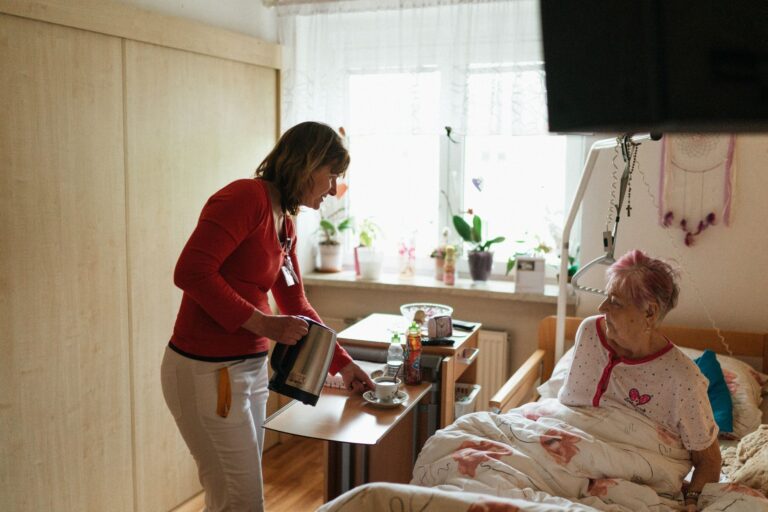
Hospice teams evaluate advanced dementia patients using a standardized set of medical criteria that measure functional decline, not just cognitive loss. When a doctor refers someone with late-stage dementia to hospice, the team assesses whether the person’s condition—including physical abilities, ability to eat and swallow, frequency of infections, and responsiveness—aligns with a life expectancy of six months or less. This is not a guess but a clinical judgment based on observable changes: a person who has lost the ability to walk, communicate verbally, and maintain nutrition independently is further along the pathway than someone who still walks with assistance.
The hospice evaluation typically happens because family members or primary care doctors notice that curative or life-prolonging treatments are no longer helping and may actually cause suffering. For example, if a person with advanced dementia is admitted to a hospital for pneumonia and treated with antibiotics repeatedly but declines further each time they return home, the pattern suggests that aggressive intervention is no longer aligned with quality of life. Hospice teams look at these patterns—how often someone is hospitalized, how much they’ve declined in the past three months, whether they can swallow safely—to determine if hospice care is the right fit.
Table of Contents
- Functional Decline and Dementia Stage Assessment
- Communication Ability and Cognitive Responsiveness
- Swallowing Dysfunction and Oral Intake
- Infection Frequency and Response to Treatment
- Vitals, Labs, and Signs of Organ Failure
- Pressure Sores and Skin Breakdown
- Prior Hospitalizations and Treatment Patterns
Functional Decline and Dementia Stage Assessment
Hospice evaluates advanced dementia using specific functional milestones. A person in the final stage typically cannot ambulate independently, cannot sit up without support, and cannot communicate meaningfully—recognizing people only inconsistently or not at all. These changes reflect damage to the brainstem and motor cortex, not just memory loss. Hospice doctors use tools like the Functional Assessment Staging Scale (FAST) to measure this decline objectively rather than relying on subjective impressions.
The FAST scale progresses through seven stages, with stage 7 representing the most advanced decline. By stage 7, a person loses the ability to hold their head up, smile, or track movement with their eyes. However, hospice admission doesn’t require a FAST score of 7—it requires evidence that the person is actively declining and will likely not recover function. A 78-year-old who has been in stage 6 for two years and remains stable is different from a 78-year-old who moved from stage 5 to stage 6 in the past month. Hospice looks for the latter trajectory: clear, ongoing decline rather than stable decline.
Communication Ability and Cognitive Responsiveness
One hallmark of advanced dementia that hospice evaluates is the near-total loss of expressive and receptive language. In early dementia, a person might forget words but still form sentences. In advanced dementia, meaningful speech is gone. The person may make sounds or vocalizations, but they don’t respond to verbal cues or commands. They don’t recognize family members by name and don’t show clear understanding of who is speaking to them.
This loss of communication affects everything downstream—it means the person cannot report pain, hunger, or fear. It means caregivers and medical staff must infer comfort from non-verbal signs: facial expressions, body tension, respiratory changes. This is both a criterion for hospice eligibility and a reason why hospice becomes appropriate. A person who cannot ask for help, refuse treatment, or express wishes is not a good candidate for continued aggressive medical interventions that require cooperation or consent. Hospice teams note that continued hospitalization, tests, and procedures often increase distress in non-communicative patients because there’s no way to explain what’s happening or why. A limitation here: non-verbal doesn’t mean non-sentient, so hospice still prioritizes comfort and presence—it’s just clear that cure is no longer possible.
Swallowing Dysfunction and Oral Intake
Swallowing deteriorates progressively in advanced dementia. Early on, someone might cough occasionally when drinking thin liquids but still manage soft foods. By late-stage, swallowing is severely impaired or absent. Food or liquid may enter the airway instead of the esophagus, or the person may cough ineffectively, unable to clear the airway. This is called aspiration, and it’s a key sign hospice teams evaluate.
Aspiration pneumonia—infection caused by inhaled food or saliva—becomes more common as swallowing fails. Hospice doctors ask: Has this person been hospitalized for aspiration pneumonia? How many times in the past year? Do they aspirate even pureed food or thickened liquids? Can they swallow saliva, or does drooling suggest they cannot? A person with advanced dementia who can no longer swallow anything safely often stops eating and drinking voluntarily. This is different from starvation—the person is signaling that the body is shutting down. Hospice recognizes this as part of the natural dying process, not as a medical emergency requiring intervention. Important caveat: the decision to use or not use feeding tubes is ethically complex, and hospice teams will discuss this with families, but the presence of swallowing difficulty is a documented sign of advanced decline.
Infection Frequency and Response to Treatment
Hospice evaluates how often a person develops infections and how their body responds to treatment. In advanced dementia, infections occur frequently—urinary tract infections, respiratory infections, skin infections from pressure sores. More importantly, the person fails to recover well from these infections. A younger, healthier person might develop a UTI, take antibiotics, and return to baseline. A person with advanced dementia may receive antibiotics but continue to decline, or they may improve temporarily, only to develop another infection weeks later.
This pattern—recurrent infections that respond poorly to treatment—is a major hospice indicator. It suggests the immune system is compromised and the person’s reserve is depleted. Hospice teams also look at whether infections are being diagnosed and treated in the first place. Some advanced dementia patients don’t receive antibiotics for infections; instead, infections are managed for comfort. If a person develops a fever, instead of sending them to the hospital for testing and IV antibiotics, hospice might give acetaminophen for comfort and morphine for breathing distress if it occurs. This is a significant tradeoff: treating infections may extend survival but often at the cost of increased suffering, repeated hospitalizations, and medical procedures that confuse the already non-communicative patient.
Vitals, Labs, and Signs of Organ Failure
Hospice reviews recent blood work, vital signs, and imaging to identify whether organs are failing. Elevated kidney function markers, declining albumin (a protein related to nutrition), or low hemoglobin all indicate that the body is shutting down. Vital signs also tell a story: Is blood pressure dropping? Is heart rate irregular? Are breathing patterns changing? These physiological markers, combined with the functional decline, help hospice confirm that someone is in the final chapter. One important limitation: some of these markers can be present without causing immediate death, and their presence doesn’t always mean someone is actively dying in the next weeks.
A person can have low albumin for months. However, when combined with the loss of swallowing, loss of ambulation, loss of communication, and recurrent infections, these lab findings reinforce the picture of overall decline. Hospice teams also warn families that running more tests—more bloodwork, more imaging—often doesn’t change the plan. A CT scan won’t reverse advanced dementia, and the scan itself requires the person to be transported and positioned, which can be uncomfortable or distressing. Hospice focuses on what testing and data actually inform care decisions about comfort.
Pressure Sores and Skin Breakdown
Advanced dementia patients who cannot move independently develop pressure ulcers (bedsores). These start as red areas on bony prominences—heels, tailbone, hips—where prolonged pressure cuts off blood flow. If a person cannot reposition themselves and caregivers cannot turn them frequently enough, these red areas progress to open wounds, then to deeper tissue damage that can become infected and malodorous.
Hospice teams document the stage and extent of pressure ulcers as part of the overall decline picture. A person with stage 3 or 4 pressure sores—meaning the wound is deep and involves tissue loss—is typically in advanced decline. Hospice will manage these wounds for comfort using clean dressings and pain control rather than aggressive wound care aimed at healing. The presence of pressure ulcers also indicates that the person has been immobile and hasn’t had frequent position changes, another marker of functional decline.
Prior Hospitalizations and Treatment Patterns
Hospice reviews the person’s hospital history and recent emergency room visits. If someone has been admitted multiple times in the past six months, this trajectory is flagged. Hospice also looks at what prompted those admissions and what happened: Was the person treated aggressively (intubated, put on a ventilator, given pressors)? Did they return to baseline or to a lower level of function? Were they admitted again shortly after discharge? A repeated cycle of hospitalization, minimal recovery, and readmission is a documented pattern of decline that hospice considers. It shows that the person is not recovering between interventions and that the time between crises is shrinking.
One specific example: an 82-year-old with advanced dementia is hospitalized for pneumonia, treated with antibiotics in the ICU, and extubated after one week. They return to their care facility but are more confused and weaker than before. Six weeks later, they’re hospitalized again for another infection, and this cycle repeats. By the third or fourth hospitalization within a few months, hospice criteria are often met because the pattern of decline is clear and objective.