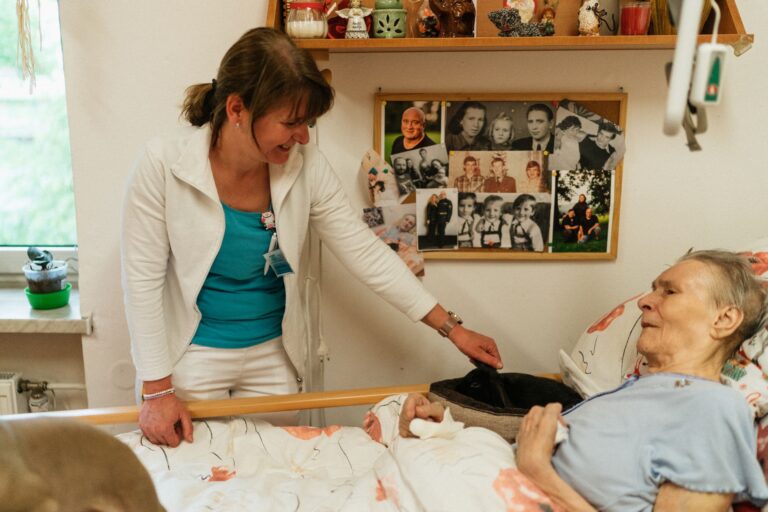
Reviewed by the Help Dementia Editorial Team — our editors review every article for accuracy against guidance from the National Institute on Aging, the Alzheimer’s Association, and peer-reviewed sources.
Emotional safety in dementia care means creating an environment where a person with cognitive decline feels protected, understood, and secure despite their confusion and memory loss. It’s the consistent reassurance in a caregiver’s voice when their loved one asks the same question for the fifth time that day; it’s the decision to redirect rather than correct when they misremember a family event; it’s the physical presence that communicates “you are not alone” even when words no longer bridge the gap. When a person with dementia feels emotionally safe, they are less likely to experience the anxiety, aggression, and withdrawal that often accompany the disease—and their caregivers experience less burnout and stress in return.
Unlike physical safety in dementia care, which involves removing fall hazards and securing medications, emotional safety is about the quality of connection. It requires caregivers to shift their expectations about what “safety” means. A 78-year-old woman with mid-stage Alzheimer’s may feel emotionally unsafe in a sterile, overstimulating day center where staff are efficient but distant; she may feel deeply safe in her living room with a quiet caregiver who holds her hand without trying to convince her that her late husband isn’t coming home. Emotional safety acknowledges that a person with dementia is still capable of feeling, even when they cannot remember.
Table of Contents
- Why Does Emotional Safety Matter More as Memory Fades?
- What Does Emotional Safety Look Like in Daily Caregiving?
- How Validation and Reminiscence Support Emotional Safety?
- How Can Physical Environment Contribute to Emotional Safety?
- What About Behavioral Challenges and Emotional Safety?
- Building Trust Across Different Stages of Dementia
- The Ripple Effect—How Emotional Safety Changes Outcomes
- Conclusion
Why Does Emotional Safety Matter More as Memory Fades?
When someone loses their memory, their emotions become their primary source of information about the world. They cannot reliably use facts or logic to reassure themselves—they cannot remember that they’ve already eaten, that they’ve been checked on today, or that they’re in a safe place. Instead, they rely on how they feel in the moment. If a caregiver enters the room with impatience or irritation, the person with dementia picks up on that emotional tone and may feel threatened, even if the caregiver’s frustration has nothing to do with them. Conversely, a calm, warm presence can quiet anxiety in ways that logical reassurance never could. This shift happens because dementia typically damages memory and reasoning before it affects the emotional brain.
The limbic system—responsible for processing feelings and emotional memories—often remains relatively intact even in advanced stages of the disease. This is why a person who can no longer recognize their own child might still respond to a gentle touch or familiar song with visible calm and recognition. The emotional connection registers where facts do not. A caregiver might spend ten minutes explaining that the person’s deceased mother passed away in 1985, but the person will continue to grieve as though hearing it for the first time. This is not stubbornness or denial; it’s the neurological reality of dementia. Emotional safety means accepting this reality rather than fighting against it.

What Does Emotional Safety Look Like in Daily Caregiving?
Emotional safety in dementia care often looks like small, consistent acts: speaking in a calm voice even when exhausted, maintaining eye contact, avoiding arguing about facts, and respecting the person’s emotional truth even when it differs from reality. It might mean agreeing that yes, it’s okay to be worried about your father being late (even though your father has been deceased for ten years), and then gently redirecting the conversation rather than insisting on the facts. It means showing up at the same time each day so the person knows what to expect, and it means being present without forcing interaction. A significant limitation of emotional safety in dementia care is that it cannot prevent all distress.
No matter how skillfully a caregiver creates a calm environment, some people with dementia will still experience sundowning—increased confusion and anxiety as evening falls—or have days where nothing seems to help. Some behavioral symptoms stem from pain or medical conditions that have nothing to do with the caregiver’s approach. Additionally, maintaining emotional safety requires consistent effort from caregivers who may be running on empty. A family caregiver working a full-time job while managing nighttime incontinence accidents and medication schedules may struggle to maintain the emotional presence that dementia care requires. Burnout can erode even the most well-intentioned caregiver’s patience, creating a cycle where the person with dementia senses the caregiver’s stress and responds with increased agitation.
How Validation and Reminiscence Support Emotional Safety?
Validation is one of the most powerful tools for creating emotional safety. Rather than correcting someone who has a false memory or is confused about time and place, validation acknowledges the feeling underlying the confusion. If a person with dementia believes they need to go to work and is becoming distressed, a validating response might be: “I can see that’s important to you. Tell me about your job.” This approach doesn’t reinforce the false belief, but it also doesn’t aggressively contradict it. It meets the person where they are and addresses the emotional need driving the confusion—often, that person is expressing anxiety about purpose, contribution, or identity.
Reminiscence work—discussing the person’s past, looking through old photos, or engaging with meaningful objects—is another way to build emotional safety. These activities connect a person with dementia to their identity and life history in a way that feels validating and grounding. A man who no longer remembers his career may still feel a sense of pride and purpose when discussing the projects he built forty years ago. A woman may feel comforted by holding a photograph of her children even if she can’t name them. These moments of connection reinforce that the person is still valued for who they were and who they are now, not for what they can remember or produce.

How Can Physical Environment Contribute to Emotional Safety?
The physical space where care happens significantly influences emotional safety. A dementia-friendly environment typically includes soft lighting (harsh fluorescent lights can increase agitation), familiar objects and photographs, accessible outdoor space, and design features that reduce confusion—like color-coded doors or visible bathroom signs. However, an equally important element is the presence of comfortable places for quiet moments: a chair by a window, a private space where someone can sit without feeling rushed or observed, or a garden where wandering is safe and encouraged. The comparison between institutional and home-based care reveals an important tradeoff.
A well-designed memory care unit in a facility may offer excellent environmental design, trained staff, and safety features that a family home cannot provide. However, the person with dementia may feel emotionally safer in their own home, surrounded by decades of memories embedded in the walls and furniture, even if that home lacks some structural safety features. Many families choose to age a person with dementia in place at home specifically because the emotional security of familiar surroundings outweighs the convenience of professional 24-hour care. The trade-off requires honest assessment of what matters most: safety from falls and accidents, or safety from the emotional distress of displacement and disorientation.
What About Behavioral Challenges and Emotional Safety?
Dementia often involves behavioral symptoms—aggression, repetitive questioning, wandering, refusal of care—that test a caregiver’s ability to maintain emotional safety. A person may become combative during bathing because the sensation of water triggers fear, or they may refuse meals because they don’t recognize the food. A caregiver might be struck, cursed at, or accused of theft. In these moments, maintaining emotional safety for both the person with dementia and the caregiver becomes incredibly difficult. One critical limitation is that emotional safety cannot be a one-way street.
If a caregiver is regularly being physically harmed or verbally abused, their own emotional and physical safety is at risk, and burnout can accelerate quickly. Behavioral challenges in dementia may require professional intervention—a behavioral consultant, medication adjustment, or admission to a facility with specialized behavioral programs. There is no shame in recognizing that a situation has become unsafe or unsustainable. Additionally, some aggressive or resistant behaviors are driven by genuine medical issues—pain, urinary tract infections, or medication side effects—that emotional safety alone cannot address. A comprehensive approach includes medical evaluation, environmental modification, caregiver training, and sometimes professional support or facility care.

Building Trust Across Different Stages of Dementia
Emotional safety looks different depending on the stage of cognitive decline. In early-stage dementia, people may be aware enough to feel profound grief, fear, and loss about their diagnosis. Emotional safety might mean acknowledging those feelings directly, helping them plan for the future while they still can, and not pretending everything is normal when they’re experiencing real existential anxiety.
In mid-stage dementia, when memory loss is obvious but some recognition remains, emotional safety involves the validation and redirection techniques mentioned earlier. In late-stage dementia, when verbal communication is minimal, emotional safety comes through touch, tone of voice, and the caregiver’s consistent physical presence. One specific example of building trust across stages: a man in early-stage Alzheimer’s might need his caregiver to acknowledge, “Yes, this is scary, and I’m here to help you navigate it,” while the same man in late-stage disease needs his caregiver to simply sit beside him, recognizing him through tone and touch alone. The form of emotional safety evolves, but the commitment to meet the person as they are remains constant.
The Ripple Effect—How Emotional Safety Changes Outcomes
When a person with dementia consistently experiences emotional safety, research suggests improvements in overall well-being: fewer behavioral symptoms, better appetite and sleep, reduced hospital visits, and lower antipsychotic medication use. More importantly, they spend less time in states of fear and confusion and more time in moments of calm, connection, and dignity. Their quality of life improves not because their memory is better but because the people around them are helping them feel secure despite the loss.
For caregivers, the practice of creating emotional safety often becomes a source of meaning and connection rather than just burden. A caregiver who learns to see their loved one’s behavioral responses as communication rather than obstruction may experience greater peace and less guilt. The relationship changes—it’s no longer about restoring what dementia has taken but about honoring what remains and creating moments of genuine human connection.
Conclusion
Emotional safety in dementia care is about shifting from a model of control and correction to one of compassion and presence. It means accepting that you cannot restore someone’s memory, but you can ensure they feel protected, valued, and understood in the present moment. It requires patience, training, self-awareness, and sometimes professional support.
It’s not always possible to achieve perfectly, and caregivers should not feel ashamed when they fall short—dementia is hard, and emotional safety is as much about caring for the caregiver as it is about caring for the person with the disease. If you’re a caregiver navigating dementia, start by focusing on one practice: perhaps it’s maintaining a calm tone during difficult moments, or creating a quiet space for your loved one to retreat when overwhelmed. Pay attention to what brings moments of peace and connection, and build from there. Emotional safety is not a destination but an ongoing commitment—and even small, consistent efforts make a profound difference in how a person experiences the final chapters of their life.
You Might Also Like
- How Caregivers Can Build Emotional Safety
- What Exercise Looks Like Across Dementia Stages
- How Movement Improves Mood in Memory Care
Related reading
- can Dementia Be Linked to Kidney Disease
- why Chronic Illnesses Affect Cognitive Health
- how Organ Health Shapes Brain Function
- can Liver Disease Cause Dementia-Like Symptoms
- why Whole-Body Health Matters for Memory
For more on this topic, see NIH MedlinePlus — cognitive testing.