Reviewed by the Help Dementia Editorial Team — our editors review every article for accuracy against guidance from the National Institute on Aging, the Alzheimer’s Association, and peer-reviewed sources.
Does not recognize sits at the center of this question for families navigating dementia.
When a loved one with dementia fails to recognize you, the first step is to stay calm and reintroduce yourself gently without forcing recognition. Rather than correcting them or expressing hurt, respond with patience and redirect the conversation toward a shared moment in the present. The goal is not to restore their memory in that moment—which may be impossible—but to create safety, comfort, and connection despite the cognitive loss.
This shift in perspective, from demanding recognition to offering presence, is what transforms these interactions from moments of crisis into opportunities for meaningful contact. Consider this real scenario: An adult daughter visits her mother with advanced Alzheimer’s disease. Her mother looks at her with confusion and asks, “Who are you?” Instead of saying “It’s me, your daughter Sarah,” which triggers frustration when the mother doesn’t remember, the daughter sits beside her and says, “I’m a friend who cares about you. Would you like to sit together for a while?” This approach maintains dignity, reduces distress for both people, and opens space for connection without the burden of memory recovery.
Table of Contents
- Why Does Your Loved One No Longer Recognize You?
- The Emotional Weight of Non-Recognition and Its Limitations
- Verbal Communication Strategies When Recognition Is Lost
- Non-Verbal and Environmental Communication
- Common Mistakes That Increase Agitation and Distress
- Specific Scenarios—Hospital Visits, Emergencies, and Times of High Stress
- Adaptation and Long-Term Perspective
- Conclusion
Why a Loved One Does Not Recognize You Anymore
Memory loss in dementia occurs because the disease damages the brain regions responsible for storing and retrieving information. Early Alzheimer’s disease typically affects short-term memory first, meaning your loved one may forget recent conversations within minutes. As the disease progresses, it damages long-term memory as well, which is why some people eventually stop recognizing family members, lifelong friends, or even spouses. The order of memory loss often follows a predictable pattern: recent events disappear first, then more distant memories, though this progression varies by individual and type of dementia. The non-recognition you’re experiencing is not rejection—it’s a symptom.
The person is not choosing to forget you or deciding they don’t care. Their brain is literally unable to retrieve or process the memory of who you are. In frontotemporal dementia, people may retain some factual memory but lose the emotional recognition—they might remember your name from a photo but not feel the emotional bond. In Lewy body dementia, recognition may fluctuate dramatically, with your loved one knowing you one day and being confused the next. Understanding which type of dementia your loved one has can help you anticipate these patterns and respond more effectively.

The Emotional Weight of Non-Recognition and Its Limitations
Being unrecognized by someone you love is profoundly painful. You may feel erased, rejected, or invisible—even though intellectually you know the disease is responsible. Many caregivers describe a grief that runs deeper than other losses because they must grieve while the person is still physically present. This emotional reality is important to acknowledge; denying your pain will only make interactions with your loved one more strained. The limitation here is that no response strategy will completely eliminate this hurt, and attempting to “fix” the situation through perfect communication will only increase your frustration.
Your primary task is not to restore their memory but to protect yourself emotionally while remaining present. It’s equally important to avoid the trap of believing that if you just say the right thing or do the right action, your loved one will suddenly recognize you. This magical thinking—understandable as it is—sets you up for repeated disappointment. Some family members spend visits desperately trying to trigger recognition through stories, photographs, or emotional appeals. While reminiscence can sometimes be pleasurable for the person with dementia, it should never become a test of whether they’ll “remember” you. The limitation of any memory-focused strategy is that advanced cognitive loss may be irreversible, and pushing recognition attempts can actually increase confusion and agitation for your loved one.
Verbal Communication Strategies When Recognition Is Lost
The most effective verbal approach is direct, honest, and brief. Introduce yourself by name and relationship in a calm, warm tone: “Hi, I’m Michael, your son. I’ve come to visit you.” Then pause and observe their reaction. You’re not asking them to prove they remember; you’re simply stating a fact. If they seem confused or distressed, don’t repeat the introduction or elaborate further. Instead, pivot to the present moment: “I’m so glad to see you today.
How are you feeling?” or “Would you like to have some tea together?” This simple redirect acknowledges their confusion without making it a problem that needs solving in that moment. Avoid these verbal pitfalls: don’t say “You don’t remember me, do you?” which invites them to feel shame or failure. Don’t correct them if they call you by someone else’s name, especially not if that person was important to them and the error creates peace rather than distress. Don’t ask repeated questions like “Do you remember when…?” or “Don’t you remember my birthday?” These questions highlight the loss and create a dynamic where you’re testing their memory. Instead, use indirect language: “We’ve always loved going to the beach together” (not “Remember when we went to the beach?”). This allows you to share a memory without demanding they retrieve it.

Non-Verbal and Environmental Communication
Your body language, tone of voice, and physical environment matter more than your words when someone is experiencing significant cognitive loss. Approach slowly, speak softly and clearly, maintain gentle eye contact, and keep your facial expression warm and reassuring. Your demeanor communicates far more than your words, and anxious or frustrated energy—even if you’re trying to hide it—will register with your loved one as a threat. Compare this to your usual introductions with strangers: you rely on verbal context to establish trust. With someone who’s cognitively impaired, you must rely primarily on non-verbal cues because the verbal context may not stick.
Environmental design is equally powerful. A calm, familiar setting with minimal noise and visual clutter will make your loved one more comfortable and more responsive than a busy, unfamiliar environment. If possible, visit in a consistent location at a consistent time; the routine itself can create a sense of safety even when they don’t consciously remember previous visits. If they’ve stopped recognizing you at home, try removing environmental stressors—turn off the television, reduce background noise, ensure adequate lighting, and maintain a comfortable temperature. Some people with dementia respond better to specific sensory cues: a familiar smell (like a particular cologne or hand lotion), soft music they once loved, or tactile comfort like holding hands. These elements work because they engage the sensory nervous system, not the memory system.
Common Mistakes That Increase Agitation and Distress
One of the most common mistakes caregivers make is responding to non-recognition with visible emotion. When you become visibly sad, frustrated, or desperate, your loved one picks up on your distress and mirrors it back to you, even if they don’t remember why you’re upset. This escalates the emotional tenor of the visit and can trigger behavioral symptoms like anxiety, aggression, or withdrawal. It’s a difficult balance: you need to acknowledge your feelings, but not in the presence of someone whose cognitive impairment prevents them from understanding or comforting you. Vent your grief with a therapist, support group, or trusted friend—not with your loved one. Another significant pitfall is over-explaining or offering too much information at once.
When someone is confused, the instinct is to provide more context, history, and reassurance. In reality, this increases confusion. Short, simple sentences work best: “It’s noon, lunchtime. Let’s eat something.” Not: “I came to visit you because I wanted to spend time with you even though you’re having trouble remembering things, so let’s have a nice lunch together and talk about the old days.” Repetition of this detailed explanation won’t help them understand; it will only frustrate them further. A final warning: never use lies or “therapeutic fibbing” as a substitute for presence. Telling your loved one that their deceased spouse is coming to visit “later” may temporarily reduce agitation, but it creates recurring disappointment and erodes trust.

Specific Scenarios—Hospital Visits, Emergencies, and Times of High Stress
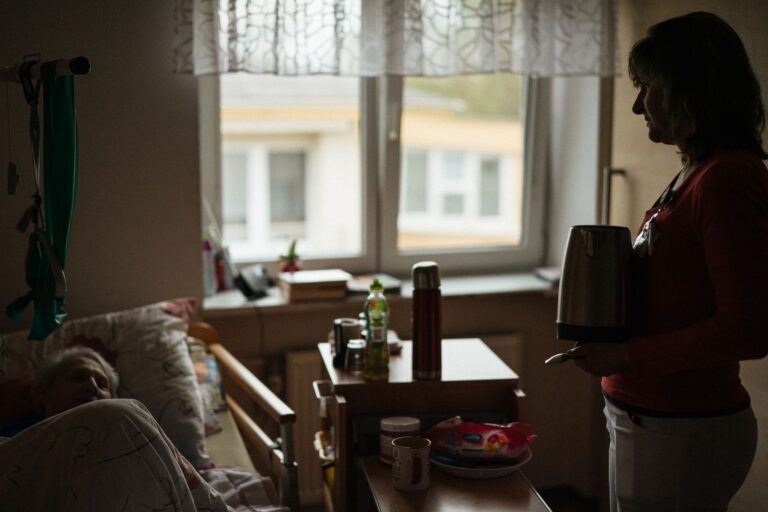
Recognition loss often worsens during hospital stays, move to facilities, or other major disruptions. In these high-stress situations, your loved one is already frightened and disoriented, and the sudden appearance of “a stranger” in this frightening context can trigger panic or resistance to care. In these moments, rather than identifying yourself by name or relationship, focus on reducing fear: “I’m here to help you. You’re safe.” Once they’re calmer, then introduce yourself. For hospital visits specifically, consider enlisting the nursing staff to anchor your visits; if a nurse they’ve seen regularly says “This is someone who loves you,” it may reduce confusion more effectively than you introducing yourself.
If your loved one is experiencing a medical emergency and doesn’t recognize you as a family member with decision-making authority, you’ll need documentation—medical power of attorney, healthcare proxy designation, or a notarized healthcare directive—to make decisions on their behalf. Many families discover too late that medical recognition and legal authority are separate issues. The limitation here is that emotional recognition has no bearing on medical decision-making; the hospital needs legal paperwork, not memory. Beyond the emergency scenario, high-stress situations are not the time to attempt memory restoration or detailed conversations about your relationship. Keep visits brief, focus on comfort and safety, and save deeper interactions for calmer moments.
Adaptation and Long-Term Perspective
As dementia progresses, you’ll likely need to repeatedly adapt your approach. Someone who doesn’t recognize you verbally might still respond to physical touch, humor, or shared activity. Try different strategies—singing together, walking outside, sorting objects, looking at current (rather than past) activities—to discover what creates connection with your particular loved one at their current stage. The goal evolves from “maintaining a relationship as it was” to “creating moments of peace and connection in the present.” This reframing isn’t giving up on your relationship; it’s honoring the reality of the disease and what’s still possible.
Looking forward, many families find that accepting non-recognition—rather than fighting it—paradoxically creates better interactions. When you stop waiting for the moment they’ll “remember,” you can be more present with who they are today. Some caregivers report that their loved one, while not remembering their identity, seems to sense their care and warmth. Others find that the pain of non-recognition eventually numbs, and what replaces the hurt is a different kind of love—the love of being present for someone who depends on your presence, regardless of whether they know your name. This isn’t a promise that it gets easier, but that different kinds of connection become possible when you stop measuring them against the standard of the past.
Conclusion
Responding to non-recognition requires you to release the expectation that your loved one will remember you and instead focus on being a calming, warm presence in their life. Use direct but brief introductions, maintain a peaceful demeanor, minimize environmental stressors, and avoid the common traps of over-explaining, emotional displays, or repeated memory tests. The goal is not restoration—it’s safety, comfort, and connection in the present moment. Each visit is an opportunity to practice this shift, and the more you can make peace with what dementia has taken, the more space you’ll have for what’s still possible.
Your experience of grief and loss is real and valid. Being unrecognized by someone you love is painful, and no article or strategy will eliminate that pain entirely. What you can do is find support outside the caregiving relationship—through dementia support groups, counseling, or trusted friends who understand—so that your visits with your loved one become opportunities for presence rather than desperate attempts at restoration. In doing so, you honor both your needs and theirs.
You Might Also Like
- What Food Habits May Support Healthy Aging?
- How Movement Improves Mood in Memory Care
- How Caregivers Can Improve Diet Without Perfection
Related reading
- why Lab Work Matters in Memory Evaluations
- how Chronic Disease Management Supports Brain Health
- what Medical Conditions Should Be Checked With Memory Loss
- can Medication Burden Increase Dementia-Like Symptoms
- why Polypharmacy Is a Risk for Older Adults
For more on this topic, see National Institute on Aging.