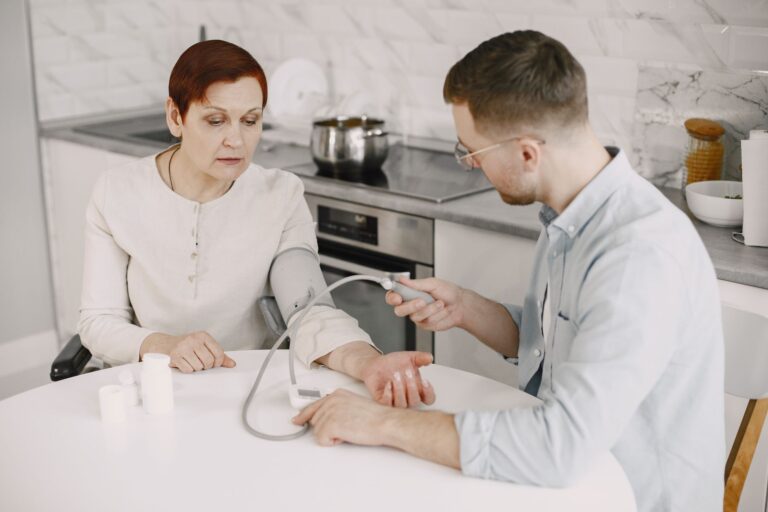
What caregivers need to know about discharge planning comes down to this: you are not optional. Discharge planning is the medical process that prepares a patient to leave the hospital or other care facility by determining what medical care, equipment, medications, and support they’ll need at home. But here’s what hospitals don’t always emphasize: this process only works when the caregiver is actively involved. Research shows that when family members participate as partners in discharge planning—not just recipients of instructions—hospital readmissions drop by 25% within 90 days. That’s not a marketing claim. That’s the measurable difference between a patient who goes home stable versus one who’s back in an emergency room three weeks later. For dementia caregivers specifically, discharge planning becomes even more critical.
Someone with cognitive decline may not retain discharge instructions on their own. They won’t remember to fill prescriptions or recognize warning signs of infection. They might not understand why they need physical therapy or special equipment. Your presence in those discharge conversations—your understanding of what happened and what your loved one needs when they get home—is often the only bulwark between a successful recovery and preventable complications. The challenge is that most hospitals don’t make discharge planning easy for caregivers. It’s treated as an administrative box to check rather than a clinical partnership. You have to ask the right questions, insist on detailed instructions, and verify that you actually understand what’s being handed to you. This article walks through what that process should look like, what legal protections you now have, and where things typically go wrong.
Table of Contents
- Why Caregivers Are Legally Required to Be Included
- What Discharge Plans Must Actually Cover—and What Often Gets Missed
- The Readmission Crisis and Why Discharge Planning Failures Are Expensive
- What Your Discharge Plan Should Include in Writing—And What Questions to Ask
- Caregiver Training and Equipment—The Hardest Part to Get Right
- Navigating Different Care Settings—Hospital, Skilled Nursing, Home
- Red Flags That Indicate Incomplete or Unsafe Discharge Planning
Why Caregivers Are Legally Required to Be Included
You might assume that involving family in discharge planning is up to the hospital. It’s not. The Centers for Medicare & Medicaid Services (CMS) updated its discharge planning requirements in September 2025, strengthening the mandate that patients and caregivers must be active participants in planning—not informed after the fact. This isn’t a suggestion.
It’s federal regulation under 42 CFR 482.43, and hospitals that don’t comply face compliance violations. More directly, 40 states have now adopted the CARE Act (Caregiver Advise, Record, Enable), which requires hospitals to do three specific things: record who your loved one’s family caregiver is, notify you when they’re being discharged, and provide all discharge education and instructions directly to you—not just to the patient. If you’re in one of those states and the hospital doesn’t ask who the caregiver is or provides discharge instructions only to someone with dementia who won’t remember them, they’re breaking the law. It’s worth knowing which states have passed this; if you’re in one, you have legal standing to push back if you’re excluded from the process. Even if you’re not, the regulatory trend is clear: the healthcare system now recognizes that discharge planning without the caregiver is a patient safety failure.
What Discharge Plans Must Actually Cover—and What Often Gets Missed
A complete discharge plan isn’t just “take these medications” and a slip of paper at checkout. The Centers for Medicare & Medicaid Services and the Agency for Healthcare Research and Quality define it as addressing medical, social, and functional needs. That means the hospital discharge planners need to tell you about the types of care required going forward, what equipment your loved one will need, diet and meal planning, how medications will be administered, transportation logistics, help with chores and activities of daily living, and caregiver training. If your loved one is being discharged with a wound drain, someone needs to teach you how to care for it. If they’re on a new antibiotic, you need to know the side effects. If they need physical therapy, that needs to be scheduled before they leave, not hoped for afterward.
What gets missed constantly: the social and functional parts. Hospitals excel at the medical checklist—medications, follow-up appointments, what to do if they have a fever. But they rarely address whether someone will actually be able to get groceries, whether the home environment is safe for a post-surgical patient, whether the caregiver has the physical ability to help with transfers, or what to do if a patient refuses care. A 75-year-old wife caring for her husband with both dementia and new mobility limitations has different needs than a younger adult managing a single diagnosis. Those individual circumstances almost never make it into the standard discharge plan. You have to name them yourself and push for them to be incorporated.
The Readmission Crisis and Why Discharge Planning Failures Are Expensive
The numbers are stark. Approximately 23.5% of patients discharged to skilled nursing facilities are readmitted to the hospital within 30 days, and research suggests that 78% of those readmissions are avoidable—meaning they stem from preventable complications or missed care rather than disease progression. Across all hospital discharges (not just to nursing homes), the national average readmission rate is 14.56%, though it ranges from 11.2% to 22.3% across states, depending on the quality of discharge planning infrastructure in that region.
Why does this matter to you? When caregiver involvement is intentional and deep during discharge planning, those readmission rates drop by 20% or more for older adults. The studies are consistent: when someone who knows the patient, understands the home environment, and commits to providing care is in the room during discharge planning, patients stay home longer. Conversely, when discharge happens without that partnership—when instructions are handed to a confused patient or a caregiver who doesn’t fully understand what they’re responsible for—preventable crises occur. An infection that could have been caught early by someone watching for signs, a medication mix-up because nobody reviewed the full list with someone who understands drug interactions, a fall because nobody addressed mobility limitations at home.
What Your Discharge Plan Should Include in Writing—And What Questions to Ask
Discharge planning should result in a written document that you can take home and refer to. That document should specify the patient’s current diagnosis and any recent procedures or complications, the complete list of medications (including dosages, frequency, and what each one does), any dietary restrictions or feeding requirements, signs and symptoms that warrant a call to the doctor versus an emergency room visit, schedules for any follow-up appointments (primary care, specialists, imaging, therapy), instructions for wound care if applicable, whether the patient can shower or bathe (and any restrictions), activity restrictions and what the patient can and cannot do, and who to call for each type of problem—the surgeon, the primary care doctor, the after-hours nurse line, when to call 911. If these elements aren’t in your discharge paperwork, ask. Specifically.
“I don’t see the list of warning signs I should watch for—can you write those down for me?” “There are three medications here I don’t understand—can you explain what each one does and what side effects to watch for?” “Does he need physical therapy? If so, is it scheduled?” Many caregivers leave with vague instructions because they didn’t push back on incomplete information. Hospitals often assume the caregiver will figure things out or call back if confused. You need everything documented before the patient leaves the building. If a complication occurs later and you weren’t given the information, that’s a liability issue for the hospital—which means they take it seriously if you insist.
Caregiver Training and Equipment—The Hardest Part to Get Right
One of the most frequent failures in discharge planning is inadequate caregiver training. If someone is being discharged on a medication that requires injection—insulin, for example, or anticoagulation therapy—the hospital needs to teach you how to administer it before they leave. If they’re on a feeding tube, someone needs to teach you how to manage it. If they’re incontinent and require catheter care, that needs to be demonstrated and practiced. Not described. Practiced. You should be able to do the procedure while someone watches and corrects you before the patient ever gets home. The catch: nursing time is limited and under pressure. Many hospitals provide printed instructions or a quick video instead of hands-on training. That works for straightforward tasks, but not for complex care. If you’re uncomfortable doing something after the discharge teaching, say so immediately.
Ask for another session. Ask to watch a nurse do it twice before you try. Ask for a phone number you can call if you have questions the first time you’re doing it at home. This is not being difficult. This is preventing errors that will result in complications or readmission. Equipment—walkers, canes, grab bars, medical alert systems, incontinence supplies—needs to be arranged before discharge, not ordered after. Hospitals don’t always make this clear. You leave without a walker, thinking you’ll rent one, but your loved one can’t walk to the bathroom in the meantime. Or medical supply companies are backed up and equipment arrives two weeks late. Ask: “What equipment does he need?” “Is it already arranged?” “If not, who coordinates getting it?” “What’s the timeline?” Get names and phone numbers. Confirm delivery dates.
Navigating Different Care Settings—Hospital, Skilled Nursing, Home
Discharge planning looks different depending on where your loved one is going. If they’re going home with family, the focus is on caregiver readiness and home safety. If they’re going to a skilled nursing facility (SNF), the hospital needs to ensure continuity—that the nursing home receives complete medical information, understands the care plan, and has the same medications and equipment. If they’re going to assisted living or another facility, different rules apply. The most common problem in transfers to nursing facilities: the handoff is poor.
Hospitals send a summary that’s missing details. The SNF doesn’t receive medication lists or doesn’t reconcile them correctly, leading to drug errors. Recent changes to how medications are managed don’t make it to the new facility. Or the patient’s cognitive status isn’t clearly communicated—the hospital didn’t note whether someone is prone to sundowing, gets aggressive, or needs consistent reassurance. For a dementia patient, this information is critical. If the hospital discharge summary doesn’t mention that your loved one becomes confused at night or won’t eat if rushed, the nursing home won’t know until a crisis occurs.
Red Flags That Indicate Incomplete or Unsafe Discharge Planning
Some discharge situations are inherently risky and should trigger extra caution. If a patient is being discharged to live alone and they have cognitive impairment or are on complex medications, that’s a red flag. An 82-year-old with early dementia shouldn’t be expected to manage insulin injections or anticoagulation independently. If that’s the plan, you need to challenge it immediately—either a caregiver needs to be involved, or a supervised living situation needs to be arranged, or more frequent follow-up and monitoring needs to be in place. Another red flag: discharge happening without a clear follow-up appointment scheduled.
If the patient isn’t scheduled to see their primary care doctor within two weeks or their surgeon within the timeframe specified, that’s a gap. You might be told “they’ll call to schedule,” which often means they won’t. Ask before discharge: “When is the first appointment?” Get it on the books. Similarly, if the hospital discharge summary contains generic language that doesn’t reflect this specific patient’s situation—if it’s basically a template with minimal personalization—that’s a sign that the planning was rushed. Good discharge planning is individualized because every patient’s situation is different.