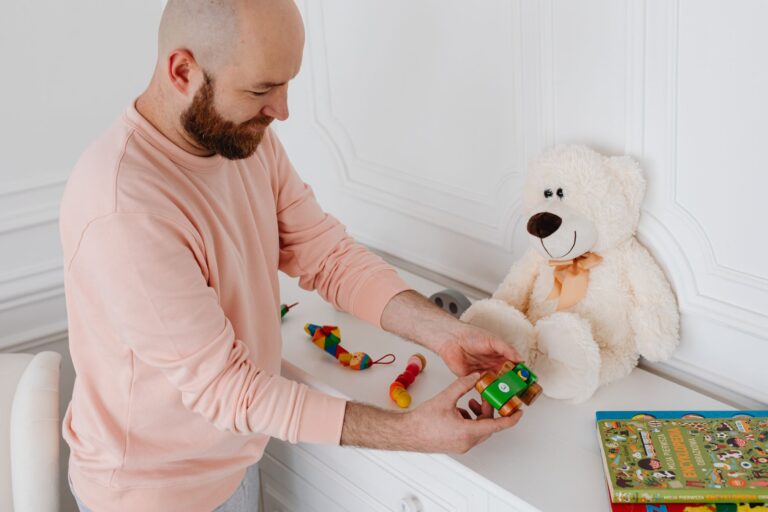
Search the toy's brand and product name in the CPSC Recalls database before you buy. Then compare its model number, serial number, and date range against any recall notice you find. A toy recall is an official safety notice that removes or repairs a product with a hazard. For dementia care, this check matters because sensory and activity toys are often textured, electronic, or small enough to mouth.
Medical information disclaimer: This article is for general educational purposes only and does not provide medical advice, diagnosis, or treatment. Always consult a physician or other qualified health professional about symptoms, medications, tests, or treatment decisions.
Official resources:
- Explore the official data from Cpsc — Use this primary source to review the underlying data.
- Read the official notice from Cpsc — Use this primary source to verify the official announcement.
Table of Contents
- Search the exact product before you buy
- Match numbers, not just names
- Where to start when you are unsure
- Give secondhand and sensory toys a second check
- What should you do if the toy is recalled
Search the exact product before you buy
The U.S. Consumer Product Safety Commission says caregivers can screen a toy by searching its brand and product name in the CPSC Recalls database.
Type both names exactly as printed on the box or listing. Save the product page or seller listing while you search. If the name is close but not exact, treat it as unchecked until you confirm the details.
Match numbers, not just names
Recalls usually cover specific manufacturing runs, not every toy with the same name. The Commission notes that shoppers must compare model numbers, serial numbers, and date ranges in the notice, as shown in a 2024 recall example.
- Find the model and serial number on the toy, tag, or battery door
- Compare the date code or purchase window to the notice
- Buy only when all identifiers fall outside the recalled range
Where to start when you are unsure
When you do not know which agency handles the toy, start broad. The U.S.
Consumer Product Safety Commission describes the multi-agency recall portal linking CPSC, FDA, NHTSA, USDA, EPA, and Coast Guard recalls. Caregivers can also search consumer incident reports and file a hazard report on SaferProducts.gov. For direct help, call CPSC at 800-638-2772.
Give secondhand and sensory toys a second check
Federal law prohibits any person from selling a product under a CPSC-ordered or CPSC-consulted voluntary recall. Recalled toys still circulate secondhand, so recheck used fidgets, busy boards, plush toys, and electronic items before giving them.
Caregivers can subscribe to free CPSC email recall alerts and review new postings before buying. New postings have historically appeared on Thursday mornings, so check alerts before a planned purchase.
What should you do if the toy is recalled
Stop use immediately if the toy matches a recall. Follow the notice's remedy by contacting the company listed in the notice for repair, replacement, or refund.
MedlinePlus advises securing dementia home hazards such as medicines, small objects, and unsafe items in its dementia home safety guidance. CPSC rules bar small parts in toys for children under 3 and warn against toys with small parts for anyone who mouths objects, a key check because dementia can impair judgment and swallowing.
You Might Also Like
- How Caregivers Can Build a Dementia Book Club at Home?
- p-tau217 Findings a Decade Before Alzheimer’s Symptoms in 2026: Questions People With Mild Cognitive Impairment Can Ask About the Research
- Young-Onset Dementia Cost Gaps Identified by NIA in 2026: Service Gaps That Matter to Long-Distance Caregivers