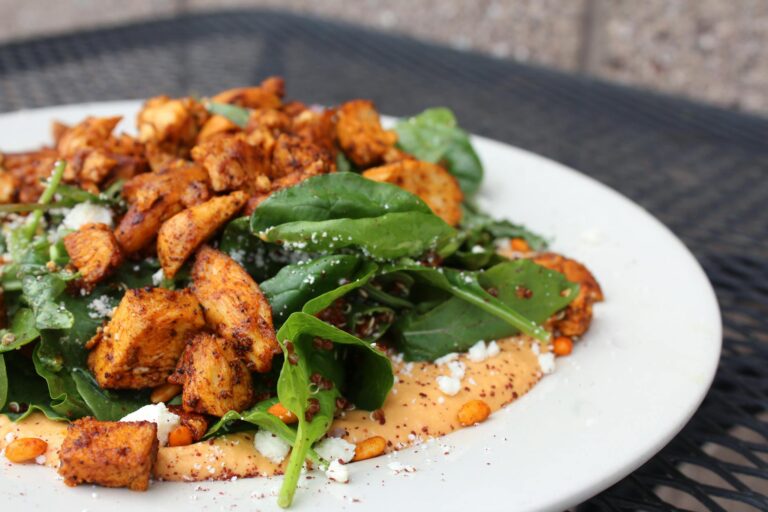
The best protein sources for cognitive health in seniors are fatty fish like salmon and sardines, eggs, legumes, nuts and seeds, and lean poultry. These foods provide not just protein, but the specific nutrients the aging brain depends on most — omega-3 fatty acids, choline, B vitamins, and iron. A 70-year-old eating canned salmon three times a week alongside a daily handful of walnuts and lentil-based meals, for example, would be hitting the major targets that current research points to for protecting brain function. This article covers how much protein older adults actually need, which sources have the strongest evidence behind them, and why the timing of protein intake may matter more than most people realize.
What often gets lost in general nutrition advice is that the type of protein — not just the amount — appears to influence cognitive outcomes significantly. A large analysis highlighted by Harvard Health found that for every 5% of daily calories replaced with plant protein instead of refined carbohydrates, the risk of developing dementia dropped by 26%. The equivalent swap using animal protein yielded an 11% lower risk. Both are meaningful, but the plant protein advantage is notable. That doesn’t mean animal proteins are unimportant — far from it — but it does suggest that a diet weighted toward legumes, soy, nuts, and seeds offers something beyond simple muscle maintenance.
Table of Contents
- How Much Protein Do Seniors Actually Need for Brain Health?
- Why Fatty Fish Stands Out Among Protein Sources for the Aging Brain
- Eggs, Choline, and the Memory Neurotransmitter Connection
- Legumes, Nuts, and Seeds — The Plant Protein Case for Cognitive Aging
- Lean Poultry, Meat, and the B Vitamin Connection
- When You Eat Protein May Matter as Much as What You Eat
- What Emerging Brain Protein Research Means for the Future
- Conclusion
- Frequently Asked Questions
How Much Protein Do Seniors Actually Need for Brain Health?
The standard dietary recommendation for protein — 0.8 grams per kilogram of body weight per day — was set for general adult health and does not adequately reflect the needs of an aging body. For older adults, current expert guidance from sources including University of New Hampshire Extension has moved toward 1.0 to 1.2 grams per kilogram per day. For a 150-pound (68 kg) person, that translates to roughly 68 to 82 grams of protein daily. Most people assume they’re meeting that threshold, but a systematic review published in PMC found that up to 71% of adults over 65 fall short of adequate protein intake in their everyday eating. The consequences of this shortfall are not limited to muscle loss.
Protein provides the raw amino acids used to synthesize neurotransmitters, maintain myelin sheaths around nerve fibers, and support the repair of brain tissue. When protein intake is chronically low, these processes are compromised. One important comparison: an older adult eating two eggs (about 12 grams of protein), a 3-ounce serving of chicken (about 26 grams), and a half-cup of lentils (about 9 grams) in a day would still fall short of the 68-gram floor without additional sources. Getting there requires intentional planning, not just eating “enough.” It is worth noting that kidney disease is common in older adults, and high protein intake can accelerate kidney decline in those with existing impairment. The 1.0–1.2 g/kg recommendation applies to healthy older adults or those with mild limitation. Anyone with diagnosed kidney disease should work with a nephrologist before increasing protein significantly.

Why Fatty Fish Stands Out Among Protein Sources for the Aging Brain
Fatty fish occupies a unique position among protein sources for cognitive health because it delivers two things simultaneously: high-quality complete protein and long-chain omega-3 fatty acids, particularly DHA and EPA. A longitudinal analysis published in Frontiers in Public Health found that higher fish protein intake was independently associated with a lower risk of cognitive decline — meaning the benefit held up even after controlling for other dietary factors. Salmon, sardines, and mackerel are the most commonly cited options, and among these, sardines offer a practical advantage: they’re inexpensive, shelf-stable, and contain the whole fish including small bones that add calcium. DHA, the dominant omega-3 in brain tissue, is thought to maintain the fluidity of neuronal membranes and support synaptic signaling. A 2025 meta-analysis in PMC found that DHA supplementation showed measurable benefit in cases of mild cognitive impairment, though not in advanced Alzheimer’s disease — a distinction that matters clinically.
A separate 2025 overview of 17 systematic reviews found omega-3s most beneficial when introduced before significant cognitive decline has already set in, with particular benefit noted for individuals carrying the ApoE4 gene variant, which is associated with higher Alzheimer’s risk. However, not all fish is equally beneficial. High-mercury fish such as tilefish, swordfish, king mackerel, and shark carry neurological risk from mercury exposure, which can counteract any cognitive benefit. Seniors, particularly those who eat fish frequently, should default to low-mercury options: wild salmon, sardines, herring, trout, and light canned tuna in moderation. Farmed salmon varies considerably in omega-3 content depending on feed, but still generally provides meaningful amounts.
Eggs, Choline, and the Memory Neurotransmitter Connection
Eggs are one of the most efficient and accessible protein sources for older adults, and their cognitive relevance goes beyond protein content alone. A single large egg contains roughly 6 grams of protein and approximately 147 milligrams of choline — a nutrient that serves as a precursor to acetylcholine, one of the primary neurotransmitters involved in memory formation and attention. The brain’s cholinergic system degenerates early and substantially in Alzheimer’s disease, which is part of why choline status in midlife and beyond has drawn increasing research interest. Many older adults are unknowingly low in choline because it is not consistently included in standard nutritional assessments and does not appear on most food labels.
The adequate intake for adults is 425 mg/day for women and 550 mg/day for men, but surveys suggest the majority of the population falls short. Two eggs at breakfast would provide roughly 294 mg — a meaningful contribution toward the daily target. Other choline-rich foods include beef liver, fish, and cruciferous vegetables like broccoli, but eggs remain the most commonly consumed source with the best accessibility for seniors living independently or in assisted settings. A practical example: a senior who has trouble eating large meals due to reduced appetite might benefit specifically from eggs because a small serving delivers concentrated nutrition — protein, choline, B12, and vitamin D — in a format that is easy to prepare and chew. This matters because protein distribution across the day also influences how well the body uses it, and skipping or minimizing meals is common among older adults living alone.

Legumes, Nuts, and Seeds — The Plant Protein Case for Cognitive Aging
The evidence for plant protein in cognitive aging is now substantial enough that it warrants its own strategy rather than an afterthought. The 2024 Tufts and Harvard study — one of the more comprehensive examinations of dietary patterns and aging — found that women who consumed the most plant protein during their 40s and 50s had a 46% greater likelihood of healthy aging overall, with cognitive health as a component of that outcome. Legumes (lentils, black beans, chickpeas, edamame), soy-based foods, walnuts, almonds, hemp seeds, and chia seeds were among the most consistently associated foods. Legumes in particular offer a combination that suits brain health: protein, folate, magnesium, and fiber. Lentils provide about 18 grams of protein per cooked cup and are one of the most cost-effective options available. Walnuts stand apart from other nuts because they contain alpha-linolenic acid (ALA), a plant-based omega-3 that the body can partially convert to DHA, though the conversion rate is low and inconsistent.
That limitation is worth stating clearly: walnuts should complement fish intake for omega-3s, not replace it. For those who don’t eat fish, algae-based DHA supplements are a more reliable plant-based alternative. The tradeoff between animal and plant proteins for practical meal planning often comes down to absorption. Animal proteins are complete proteins with high bioavailability. Most plant proteins are either incomplete (lacking one or more essential amino acids) or less bioavailable due to antinutrients like phytic acid. However, eating a variety of plant proteins across the day — rice and beans, for instance, or hummus and whole grain bread — resolves the completeness issue without requiring precise combination at every meal. For seniors with chewing difficulties, lentil soups, blended chickpea dishes, and tofu are particularly practical formats.
Lean Poultry, Meat, and the B Vitamin Connection
Lean poultry and red meat are often treated with suspicion in brain health discussions, but they supply nutrients that plant foods provide less reliably — particularly vitamin B12, vitamin B6, iron, and zinc. B12 deficiency is especially common in older adults due to declining stomach acid production, which impairs absorption of the protein-bound form of B12 found in food. The neurological consequences of B12 deficiency include memory problems, cognitive slowing, and mood disturbance, and these symptoms can be mistaken for early dementia. Chicken and turkey are relatively lean, provide complete protein, and supply both B6 and B12. A 3-ounce serving of roasted chicken breast contains about 26 grams of protein and covers a meaningful portion of the daily B6 requirement.
Lean beef and pork provide well-absorbed heme iron, which matters because iron is necessary for oxygen transport to the brain and for synthesizing dopamine and serotonin. Mild iron deficiency, even without full anemia, has been associated with cognitive fatigue and slowed processing in older populations. The caveat here is that processed and high-fat red meat — sausage, bacon, deli meats with added sodium and nitrates — should not be treated equivalently to unprocessed lean meat. The research linking ultra-processed meat to worse health outcomes is consistent enough that it deserves a practical warning: the benefit of meat-based protein applies to minimally processed, reasonably portioned servings. A 6-ounce well-marbled steak every night is not the same as a 3-ounce portion of sirloin two or three times a week.

When You Eat Protein May Matter as Much as What You Eat
An emerging and underappreciated dimension of protein and cognitive health is meal timing. A 2025 study published in SAGE Journals examined protein intake patterns by meal in adults over 60 and found that those who consumed higher amounts of protein at dinner were significantly less likely to show low cognitive performance, with odds ratios of 0.56 to 0.66 compared to the lowest protein dinner group. This is a relatively new finding and should not be over-interpreted, but it aligns with other research suggesting that protein distribution across meals — rather than concentrating intake at one meal — may better support both muscle synthesis and neurological function in older adults.
In practical terms, this suggests that a senior who eats very little at dinner (perhaps a bowl of soup or crackers and tea) but has a larger lunch may want to reconsider meal composition. Adding a protein-rich food to the evening meal — a small piece of fish, a serving of lentil soup, Greek yogurt, or eggs — is a low-effort adjustment that current evidence supports. Protein at breakfast also matters; skipping it in favor of toast or pastry represents a missed opportunity given how long overnight fasting extends the period without amino acid input.
What Emerging Brain Protein Research Means for the Future
Beyond dietary protein, researchers are uncovering how proteins produced within the brain itself influence cognitive aging. In August 2025, UCSF scientists identified a protein called FTL1 that accumulates in aging brains and causes memory loss and weakened neural connections. In animal models, blocking FTL1 restored brain function to more youthful levels — a finding that could eventually point toward new interventions.
Separately, a November 2025 study reported in ScienceDaily found that increasing the Sox9 protein in astrocytes — the brain’s support cells — helped clear the amyloid plaques associated with Alzheimer’s disease. These discoveries are early-stage and not yet applicable to clinical practice, but they reflect a growing scientific consensus that protein biology is central to how the brain ages. Diet remains the most accessible lever available to older adults right now, but these findings suggest that the protein story in brain health is far from complete. For caregivers and clinicians, staying current on nutritional research — and not dismissing dietary patterns as secondary to pharmaceutical approaches — will matter increasingly in the years ahead.
Conclusion
The proteins most consistently supported by current research for cognitive health in seniors are fatty fish, eggs, legumes, nuts, seeds, and lean poultry. Each contributes something specific: fatty fish delivers DHA for neuronal membrane integrity, eggs supply choline for the memory neurotransmitter acetylcholine, legumes and nuts provide plant protein associated with lower dementia risk, and lean meat fills in B12, B6, and iron.
Older adults need more protein than standard guidelines suggest — roughly 1.0 to 1.2 grams per kilogram of body weight daily — and most are not reaching that threshold without deliberate effort. The practical path forward involves diversifying protein sources across the day, paying attention to meal timing (dinner protein in particular has emerging support), and prioritizing variety over any single “superfood.” For those managing a family member’s diet or planning their own, the changes are incremental: swap refined carbohydrates for lentils or salmon, add an egg at breakfast, keep walnuts accessible as a snack. None of this is complicated, but it requires moving protein from an afterthought to a deliberate daily priority.
Frequently Asked Questions
How much protein should a 70-year-old eat per day for brain health?
Current expert guidance recommends 1.0 to 1.2 grams of protein per kilogram of body weight per day for older adults. For a 150-pound person, that’s roughly 68 to 82 grams daily — higher than the standard adult recommendation of 0.8 g/kg. Note that those with kidney disease should consult a physician before increasing intake.
Is plant protein or animal protein better for preventing dementia?
Both appear protective compared to refined carbohydrates, but plant protein shows a stronger association in current research. Harvard Health data suggests a 26% lower dementia risk per 5% calorie swap to plant protein, versus 11% for animal protein. A diet that includes both — fatty fish, eggs, and lean meat alongside legumes, nuts, and soy — covers the most ground.
Can eating fish really protect against cognitive decline?
Longitudinal research published in Frontiers in Public Health found that higher fish protein intake was independently associated with lower risk of cognitive decline. The omega-3 fatty acid DHA, found in fatty fish, also showed benefit in mild cognitive impairment in a 2025 meta-analysis. The benefit appears strongest before significant decline has begun, not after Alzheimer’s is established.
Does it matter when seniors eat their protein?
Emerging evidence suggests it does. A 2025 study in SAGE Journals found that older adults with higher protein intake at dinner were significantly less likely to show low cognitive performance. Spreading protein across meals rather than concentrating it at lunch appears to support better outcomes.
What is choline and why does it matter for memory?
Choline is a nutrient found in eggs, fish, and liver that the body uses to produce acetylcholine — a neurotransmitter central to memory and attention. The cholinergic system is one of the first to degrade in Alzheimer’s disease. Many older adults do not meet the adequate intake level for choline, making eggs a particularly useful food for cognitive support.
Are omega-3 supplements as effective as eating fish?
DHA supplements have shown benefit for mild cognitive impairment but not advanced Alzheimer’s disease, according to a 2025 meta-analysis. Whole fish provides protein alongside omega-3s and is generally preferred over supplements when accessible. For those who don’t eat fish, algae-based DHA supplements are a more reliable plant-based source than flaxseed or walnuts alone.