The best foods to improve blood flow to the brain include dark chocolate, beetroot, fatty fish like salmon and sardines, leafy greens, berries, and foods containing resveratrol such as grapes and blueberries. These foods work through several biological mechanisms — delivering nitrates that dilate blood vessels, providing flavanols that increase perfusion to the frontal cortex, and supplying omega-3 fatty acids that improve regional cerebral circulation. For someone caring for a parent with early-stage dementia, the changes do not require a dramatic dietary overhaul.
Adding a daily serving of leafy greens, a square of dark chocolate with a high cocoa content, and two servings of fatty fish per week covers a meaningful range of these mechanisms. This article walks through the research behind each food category, explains what the evidence actually shows versus what remains uncertain, and offers practical guidance on how to build these foods into a realistic eating pattern. It also addresses some common questions about supplements versus whole foods, and whether any of these approaches are useful for people already experiencing cognitive decline.
Table of Contents
- Which Foods Most Directly Increase Blood Flow to the Brain?
- How Do Omega-3 Fatty Acids Support Cerebral Circulation?
- The Role of Leafy Greens in Long-Term Brain Health
- Berries, Resveratrol, and the Antioxidant Pathway
- Ginkgo Biloba and Rosemary — What the Evidence Actually Shows
- Building These Foods Into a Practical Weekly Pattern
- Where Dietary Research on Brain Blood Flow Is Headed
- Conclusion
- Frequently Asked Questions
Which Foods Most Directly Increase Blood Flow to the Brain?
The two foods with the most specific, imaging-confirmed evidence for increasing cerebral blood flow are beetroot and dark chocolate. A 2013 Howard University study showed measurable increases in cerebral blood flow after a single serving of nitrate-rich beetroot juice, with MRI data confirming that high-nitrate diets specifically increase perfusion in the frontal cortex — the region governing working memory and executive function. This matters clinically because the frontal cortex is among the first areas affected in many forms of cognitive decline. Dark chocolate with a high flavanol content works through a related but distinct pathway. Research covered by Harvard Health found that a flavanol-rich diet measurably increases brain function, with particular effect on the frontal cortex.
Flavanols appear to promote the production of nitric oxide, which relaxes blood vessel walls and allows greater blood volume to reach brain tissue. The comparison between these two foods is instructive: beetroot acts quickly and the effect from a single serving is detectable, while dark chocolate’s benefits accumulate over time with consistent consumption. The practical caveat here is that most commercial dark chocolate contains relatively modest amounts of flavanols, and processing methods significantly reduce flavanol content. A bar labeled “70% cocoa” is not a guarantee of high flavanol concentration. Unsweetened cocoa powder and minimally processed chocolate products tend to retain more of these compounds.
How Do Omega-3 Fatty Acids Support Cerebral Circulation?
Fatty fish — salmon, sardines, mackerel — contain long-chain omega-3 fatty acids that have a well-documented relationship with brain blood flow. A study indexed on PubMed (PMID 23709409) found that higher omega-3 blood levels are significantly correlated with higher regional cerebral blood flow, and controlled trials showed that omega-3 supplementation increased brain blood flow compared to placebo. Salmon is particularly practical because it is widely available and versatile, but sardines and mackerel offer comparable omega-3 levels often at lower cost. Beyond circulation, omega-3s have been linked to lower levels of beta-amyloid, the protein associated with Alzheimer’s disease pathology. This dual mechanism — improving blood delivery while also potentially reducing one of the key markers of neurodegeneration — makes fatty fish one of the more important dietary categories for brain health.
The evidence is strong enough that two servings per week is now a common recommendation in neurological nutrition guidance. However, the omega-3 evidence has important limits. The correlation between blood levels and cerebral blood flow is strong, but the clinical literature on whether eating more fish meaningfully slows cognitive decline in people who already have dementia is less conclusive. The dietary benefits appear most robust in the context of prevention and early intervention, not as a treatment for established disease. For caregivers managing a family member with moderate-to-advanced dementia, fish remains a healthy choice but should not be positioned as a therapeutic intervention.
The Role of Leafy Greens in Long-Term Brain Health
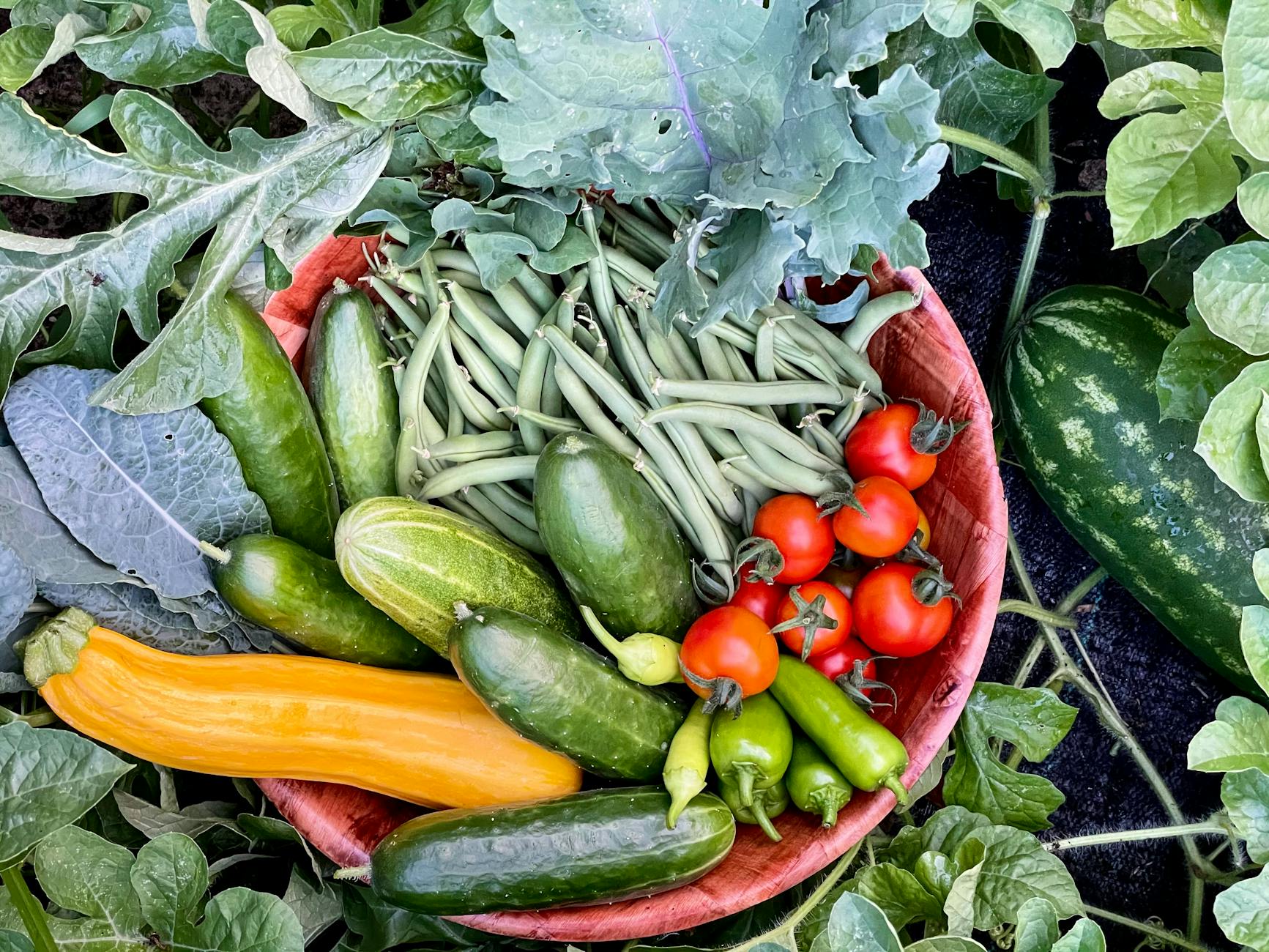
Kale, spinach, collard greens, and broccoli represent some of the most consistently recommended foods in brain health research, and the evidence behind them is specifically about cognitive aging over time rather than acute blood flow changes. A 2017 Memory and Aging Project study found that participants eating one to two servings of leafy greens daily had measurably less cognitive decline compared to those who rarely consumed them. The researchers attributed this to the combined effect of vitamin K, lutein, folate, and beta carotene — a cluster of nutrients that appear to work synergistically. The real-world implication is straightforward: a daily salad with spinach, or adding kale to a soup, provides exposure to this nutrient cluster at a level that the research suggests is sufficient.
The daily serving threshold is low enough to be achievable without major meal restructuring. For an older adult who may have limited appetite, even one cup of cooked spinach covers meaningful ground across several of these nutrients simultaneously. One important note is that vitamin K interacts with blood-thinning medications, particularly warfarin. For anyone on anticoagulants, a sudden large increase in leafy green consumption can affect medication dosing. This does not mean leafy greens should be avoided — it means that consistency is more important than quantity, and any significant dietary change should be flagged with a prescribing physician.

Berries, Resveratrol, and the Antioxidant Pathway
Blueberries and strawberries contain flavonoids with well-documented anti-inflammatory and antioxidant properties. These compounds help protect against oxidative brain damage, which is a contributing factor in the premature cognitive aging seen in some neurological conditions. The evidence for berries is generally framed around slowing deterioration rather than acutely increasing blood flow, which makes them complementary to the beetroot and dark chocolate categories rather than redundant. Resveratrol, found in grapes, red wine, peanuts, and berries, has more direct cerebrovascular evidence behind it. A double-blind, placebo-controlled crossover trial published in ScienceDirect found that resveratrol caused dose-dependent increases in cerebral blood flow during cognitive tasks.
The mechanism involves dilation of blood vessels and protection against free-radical damage to vessel walls. The dose-dependent finding is significant — it suggests the effect scales with the amount consumed, at least within the range studied. The tradeoff worth noting in this category is between red wine and other resveratrol sources. Red wine does contain resveratrol, but the alcohol content introduces its own risks — including neurotoxicity at higher consumption levels — that complicate any net benefit calculation. Grapes, grape juice, berries, and peanuts provide resveratrol without these competing risks. For older adults, particularly those on multiple medications, non-alcoholic resveratrol sources are the more defensible choice.
Ginkgo Biloba and Rosemary — What the Evidence Actually Shows
Ginkgo biloba is frequently marketed for memory and brain health, and there is genuine evidence behind it. Multiple animal and human studies, including research indexed on PMC (PMC3163160), show that EGb extract increases cerebral blood flow compared to placebo. The honest qualification is that the effects in human trials are more modest than in animal studies, and the clinical significance of the blood flow increases documented has been debated. Rosemary has been identified by the Mayo Clinic Health System as a food shown to increase blood flow to the brain, with documented improvements in concentration and memory. The mechanism is not fully elucidated in the same way as the nitrate or flavanol pathways, and most rosemary research involves aromatic exposure as well as dietary consumption.
As a culinary herb, rosemary is easily incorporated into cooking, and the evidence is sufficient to treat it as a useful addition to a brain-supportive diet even if the effect size is not well-quantified. The warning in this section is about supplements specifically. Ginkgo biloba in supplement form at high doses has been associated with increased bleeding risk and interacts with anticoagulants and antiplatelet medications. The whole-food and culinary-herb versions of these ingredients carry far fewer risks. Anyone considering ginkgo supplementation for a person with dementia should review it with a physician before starting, given the medication burden that often accompanies cognitive decline diagnoses.

Building These Foods Into a Practical Weekly Pattern
Translating this research into an actual eating pattern requires thinking about frequency, not perfection. A realistic week might include fatty fish twice, a daily serving of leafy greens in some form — salad, soup, or cooked side dish — berries several times per week as part of breakfast or a snack, and occasional dark chocolate with a high cocoa content. Beetroot can be incorporated as a roasted vegetable, blended into a smoothie, or consumed as juice. None of these changes require specialized shopping or significant cooking skill.
For caregivers managing meals for someone with dementia, palatability and ease of preparation matter as much as nutritional content. Blueberries mixed into oatmeal, a salmon fillet with rosemary, and dark chocolate after dinner are all straightforward. Spinach can be added to scrambled eggs or blended into smoothies with minimal flavor impact. The goal is consistent exposure to this cluster of foods over time, not a rigid protocol.
Where Dietary Research on Brain Blood Flow Is Headed
The current evidence base for diet and cerebral blood flow is stronger than it was a decade ago, largely because of improvements in neuroimaging that allow researchers to measure perfusion changes non-invasively. MRI studies have moved the field beyond correlational data for several of these food categories, particularly beetroot and dark chocolate. The next generation of research is likely to focus on dosing, the timing of dietary intervention relative to disease progression, and whether specific combinations of these foods produce additive or synergistic effects.
What is already clear is that the dietary patterns most supported by this research overlap closely with the Mediterranean and MIND diets — both of which have separate and substantial evidence bases for cognitive health outcomes. The individual foods discussed here are not standalone interventions so much as components of a broader dietary philosophy that prioritizes plants, fish, and minimally processed whole foods. That broader context is worth keeping in mind when evaluating any individual ingredient’s role.
Conclusion
The best foods for improving blood flow to the brain — beetroot, dark chocolate, fatty fish, leafy greens, berries, and resveratrol-containing foods like grapes — work through distinct but complementary mechanisms. Beetroot and dark chocolate act most directly on cerebrovascular perfusion, with imaging evidence to support that claim. Fatty fish provide omega-3s correlated with regional blood flow improvements and potentially lower Alzheimer’s risk markers. Leafy greens protect against long-term cognitive decline.
Together, these foods form a dietary pattern that is both research-supported and practically achievable. For anyone managing brain health — whether personally or as a caregiver — the most useful takeaway is that consistency across food categories matters more than maximizing any single item. A daily serving of greens, fish twice a week, and regular berry and dark chocolate consumption covers the core of what the evidence supports. These are not exotic interventions. They are whole foods available in any grocery store, and the research behind them, while not definitive, is substantive enough to act on.
Frequently Asked Questions
Is beetroot juice better than eating whole beetroot for brain blood flow?
The 2013 Howard University study used beetroot juice, which delivers nitrates in a highly bioavailable form. Whole beetroot also contains nitrates, though the concentration per serving is somewhat lower. Both are beneficial, and whole beetroot has the added advantage of dietary fiber. Juice is a reasonable option for people who find it easier to consume, but it is not required to get meaningful benefit.
How much dark chocolate is needed to support brain blood flow?
The research does not prescribe a specific daily amount, but most studies using flavanol-enriched chocolate used doses equivalent to one to two ounces of high-quality dark chocolate with a cocoa content of 70 percent or higher. Processing significantly degrades flavanol content, so cocoa powder and minimally processed dark chocolate are more reliable sources than most commercial milk chocolate or flavored bars.
Can these dietary changes help someone who already has dementia?
The strongest evidence is for prevention and slowing early decline rather than reversing established dementia. That said, improving blood flow to the brain is physiologically relevant at any stage, and these foods carry no meaningful risk for most people. They should be seen as supportive of overall health rather than as treatments for an existing diagnosis.
Are omega-3 supplements as effective as eating fatty fish?
Controlled trials showing increased brain blood flow have used both dietary fish consumption and omega-3 supplements. The supplement evidence is valid, but whole fish provides additional nutrients — including protein, vitamin D, and selenium — that supplements do not replicate. For people who genuinely cannot eat fish regularly, supplements are a reasonable alternative, but they should not be the first resort.
Is red wine a useful source of resveratrol for brain health?
Red wine contains resveratrol, and the dose-dependent brain blood flow effects documented in RCT research are real. However, alcohol is neurotoxic at higher consumption levels and interacts with many medications common in older adults. Non-alcoholic resveratrol sources — grapes, blueberries, peanuts — are a safer option for most people managing cognitive health, particularly those on multiple medications.
Does ginkgo biloba in supplement form have proven benefits for dementia?
Studies show that ginkgo biloba extract increases cerebral blood flow vs. placebo, with more modest effects in human trials than animal models. The evidence does not support ginkgo as a treatment for dementia, and at high supplement doses it carries bleeding risk and medication interactions. It should not be started without discussing it with a prescribing physician, especially for anyone already taking anticoagulants.