The best brain-healthy snacks for older adults are foods rich in omega-3 fatty acids, antioxidants, choline, and healthy fats — specifically fatty fish, blueberries, walnuts, eggs, dark chocolate, avocado, and Greek yogurt. These are not just popular diet recommendations; they are backed by clinical research and large-scale dietary pattern studies showing measurable protection against cognitive decline and dementia.
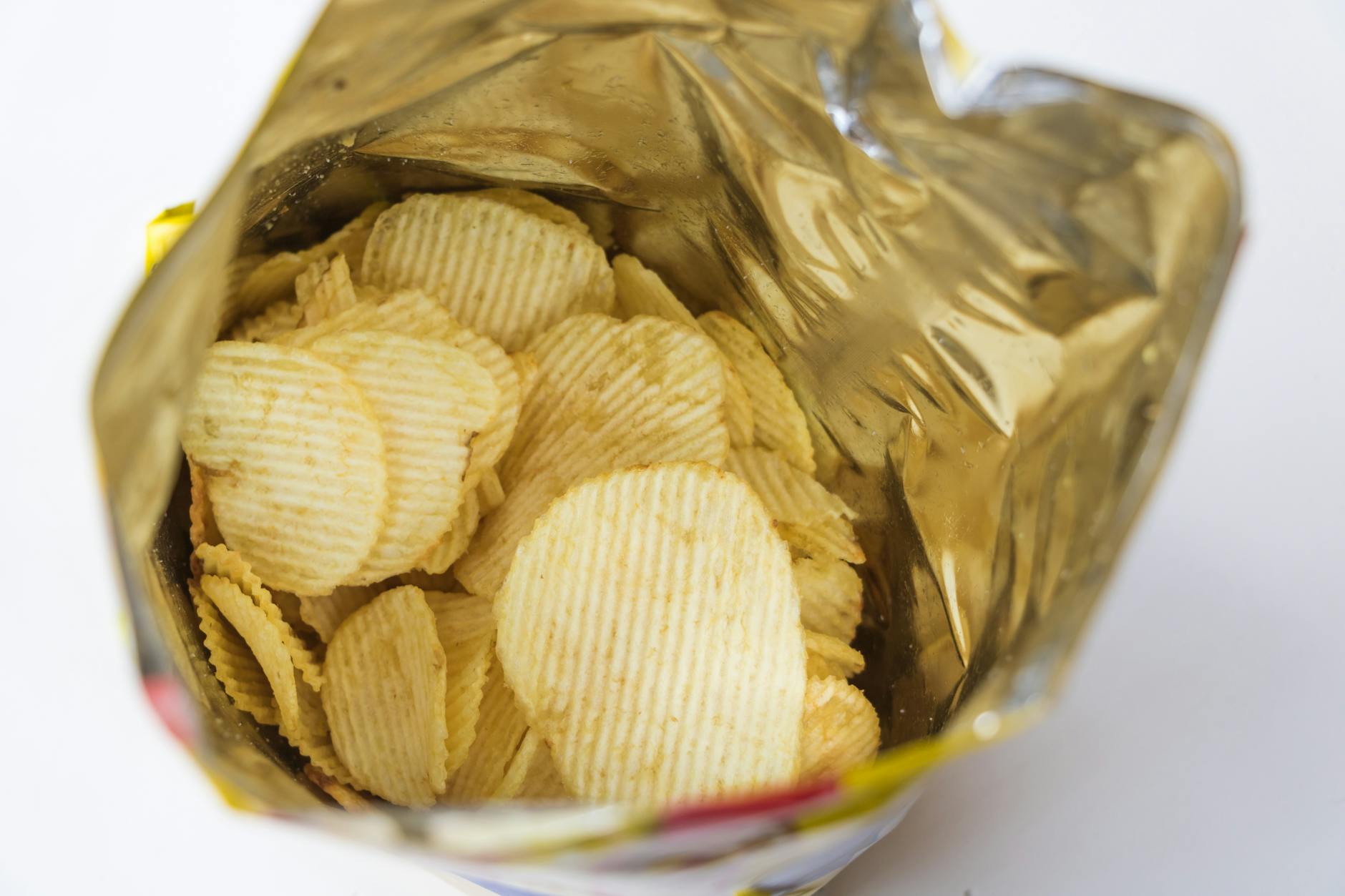
A simple example: swapping an afternoon bag of chips for a small handful of walnuts and a cup of blueberries gives your brain polyphenols, antioxidants, and anti-inflammatory compounds that refined snacks actively undermine. This article covers the science behind each of these snacks, how they support brain function in aging adults specifically, which dietary frameworks they belong to, and practical ways to work them into everyday eating. It also addresses limitations — because not every food works the same way for every person, and some popular “brain food” claims are exaggerated.
Table of Contents
- Which snacks are actually proven to support brain health in older adults?
- What role do eggs play in brain health for aging adults?
- How does dark chocolate fit into a brain-healthy snack plan?
- What are the most practical brain-healthy snack combinations for daily life?
- Are there brain-healthy snack choices that older adults commonly get wrong?
- How does hydration intersect with snacking for brain health in older adults?
- Where is brain nutrition research heading, and what should older adults expect in the coming years?
- Conclusion
- Frequently Asked Questions
Which snacks are actually proven to support brain health in older adults?
The evidence is clearest for a handful of foods that appear consistently across independent lines of research. Berries — especially blueberries — are among the most studied. They are rich in antioxidants and have been linked to reduced risk of cognitive decline, heart disease, and type 2 diabetes. Both the MIND diet and the Mediterranean diet place berries in a central role, and both dietary patterns have demonstrated measurable cognitive protection in clinical research. A 2025 narrative review published in Nutrients confirmed that Mediterranean and MIND dietary patterns are consistently associated with improved memory, processing speed, and long-term protection against neurodegeneration in middle-aged and older adults. Fatty fish — salmon, mackerel, sardines, trout — are the other standout category. They are the most concentrated dietary source of omega-3 fatty acids, which studies link to improved memory, better mood, and slower cognitive decline.
A 2024 multimodal brain imaging study published in Nature found that blood biomarkers of slower brain aging closely matched Mediterranean-diet nutrient profiles, with fatty acids, carotenoids, antioxidants, vitamin E, and choline all playing a role. Importantly, canned fish counts. Canned sardines or salmon are nutritionally comparable to fresh versions and considerably more affordable and accessible for older adults on fixed incomes. Walnuts round out the top tier. They contain polyphenolic compounds that research has shown reduce neuroinflammation and may protect against neurodegenerative diseases. Pumpkin seeds are also worth mentioning specifically — they are packed with magnesium, iron, zinc, and copper, all of which are essential for memory, focus, and cognitive function. These are not interchangeable with generic mixed nuts; the nutrient profiles differ meaningfully.
What role do eggs play in brain health for aging adults?
Eggs deserve a separate discussion because they are consistently underestimated as a brain food. A single hard-boiled egg contains 6 to 7 grams of high-quality protein and is one of the best dietary sources of choline available. Choline is a nutrient most older adults do not get enough of, and it is critical for producing acetylcholine, a neurotransmitter central to memory and muscle control. Many popular snack recommendations focus on berries and fish while overlooking eggs entirely, which is a gap worth correcting. A 2024 study found that older adults who ate eggs frequently were less likely to develop Alzheimer’s disease.
This is a significant finding, though it is worth noting that observational studies like this show association, not guaranteed causation. Frequent egg eaters may also have other dietary habits that contribute to lower risk. That said, the choline content alone makes eggs a sensible and inexpensive daily snack — hard-boiled eggs are portable, require no refrigeration for several hours, and pair well with whole-grain crackers or a piece of fruit. One limitation: older adults with specific cholesterol concerns sometimes receive conflicting advice about egg consumption from their physicians. If a doctor has advised limiting dietary cholesterol, that guidance takes priority. For most older adults without such a restriction, current evidence supports eating eggs regularly as part of a brain-healthy diet.
How does dark chocolate fit into a brain-healthy snack plan?
Dark chocolate with 70 percent or more cocoa content contains flavonoids, caffeine, and antioxidants that have been shown to improve blood flow to the brain, enhance memory, and elevate mood. Flavonoids specifically are linked to improved cognitive function and protection against age-related mental decline. This is not a license to eat candy — the distinction between high-cocoa dark chocolate and standard milk chocolate is substantial. Most milk chocolate bars contain very little cocoa and a great deal of added sugar, which works against brain health rather than supporting it.
A practical example: one or two small squares of 70-plus-percent dark chocolate in the afternoon — paired with a handful of walnuts or a few strawberries — creates a snack that combines flavonoids, polyphenols, and antioxidants without a large sugar load. It also tends to be genuinely satisfying, which matters for older adults who may have reduced appetite and need snacks that offer real nutritional density without requiring large portions. The caffeine content is a consideration for some older adults, particularly those sensitive to it or who eat this snack later in the day. The amount of caffeine in one or two squares of dark chocolate is modest — less than a cup of tea — but worth noting for individuals with sleep difficulties, which are already common in older age groups.

What are the most practical brain-healthy snack combinations for daily life?
Individual ingredients matter, but snack combinations tend to perform better in practice because they balance protein, healthy fat, and slow-digesting carbohydrates for sustained brain energy. Greek yogurt with blueberries is one of the most frequently recommended combinations precisely because it achieves this balance. High-quality protein from Greek or Icelandic yogurt supports neurotransmitter production; the berries provide antioxidants and fiber; together they provide a sustained energy source rather than a glucose spike followed by a crash. Avocado or guacamole with whole-grain crackers is another well-established combination. Avocado provides healthy monounsaturated fats that support blood flow to the brain — the same mechanism by which olive oil benefits cognitive health in the Mediterranean diet.
Whole-grain crackers add fiber and slow the digestion of the meal, preventing the energy dips that can affect concentration and mood. By comparison, the same guacamole served with regular tortilla chips — refined grain, high in salt, low in fiber — is substantially less effective as a brain-health snack even though the avocado itself is identical. Canned sardines on whole-grain crackers with a squeeze of lemon is a combination that consistently appears in expert recommendations for older adults, including from AARP and registered dietitians focused on aging. It is inexpensive, requires no cooking, and delivers omega-3s, protein, and calcium in a single serving. The tradeoff is palatability — sardines are an acquired taste for many people, and for those who genuinely dislike them, canned salmon or mackerel are reasonable substitutes with similar nutritional profiles.
Are there brain-healthy snack choices that older adults commonly get wrong?
One of the most common errors is treating any nut or seed as interchangeable. Walnuts have the strongest evidence for brain health specifically. Almonds and cashews are nutritious, but their polyphenol and omega-3 profiles differ from walnuts. Similarly, chia seeds have specific evidence: an April 2025 meta-analysis found that chia seeds lower cholesterol and blood pressure, which benefits brain circulation, but this does not extend to all seeds equally. Sunflower seeds, for instance, are high in Vitamin E and selenium but lack the omega-3 content of chia or flax. A more serious issue involves ultra-processed foods that are marketed with health-adjacent language.
Granola bars, flavored yogurts, trail mixes with chocolate chips and dried fruit, and packaged smoothies often contain added sugars and refined ingredients that work against the brain health goals older adults are trying to support. A 2025 consensus statement from PMC explicitly recommends reducing ultra-processed foods and refined grains as a practical, cost-effective brain-health strategy — a finding that applies directly to many snacks sold in the health food section of grocery stores. The warning here is about label literacy. “Made with real blueberries” or “contains walnuts” on a packaged snack bar does not make it equivalent to eating whole blueberries or walnuts. The fiber, polyphenol content, and glycemic impact of whole foods versus processed versions differ considerably. When in doubt, the closer a food is to its original form, the more likely it is to deliver the brain benefits associated with it in research.

How does hydration intersect with snacking for brain health in older adults?
Brain health in older adults is not only a food question — hydration plays a direct role in cognitive function, and older adults are at heightened risk of chronic mild dehydration because the thirst mechanism weakens with age. Many cognitive symptoms that appear to be food-related — difficulty concentrating, short-term memory lapses, fatigue — are sometimes partially attributable to dehydration.
Water-rich snack foods like berries, cucumber slices, and yogurt contribute to daily fluid intake in a way that dry snacks like nuts and crackers do not. A practical pairing strategy: combine a small handful of walnuts or pumpkin seeds — which are calorie-dense and nutrient-rich but low in water — with a cup of berries or a serving of Greek yogurt. This addresses both nutritional density and hydration simultaneously, which matters more for older adults than it does for younger populations.
Where is brain nutrition research heading, and what should older adults expect in the coming years?
The direction of research is moving away from single-nutrient studies toward dietary pattern analysis, and the early results are consistent. The 2024 Nature imaging study and the 2025 Nutrients review both point to the same conclusion: no single food or supplement produces the brain benefits seen from a coherent dietary pattern over time. Omega-3 supplements, for instance, have produced mixed results in isolation, whereas eating fatty fish two or three times per week as part of a broader Mediterranean-style diet shows clearer benefit.
For older adults and caregivers making practical decisions now, this research trajectory is actually encouraging. It means the bar for brain-healthy eating is not about finding the perfect superfood — it is about consistently choosing whole foods over processed ones, including fatty fish, berries, nuts, eggs, and vegetables across the week, and reducing refined grains and packaged snacks. These are achievable changes that do not require expensive supplements, specialty ingredients, or dramatic dietary overhauls.
Conclusion
The best brain-healthy snacks for older adults are practical, widely available, and grounded in a growing body of clinical research: blueberries, walnuts, hard-boiled eggs, canned fatty fish, dark chocolate with 70-plus percent cocoa, Greek yogurt, avocado, and pumpkin seeds. The key is eating them as whole foods in simple combinations — yogurt with berries, sardines on whole-grain crackers, a handful of walnuts with dark chocolate — rather than through processed products that contain them in name but not in meaningful quantity. These choices align with both the Mediterranean and MIND dietary patterns, which consistently show the strongest evidence for cognitive protection in aging adults.
The bigger picture is that brain-healthy snacking is not about perfection or a rigid supplement routine. It is about shifting the default away from ultra-processed snacks and toward foods that support blood flow, reduce neuroinflammation, and provide the nutrients — choline, omega-3s, antioxidants, magnesium, Vitamin E — that the aging brain specifically needs. For caregivers supporting a family member with cognitive concerns, these changes are among the lowest-risk, most accessible interventions available, and the evidence supporting them continues to strengthen.
Frequently Asked Questions
How many walnuts should an older adult eat per day for brain health?
Most research and dietary guidelines point to about a small handful — roughly one ounce, or 14 walnut halves — as a practical daily amount. This provides polyphenols and healthy fats without excessive caloric intake. There is no established “therapeutic dose,” but consistency matters more than quantity.
Is canned fish as good as fresh for brain health?
Yes, for most practical purposes. The omega-3 content of canned salmon, sardines, and mackerel is comparable to fresh versions. Canned fish packed in water rather than oil preserves more of its omega-3 content. It is also more affordable and has a longer shelf life, making it more realistic for older adults to eat regularly.
Can someone with diabetes eat these brain-healthy snacks?
Most of them, yes — but with attention to portion sizes and combinations. Berries have a relatively low glycemic index and are generally well-tolerated. Greek yogurt, eggs, nuts, and fatty fish are all low in sugar. Dark chocolate in small amounts is typically fine. Avocado is an excellent choice. Pairing snacks with protein and fat slows glucose absorption and reduces blood sugar spikes.
Do brain-healthy snacks prevent dementia?
No food or diet has been proven to prevent dementia outright. What the research shows is that certain dietary patterns — particularly the Mediterranean and MIND diets — are associated with slower cognitive decline and reduced risk of Alzheimer’s disease in population studies. These snacks support overall brain health, but they are one factor among many, including physical activity, sleep, and cardiovascular health.
Is store-bought guacamole as good as homemade?
It depends on the ingredients. Many commercial guacamoles contain added preservatives, salt, and fillers. Reading the label matters — a guacamole made primarily from avocado with minimal additives is nutritionally close to homemade. Versions with sour cream or large amounts of added sodium are less ideal.
How quickly can dietary changes affect cognitive function?
Some effects — like improved energy and mood from reducing ultra-processed foods — can be felt within days to weeks. The protective effects against long-term cognitive decline build over months and years. This is not a short-term intervention; it is a long-term investment in brain health, which is why starting these habits as early as possible in older adulthood matters.