Weather extremes are intensifying at an alarming pace. This year has already demonstrated the accelerating pattern: Phoenix, Arizona broke its all-time March heat record with 105°F on March 20, 2026, shattering the previous record of 100°F set in 1988. Across eight U.S. states, new March heat records fell on the same day, marking three consecutive days of record-breaking temperatures. For communities across North America and globally, these aren’t anomalies anymore—they’re the new normal.
This article examines what the data shows about weather extremes, why they’re intensifying, what vulnerability means for aging populations, and how to prepare in an era of increasingly severe weather events. The intensity and frequency of extreme weather have fundamentally changed over recent decades. Where once a record heat wave or severe storm might occur once in a generation, we’re now seeing multiple such events annually. The scale of impact has grown too: between 1995 and 2024, extreme weather events killed more than 832,000 people and caused $4.5 trillion in direct economic losses globally. Understanding these trends matters especially for aging adults and those with dementia, who face heightened health risks during temperature extremes and severe weather disruptions.
Table of Contents
- How Much Have Weather Extremes Accelerated?
- From Record Heat to Severe Cold and Flooding
- The Regional Concentration of Extremes
- How Climate Change Intensifies Extreme Weather Events
- Why Vulnerable Populations Face Greater Risk
- The Growing Frequency Creates Compounding Effects
- What Continues to Change and What the Data Suggests
- Conclusion
How Much Have Weather Extremes Accelerated?
The numbers reveal a dramatic acceleration. The United States is now breaking 77% more heat records than it did in the 1970s, and 19% more than in the 2010s. This isn’t random variation—it’s a directional shift toward heat-dominated extremes. Meanwhile, the economic toll has intensified sharply.
The frequency and average cost of billion-dollar weather disasters are now twice as high as they were ten years ago, and nearly four times higher than thirty years ago. This escalation reflects both the increasing severity of individual events and the cumulative effect of more frequent extreme weather. One limitation to understanding this trend: historical weather records only go back so far, and measurement methods have improved over time. However, the consensus from multiple independent data sources—including the World Meteorological Organization and the National Oceanic and Atmospheric Administration—confirms the direction is unmistakably toward greater extremes. The pattern appears across different regions and different types of extreme weather, which strengthens the evidence that this represents a genuine global trend rather than a measurement artifact.

From Record Heat to Severe Cold and Flooding
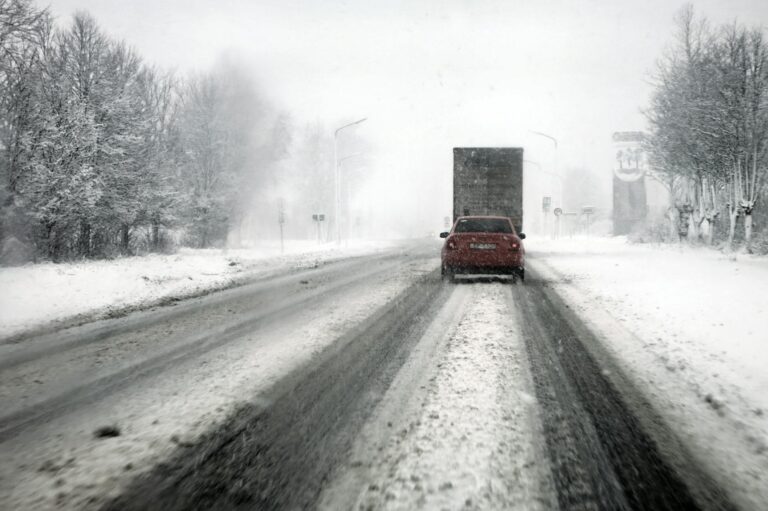
While 2026 has opened with devastating heat records, the range of extremes has expanded across all categories. January 2026 was the fifth-warmest January on record globally, with average surface temperatures reaching 1.47°C above pre-industrial levels. In Australia, twelve locations recorded temperatures above 49°C (120°F), with both Andamooka and Port Augusta reaching 50°C (122°F) on January 29-30. Yet the same winter also brought a severe cold wave: a U.S. winter storm in late January killed more than 170 people across Northern Mexico, the United States, and Atlantic Canada.
Flooding represents another intensifying extreme. In Brazil’s Minas Gerais region in late February 2026, intense localized rainfall triggered severe flooding and landslides that killed more than 70 people. Similarly, Chile experienced major wildfires in January that destroyed at least 800 structures, forced more than 50,000 evacuations, and caused 21 deaths. However, it’s important to note that while climate change intensifies these events, the direct causes—a cold air mass for winter storms, atmospheric moisture patterns for flooding, drought conditions for wildfires—involve complex meteorological conditions that vary regionally. What climate change does is load the dice toward more extreme values of these weather systems, making dangerous conditions more likely and more intense.
The Regional Concentration of Extremes
The Southwest United States has emerged as a particular hotspot for temperature extremes. During the March 2026 heatwave, Southwest temperatures reached up to 30°F above normal—meaning a day that should have been mild felt like peak summer. Phoenix’s 105°F reading in March is especially striking because March is typically spring, not summer, yet the record shattered a reference point from nearly four decades prior.
This concentration of heat in the Southwest reflects both regional geography and broader climate patterns affecting North America. Australia’s January heatwave provides an important comparison: while Phoenix broke a March record, Australian locations were hitting 50°C (122°F) during their summer season, pushing even summer temperature extremes beyond historical norms. These aren’t isolated regional phenomena—they’re occurring simultaneously across different hemispheres and climate zones, which indicates this is part of a global pattern rather than a localized weather variation.

How Climate Change Intensifies Extreme Weather Events
Scientists have moved beyond simply observing that extremes are happening more often; they can now quantify how much human-caused climate change intensifies individual events. According to World Weather Attribution analysis, the March 2026 heatwaves in Western North America would have been “virtually impossible” without human-induced climate change. Globally, climate change has made extreme heat events approximately 1.6°C hotter than they would have been without human influence. In Europe, researchers have documented a 10-fold increase in extreme heat specifically attributable to anthropogenic climate change over recent decades.
The practical implication of this 1.6°C intensification is significant. What might have been a dangerous but survivable heat wave has become a deadly one. In 2024, human-caused climate change added 41 additional days of dangerous heat for billions of people worldwide. This comparison between the world with and without climate influence helps explain why elderly individuals and those with dementia face increasing health risks—the boundary between “uncomfortably hot” and “medical emergency” has shifted downward as baseline extremes have intensified.
Why Vulnerable Populations Face Greater Risk
For aging adults and people with dementia, weather extremes present specific challenges that extend beyond general population impacts. Cognitive decline affects the ability to recognize heat illness symptoms, respond appropriately to severe weather warnings, and maintain the behavioral adjustments (staying hydrated, remaining indoors) that reduce risk. Dementia also complicates medication management—certain medications affecting thermoregulation become more dangerous during heat extremes. The warning here is critical: a heat wave that an average adult might navigate through careful planning can become life-threatening for someone with cognitive impairment.
There’s also the matter of infrastructure dependency. Elderly people are more likely to have mobility limitations, hearing loss, or other sensory changes that make responding to severe weather warnings more difficult. During a cold wave like the January 2026 event that killed 170 people, an older person struggling to maintain home heating faces both immediate risk and the psychological stress of dangerous weather, which itself can worsen dementia symptoms. Extreme weather also disrupts routine care—if flooding forces evacuation, dementia patients can become severely disoriented, and caregivers may be separated from necessary medications and records.
The Growing Frequency Creates Compounding Effects
What makes the current trend particularly concerning is the compounding effect of frequency. When extreme weather occurs once per decade, communities can recover, rebuild infrastructure, and restore psychological equilibrium. When records fall repeatedly within months or years, the cumulative stress on physical and mental health systems becomes severe. The 832,000 deaths and $4.5 trillion in economic losses between 1995 and 2024 represent not just individual tragedies but entire regions struggling with repeated disruptions.
For aging populations, this frequency matters directly. An 85-year-old who survives one severe heat wave may face additional heat waves in subsequent years. Each event carries physical risk, but accumulated psychological stress from repeated weather disruptions can accelerate cognitive decline and depression, particularly in those with existing dementia. Communities that once had specialized cooling centers and emergency protocols for rare events must now maintain these systems continuously.
What Continues to Change and What the Data Suggests
The trajectory shown by the data suggests further intensification rather than stabilization. The acceleration from the 1970s to the 2010s to 2026 shows a trend pointing upward. Record-breaking events are becoming more common—eight states breaking March records simultaneously, Australia hitting 50°C—in ways that suggest the statistical distribution of extreme weather is shifting.
The question isn’t whether we’ll see more extremes, but how severe they’ll become. For individuals and families managing dementia care, this forward-looking reality means planning for weather extremes should become a core element of care strategy, similar to medication management or fall prevention. Understanding local climate risks, establishing backup systems for power-dependent medical equipment, developing communication plans for split households, and identifying cooling and warming resources in advance represent the practical translation of these global weather trends into local, actionable preparation.
Conclusion
Weather extremes are intensifying measurably and accelerating. From Phoenix’s March record of 105°F to Australia’s 50°C temperatures, from record billion-dollar disasters that have doubled in frequency, the data shows a clear directional shift toward more severe and more frequent extreme weather. Climate change has intensified these events by approximately 1.6°C, making what would have been merely dangerous into what is increasingly deadly.
For communities caring for aging adults and people with dementia, this trend demands attention and preparation. The vulnerability of older adults—their reduced capacity to regulate body temperature, recognize symptoms of heat illness, respond to rapid environmental changes, and manage the stress of disrupted routines—means that weather extremes translate into disproportionate health impacts for this population. The path forward involves both understanding this changing reality and building practical resilience into care systems and household planning.