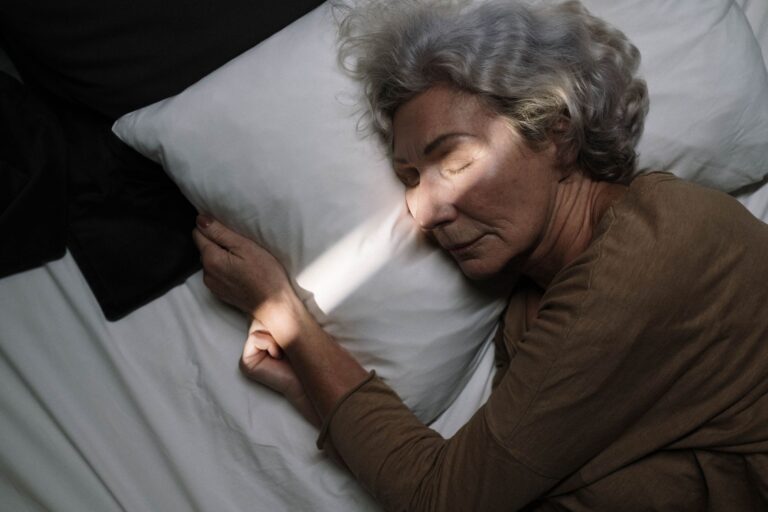
Heat wave sits at the center of this dementia and brain health question.
A record-shattering heat wave is expanding across more than ten states, with temperatures reaching dangerous extremes that pose serious risks to vulnerable populations, particularly people with dementia and cognitive decline. On March 20, 2026, the region recorded an all-time U.S.
March temperature record of 112°F (44.4°C) across the California-Arizona border, shattering previous records by significant margins. For those caring for elderly relatives or patients with memory loss or brain health conditions, this extreme weather creates urgent health challenges—people with dementia have impaired temperature regulation and often cannot recognize heat-related danger in themselves, making them particularly vulnerable to heat illness. This article covers the geographic scope of the heat wave, how extreme temperatures specifically threaten people with cognitive decline, the climate science behind these unprecedented conditions, and practical steps families and caregivers should take to protect vulnerable loved ones.
Table of Contents
- Where Is the Extreme Heat Occurring and How Intense?
- Why Are People with Dementia at Higher Risk During Heat Waves?
- How Does Climate Change Contribute to These Record-Breaking Temperatures?
- What Immediate Protective Actions Should Caregivers Take?
- What Are Warning Signs That Heat Is Becoming Dangerous?
- How Do Medications Interact With Heat Sensitivity?
- How Should We Prepare for More Frequent Heat Waves?
- Conclusion
Where Is the Extreme Heat Occurring and How Intense?
The heat wave is affecting Arizona, Utah, Colorado, New Mexico, Wyoming, Nebraska, Kansas, Missouri, Iowa, and portions of many other states across the Western and Central United States. Yuma, Arizona recorded 109°F on March 20, 2026, breaking the national March record of 108°F that stood for over 70 years (previously set in 1954 and 1902). Phoenix Sky Harbor International airport reached 105°F, the highest March temperature ever recorded there, and hit this mark for three consecutive days. In the Great Plains, Kansas City, Missouri recorded 91.9°F, while North Platte, Nebraska reached the same temperature.
Las Vegas experienced 96°F on Saturday, March 22, marking a record for that date, with the nearby National Weather Service office measuring 97°F for the second consecutive day. The scope of record-breaking temperatures is staggering: more than 100 all-time March record highs have already been broken or tied across the Western states and High Plains in California, Arizona, Colorado, Idaho, South Dakota, and Wyoming. Looking forward, forecasters predict approximately 800 additional high temperature records will be neared, tied, or broken at 165 locations across Western and Central states over the following week. For elderly residents in areas like Phoenix, where previous March records stood at 100°F (set in 1988), the current conditions represent a dramatic shift in what extreme weather means for their region.

Why Are People with Dementia at Higher Risk During Heat Waves?
Dementia and cognitive decline significantly impair the body’s ability to respond to extreme heat. The brain regulates core body temperature through the hypothalamus, and neurodegenerative conditions like Alzheimer’s disease, vascular dementia, and Lewy body dementia can damage this critical thermoregulation system. People with dementia may not sweat adequately in response to heat, have difficulty recognizing thirst, and often cannot communicate that they feel overheated until heat illness has already developed.
Additionally, medications commonly prescribed to older adults and those with dementia—including anticholinergics used for various conditions, antipsychotics, and certain sedatives—further impair the body’s cooling mechanisms. The danger is compounded because many people with dementia lack the cognitive ability to make protective choices: they may refuse to drink water, resist removal of clothing, wander outside during peak heat, or become confused about why caregivers are asking them to come inside. Unlike a younger, cognitively intact person who might recognize dizziness or confusion as a sign to seek shade, someone with dementia may not process these warning signs or communicate them to a caregiver. Studies consistently show that during heat waves, mortality rates among elderly and cognitively impaired populations spike dramatically, with heat-related deaths and emergency hospitalizations concentrated among those aged 65 and older, particularly those in institutional settings or living alone.
How Does Climate Change Contribute to These Record-Breaking Temperatures?
Climate scientists have directly linked this extreme heat to human-induced climate change, with research indicating that heat waves of this intensity would be “virtually impossible” without global warming. According to World Weather Attribution and Yale Climate Connections, heat waves in this region have become approximately 4°C warmer due to the effects of greenhouse gas emissions. The warming climate means that what used to be rare, exceptional events—like a 105°F March temperature in Phoenix—are becoming more frequent and more intense.
This trend has profound implications for populations with dementia and other vulnerable groups. As climate change makes severe heat waves more common, caregivers and families cannot treat extreme heat as an occasional emergency requiring temporary precautions. Instead, heat management must become a regular part of care planning for much of the year in warming regions. The increasing frequency of record-breaking temperatures means that many older adults who were able to tolerate heat during previous decades may find themselves in genuine danger as extremes become more routine.

What Immediate Protective Actions Should Caregivers Take?
During a heat wave, caregivers of people with dementia should prioritize keeping indoor environments cool to around 72°F (22°C) or lower, as comfortable room temperature becomes a primary protective measure rather than a luxury. This may require running air conditioning continuously, even at higher cost, and families should recognize this as essential healthcare spending. For those without adequate cooling, community cooling centers often accept elderly and vulnerable populations, and many senior programs or medical care facilities can provide guidance on accessing these resources. Close attention to hydration is equally critical: rather than waiting for a person with dementia to express thirst, caregivers should offer fluids regularly throughout the day—water, electrolyte drinks, and foods with high water content like fruit and soup.
A practical comparison: caregivers might offer small amounts of cool liquid every 15-30 minutes rather than assuming one glass of water in the morning will suffice. Similarly, clothing choices matter significantly—lightweight, loose cotton garments allow better evaporative cooling than heavy fabrics. Caregivers should also avoid scheduling outings during peak heat hours (typically 11 a.m. to 4 p.m.) and should never leave a person with dementia unattended in a vehicle, as interior temperatures in parked cars can become lethal within minutes even with windows cracked. Some families benefit from wearable emergency alert devices or GPS tracking for relatives prone to wandering, which becomes more concerning during dangerous heat conditions.
What Are Warning Signs That Heat Is Becoming Dangerous?
Recognizing heat illness in someone with dementia requires understanding that typical warning signs may appear differently or be missed entirely. Early heat exhaustion may present as unusual confusion, agitation, or personality changes—symptoms a caregiver might attribute to dementia progression rather than recognizing as heat-related danger. Additional warning signs include unusually hot skin (even if the person is not visibly sweating), rapid weak pulse, lightheadedness, nausea, or behavioral changes like refusing to eat or drink. Importantly, someone with dementia experiencing heat illness may not develop the obvious sweating that younger people exhibit; elderly individuals and those on certain medications often have impaired sweating response even as their core body temperature rises dangerously high.
A critical limitation in relying on verbal communication: never assume that if a person with dementia hasn’t complained about heat, they’re fine. Check their actual skin temperature by feeling their forehead and neck, monitor for behavioral changes however subtle, and don’t wait for obvious symptoms. If heat illness is suspected—characterized by body temperature exceeding 103°F (39.4°C), severe confusion, loss of consciousness, or lack of perspiration despite heat—emergency medical care is necessary immediately. Heat stroke can cause permanent brain damage or death, and the elderly brain is particularly vulnerable to heat-related injury.

How Do Medications Interact With Heat Sensitivity?
Many medications that older adults and people with dementia take regularly increase vulnerability to heat illness. Anticholinergic medications—used for conditions ranging from overactive bladder to Parkinson’s disease—directly reduce the body’s ability to cool itself by decreasing sweating. Antipsychotics prescribed for behavioral symptoms of dementia also impair temperature regulation. Blood pressure medications like diuretics can cause dehydration, compounding heat stress, while stimulant medications can increase metabolism and heat production.
Families should review all medications with the prescribing physician during heat wave season to understand which ones carry specific heat-related risks. Some caregivers can work with healthcare providers to adjust medication timing—taking heat-sensitive medications at cooler times of day or temporarily adjusting doses during extreme heat events—though such changes should only occur under medical supervision. For example, a person taking both a diuretic for blood pressure and an anticholinergic for other conditions faces compounded risk during heat waves. Understanding these interactions empowers caregivers to be more vigilant with hydration, temperature monitoring, and medical check-ins during dangerous heat periods.
How Should We Prepare for More Frequent Heat Waves?
As climate change continues warming the planet, the heat wave patterns observed this March will likely become more common rather than exceptional. Families caring for people with dementia should treat heat preparedness as a year-round planning priority, not an annual afterthought. This might include installing or maintaining air conditioning before the summer season arrives, identifying local cooling centers in advance, establishing communication plans with medical providers about how to manage care during heat events, and educating all caregivers (family, home health aides, respite care workers) about dementia-specific heat risks and response protocols.
Communities and healthcare systems are beginning to develop heat response plans that specifically address vulnerable populations, with some regions implementing alert systems for high-risk individuals during extreme heat events. Families should inquire whether their local health department, senior services, or home healthcare agency has such programs and register for alerts if available. Planning ahead—when not in crisis mode—allows for better decision-making about cooling resources, medication adjustments, and care arrangements.
Conclusion
The record-breaking March heat wave expanding across multiple states highlights an urgent reality: extreme temperatures now pose serious, sometimes life-threatening dangers to people with dementia and cognitive decline. With temperatures reaching 112°F in some regions and forecasts calling for approximately 800 additional record-high temperatures across the coming week, families and caregivers must act immediately to protect vulnerable loved ones through cooling, hydration, medication review, and close monitoring for heat illness signs. The climate science is clear that these conditions are becoming more intense and more frequent due to human-caused warming, meaning heat management is no longer a seasonal concern but a year-round healthcare priority.
If you are caring for someone with dementia, dementia-related conditions, or any elderly family member, take the current heat wave seriously. Check on vulnerable relatives and friends daily, ensure adequate cooling and hydration, discuss heat-related medication risks with their healthcare provider, and don’t wait for verbal complaints about feeling hot before intervening. As our climate continues to change, the preparation and awareness you develop now will serve your family for years to come.
You Might Also Like
- Global Heat Levels Reach New Highs According to Latest Report
- Extreme Heat Forces Cities to Open Cooling Centers Nationwide
- Climate Report Warns Earth Is Trapping Dangerous Levels of Heat
For more, see Alzheimer’s Association — clinical trials.