Extreme weather conditions are not temporary anomalies—they are defining the climate pattern in 2026, with record-breaking temperatures, historic snowfall, and severe storms occurring with striking frequency and intensity. For individuals living with dementia and their caregivers, these extreme conditions create both immediate health risks and ongoing cognitive challenges that require intentional planning and response. This article explores why extreme weather matters for brain health and dementia care, examines the specific climate events of early 2026, and provides practical guidance for protecting vulnerable populations during severe weather.
The stakes are particularly high for older adults with cognitive decline. Dementia affects how people perceive danger, remember safety instructions, and regulate their body temperature—all factors that become life-threatening during extreme heat, cold, or severe storms. A person with dementia might not recognize they are overheating during a 109-degree day, forget to take medications during a power outage, or become disoriented during a blizzard. Caregivers and healthcare providers must anticipate these risks before weather emergencies strike.
Table of Contents
- What Makes 2026 Weather So Dangerous for Vulnerable Populations?
- The Cognitive Impact of Extreme Heat and Cold
- Extreme Weather Events and Neurological Vulnerability
- Planning for Extreme Weather: What Care Facilities and Families Must Do Now
- The Risk of Medication Disruption During Power Outages and Severe Weather
- Air Quality and Cognitive Function During Extreme Heat and Wildfire Season
- The Broader Pattern: Why Extreme Weather Is Now the Baseline, Not the Exception
- Conclusion
What Makes 2026 Weather So Dangerous for Vulnerable Populations?
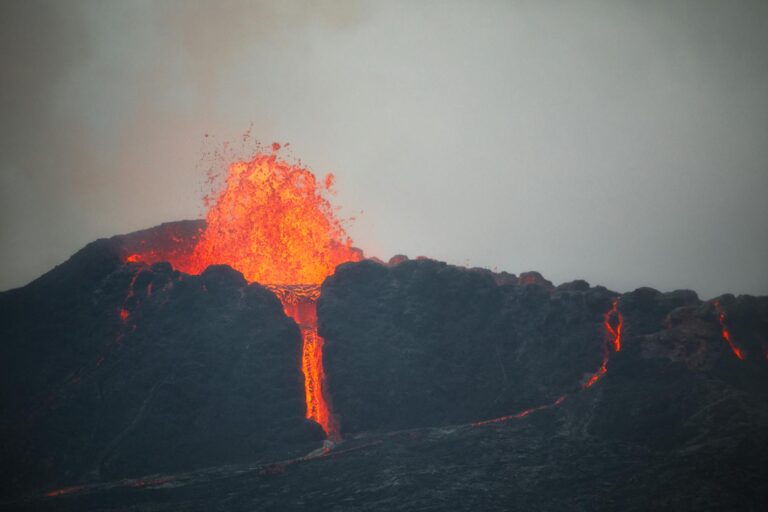
March 2026 has already established itself as an extraordinarily dangerous period for extreme weather. Yuma, Arizona reached 109°F on March 21, shattering the previous national March temperature record of 108°F that had stood since 1954. This was not an isolated incident—over 100 all-time March record highs were broken or tied across Western and High Plains states including California, Arizona, Colorado, Idaho, South Dakota, and Wyoming. Phoenix experienced multiple consecutive days forecasted around 106°F, far exceeding the previous March record of 100°F. Temperature anomalies of 11-17°C (20-30°F) above average spread across California, Nevada, and Arizona, creating conditions that are not simply warm but dangerously hot by any standard.
For dementia patients, these temperature extremes pose immediate threats. heat-related illness progresses rapidly in older adults, and cognitive decline interferes with the body’s natural cooling mechanisms and the person’s ability to seek help. An individual with dementia might refuse to drink water because they don’t remember they’re thirsty, sit in direct sun without recognizing the danger, or remove protective clothing during episodes of confusion. Even caregivers who understand the risks face challenges: a person with dementia may resist going indoors, remove air conditioning units, or become agitated when moved to cooler spaces. World Weather Attribution confirmed that the March 2026 Western heat wave was “virtually impossible without climate change,” meaning this represents a new normal rather than a temporary spike.

The Cognitive Impact of Extreme Heat and Cold
Extreme temperatures directly affect brain function and can trigger or worsen behavioral symptoms in dementia. Heat stress increases confusion, agitation, and delirium—conditions already amplified in people with cognitive decline. Research consistently shows that hospital admissions for behavioral complications spike during heat waves, and residents in care facilities often experience increased sundowning (late-day confusion and agitation) when indoor temperatures are not carefully controlled. The danger is compounded because heat-related cognitive changes can be mistaken for disease progression rather than recognized as a medical emergency.
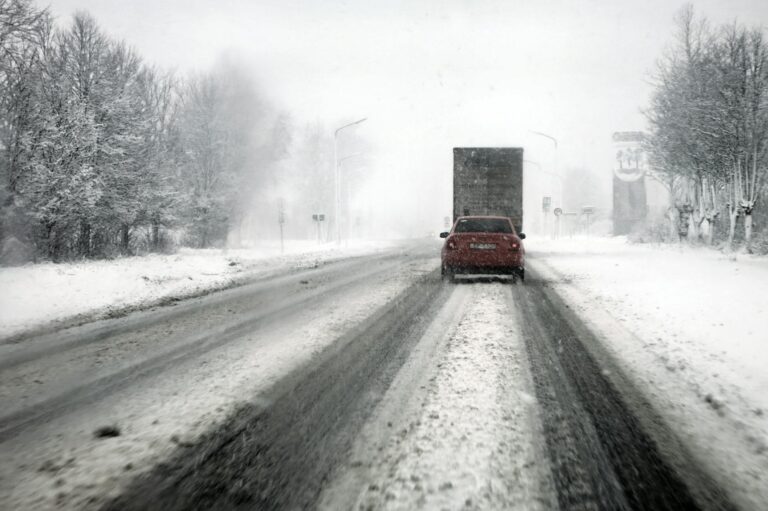
However, if a care facility or home has proper cooling and monitoring systems in place, these risks can be substantially reduced. But this requires proactive measures: checking air conditioning functionality before the heat arrives, arranging portable AC units or fans, ensuring medications are stored at proper temperatures (many psychiatric and cognitive medications degrade in heat), and establishing check-in protocols for isolated individuals. Cold weather brings similar dangers. The historic blizzard of March 13-17, 2026 dumped 3-4 feet of snow across the Upper Midwest and High Plains, with Round Lake, Michigan recording a stunning 54 inches—the highest storm-related snow total in the state. For someone with dementia, this kind of isolation creates compounded risk: power outages disrupt medication schedules, confusion increases during social isolation, and the person may attempt to go outside without proper clothing.
Extreme Weather Events and Neurological Vulnerability
Severe thunderstorms and tornadoes add another layer of danger. The severe weather outbreaks of March 10-11, 2026 produced at least 67 hail reports of 2 inches or larger and 42 tornadoes across the Southern Plains, Midwest, mid-Atlantic, and Southeast. For dementia patients, severe storm events are particularly traumatic. The noise, darkness (if power fails), physical disruption, and evacuation procedures can trigger acute confusion and fear that far exceeds what cognitively intact individuals experience.
A person with dementia may not understand why they’re being moved to a shelter, may refuse to leave a familiar home, or may experience terror that leads to aggressive or self-harmful behavior. Caregivers also face the challenge of managing behavioral responses while simultaneously executing evacuation or sheltering plans. Someone with dementia may not pack needed medications, become lost in a shelter environment, or wander away from their caregiver during the chaos of an emergency response. The cognitive tools that allow people without dementia to process and adapt to disruption—understanding cause and effect, following complex instructions, remembering which belongings are essential—are precisely the tools that dementia removes.

Planning for Extreme Weather: What Care Facilities and Families Must Do Now
Effective preparation begins with creating an individualized extreme weather plan specific to each person with dementia. This plan should include preferred cooling and warming methods (some people respond better to fans than AC; others need specific fabrics or clothing), a list of triggers that cause agitation during weather disruptions, emergency medications (including anti-anxiety medications if appropriate), and contact information for all healthcare providers who manage the person’s care. Families should practice transitions to alternative cooling or warming spaces before emergencies occur—not for the first time during a heat wave. A comparison of approaches: some facilities maintain generator backup and AC capacity for every room, while others rely on central safe zones with mass cooling during emergencies.
Facilities with room-by-room redundancy protect individuals with dementia more effectively because disruption to routine and movement are minimized. However, this approach requires significantly greater infrastructure investment. Facilities and families with limited resources should prioritize establishing one reliably cool and secure safe space that is familiar to the person with dementia before summer arrives. Multiple practice visits to this location, introduced as a positive experience (gathering there for meals, activities, social time), will reduce panic if emergency use becomes necessary.
The Risk of Medication Disruption During Power Outages and Severe Weather
Power outages during extreme weather create cascading risks for dementia management. Many psychiatric and cognitive medications require consistent daily dosing—skipping doses leads to rapid behavioral deterioration. Refrigerated medications (some dementia treatments, insulin for comorbid diabetes) spoil without power. Individuals with dementia often cannot self-report medication needs and may have forgotten how to take medications independently. Caregivers managing multiple affected individuals during a widespread power outage face impossible choices about which medications to prioritize or how to obtain emergency doses.
A critical limitation of current emergency planning: most community disaster response assumes people can understand verbal instructions, locate their own medications, remember their medical history, and advocate for their needs. None of these assumptions hold for dementia. Families should establish relationships with local pharmacies well in advance, providing written copies of medication lists and discussing emergency protocols. Keep a 30-day hand-written backup of all medications and dosing instructions, stored separately from electronics or refrigeration. During power outages, coolers with ice can maintain refrigerated medications for short periods. During the severe weather events of March 2026, many communities experienced outages lasting 24-72 hours—a period where medication disruption directly contributed to behavioral crises and hospitalizations.

Air Quality and Cognitive Function During Extreme Heat and Wildfire Season
Extreme heat frequently coincides with wildfire smoke and poor air quality—another overlooked threat to brain health. Air quality during heat waves is often terrible because smog and ozone formation increase in heat. People with dementia cannot reliably follow instructions to stay indoors during air quality warnings, may remove masks or air filters, or may become panicked by indoor air purifiers they don’t recognize.
Elevated particulate matter and ozone have documented effects on cognitive function, increasing confusion and agitation even in people without dementia. During the 2026 heat wave extending across the Western states, air quality indexes reached hazardous levels in multiple regions. An individual with dementia living through this period faced dual threats: the direct danger of extreme heat and the cognitive impairment created by breathing poor air. Ensuring clean air indoors—through HEPA filters, keeping windows closed during hazardous air quality days, and using outdoor venting sparingly—is a practical step that directly protects cognition.
The Broader Pattern: Why Extreme Weather Is Now the Baseline, Not the Exception
The weather extremes of early 2026 represent a pattern shift rather than a temporary crisis. We’ve seen Australia experience a heat wave in January-February 2026 where multiple locations exceeded 49°C, with Andamooka and Port Augusta reaching 50°C. North America experienced a severe cold wave in January-February 2026 bringing record cold to Canada, the U.S., Mexico, and Central America. Europe experienced its coldest January since 2010.
These are not independent events—they reflect a destabilized climate system producing both extreme heat and extreme cold, sometimes in rapid succession. For dementia care planning, this means accepting that extreme weather events are no longer anomalies requiring emergency response but rather conditions to plan around continuously. Healthcare systems, care facilities, and families must build permanent capacity to manage high-heat and severe-weather periods the same way they manage regular winter or summer care. The record-breaking temperatures and storms of March 2026 are not unprecedented within the 2026 pattern—they are the new standard.
Conclusion
Extreme weather conditions remain extreme in 2026, with record-breaking heat, historic blizzards, and severe storms creating direct threats to people with dementia. The cognitive, behavioral, and physical risks are not theoretical—they manifest immediately during heat waves, power outages, and severe weather disruptions. Individuals with dementia cannot reliably protect themselves, and caregivers face compounded challenges managing both the weather emergency and the behavioral and medical consequences of cognitive decline.
The path forward requires moving beyond emergency planning to building permanent infrastructure and systems that assume extreme weather is ongoing. Families and care facilities should establish cooled safe spaces before summer arrives, maintain backup medication supplies, develop individualized behavioral plans for weather disruptions, and coordinate with healthcare providers about medication management during power outages. Healthcare systems must recognize dementia and cognitive decline as a key vulnerability factor in extreme weather preparedness. The weather will not moderate to accommodate vulnerable populations—the responsibility for protection lies with families, caregivers, and communities.