Power restoration efforts in dementia care refer to ongoing interventions and therapies designed to help patients regain or maintain cognitive function, independence, and physical capabilities as the disease progresses. These efforts don’t reverse dementia, but they can slow decline, improve quality of life, and help patients remain functional longer in familiar environments. Recent advances in neuroplasticity research have shown that even with significant cognitive loss, the brain retains some ability to form new neural connections through targeted activities, structured exercise, cognitive training, and social engagement. This article explores the various restoration efforts being implemented across medical, therapeutic, and caregiving domains, along with their realistic outcomes, limitations, and how families can support these initiatives.
Table of Contents
- What Are Current Restoration Efforts in Dementia Care?
- Cognitive Rehabilitation and Brain Plasticity
- Physical Restoration and Functional Independence
- Implementing Restoration Programs in Real-World Settings
- Emerging Therapies and Their Current Limitations
- Family and Caregiver Involvement in Restoration Efforts
- Future Outlook for Restoration Efforts
- Conclusion
What Are Current Restoration Efforts in Dementia Care?
Current power restoration efforts span multiple disciplines, from pharmaceutical interventions to behavioral therapies. Medications like donepezil and memantine work to preserve remaining cognitive function by regulating neurotransmitters, though they offer modest benefits and work best in early-to-moderate stages. Beyond medications, memory care programs use spaced repetition, life review therapy, and reminiscence activities to activate existing memories and strengthen remaining neural pathways.
Physical rehabilitation focuses on maintaining muscle mass, balance, and cardiovascular health through tailored exercise programs. A typical case might involve a 72-year-old with moderate Alzheimer’s who participates in three weekly physical therapy sessions, morning cognitive games, and evening reminiscence therapy with family—this combination often results in slower functional decline compared to no intervention. Research from the Cochrane Database shows that multimodal approaches combining exercise, cognitive stimulation, and social engagement produce better outcomes than single interventions alone. However, effectiveness varies dramatically based on disease stage, baseline health, and patient engagement.

Cognitive Rehabilitation and Brain Plasticity
Cognitive restoration relies on the principle that repeated mental stimulation can strengthen remaining neural connections, even in brains affected by dementia. Cognitive training programs present graded challenges—memory games, word puzzles, reasoning tasks—that push the brain without causing frustration. The limitation here is important: cognitive training won’t restore lost brain tissue, and benefits typically plateau after 8-12 weeks without novelty.
Additionally, skills learned in one context (like remembering cards in a game) often don’t transfer to real-world tasks like remembering medication schedules, which is why context-specific practice matters more than generic brain training. Music therapy has emerged as a particularly effective tool because it accesses different brain regions than those damaged by typical dementia patterns. A patient with severe verbal deficits may still recall song lyrics or play a familiar instrument, activating memory and motor pathways simultaneously. However, responses vary—some patients engage enthusiastically while others show no obvious benefit, making personalization essential.
Physical Restoration and Functional Independence
Physical restoration efforts directly address muscle atrophy, balance deterioration, and cardiovascular decline that accompany dementia. Patients who maintain strength and balance can continue walking, using stairs, and performing activities of daily living far longer than sedentary patients. A structured exercise program typically includes resistance training twice weekly, aerobic activity like walking, and balance work—this combination can add 12-18 months of functional independence for many patients.
Research shows that even mild-to-moderate intensity exercise produces measurable cognitive benefits beyond just physical fitness, likely through improved blood flow and growth factor release in the brain. The major limitation is adherence and motivation. Unlike other patients, dementia patients often forget they’re in therapy or lose interest mid-session, requiring skilled facilitators and family support to maintain engagement. Falls and injuries from exercise also pose real risks, meaning programs must be carefully supervised.
Implementing Restoration Programs in Real-World Settings
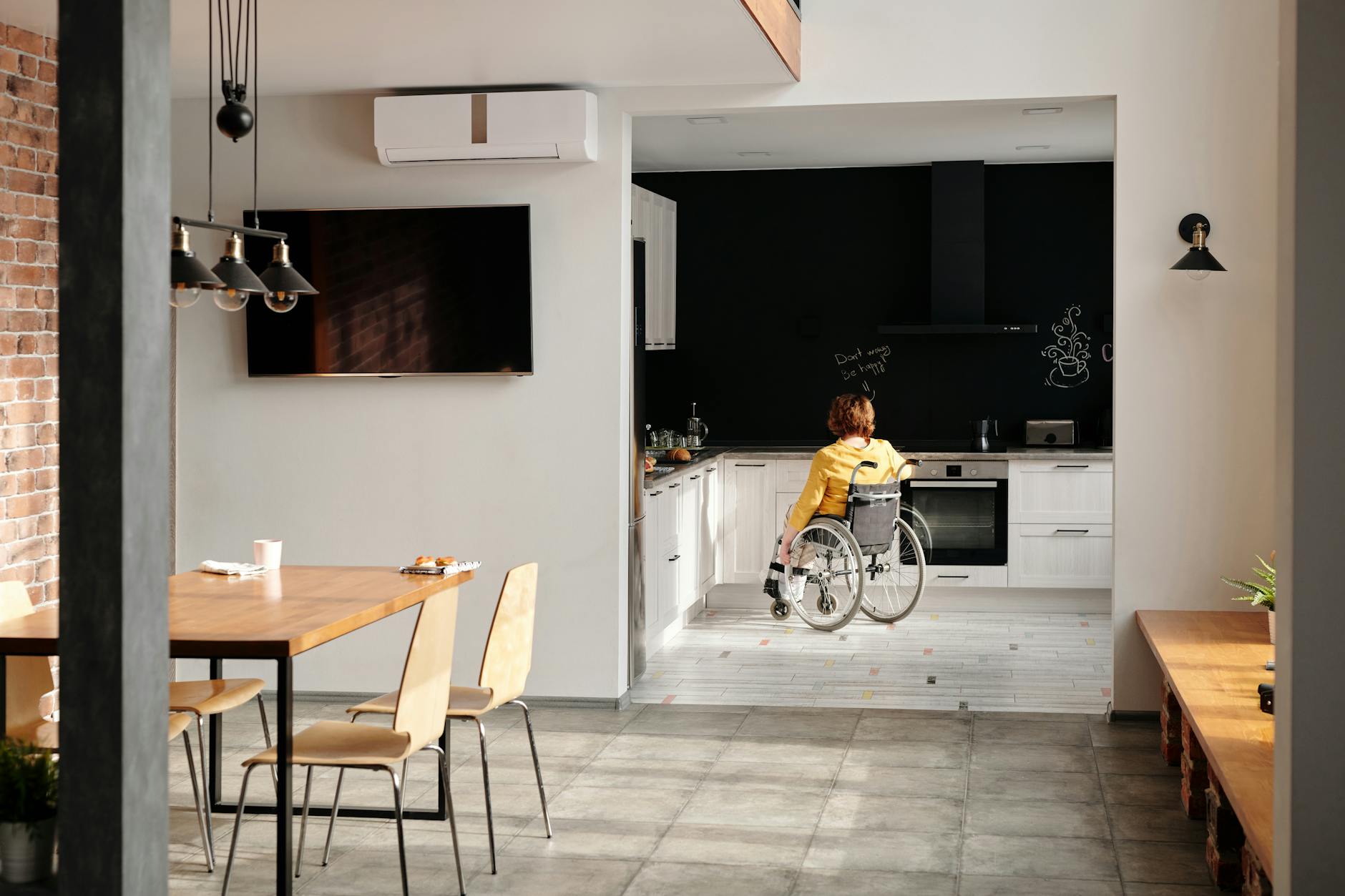
Implementing effective restoration efforts requires coordination across medical, therapeutic, and home environments. A comprehensive approach involves the primary care physician (who monitors medications and overall health), physical/occupational therapists (who design restoration programs), a neuropsychologist (who tracks cognitive status), and trained caregivers (who reinforce therapeutic activities at home).
The challenge is that this level of coordination is expensive and not universally available—many families access only partial services due to cost, insurance limitations, or geographic isolation. Home-based programs, where family members lead simplified versions of professional therapies, cost significantly less but require substantial caregiver training and ongoing coaching. A family implementing home-based cognitive games and walking programs alongside their loved one’s medication regimen may achieve 60-70% of the benefit of a full professional program, though consistency drops without professional oversight.
Emerging Therapies and Their Current Limitations
Newer restoration approaches include transcranial magnetic stimulation (TMS), which uses magnetic pulses to activate brain regions, and cognitive behavioral therapy adapted for dementia, which addresses behavioral symptoms that worsen functional decline. Immunotherapy approaches targeting amyloid and tau proteins show promise in research but remain experimental with limited real-world availability.
These emerging therapies represent genuine hope, but their benefits remain modest and their accessibility is restricted to research settings or wealthy populations in major medical centers. A critical warning: unproven “restoration” treatments claiming dramatic reversal of dementia proliferate online and prey on desperate families. Programs claiming memory restoration through special supplements, brain training apps, or unproven medical procedures typically produce no measurable benefit and may cause harm through false hope, delayed appropriate care, or dangerous interactions with legitimate medications.

Family and Caregiver Involvement in Restoration Efforts
Family participation directly impacts restoration outcomes because consistency matters more than intensity. A dementia patient who engages in a 20-minute activity daily shows better results than one doing intensive therapy sporadically. Family members can lead simplified versions: reminiscence conversations, gentle walks, simple card games, or singing together—all evidence-based activities that support restoration goals.
The emotional benefit for families is significant too; active participation in their loved one’s care reduces caregiver burden and depression. Professional support networks, including support groups and respite care, sustain these efforts by preventing caregiver burnout. Families attempting restoration without support frequently exhaust themselves within months.
Future Outlook for Restoration Efforts
The trajectory of dementia care is moving toward earlier identification and intervention. Biomarkers now allow detection of amyloid and tau accumulation years before memory loss appears, potentially opening windows for restoration efforts before significant damage occurs.
Combination approaches—mixing medications, behavioral therapies, physical rehabilitation, and cognitive training—are becoming standard, replacing the older model of single interventions. As artificial intelligence improves, personalized rehabilitation programs may be tailored to individual patients’ preserved abilities and preferences, potentially improving engagement and outcomes. The field increasingly recognizes that “power restoration” in dementia means maximizing remaining function and quality of life rather than reversing disease—a realistic goal that guides appropriate expectations for patients and families.
Conclusion
Power restoration efforts in dementia care encompass medications, cognitive training, physical rehabilitation, and family-led activities designed to slow decline and maintain independence as long as possible. These interventions work best when coordinated across medical and home settings, with realistic expectations about benefits—they slow progression but don’t reverse dementia.
The most effective approach combines professional oversight with consistent family participation, tailored to each patient’s capabilities and interests. If you’re caring for someone with dementia, discuss restoration options with their neurologist or geriatrician, including medications, local therapy services, and evidence-based home activities. Realistic, sustained effort across multiple domains typically produces better outcomes than intense but sporadic interventions.