A VA Medical Center has opened a specialized memory care unit designed specifically for aging veterans with cognitive decline, dementia, and related brain conditions. This new unit represents a targeted effort to address the growing healthcare needs of the veteran population, many of whom require intensive support as they age. The facility brings together specialized staff, evidence-based care protocols, and an environment designed to accommodate the particular needs of older adults experiencing memory loss and cognitive changes.
The opening reflects a broader recognition within the Veterans Health Administration that dementia and cognitive disorders affect a significant portion of the aging veteran population. Rather than treating memory-impaired veterans in standard long-term care settings, this specialized unit tailors its physical space, staffing, and daily programming to meet the specific behavioral, medical, and therapeutic needs of individuals with Alzheimer’s disease, vascular dementia, and other neurodegenerative conditions. Veterans admitted to the unit receive care informed by their military history and the specialized health issues common to the veteran population.
Table of Contents
- How Do Specialized VA Memory Care Units Differ from Standard Long-Term Care?
- Why Memory Care Requires Specialized Staffing and Training
- What Therapeutic Activities and Programming Look Like in Memory Care
- How Family Members Navigate Memory Care Placement and Ongoing Care
- Common Behavioral Challenges and How Memory Care Units Address Them
- Continuity of Care for Veterans with Complex Medical Histories
- What Family Members Should Know About Placement Decisions and Ongoing Involvement
- Frequently Asked Questions
How Do Specialized VA Memory Care Units Differ from Standard Long-Term Care?
Standard nursing homes and general long-term care facilities typically serve mixed populations with varying health conditions and cognitive abilities. A specialized memory care unit, by contrast, structures its entire environment around the needs of residents with dementia and cognitive decline. Staff members undergo additional training in dementia-specific communication, behavior management, and the recognition of subtle medical changes that may indicate infection, medication problems, or other acute issues.
The physical layout uses design principles meant to reduce confusion—clear signage, consistent routines, secure outdoor spaces, and reduced clutter and noise levels. Veterans with memory conditions also benefit from care that acknowledges their military service and background. A VA memory care unit can integrate military history into therapeutic activities, employ staff who understand service-related conditions like PTSD and traumatic brain injury, and address the intersection between cognitive decline and these comorbid issues. A veteran with dementia who also has a history of combat-related PTSD, for example, may benefit from staff trained in recognizing how both conditions influence behavior and how one can complicate the treatment of the other.
Why Memory Care Requires Specialized Staffing and Training
Caring for individuals with advanced dementia demands skills that go beyond standard nursing training. Staff in memory care units learn to recognize the behavioral symptoms of dementia—agitation, wandering, aggression, sundowning—and to respond without relying primarily on restraints or sedating medications. This approach, often called person-centered care, requires staff to investigate the underlying causes of behavioral changes. A resident who becomes agitated may be experiencing pain, hunger, a need to use the bathroom, an infection, or distress from feeling lost or misunderstood.
Well-trained memory care staff learn to interpret these nonverbal cues and adjust the care environment accordingly. However, specialized dementia training is not uniformly available or required across all long-term care settings, and quality varies significantly. Some facilities offer minimal training beyond standard nursing duties, which can result in inappropriate responses to behavioral symptoms. Overreliance on chemical restraints—sedating medications—instead of environmental or behavioral interventions is a documented problem in some long-term care settings. A well-staffed memory care unit will maintain lower resident-to-staff ratios during peak activity times, employ staff with dementia care certification, and have a clear protocol for responding to behavioral events without default recourse to medications that increase fall risk and cognitive decline.
What Therapeutic Activities and Programming Look Like in Memory Care
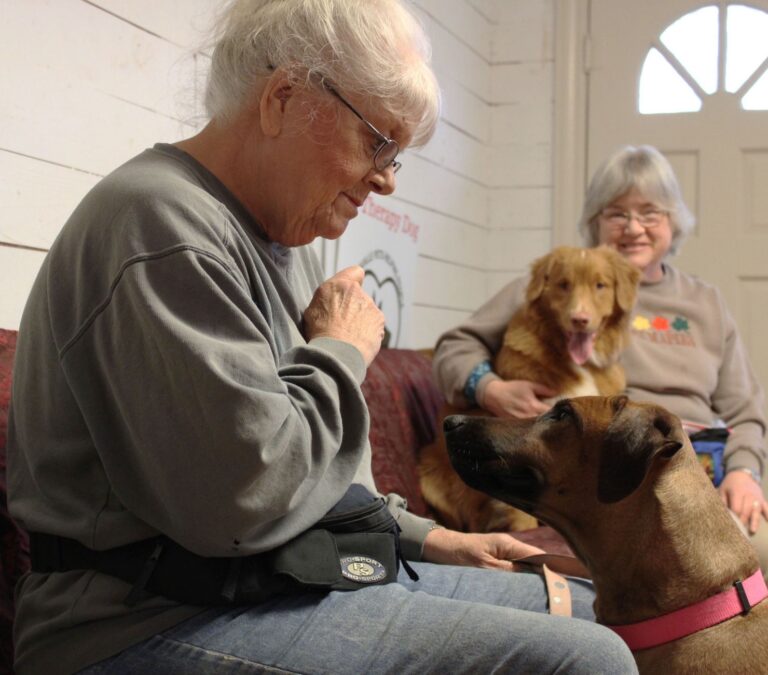
Memory care units typically structure the day around therapeutic activities designed to maintain engagement, dignity, and quality of life for residents. These may include music therapy, art activities, reminiscence programs that draw on residents’ life histories, sensory activities, and participation in unit routines like meal preparation. For veterans, programming may incorporate military history, flag ceremonies, veteran-focused discussions, or visits from military service organizations.
These activities serve multiple purposes: they reduce boredom and the agitation that can accompany it, provide opportunities for meaningful connection and conversation, and maintain engagement with activities that feel purposeful. One limitation of activity programming in some facilities is that activities may be scheduled primarily during daytime hours or may not adapt to individual preferences and abilities. A resident with advanced dementia who has always been an early riser may benefit from morning activities, while programming geared exclusively toward afternoon or evening participation may not suit that person’s natural rhythm. The most effective memory care units assess residents’ preferences, abilities, and life histories individually and offer flexible opportunities for engagement throughout the day rather than treating activities as a one-size-fits-all schedule.
How Family Members Navigate Memory Care Placement and Ongoing Care
Admission to a specialized memory care unit typically involves a medical evaluation, discussion of the individual’s cognitive status and behavioral needs, and review of financial and insurance options. For veterans, eligibility may depend on service history, disability rating, income, and assets, as VA benefits cover some aspects of care but not all costs. Family members often navigate complex conversations about the appropriate time for memory care placement, the individual’s preferences regarding care location, and the practical and emotional aspects of transitioning to residential care. Once admitted, maintaining strong family involvement is associated with better outcomes.
Family members who participate in care planning, provide information about the resident’s history and preferences, and maintain regular visits tend to have more satisfied outcomes. One tradeoff of facility-based care is that the structured environment and professional staffing, while beneficial for managing complex care needs, may reduce some of the informal, spontaneous interaction that occurs in home settings. Some facilities actively work to involve family members in activities and decisions, while others may create more barriers to family presence and input. The quality of family engagement often depends on the facility’s culture and leadership commitment to partnership with families.
Common Behavioral Challenges and How Memory Care Units Address Them
Individuals in advanced stages of dementia often experience behavioral symptoms that can be distressing to the person and challenging for caregivers. Wandering, aggression, sexual behavior that violates social norms, refusal to participate in activities or accept care, and persistent vocalization are among the most common challenges. These behaviors typically reflect the person’s attempt to communicate unmet needs, respond to confusion or fear, or express discomfort. In facilities where staff lack adequate training or numbers, the temptation is to use medications or physical restraints to control behavior.
A well-designed memory care unit instead treats these behaviors as information—a signal to investigate the underlying cause and modify the environment or approach. A significant warning is that some long-term care settings use antipsychotic medications in individuals with dementia to manage behavioral symptoms despite FDA warnings about increased mortality risk in this population. Overmedication is particularly common in facilities with staffing shortages or inadequate training in non-pharmacological approaches. Veterans admitted to a memory care unit should have clear communication with the care team about medication use, regular reviews of all medications to ensure they remain necessary, and documented attempts to address behavioral issues through environmental modification, activity engagement, and care approach changes before resorting to additional medications.
Continuity of Care for Veterans with Complex Medical Histories
Many aging veterans have multiple chronic conditions alongside cognitive decline—cardiovascular disease, diabetes, chronic obstructive pulmonary disease, and service-connected disabilities. A memory care unit within a VA Medical Center has the advantage of existing within the same health system that manages these other conditions, which can improve coordination of care. Primary care providers, specialists, and the memory care team can more easily communicate and adjust treatments based on the whole picture of the veteran’s health.
The integration of care is not automatic, however. Institutional silos can develop even within the same medical center, where the memory care unit operates somewhat independently from other departments. Veterans benefit when there is a designated care coordinator or primary contact who maintains communication across the entire care team and ensures that changes in one condition are considered in the context of others. For example, a change in diabetes control might manifest as worsening confusion, a connection that a fragmented care system might miss.
What Family Members Should Know About Placement Decisions and Ongoing Involvement
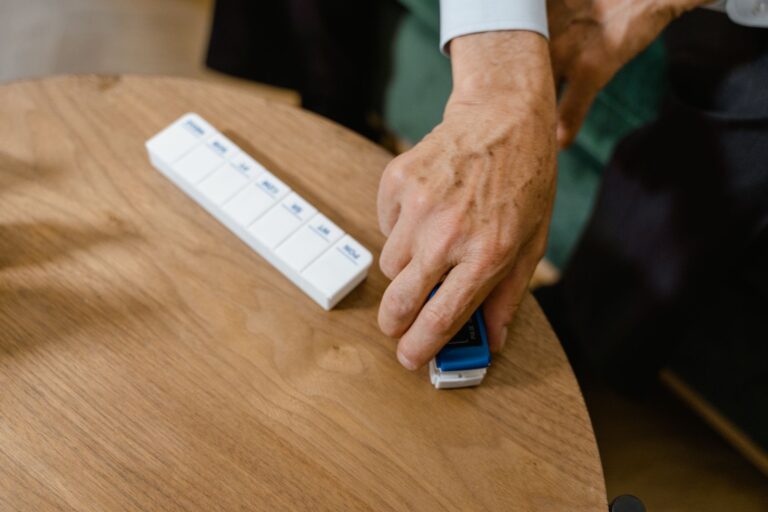
Deciding to place a family member in residential memory care is often one of the most difficult decisions families face. The decision typically comes after a period of escalating care needs at home that have become unsafe or unsustainable for family caregivers. Some common triggers include repeated instances of the person wandering away, inability to safely manage medications, refusal to accept personal care, or an acute medical event that makes home care untenable.
Understanding that placement often reflects the person’s clinical progression rather than family failure is important for families managing guilt and grief during this transition. Ongoing involvement in the care setting through regular visits, communication with staff about the resident’s needs and preferences, and advocacy when concerns arise contributes meaningfully to the quality of care the individual receives. Family members who know the resident’s life story and values can help staff understand behavior in context and suggest activities or approaches that may resonate with the individual. The opening of specialized memory care units within VA Medical Centers provides veterans and families with an option specifically designed to address the clinical, social, and practical dimensions of cognitive decline in older age.
Frequently Asked Questions
What is the difference between regular VA nursing home care and a specialized memory care unit?
A specialized memory care unit is designed specifically for individuals with dementia and cognitive decline. Staff receive additional training in dementia care, the physical environment is adapted to reduce confusion and support safety, and programming is tailored to maintain engagement and manage behavioral symptoms. Regular nursing home care serves mixed populations and may not have these specialized features.
How do I know if a VA memory care unit is appropriate for my relative?
Memory care units are typically appropriate when cognitive decline has progressed to the point where the person requires 24-hour supervision for safety, when behavioral symptoms cannot be managed safely at home, or when family caregivers are unable to provide the necessary level of care. A medical evaluation can help determine appropriate placement.
What should families expect regarding medication use in memory care?
Well-run memory care units use medications judiciously and prioritize non-pharmacological approaches to behavioral challenges. Families should ask about the facility’s approach to medication management, request regular reviews of all medications, and discuss concerns about medication side effects with the care team.
Can family members stay involved after a relative is admitted to memory care?
Yes, and this involvement is encouraged. Regular visits, participation in care planning meetings, and ongoing communication with staff about the resident’s needs and preferences contribute to better outcomes and care quality.