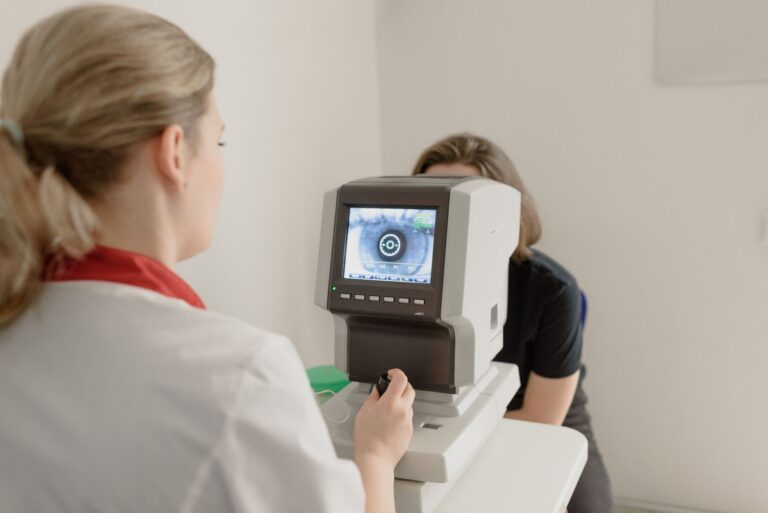
Most Medicare beneficiaries and many privately insured individuals have coverage for Alzheimer’s testing, though the specific tests covered, out-of-pocket costs, and coverage rules vary significantly based on insurance type, the test itself, and whether the test is ordered in a primary care setting or through a specialist. Medicare Part B covers cognitive screening tests (like the Montreal Cognitive Assessment and Mini-Cog) at no cost during a covered wellness visit, and it also covers PET imaging and MRI scans when medically necessary to evaluate cognitive decline.
However, newer blood-based biomarker tests—which measure tau and amyloid proteins indicative of Alzheimer’s pathology—occupy an evolving coverage landscape where some insurers cover them and others do not, and out-of-pocket expenses can range from zero to several hundred dollars depending on your specific plan. Understanding your coverage requires knowing which type of Alzheimer’s test your doctor recommends, which insurance program covers you, and what your plan specifies about cognitive evaluation and imaging. A 65-year-old with Medicare and a Medigap plan might pay nothing for an office-based cognitive screening or PET scan, while a 58-year-old with a high-deductible employer plan might owe $500 to $3,000 out of pocket for the same imaging studies before their deductible is met.
Table of Contents
- WHAT TYPES OF ALZHEIMER’S TESTS DOES INSURANCE COVER?
- MEDICARE COVERAGE FOR ALZHEIMER’S TESTING—THE DETAILS AND LIMITATIONS
- PRIVATE INSURANCE COVERAGE VARIES WIDELY—WHAT YOUR PLAN LIKELY INCLUDES
- OUT-OF-POCKET COSTS AND FINANCIAL PLANNING FOR TESTING
- RECENT CHANGES IN COVERAGE (2024–2026) AND WHAT’S STILL IN FLUX
- PRIOR AUTHORIZATION AND INSURANCE PRECERTIFICATION HURDLES
- THE ROLE OF GENETIC TESTING AND PROGNOSTIC MARKERS IN COVERAGE
WHAT TYPES OF ALZHEIMER’S TESTS DOES INSURANCE COVER?
Alzheimer’s testing falls into three major categories: cognitive screening tests (like the Mini-Cog, Montreal Cognitive Assessment, and Clock Drawing Test), structural imaging (MRI and CT scans to rule out other conditions), and biomarker tests that directly measure Alzheimer’s pathology through blood or cerebrospinal fluid analysis. Insurance coverage differs dramatically across these categories. Cognitive screening performed in a doctor’s office during a preventive visit is almost universally covered by medicare and most private insurers, typically at no cost. These brief office tests—often taking 5 to 15 minutes—are considered part of standard preventive care and are among the easiest to get covered.
Imaging studies are more expensive and more selectively covered. MRI scans cost $1,000 to $3,000 per scan and are usually covered by Medicare and private insurance when ordered to evaluate cognitive decline, though you’ll typically pay your plan’s imaging copay or coinsurance (often $250 to $500). PET imaging, which visualizes amyloid or tau deposition in the brain, costs $3,000 to $7,000 per scan; Medicare covers PET amyloid imaging only under specific coverage rules established in recent years, and many private plans follow similar restrictions or exclude it entirely. Blood biomarker tests (measuring phosphorylated tau, p-tau181, p-tau217, and plasma amyloid-beta) are the newest category: they cost $200 to $800 per test, and while Medicare began covering certain phosphorylated tau blood tests in 2024, coverage remains inconsistent across private insurers, with some plans excluding them as “experimental” or “not medically necessary.”.
MEDICARE COVERAGE FOR ALZHEIMER’S TESTING—THE DETAILS AND LIMITATIONS
Medicare Part B covers a cognitive assessment during the initial Welcome to Medicare visit (the preventive physical examination) and during annual wellness visits thereafter at no cost. If your doctor documents cognitive concerns during that visit, Medicare will also cover a follow-up cognitive evaluation or neuropsychological testing. For imaging, Medicare covers brain MRI when medically necessary to evaluate cognitive decline, and you pay 20% of the approved amount after your Part B deductible ($244 in 2024). Medicare’s coverage of PET imaging for amyloid or tau is narrower: it was approved for certain research settings and is now available through specific pathways, but many community hospitals and imaging centers may not be equipped to perform or bill for these scans under Medicare’s coverage rules, leaving you to navigate insurance precertification and facility limitations.
A critical limitation is that Medicare covers these tests only when ordered by a physician as medically necessary—not for routine screening of asymptomatic individuals. If you have no cognitive symptoms and your doctor orders testing because a family member had Alzheimer’s or because you’re worried about your risk, Medicare will likely deny coverage, and you’ll face the full cost. Additionally, Medicare does not cover all phosphorylated tau blood tests equally; coverage is restricted to specific tests (like blood phosphorylated tau-181) ordered through approved labs, and not all commercial blood tests meet Medicare’s coverage criteria. A 72-year-old who pays out of pocket for a direct-to-consumer blood biomarker test might spend $400 to $600 with no insurance coverage whatsoever.
PRIVATE INSURANCE COVERAGE VARIES WIDELY—WHAT YOUR PLAN LIKELY INCLUDES
Private insurance coverage for Alzheimer’s testing depends entirely on your specific plan, employer, and insurer. Major insurers like UnitedHealthcare, Anthem, Aetna, and Cigna generally cover office-based cognitive screening and brain imaging (MRI, CT) for symptomatic patients under the same terms as Medicare—meaning cognitive tests are covered during preventive visits, and imaging is covered at your plan’s imaging copay or coinsurance after you meet your deductible. However, blood biomarker tests are inconsistently covered: some plans cover them as part of diagnostic workup for cognitive decline, while others classify them as experimental or require prior authorization. Your employer’s health plan and its specific contract with the insurer determine the rules, so two people at different companies with the same insurer may have different coverage.
High-deductible health plans (HDHPs) create additional out-of-pocket exposure. If your plan has a $3,000 or $4,000 individual deductible and you haven’t yet met it, you’ll pay the full cost of an MRI ($1,500–$2,500) or blood biomarker test ($400–$800) until that deductible is satisfied. Many private plans also require prior authorization before ordering imaging or certain biomarker tests, meaning your doctor must request approval from the insurance company before the test is performed; without prior auth, you may face a larger bill or claim denial. A 55-year-old with a $2,000 deductible and a family history of early-onset Alzheimer’s might face $1,500–$2,500 out of pocket for an MRI if no other claims have met the deductible that year.
OUT-OF-POCKET COSTS AND FINANCIAL PLANNING FOR TESTING
The actual money you pay depends on your insurance type, deductible status, copay/coinsurance amounts, and which tests are ordered. For a Medicare beneficiary with original Medicare and standard supplemental coverage, cognitive screening is free, and imaging (MRI or CT) costs around $40–$100 in copays or coinsurance depending on the supplement plan. For a commercial insured person with a $1,500 deductible and 20% coinsurance, an MRI could cost $300–$400 out of pocket if the deductible is met, but $1,200–$1,800 if not.
Blood biomarker tests typically fall into one of three cost categories: free if fully covered and prior auth is approved; $100–$300 copay if your plan covers them with a standard lab copay; or $400–$800 out of pocket if your plan doesn’t cover them or categorizes them as self-pay. Many imaging centers and hospitals offer financial assistance programs or self-pay discounts if you lack insurance or your insurer denies coverage. Calling an imaging facility’s billing department and asking about cash-pay discounts can reduce your cost by 30% to 50%; a $2,000 MRI might drop to $1,000–$1,400 on a cash basis. Additionally, if your doctor recommends a diagnostic test but cost is a barrier, discuss with your physician whether an initial office-based cognitive assessment might be sufficient or whether an less expensive test could be ordered first; not all tests need to happen at once, and staging them can spread costs across multiple benefit years.
RECENT CHANGES IN COVERAGE (2024–2026) AND WHAT’S STILL IN FLUX
In 2024, the Centers for Medicare & Medicaid Services (CMS) made a landmark decision to cover blood phosphorylated tau testing (specifically the p-tau181 test) as part of Medicare’s ongoing expansion of cognitive diagnostic coverage. This decision reflected years of clinical research showing that blood biomarkers are as accurate as cerebrospinal fluid testing and far less invasive, making them viable for primary care settings. However, this coverage is not universal across all blood biomarker tests; p-tau217 and other emerging markers may not yet be covered, and coverage criteria remain narrow (testing is covered only when ordered by a physician for symptomatic patients, not for screening).
Private insurers have begun following Medicare’s lead, but adoption is uneven; some plans now cover phosphorylated tau blood tests, while others maintain that the tests remain experimental or lack sufficient clinical evidence. A major limitation of the current landscape is that insurance coverage for blood biomarkers has not caught up with the clinical evidence or the FDA approval of these tests for diagnostic use. While your doctor may recommend a blood biomarker test based on your symptoms and cognitive evaluation, your insurance plan may still deny coverage, leaving you to pay out of pocket or seek alternative testing. Additionally, the clinical utility of these tests in early asymptomatic stages of Alzheimer’s (before symptoms appear) remains a subject of ongoing research, and most insurance plans will not cover biomarker testing in asymptomatic individuals, even if you have a family history or genetic risk factors like APOE4.
PRIOR AUTHORIZATION AND INSURANCE PRECERTIFICATION HURDLES
Before your doctor orders an expensive test like imaging or certain biomarker panels, your insurance plan may require prior authorization—a process in which the doctor’s office contacts the insurer to verify that the test meets medical necessity criteria and will be covered. Prior authorization can add one to several days to the testing timeline and occasionally results in a denial, forcing your doctor to either appeal the decision or recommend an alternative test. Some insurers are more restrictive than others; Medicare generally has streamlined prior auth for cognitive imaging, but private plans vary.
If your doctor orders an MRI without prior authorization and your insurer denies the claim, you could be billed for the full $1,500–$2,500 cost. Appealing a coverage denial is possible if your doctor believes the test is medically necessary and supports the appeal with clinical documentation. Many insurers will overturn denials on appeal, especially if the doctor provides evidence that cognitive decline is documented and that the test is indicated by standard diagnostic criteria. However, appeals can take weeks to resolve, and in the meantime you may face a pending balance on your bill.
THE ROLE OF GENETIC TESTING AND PROGNOSTIC MARKERS IN COVERAGE
Genetic testing for APOE4 status (the apolipoprotein E gene variant that increases Alzheimer’s risk) falls into a different coverage category than diagnostic tests. APOE4 is typically ordered by a doctor when evaluating someone with cognitive symptoms or to assess risk in a family member with Alzheimer’s disease, and it is usually covered by insurance as part of diagnostic workup. However, direct-to-consumer genetic tests that include APOE4 status are often not covered by insurance, and customers pay $100–$300 out of pocket.
If your family doctor orders APOE4 testing through the standard medical system (blood drawn in an office, sent to a clinical lab), insurance usually covers it. It’s important to understand that APOE4 status is a risk factor, not a diagnosis, and insurance plans do not cover routine genetic risk testing in asymptomatic individuals. You might have APOE4 and never develop Alzheimer’s, or you might develop Alzheimer’s without APOE4. If you’re concerned about your genetic risk and considering direct-to-consumer genetic testing, you should first discuss this with your doctor; they can order APOE4 testing through insurance if they believe it’s clinically relevant to your care, which would typically be covered.
- —