
Taken together sits at the center of this dementia and brain health question.
Every year, thousands of people end up in emergency rooms — or worse — because of drug combinations that their own medicine cabinets made possible. Between 2004 and April 2024, the FDA received 167,065 drug-drug interaction reports. Of those, 91.8 percent were clinically significant, 44 percent resulted in hospitalization, 9.27 percent were life-threatening, and 14,723 patients died. These are not obscure pairings dreamed up in a pharmacology textbook. They are pills sitting side by side in bathroom cabinets across the country, often prescribed by different doctors who never compared notes.
The ten combinations covered here range from prescription opioids mixed with anti-anxiety medications to common blood thinners paired with over-the-counter painkillers. Some involve illicit substances, but most involve drugs your doctor gave you. A 72-year-old woman on warfarin for atrial fibrillation who takes ibuprofen for a sore knee. A man prescribed both an opioid for back pain and a benzodiazepine for anxiety by two different specialists. These scenarios play out daily in clinics and pharmacies, and the consequences can be fatal. This article walks through each of the ten most dangerous drug combinations that people commonly take together, explains why the interactions are so harmful, identifies who is most at risk, and offers practical steps for protecting yourself or someone you care for — particularly older adults managing multiple prescriptions.
Table of Contents
- Why Are These 10 Drug Combinations So Dangerous Yet So Common?
- Blood Thinners and Pain Relievers — A Kitchen-Table Catastrophe
- Serotonin Syndrome — When Antidepressants Turn Toxic
- How to Protect Yourself and Your Family From Dangerous Drug Interactions
- Hidden Interactions — Grapefruit, Antibiotics, and the Drugs Nobody Suspects
- Illicit Drug Combinations That Emergency Rooms See Every Day
- What the Future Holds for Drug Interaction Prevention
- Conclusion
- Frequently Asked Questions
Why Are These 10 Drug Combinations So Dangerous Yet So Common?
The core problem is fragmented care. A patient sees a cardiologist, a pain specialist, and a psychiatrist, each prescribing independently. Add an over-the-counter painkiller or a dietary supplement purchased without any medical consultation, and you have a recipe for a serious interaction. The FDA’s database shows that warfarin alone accounts for 4.32 percent of all reported drug interaction cases — more than any other single medication. That is not because warfarin is uniquely reckless. It is because warfarin interacts with so many commonly used drugs, from ibuprofen to certain antibiotics, and the people taking it are often on multiple medications simultaneously. The first and deadliest combination on this list — opioids and benzodiazepines — illustrates the pattern clearly. Both drug classes suppress the central nervous system. Opioids like oxycodone and hydrocodone slow breathing. Benzodiazepines like alprazolam and diazepam do the same.
Together, they create a compounding respiratory depression that the body may not be able to overcome. The overdose death rate among patients co-prescribed both is 7.0 per 10,000 person-years, compared to 0.7 per 10,000 for opioids alone — a tenfold increase. In 2021, nearly 14 percent of all opioid overdose deaths also involved benzodiazepines. The FDA recognized the severity of this on August 31, 2016, issuing a Black Box Warning — the strongest warning it can place on a drug label — requiring alerts on nearly 400 products. Yet co-prescribing continues, particularly for patients with chronic pain and co-occurring anxiety disorders. From 2004 to 2011, overdose deaths involving both opioids and benzodiazepines nearly tripled. The trajectory improved somewhat after the Black Box Warning, but the combination remains one of the leading causes of preventable overdose death in the United States. The lesson here is not just pharmacological. It is systemic. When no single physician owns the full picture of a patient’s medication list, deadly overlaps slip through.
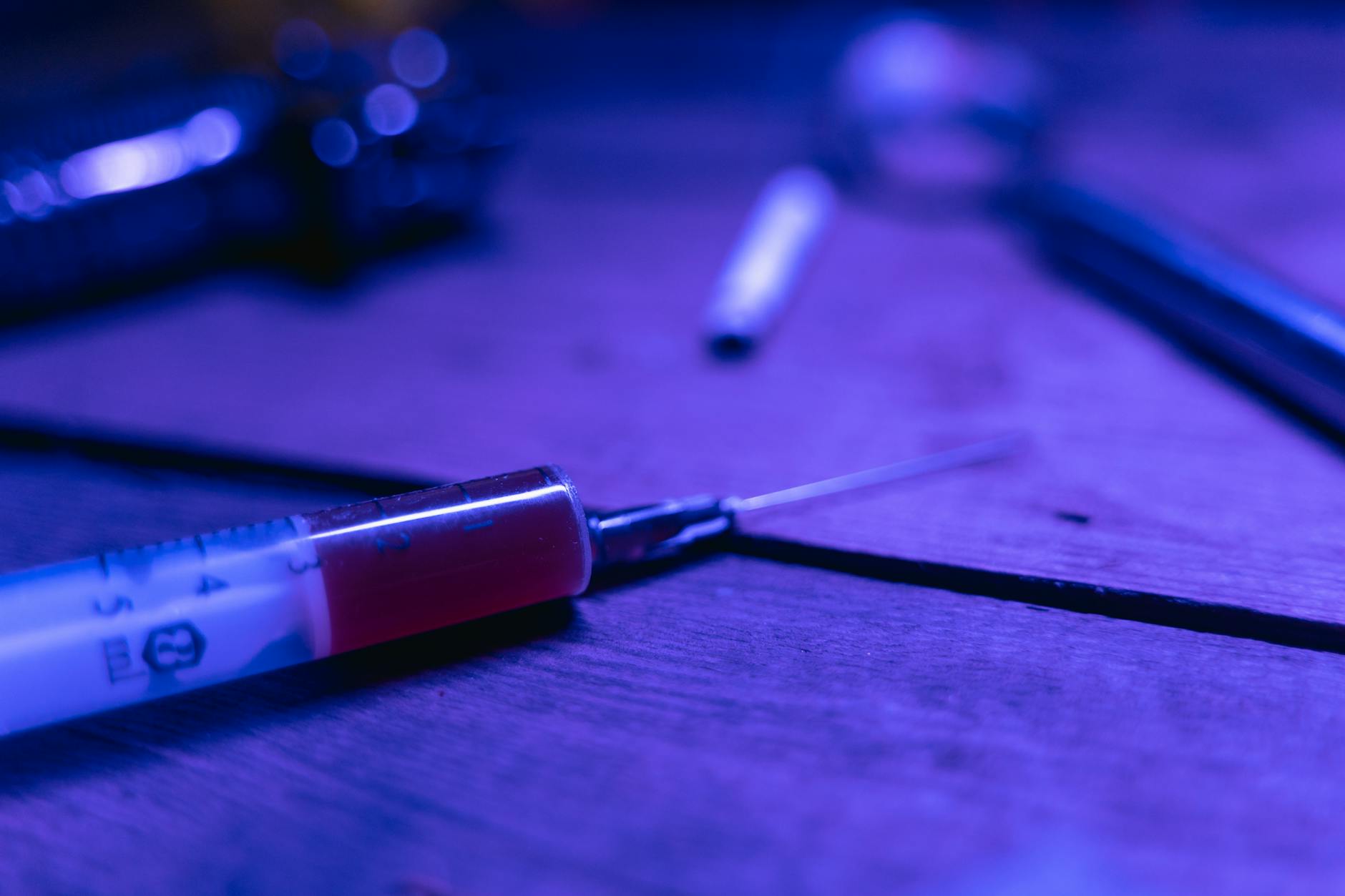
Blood Thinners and Pain Relievers — A Kitchen-Table Catastrophe
Warfarin is one of the most widely prescribed anticoagulants in the world, used to prevent strokes and blood clots. Ibuprofen, aspirin, and naproxen are among the most commonly purchased over-the-counter painkillers. The overlap is inevitable, and it is dangerous. A meta-analysis found that combining warfarin with NSAIDs increases the risk of upper gastrointestinal bleeding by 2.9 to 3.3 times compared to warfarin alone. For patients 65 and older, the risk of hemorrhagic peptic ulcer disease jumps 13-fold. The mortality rate for hospitalized patients with NSAID-related upper GI bleeding runs between 5 and 10 percent. The mechanism is straightforward but often misunderstood. Warfarin prevents blood from clotting. NSAIDs irritate the stomach lining and also interfere with platelet function, which is the body’s first line of clot formation.
Together, they create a situation where a small stomach ulcer that might have been trivial becomes a life-threatening bleed. Starting an NSAID while on warfarin increases the INR — the measure of how thin the blood is — in 39.8 percent of patients. Every single-point increase in INR raises bleeding risk by 54 percent. However, the danger is not limited to prescription warfarin. Newer direct oral anticoagulants like apixaban and rivarelbaan carry similar risks when combined with NSAIDs. And the problem extends beyond pills a doctor prescribed. Many people do not think of ibuprofen as a “real” drug because they bought it at a gas station. If you or someone you care for takes any blood thinner, the rule is simple: no NSAID without explicit clearance from the prescribing physician. Acetaminophen (Tylenol) is generally the safer alternative for pain, though it carries its own risks at high doses, particularly for the liver.
Serotonin Syndrome — When Antidepressants Turn Toxic
Serotonin syndrome is one of the most underrecognized drug emergencies in medicine. It occurs when too much serotonin accumulates in the nervous system, usually because two or more serotonin-boosting drugs are taken at the same time. An FDA analysis of its adverse event database identified 13,312 reports of serotonin syndrome, with 52 percent — 6,921 cases — involving SSRIs like sertraline, fluoxetine, or escitalopram. The most dangerous pairing is an SSRI with a monoamine oxidase inhibitor (MAOI), but it is far from the only one. SSRI combined with another antidepressant accounted for 2,395 reported cases, and SSRI paired with an opioid — particularly tramadol or fentanyl — produced 2,252 cases. The symptoms escalate fast: agitation, confusion, rapid heart rate, high blood pressure, dilated pupils, muscle twitching, and in severe cases, high fever, seizures, and death. An estimated 15 percent of SSRI overdoses lead to serotonin toxicity.
What makes this combination particularly insidious is that many patients do not realize their opioid pain medication also affects serotonin levels. A person recovering from surgery who is already on an SSRI for depression may be prescribed tramadol for pain without anyone flagging the interaction. The washout period matters here too. MAOIs require at least two weeks — sometimes longer — after discontinuation before an SSRI can be safely started, and vice versa. Switching antidepressants without adequate spacing between them has triggered serotonin syndrome even in patients under active psychiatric care. For dementia caregivers, this is especially relevant. Older adults with depression and cognitive decline are frequently on SSRIs, and their pain management needs are ongoing. Every new prescription should prompt a conversation about serotonin load.

How to Protect Yourself and Your Family From Dangerous Drug Interactions
The most effective defense is a single, comprehensive medication list — and one person or system responsible for reviewing it. This sounds obvious, but in practice it rarely happens. A 2024 study in the Journal of the American Medical Association found that medication reconciliation errors occurred in nearly one-third of hospital admissions. The fix does not require medical expertise. It requires organization. Keep a written or digital list of every medication, supplement, and over-the-counter drug taken by you or the person you care for. Include dosages and prescribing physicians.
Bring this list to every medical appointment, every emergency room visit, and every pharmacy pickup. Ask the pharmacist — not just the doctor — to review the full list for interactions. Pharmacists are specifically trained in drug-drug interactions and often catch what prescribers miss. Many pharmacy software systems flag interactions automatically, but these alerts are so frequent that they suffer from alarm fatigue — pharmacists and doctors override them routinely. The tradeoff with being cautious about drug combinations is that some patients genuinely need medications that interact. A person with severe chronic pain and debilitating anxiety may require both an opioid and a benzodiazepine, even knowing the risk. In these cases, the combination should be prescribed by the same physician or closely coordinated team, at the lowest effective doses, with clear monitoring protocols. The goal is not to avoid all risk — it is to avoid uninformed risk.
Hidden Interactions — Grapefruit, Antibiotics, and the Drugs Nobody Suspects
Not all dangerous interactions involve two prescription drugs. Some of the most common ones involve substances people do not think of as pharmacologically active. Grapefruit juice inhibits CYP3A4 enzymes in the liver and gut wall, which are responsible for breaking down many medications. For patients on certain statins — atorvastatin (Lipitor), simvastatin (Zocor), and lovastatin — this means too much of the drug remains in the bloodstream, increasing the risk of rhabdomyolysis, a severe breakdown of muscle tissue that can lead to kidney failure. The FDA has issued a consumer update specifically about this interaction. Notably, rosuvastatin (Crestor) and pravastatin are not significantly affected by grapefruit, so switching statins may be an option for patients who consume grapefruit regularly. Antibiotics present another hidden danger for patients on blood thinners. Clarithromycin and metronidazole, among others, inhibit the CYP enzymes that metabolize warfarin.
A patient stable on warfarin for months can suddenly develop dangerously thin blood within days of starting a common antibiotic for a sinus infection or dental procedure. Warfarin-antibiotic interactions are among the most frequently reported to the FDA. The warning here is specific: if you or someone you care for takes warfarin and is prescribed an antibiotic, request an INR check within three to five days of starting the antibiotic. Do not wait for the next scheduled blood draw. Beta-blockers add yet another layer of concern for patients with diabetes. These cardiovascular drugs mask the classic warning signs of hypoglycemia — tremor, rapid heartbeat, and sweating. A diabetic patient on insulin or a sulfonylurea who is also taking a beta-blocker may not realize their blood sugar has dropped to dangerous levels until they experience confusion, loss of consciousness, or seizure. For older adults with both heart disease and diabetes, this interaction demands more frequent blood sugar monitoring, not less.

Illicit Drug Combinations That Emergency Rooms See Every Day
Two illicit drug combinations deserve mention because they remain tragically common and because caregivers and families may encounter them. The combination of cocaine and heroin — known as a “speedball” — creates opposing cardiovascular effects. Cocaine is a powerful stimulant; heroin is a depressant. The heart receives contradictory signals, leading to unpredictable cardiac stress and respiratory failure.
This combination has been responsible for numerous fatal overdoses, including several high-profile deaths that brought temporary public attention to the issue. The combination of alcohol and cocaine produces a compound called cocaethylene in the liver. Cocaethylene is more cardiotoxic than either substance alone and has a plasma half-life three to five times longer than cocaine, meaning its damaging effects persist far longer than the user expects. The risk of sudden cardiac death increases significantly. For families dealing with substance use alongside cognitive decline or mental health challenges, understanding these combinations can be the difference between recognizing an emergency and missing the signs.
What the Future Holds for Drug Interaction Prevention
Pharmacogenomics — the study of how individual genetic variation affects drug metabolism — is slowly entering mainstream medicine. Genetic testing can now identify patients who are slow metabolizers of certain drugs, meaning standard doses may accumulate to toxic levels in their bodies. As these tests become more affordable and widely available, they have the potential to flag high-risk patients before a dangerous combination is ever prescribed.
Some health systems have already begun integrating pharmacogenomic data into electronic health records, automatically adjusting interaction alerts based on a patient’s genetic profile. Electronic prescribing systems are also improving their interaction-checking algorithms, moving beyond simple pair-based alerts to consider the full constellation of a patient’s medications, diagnoses, kidney function, and age. But technology alone will not solve this. The most important intervention remains human: a patient or caregiver who asks, every single time a new medication is introduced, “Does this interact with anything I am already taking?” That question, asked consistently, saves lives.
Conclusion
The ten drug combinations described here are not rare pharmacological curiosities. They are everyday realities in medicine cabinets, hospitals, and nursing homes across the country. Opioids with benzodiazepines. Blood thinners with ibuprofen. Antidepressants that amplify each other’s serotonin effects to dangerous levels. The FDA’s own data tells us that between 2004 and 2024, these interactions contributed to nearly 15,000 deaths and tens of thousands of hospitalizations. The majority were preventable.
If you take away one thing from this article, let it be this: no medication exists in isolation. Every pill interacts with every other pill, with food, with alcohol, with supplements, and with the unique biology of the person swallowing it. Keep a complete medication list. Use one pharmacy whenever possible. Ask your pharmacist to review the full list regularly. And never assume that because a drug is available over the counter, it is safe to combine with your prescriptions. The most dangerous drug interaction is the one nobody checked for.
Frequently Asked Questions
What should I do if I think I am experiencing a drug interaction?
Contact your doctor or pharmacist immediately. If you experience difficulty breathing, chest pain, confusion, or loss of consciousness, call 911. Do not stop taking prescribed medications abruptly without medical guidance, as withdrawal from some drugs can itself be dangerous.
Can my pharmacist catch dangerous drug interactions that my doctor missed?
Yes. Pharmacists are specifically trained in drug interactions and have access to comprehensive interaction-checking databases. However, they can only check what they know about. If you fill prescriptions at multiple pharmacies, no single pharmacist sees the full picture. Use one pharmacy for all medications whenever possible.
Are newer blood thinners like Eliquis and Xarelto safer to combine with NSAIDs than warfarin?
Not necessarily. While direct oral anticoagulants have some advantages over warfarin, combining them with NSAIDs still significantly increases bleeding risk. The European Society of Cardiology has noted that the risk of internal bleeding roughly doubles when patients on any anticoagulant take NSAID painkillers. Acetaminophen remains the safer alternative for pain management.
How long after stopping an MAOI can I safely start an SSRI?
Most guidelines recommend waiting at least 14 days after discontinuing an MAOI before starting an SSRI. Some MAOIs with longer half-lives may require even longer washout periods. This transition should always be managed by a psychiatrist, and the specific timing depends on which MAOI was used.
Does grapefruit juice interact with all statins?
No. Grapefruit juice primarily affects statins metabolized by CYP3A4 enzymes — atorvastatin (Lipitor), simvastatin (Zocor), and lovastatin. Rosuvastatin (Crestor) and pravastatin are not significantly affected. If you enjoy grapefruit regularly, ask your doctor whether switching to one of these alternatives makes sense.
My elderly parent sees multiple specialists. How do I prevent dangerous drug interactions?
Maintain a single, updated medication list including all prescriptions, over-the-counter drugs, and supplements. Bring it to every appointment. Ask each specialist to review it before prescribing anything new. Designate one pharmacy for all prescriptions so interaction-checking software can flag problems. Consider asking the primary care physician to serve as the central coordinator for all medications.
You Might Also Like
- Why GLP-1 Drugs Are Changing the Way Doctors Think About Obesity
- Why Dementia Patients Are Being Taken Off These Common Medications
- Why Your Pharmacist May Know More About Your Drugs Than Your Doctor
For more, see NIH MedlinePlus — dementia.




