The most effective movements for SI joint stability involve a combination of targeted core strengthening, gluteus strengthening, and flexibility work that addresses both the deep stabilizing muscles and the larger muscle groups supporting the pelvis. Specifically, bridge exercises, bird-dogs, clamshells, and side planks form the foundation of evidence-based stability training, working together to reduce excessive motion at the sacroiliac joint and alleviate the pain and instability that often develop from weakness or muscle imbalances.
Consider someone who sits at a desk most of the day: their gluteus maximus and hip stabilizers become underactive while hip flexors tighten, pulling the pelvis out of balance and stressing the SI joint—the right exercises directly counteract this pattern. This article explores the research-backed movements that rehabilitation professionals recommend, explains why each exercise matters for joint stability, and provides guidance on how to implement these exercises safely and effectively. The focus is on understanding not just what movements work, but why they work and how to progress them as your strength improves.
Table of Contents
- Which Core Exercises Build the Foundation for SI Joint Stability?
- Why Gluteus Strength Is Central to SI Joint Stability
- The Role of Stretching and Mobility in Maintaining Pelvic Alignment
- How to Progress Exercises Safely as Your Stability Improves
- Monitoring Progress and Adjusting When Pain Persists
- Recent Clinical Evidence on Multimodal Treatment
- Building a Long-Term Stability Practice
- Conclusion
Which Core Exercises Build the Foundation for SI Joint Stability?
Four core exercises consistently appear in clinical guidelines and evidence-based protocols: the bridge, bird-dog, side plank, and clamshell. Each targets different components of core stability. The bridge exercise is foundational, simultaneously engaging the core, hamstrings, glutes, and lower back—making it efficient for someone managing SI joint pain who may have limited tolerance for exercise. Bird-dogs strengthen the deep core stabilizers, particularly the multifidus and transversus abdominis, by creating controlled cross-body limb extension that challenges spinal stability without heavy loading. Side planks engage lateral core stabilizers and reduce pelvic shear forces that aggravate SI joint dysfunction.
The clamshell exercise isolates the gluteus medius and hip abductors specifically, muscles that directly stabilize the pelvis during weight-bearing activities. While less obvious than larger muscle groups, the gluteus medius is clinically recognized as critical—research shows altered gluteus maximus function in people with SI joint dysfunction, and targeted strengthening programs demonstrate measurable effectiveness in patients with positive SI joint clinical tests. This means a weakness in these smaller stabilizers can disrupt the entire kinetic chain, making them non-negotiable in any comprehensive program. However, these exercises are not all equal in progression. Someone just beginning rehabilitation might start with modified versions—bridges with support, bird-dogs from the knees, or shorter plank holds—before advancing to more challenging variations. Jumping directly into advanced versions often leads to compensation patterns (such as overusing the lower back instead of the core), which can actually worsen SI joint pain rather than resolve it.
Why Gluteus Strength Is Central to SI Joint Stability
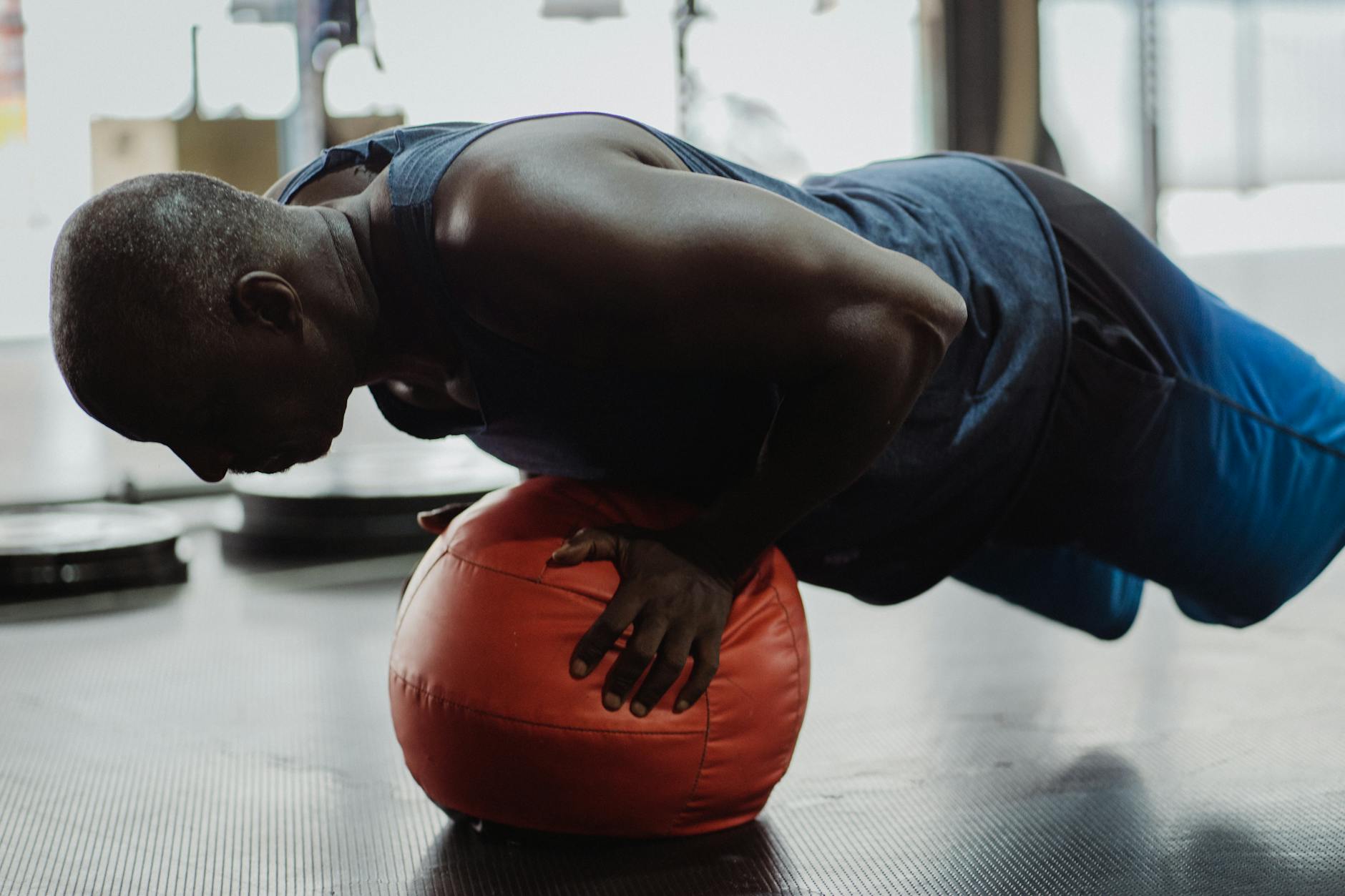
The gluteus maximus is far more than a cosmetic muscle—it is a primary force in pelvis stability and lower limb control. When the gluteus maximus is underactive or poorly coordinated, the load distribution across the SI joint becomes uneven, causing excessive stress on the joint ligaments and cartilage. This is why clinical consensus increasingly emphasizes gluteus strengthening as a core component of SI joint rehabilitation, not an optional add-on. Direct gluteus maximus strengthening can be achieved through variations of hip extension movements: step-ups, single-leg bridges, Romanian deadlifts (with proper form), and controlled lunges.
A person with SI joint pain might begin with double-leg bridges to establish the movement pattern, then progress to single-leg bridges once the foundational strength develops. The progression matters because rushing strengthening before proper movement quality is established can reinforce faulty patterns. However, gluteus strength alone is insufficient without addressing flexibility restrictions that often pull the pelvis out of alignment. If hip flexors are tight from prolonged sitting, they pull the pelvis forward into anterior tilt, which can override the stabilizing effect of even well-developed glute strength. This is where flexibility work becomes not optional but necessary—the two must work together.
The Role of Stretching and Mobility in Maintaining Pelvic Alignment
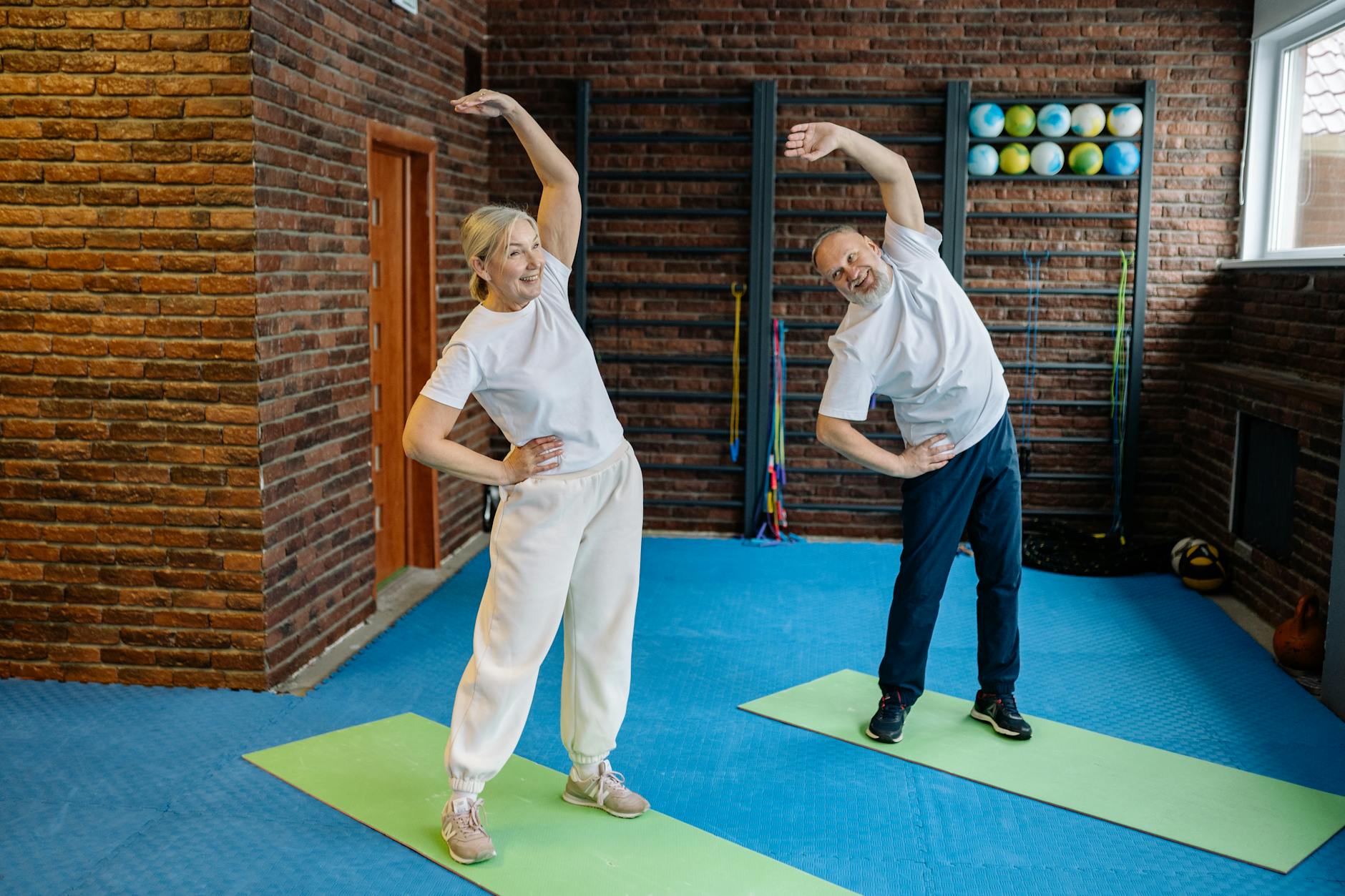
Flexibility work focuses on lengthening muscles that commonly pull on the pelvis and sacrum: the piriformis, hamstrings, hip flexors, and lower back muscles. A tight piriformis can trigger SI joint dysfunction by pulling the sacrum into misalignment; a shortened hip flexor pulls the pelvis into anterior tilt, changing how loads distribute across the SI joint during standing and walking. These aren’t minor issues—they’re fundamental mechanical problems that exercise alone cannot fix. Pelvic tilts, performed as both active exercises (tilting the pelvis under control) and as stretching counterpositions, help restore neutral spine positioning. Hamstring stretches, especially when performed with proper positioning to avoid overloading the SI joint, prevent the posterior chain from pulling the sacrum downward.
Hip flexor stretches, typically using a half-kneeling or lunge position, lengthen tight iliopsoas and rectus femoris that drive anterior pelvic tilt. The timing and frequency of these stretches matters—they should be performed regularly, often daily, rather than sporadically, to maintain the mobility gains. One limitation: stretching is temporary. A single stretching session creates short-term flexibility that may last hours but returns to baseline without consistent practice. Someone recovering from SI joint dysfunction should expect to incorporate stretching indefinitely, not as a short-term fix but as an ongoing mobility maintenance routine. Skipping stretching once pain resolves is a common reason for recurrence.
How to Progress Exercises Safely as Your Stability Improves
The standard clinical progression follows a logical sequence: begin with bilateral (two-sided) exercises in stable positions, advance to single-leg or asymmetrical positions, then add dynamic movement or unstable surfaces. For bridges, this means starting with both feet on the floor, progressing to single-leg bridges, then potentially adding upper-body movement or performing bridges on a slightly unstable surface. For bird-dogs, progression moves from slow, controlled movements to faster tempos, or from floor positions to quadruped (hands-and-knees) positions. This progression is not arbitrary—it reflects the body’s ability to integrate stability demands.
Unstable surfaces (such as foam pads or stability balls) increase the difficulty by forcing deeper core engagement, but introducing them too early overloads the system and may trigger pain, creating reluctance to exercise. A realistic timeline shows that most patients notice symptom improvement within the first several physical therapy visits, but substantial strength gains and functional improvements appear at the 12-week mark. This means six weeks of consistent work typically shows measurable change, but full adaptation requires three months or longer. A practical example: a person with SI joint pain might spend weeks doing stationary bridges and bird-dogs from the knees, then advance to single-leg bridges and full bird-dogs over the next 4–6 weeks, then add dynamic variations or instability challenges in weeks 8–12. Rushing this progression—attempting advanced versions before foundational strength is established—is counterproductive and often reignites pain that was just beginning to resolve.
Monitoring Progress and Adjusting When Pain Persists
Not everyone follows the expected timeline. Clinical guidelines acknowledge that if no adequate improvement occurs within six months of consistent rehabilitation, additional evaluation becomes necessary to rule out other contributing factors—such as hip joint arthritis, lumbar spine involvement, or missed hip muscle imbalances. This doesn’t mean the exercises are wrong; it means the full picture of the problem may be incomplete. Pain behavior during exercise provides useful feedback. Immediate sharp pain or increased symptoms during or immediately after exercise suggests the activity is too aggressive or performed with poor form.
Delayed soreness (appearing 24–48 hours later) is more typical and manageable, especially in the early phases of a new exercise program. However, if pain worsens progressively over weeks despite following a sensible progression, continuing the same program without modification is counterproductive. This is when professional reassessment becomes valuable. One practical adjustment: sometimes SI joint pain stems partially from referred pain patterns or muscle guarding in the hip or lower back. In these cases, successful treatment requires addressing not just the SI joint but the entire pelvic girdle complex. A comprehensive program might include massage or soft tissue work, manipulation in addition to exercise, and movement re-education—not just exercise in isolation.
Recent Clinical Evidence on Multimodal Treatment
Recent research, including a 2024 randomized controlled trial, demonstrates that combining Mulligan Mobilization with Movement (MWM) techniques alongside core stability exercises produces significantly greater reductions in pain and disability compared to core exercises alone. This finding reinforces that SI joint dysfunction rarely benefits from a single-intervention approach. Instead, conservative treatment combining patient education, pelvic girdle stabilization exercises, stretching, and manipulative therapy (when appropriate) produces the best outcomes.
What this means practically: a comprehensive SI joint stability program might include the exercise progressions described above, plus regular flexibility work, and periodic manual therapy or mobilization from a qualified practitioner. Education about posture, movement patterns during daily activities, and activity modification also contributes meaningfully to outcomes. Someone might learn, for instance, that certain movements—such as climbing stairs with poor form or twisting while bending—aggravate their SI joint; avoiding these patterns while exercises build stability prevents aggravation and allows healing to progress.
Building a Long-Term Stability Practice
SI joint stability is not a problem that resolves with an eight-week exercise program and then disappears forever. The underlying weakness or coordination issues that contributed to the dysfunction often persist, meaning maintenance exercise is necessary long-term. This doesn’t require the same intensity as initial rehabilitation—many people maintain SI joint health with 2–3 focused sessions per week of core and gluteal work, combined with ongoing flexibility maintenance.
The encouraging outlook is that once proper movement patterns are established and strength improves, many people experience substantial symptom relief and return to activities they previously avoided. The timeline and success depend on consistency, proper progression, and willingness to maintain exercises even after pain resolves. Someone who recovers from SI joint pain and then abandons all stabilization work will likely experience recurrence; someone who maintains foundational stability exercises typically stays pain-free and functional.
Conclusion
The most effective movements for SI joint stability are bridge exercises, clamshells, bird-dogs, and side planks—supplemented by targeted gluteus maximus strengthening and regular flexibility work addressing the piriformis, hamstrings, and hip flexors. These exercises work together to restore proper pelvic mechanics, reduce excessive motion at the joint, and interrupt the pain cycle that perpetuates dysfunction. Evidence shows that consistent practice produces noticeable improvements within weeks and substantial functional gains by the twelve-week mark.
Your next step should be beginning a program with foundational versions of these exercises, performed with proper form, and progressing gradually as strength develops. If pain persists beyond six months of diligent rehabilitation, additional evaluation is warranted. For most people, a well-designed exercise program combined with stretching and professional guidance produces meaningful improvement and provides a foundation for long-term SI joint health.