
Saving opioid sits at the center of this dementia and brain health question.
Naloxone — sold under the brand name Narcan — is now available over the counter at pharmacies, grocery stores, and even gas stations across the United States, no prescription required. The FDA approved the 4 mg nasal spray for nonprescription sale in March 2023, and by September of that year, it was on shelves at CVS, Walgreens, Walmart, and countless other retailers. For families caring for someone with dementia who may also be managing chronic pain with opioid medications, or for anyone who wants to be prepared to save a life, this is a significant development worth understanding.
This matters more than many people realize. The CDC found that in over 40 percent of opioid overdose deaths, a bystander was present — meaning an estimated 19,000 lives could have been saved if someone nearby had naloxone and knew how to use it. The drug is simple to administer as a nasal spray, requires no medical training, and works within minutes. In this article, we will walk through how naloxone works, what it costs, who should consider keeping it on hand, how overdose trends are shifting, and why this issue is particularly relevant for dementia caregivers navigating complex medication regimens.
Table of Contents
- How Does Naloxone Save Opioid Overdose Victims, and Why Is It Now Available Without a Prescription?
- What Does Over-the-Counter Narcan Cost, and Are There Affordable Options?
- The Overdose Crisis by the Numbers — A Cautious Decline
- Why Dementia Caregivers Should Know About Naloxone
- Limitations and Misconceptions About Naloxone You Should Understand
- How to Administer Naloxone — It Is Simpler Than You Think
- Where the Naloxone Access Movement Goes From Here
- Conclusion
- Frequently Asked Questions
How Does Naloxone Save Opioid Overdose Victims, and Why Is It Now Available Without a Prescription?
Naloxone is an opioid antagonist, which means it binds to the same receptors in the brain that opioids target, effectively displacing the drugs and rapidly reversing their life-threatening effects. When someone stops breathing due to an opioid overdose, a dose of naloxone sprayed into one nostril can restore normal respiration within minutes. The FDA’s decision to approve it for over-the-counter sale removed one of the biggest barriers to access — the need for a doctor’s prescription — and placed it alongside everyday medications like ibuprofen and allergy pills. Before the OTC approval, getting naloxone often meant visiting a doctor, going to a harm reduction center, or relying on state-specific standing orders that allowed pharmacists to dispense it without an individual prescription. Those pathways still exist, but they created friction. Someone worried about a family member didn’t always know the process.
Now, a person can walk into a pharmacy and buy it the same way they would buy cold medicine. A second OTC naloxone product, RiVive — a 3 mg nasal spray developed by the nonprofit Harm Reduction Therapeutics — received FDA approval on July 28, 2023, giving consumers a lower-cost alternative. It is important to understand one critical limitation: naloxone only works on opioid overdoses. It will not reverse an overdose caused by benzodiazepines, alcohol, stimulants, or other non-opioid substances. If you are unsure what caused an overdose, administering naloxone is still recommended because it will not cause harm to someone who has not taken opioids, but calling 911 remains essential regardless. The effects of naloxone are temporary, lasting only 30 to 90 minutes, and the opioid in the person’s system may outlast the medication.

What Does Over-the-Counter Narcan Cost, and Are There Affordable Options?
The suggested retail price for Narcan is $44.99 for a two-dose box, though actual prices at independent pharmacies sometimes run higher. For a medication that could sit in a medicine cabinet for months before ever being needed — if it is needed at all — that price tag gives some families pause. RiVive offers a somewhat cheaper option at $36 for a two-dose box, and its manufacturer has committed to providing at least 200,000 free doses to underserved communities, with inventory fully stocked for 2026. One of the more promising developments on the affordability front comes from California. The state’s CalRx program now offers generic OTC naloxone at just $19 per twin-pack. Between May and September 2024, the program saved the state over $2.6 million and enabled the purchase of more than 108,000 additional units that would not have been affordable at full retail price.
For states and municipalities looking to distribute naloxone widely through public health programs, that kind of cost difference is the margin between thousands of kits sitting in a warehouse and thousands of kits in people’s hands. However, if you rely on insurance or Medicare Part D to cover medications, the picture gets muddier. Some insurance plans covered prescription naloxone but may not cover the OTC version automatically. Medicaid coverage varies by state. For older adults on fixed incomes — particularly those managing dementia care expenses that can easily run into thousands of dollars per month — even $45 is not trivial. It is worth checking with your pharmacist about whether any discount programs or community distribution efforts are available in your area.
The Overdose Crisis by the Numbers — A Cautious Decline
The raw statistics tell a story of modest but real progress. In 2023, approximately 105,007 people died from drug overdoses in the United States, with about 79,358 of those deaths involving opioids. By 2024, total overdose deaths had dropped to 79,384 — a roughly 24 percent decline — and opioid-involved deaths fell to around 54,045. Preliminary data for the 12 months ending September 2025 projects approximately 72,108 deaths, an additional 19 percent decline year over year. Researchers cite several factors driving this trend: wider naloxone distribution, the growing use of fentanyl test strips, and expanded access to medication-assisted treatment programs such as those offering buprenorphine and methadone.
A study from new York State found that naloxone saved more than 6,500 lives over a two-year period from April 2023 to March 2025, representing over 204,000 years of life saved. The return on investment was staggering — $3,219 for every $1 spent on the program. But as of early 2026, experts are sounding alarms that the decline is plateauing. As one STAT News editorial put it, the United States “must not learn to live with 72,000 overdose deaths a year.” That number still dwarfs the annual death toll from car accidents. The American Medical Association has stated plainly that “if it weren’t for naloxone, there’d be tens of thousands of more Americans dying from opioid overdose.” Progress is real, but the emergency is far from over.

Why Dementia Caregivers Should Know About Naloxone
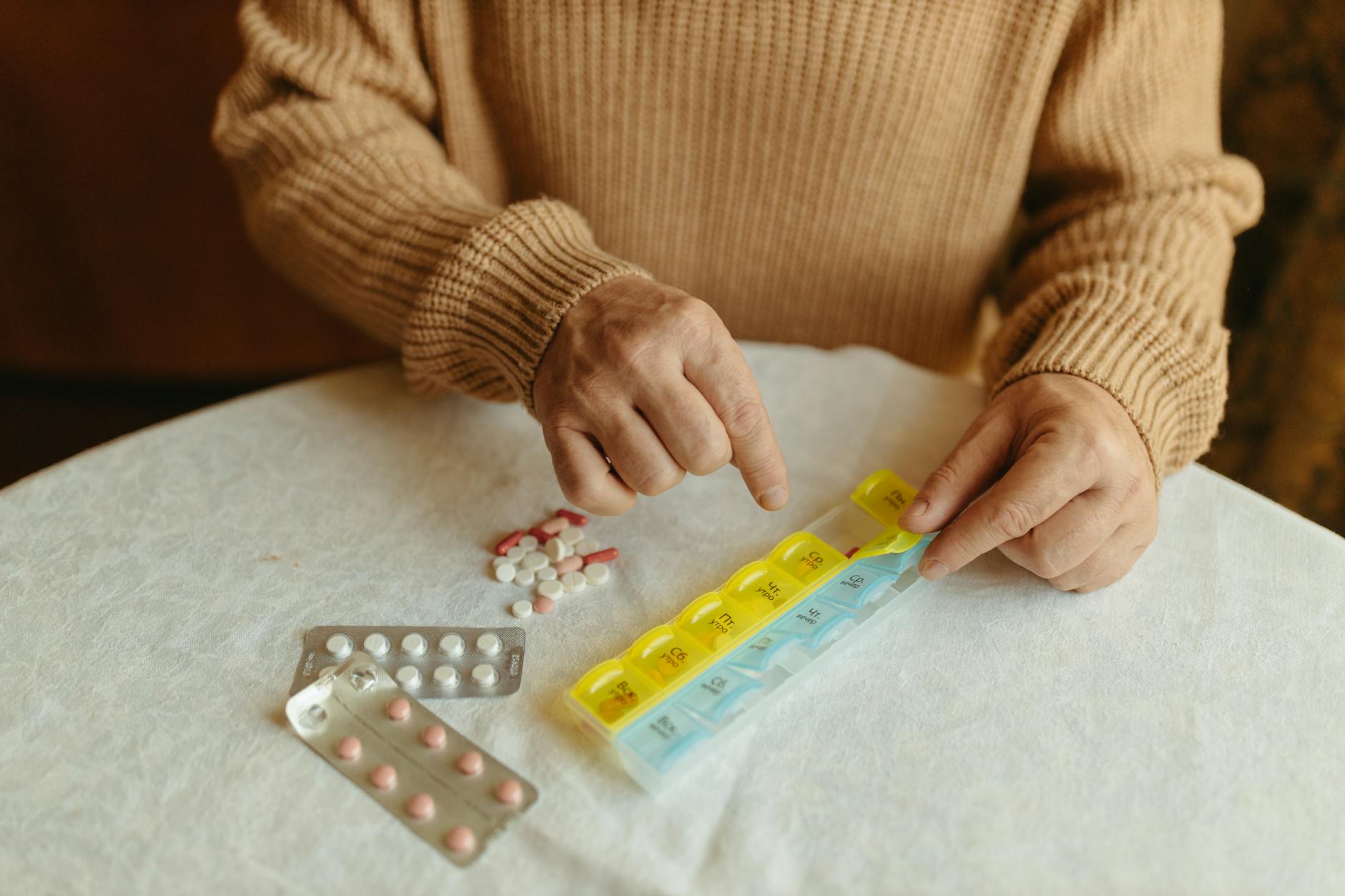
This might seem like an unlikely topic for a brain health website, but the intersection of dementia care and opioid risk is more common than most people assume. Many older adults with dementia also live with chronic pain conditions — arthritis, neuropathy, back injuries, post-surgical pain — and some are prescribed opioid medications to manage that pain. Cognitive decline can make it harder for a person to remember whether they already took a dose, increasing the risk of accidental double-dosing. The risk is compounded when multiple caregivers are involved. A spouse gives a dose in the morning. An afternoon aide gives another, not realizing the first was already administered.
A confused patient takes a pill from an old bottle found in a drawer. These are not hypothetical scenarios — they are the kinds of medication errors that geriatric care teams see regularly. Having naloxone in the home does not mean you expect the worst; it means you are prepared for the kind of accident that a complex care situation can produce. There is also a broader household consideration. Opioid medications prescribed for the person with dementia may be accessible to other family members, visitors, or even grandchildren. The presence of opioids in a home is itself a risk factor, and naloxone is a reasonable precaution for any household where these medications are stored, regardless of who they were prescribed for.
Limitations and Misconceptions About Naloxone You Should Understand
One of the most persistent misconceptions is that naloxone encourages opioid use — that having a “safety net” makes people more likely to misuse drugs. Multiple studies have found no evidence to support this claim. Naloxone does not produce a high. It does not make opioid use safer in any ongoing sense. What it does is buy time — usually 30 to 90 minutes — during which emergency medical care can take over. It is a fire extinguisher, not a fireproofing system. Another limitation that caregivers should understand: naloxone can precipitate acute withdrawal symptoms in someone who is physically dependent on opioids.
For a person with dementia who has been taking opioid pain medication as prescribed, a dose of naloxone will not only reverse the overdose but may also cause sudden and intense withdrawal — nausea, vomiting, agitation, rapid heartbeat, and confusion. In someone already cognitively impaired, this can be extremely disorienting and frightening. This does not mean you should hesitate to administer naloxone during a genuine overdose — the alternative is death. But it does mean that calling 911 immediately is not optional. The person will need professional medical monitoring as the naloxone wears off and the opioid’s effects potentially return. Finally, naloxone has a shelf life. A box purchased today and tucked into a medicine cabinet will expire, typically within 18 to 24 months. If you buy it, check the expiration date periodically and replace it when needed, just as you would with an EpiPen or other emergency medication.
How to Administer Naloxone — It Is Simpler Than You Think
The nasal spray form of naloxone was specifically designed to be used by ordinary people with no medical training. You peel back the packaging, insert the nozzle into one nostril, and press the plunger. That is it. If the person does not respond within two to three minutes, a second dose can be administered in the other nostril.
While you wait for the medication to take effect, place the person on their side in the recovery position to prevent choking, and call 911 if you have not already. Nearly 2 million naloxone prescriptions were dispensed in 2024 according to AMA data, which means millions of Americans already have this medication somewhere in their homes. The OTC transition should push that number considerably higher. Many community organizations, libraries, and local health departments also offer free training sessions — sometimes just 15 or 20 minutes — that walk people through the process. For dementia caregivers who are already managing complex daily routines, adding this small piece of knowledge could make a profound difference in an emergency.
Where the Naloxone Access Movement Goes From Here
The trajectory is encouraging but incomplete. Efforts like California’s CalRx program show what is possible when states take an active role in reducing costs and increasing supply. Harm Reduction Therapeutics has committed to keeping RiVive inventory fully stocked through 2026 and distributing hundreds of thousands of free doses to communities that need them most.
Meanwhile, policymakers and public health advocates continue to push for naloxone to be included in standard first aid kits alongside bandages and aspirin. The question going forward is whether the declining overdose numbers will breed complacency. Seventy-two thousand deaths per year is not a victory — it is a less catastrophic version of the same crisis. For families dealing with dementia, chronic pain management, and the quiet daily risks of polypharmacy, knowing that naloxone exists, where to get it, and how to use it is one small but meaningful layer of protection in an already demanding caregiving landscape.
Conclusion
Naloxone’s transition to over-the-counter availability represents one of the most significant public health moves in recent years. At $19 to $45 for a two-dose box — depending on brand and source — it is an affordable emergency tool that requires no prescription, no medical training, and no special storage. For dementia caregivers managing opioid medications in the home, it belongs alongside other emergency preparedness basics. The New York State data showing $3,219 returned for every $1 invested in naloxone distribution tells us everything we need to know about the cost of inaction. If someone you care for takes opioid medication — or if opioids are simply present in your household — consider purchasing a box of Narcan or RiVive and familiarizing yourself with its use.
Talk to your pharmacist. Check whether your state or local health department offers free or discounted doses. And remember that naloxone is a bridge to emergency care, not a substitute for it. Always call 911. The 30 to 90 minutes it buys may be the most important minutes of someone’s life.
Frequently Asked Questions
Can I buy Narcan without a prescription?
Yes. Since September 2023, Narcan (4 mg naloxone nasal spray) has been available over the counter at major pharmacies, grocery stores, convenience stores, and online. No prescription, no ID, and no age restriction are required in most states.
What is the difference between Narcan and RiVive?
Both are OTC naloxone nasal sprays that reverse opioid overdoses. Narcan contains 4 mg of naloxone and costs about $44.99 for two doses. RiVive contains 3 mg and costs $36 for two doses. RiVive was developed by the nonprofit Harm Reduction Therapeutics, which also distributes free doses to underserved communities.
Will naloxone work if the overdose is not from opioids?
No. Naloxone only reverses opioid overdoses. It will not help with overdoses from benzodiazepines, alcohol, cocaine, or methamphetamine. However, administering it to someone who has not taken opioids will not cause harm, so if you are unsure of the substance involved, it is still worth using while waiting for emergency responders.
Is naloxone safe to use on elderly people with dementia?
Naloxone is generally safe, but it can trigger sudden opioid withdrawal symptoms — including confusion, agitation, nausea, and rapid heartbeat — which can be especially distressing for someone with cognitive impairment. Despite these risks, administering naloxone during a genuine overdose is always the right decision because the alternative is potentially fatal respiratory failure. Always call 911 immediately.
How long does naloxone last?
The effects of naloxone typically last 30 to 90 minutes. Because many opioids remain active in the body longer than that, overdose symptoms can return after the naloxone wears off. This is why calling 911 and staying with the person until paramedics arrive is critical.
Does naloxone expire?
Yes. Naloxone nasal spray generally has a shelf life of 18 to 24 months. Check the expiration date on the box periodically and replace it before it expires, just as you would with an EpiPen or other emergency medication.
You Might Also Like
- Why Doctors Are Now Cautious About This Prostate Drug
- The Pediatric Drug Recall That’s Affecting Millions of Parents Right Now
- The Allergy Drug Pediatricians Now Refuse to Prescribe for Young Kids
For more, see Alzheimer’s Association — caregiving.




