The Drug Given to Premature Babies’ Lungs That Saves Thousands of Lives

The drug is pulmonary surfactant, a soap-like substance administered directly into the lungs of premature babies who cannot yet produce enough of it on...

The drug is pulmonary surfactant, a soap-like substance administered directly into the lungs of premature babies who cannot yet produce enough of it on their own. Since its introduction into clinical practice in the early 1990s, surfactant replacement therapy has cut mortality from Respiratory Distress Syndrome by approximately 50 percent and pushed survival rates for extremely premature infants weighing under 1,500 grams from roughly 5 percent in the 1960s to upwards of 90 percent today. Few medical interventions in the past half-century can claim such a dramatic reversal of fortune for such vulnerable patients.

For readers of a brain health and dementia care site, the relevance runs deeper than it might first appear. Premature birth and the oxygen deprivation that accompanies severe lung failure are well-established risk factors for neurodevelopmental injury. Every premature infant whose lungs are stabilized by surfactant is an infant whose developing brain is spared prolonged hypoxia — the kind of insult that can set the stage for cognitive difficulties years or even decades later. This article traces the science behind surfactant, the researchers who discovered its role, the FDA-approved drugs now in use, the global gaps in access that still cost lives, and the newer developments in 2025 and 2026 that are pushing neonatal care further forward.

Table of Contents

What Is the Drug Given to Premature Babies’ Lungs, and How Does It Save Lives?

Pulmonary surfactant is composed of roughly 80 percent phospholipids, 5 to 10 percent cholesterol, and about 10 percent surfactant-associated proteins. In a healthy, full-term newborn, this mixture coats the alveoli — the tiny air sacs where oxygen crosses into the bloodstream — and reduces surface tension so the lungs don’t collapse each time the baby exhales. Premature babies born before 32 weeks of gestation simply haven’t had enough time to produce adequate surfactant, which is why they develop Respiratory Distress Syndrome at staggering rates. At 24 weeks gestation, the incidence of RDS is 98 percent. By 34 weeks, it drops to 5 percent. By 37 weeks, it falls below 1 percent. RDS affects about 1 percent of all newborns overall, which translates to roughly 24,000 infants born each year in the United States alone, with approximately 860 deaths annually. What makes surfactant replacement therapy so remarkable is its directness: the drug is delivered straight into the baby’s airway, where it immediately begins doing the job the infant’s own lungs cannot yet manage.

The effect is often visible within minutes on a ventilator readout — oxygen requirements drop, lung compliance improves, and the infant stabilizes. It is not a cure in the traditional sense. It is a bridge, buying the baby’s lungs the time they need to mature and begin producing surfactant on their own. However, surfactant therapy is not without limitations. It does not work equally well for every infant, and some babies require multiple doses. Extremely premature infants may develop bronchopulmonary dysplasia even after successful surfactant administration, and the therapy addresses only the surfactant deficiency — not the dozens of other complications that accompany extreme prematurity, from intraventricular hemorrhage to necrotizing enterocolitis. The drug saves lungs. It does not, by itself, save everything.
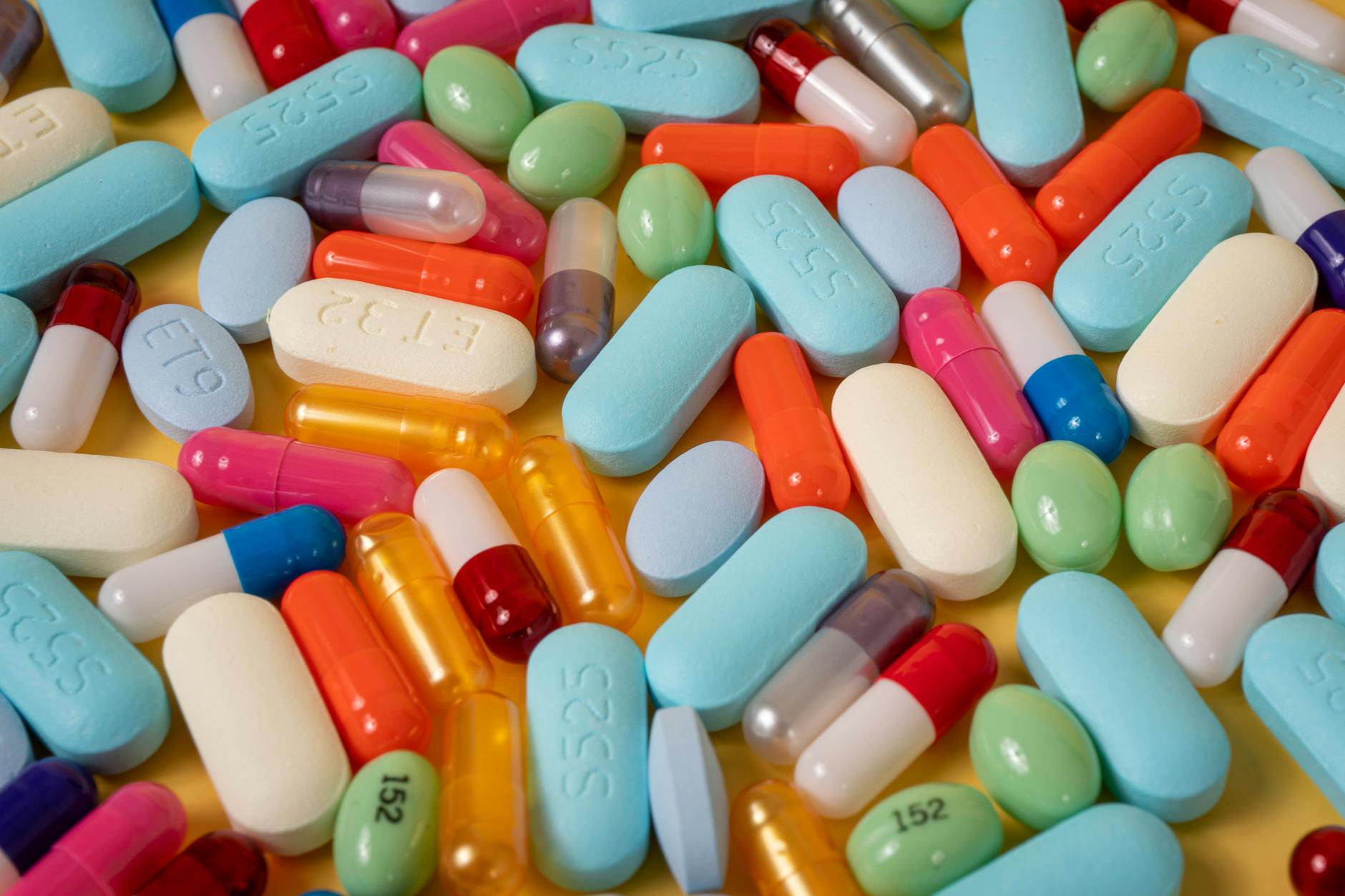
What Is the Drug Given to Premature Babies' Lungs, and How Does It Save Lives?

The Groundbreaking Discovery That Changed Neonatal Medicine Forever

The story of surfactant therapy begins in 1959 at Harvard medical School, where Dr. Mary Ellen Avery and Dr. Jere Mead published a finding that would eventually reshape neonatal intensive care worldwide. They demonstrated that premature infants who died of what was then called “hyaline membrane disease” were deficient in lung surfactant. By comparing lung extracts from affected infants with those from healthy ones, they found markedly higher surface tension in the diseased lungs. The implication was clear: these babies were not dying from infection or structural defects. They were dying because their lungs lacked a specific chemical substance.

Their research built on earlier work by Von Neergaard and Pattle, who had identified surface-tension-reducing activity in mammalian alveoli, but Avery and Mead made the crucial clinical connection. What followed, however, was a frustratingly long gap. Between 1968 and 1980, no clinical trials of surfactant replacement were conducted in human infants, even as extensive animal studies accumulated evidence that the approach could work. The medical community was cautious, and the technology for delivering a lipid-protein mixture into a premature infant’s fragile airways had not yet caught up to the science. The breakthrough came in 1980, when Dr. Tetsuro Fujiwara at Akita University in Japan conducted the first successful clinical trial of surfactant replacement in 10 preterm infants, published in The Lancet. His formulation — a modified bovine lung extract called Surfactant-TA, later branded as Surfacten — was created through organic solvent extraction supplemented with palmitic acid. Fujiwara’s trial proved the concept was viable in human newborns and set in motion the series of larger trials that would lead to FDA approval a decade later.


RDS Incidence by Gestational Age at Birth24 Weeks98%28 Weeks50%30 Weeks25%34 Weeks5%37 Weeks1%Source: StatPearls – Neonatal Respiratory Distress Syndrome

FDA-Approved Surfactant Drugs and How They Compare

Today, several surfactant preparations have received FDA approval, each derived from different sources and carrying slightly different clinical profiles. Beractant, marketed as Survanta, was approved in July 1991 as a modified minced bovine lung extract and became one of the earliest commercially available options. Calfactant, sold as Infasurf, followed in July 1998, derived from calf lung lavage extract. Poractant alfa, known by its brand name Curosurf, gained approval in November 1999 and is a minced porcine lung extract. The first protein-containing synthetic surfactant, lucinactant or Surfaxin, was approved in March 2012. An older synthetic product, colfosceril palmitate marketed as Exosurf, is no longer on the market. Of these, Curosurf (poractant alfa) has become the most widely used surfactant in the world. Clinical evidence supports an initial FDA-Approved Surfactant Drugs and How They Compare

Why Brain Health Depends on What Happens in the First Hours of Life

The connection between neonatal lung function and long-term brain health is not incidental. When a premature infant develops severe RDS and cannot adequately oxygenate, the brain is among the first organs to suffer. Prolonged hypoxia in the neonatal period is a known risk factor for periventricular leukomalacia, a type of white matter brain injury that can lead to cerebral palsy, cognitive impairment, and behavioral difficulties later in life. Intraventricular hemorrhage, another devastating complication of prematurity, is more likely when an infant is critically unstable — precisely the scenario that surfactant therapy helps prevent. Studies following cohorts of extremely premature infants into adulthood have documented higher rates of executive function deficits, attention difficulties, and lower academic achievement compared to their full-term peers. These outcomes are worse in infants who experienced prolonged periods of respiratory instability.

By stabilizing lung function early, surfactant therapy doesn’t just prevent death — it reduces the duration and severity of the physiological chaos that threatens the developing brain. This is a tradeoff worth understanding: surfactant cannot prevent all neurological consequences of extreme prematurity, but the evidence strongly suggests that rapid respiratory stabilization improves neurodevelopmental trajectories. For caregivers and families already navigating the world of cognitive health — whether caring for an aging parent with dementia or raising a child with developmental concerns — the surfactant story offers an important lesson. Early intervention matters enormously. The same principle that makes surfactant therapy so effective in the first hours of life — addressing the root physiological problem before cascading damage occurs — applies across the lifespan of brain health. Prevention, when possible, beats treatment every time.

The Global Access Gap That Still Costs Thousands of Lives

Despite its proven efficacy and decades of availability in high-income countries, surfactant therapy remains out of reach for many premature babies born in low- and middle-income countries. In these settings, RDS contributes approximately 45 percent of case-fatality due to prematurity — a figure that reflects not just the absence of surfactant but also the lack of ventilators, trained neonatologists, and functioning cold-chain storage that animal-derived surfactants require. A baby born at 28 weeks in a well-equipped NICU in Boston or Berlin has radically different survival odds than one born at the same gestational age in rural sub-Saharan Africa or South Asia. There is no global consensus on standard practices for surfactant administration, even among high-income countries. Protocols differ on when to administer surfactant (prophylactically versus as rescue therapy), what dose to use, and whether to use the INSURE method (intubation, surfactant, extubation) or the newer LISA technique.

This lack of standardization means that outcomes vary not just between rich and poor nations but between hospitals within the same country. A premature infant’s chances of survival can depend heavily on which NICU door they enter. The cost of animal-derived surfactants — often hundreds of dollars per dose — is prohibitive in many parts of the world. This economic barrier is one reason why the development of new synthetic surfactants containing SP-B and SP-C analogs is so significant. If a synthetic formulation can match the efficacy of animal-derived products at a fraction of the cost, and without the cold-chain requirements, it could reshape neonatal survival statistics in the countries where prematurity kills most aggressively.

The Global Access Gap That Still Costs Thousands of Lives

New Delivery Methods Are Making Surfactant Safer to Administer

One of the most significant recent advances in surfactant therapy is the shift toward Less Invasive Surfactant Administration, known as LISA. Traditional surfactant delivery required intubating the infant — inserting a breathing tube into the trachea — which itself carries risks including airway trauma, hemodynamic instability, and the need for mechanical ventilation. LISA uses a thin catheter threaded through the vocal cords to deliver surfactant while the infant continues breathing spontaneously, often supported only by continuous positive airway pressure through nasal prongs. Multiple randomized clinical trials are currently underway to further refine this approach and establish its superiority over traditional methods.

The practical advantage is substantial. Intubation is a skilled procedure that requires experienced personnel and can be difficult to perform on the smallest, most fragile infants. By reducing the need for intubation, LISA potentially broadens the range of clinical settings where surfactant can be safely administered. Quantitative lung ultrasound is also increasingly being used to guide the timing of surfactant administration and re-treatment decisions, replacing the older reliance on chest X-rays and blood gas measurements alone.

What the Next Generation of Surfactant Research Could Mean

The frontier of surfactant science in 2025 and 2026 extends well beyond simply replacing what premature lungs lack. A 2025 meta-analysis found that combining budesonide with surfactant reduced bronchopulmonary dysplasia — the chronic lung disease that remains the most stubborn long-term respiratory complication of prematurity — by nearly one-third compared to surfactant alone. This combination exploits surfactant as a delivery vehicle, carrying the anti-inflammatory steroid directly to the lung tissue where it is needed most while minimizing systemic exposure.

Meanwhile, zelpultide alfa, a recombinant human surfactant protein D, has entered a Phase 1b randomized, multicenter trial for preterm neonates at high risk of BPD. A 2026 review in the European Journal of Pediatrics summarized advances in surfactant composition and the clinical roles of surfactant proteins SP-A, SP-B, SP-C, and SP-D, suggesting that the next generation of synthetic surfactants may more closely replicate the full complexity of natural surfactant rather than relying on one or two components. If these approaches succeed, the story of surfactant therapy will extend from saving lives in the delivery room to preventing the chronic lung and brain injuries that have long been considered the unavoidable cost of surviving extreme prematurity.

Conclusion

Pulmonary surfactant therapy stands as one of modern medicine’s most clear-cut success stories. From Mary Ellen Avery’s 1959 discovery of surfactant deficiency in premature lungs, through Tetsuro Fujiwara’s first successful clinical trial in 1980, to the multiple FDA-approved products now used in NICUs around the world, this intervention has transformed RDS from a leading killer of newborns into a largely manageable condition — at least in countries with access to neonatal intensive care. The 50 percent reduction in RDS mortality and the leap in survival for the smallest premature infants from 5 percent to over 90 percent represent one of the steepest improvements in outcomes in the history of pediatric medicine. For those of us concerned with brain health across the lifespan, surfactant therapy is a powerful reminder that protecting the brain often means protecting something else first.

The lungs that fail in the first hours of a premature infant’s life can set in motion a cascade of neurological injury that echoes for decades. Every advance in surfactant science — from LISA delivery methods to budesonide combinations to new synthetic formulations — is not only a respiratory intervention but a neurological one. And the global access gap, which still leaves millions of premature infants without this life-saving treatment, is not just a failure of neonatal care. It is a failure that reverberates through the cognitive potential of entire populations.

Frequently Asked Questions

What exactly is pulmonary surfactant, and why do premature babies lack it?

Pulmonary surfactant is a mixture of approximately 80 percent phospholipids, 5 to 10 percent cholesterol, and about 10 percent surfactant-associated proteins that coats the air sacs in the lungs and prevents them from collapsing. Babies born before 32 weeks of gestation have not had enough developmental time to produce sufficient surfactant, which is why RDS incidence is 98 percent at 24 weeks but less than 1 percent at 37 weeks.

How is surfactant administered to a premature baby?

Traditionally, surfactant is delivered through an endotracheal tube after the infant is intubated. However, newer Less Invasive Surfactant Administration (LISA) methods use a thin catheter to deliver the drug while the baby continues breathing on their own, avoiding the risks of full intubation and mechanical ventilation.

Which surfactant drug is most commonly used?

Curosurf (poractant alfa), derived from porcine lung extract, is the most widely used surfactant worldwide. Clinical evidence supports an initial dose of 200 mg/kg for the best early respiratory response and reduced need for additional doses.

Can surfactant therapy prevent long-term brain damage in premature infants?

Surfactant therapy stabilizes lung function and prevents prolonged oxygen deprivation, which is a known risk factor for brain injuries such as periventricular leukomalacia and intraventricular hemorrhage. While it cannot prevent all neurological consequences of prematurity, rapid respiratory stabilization is associated with better neurodevelopmental outcomes.

Why isn’t surfactant therapy available everywhere in the world?

Animal-derived surfactants are expensive, often require cold-chain storage, and need trained personnel and equipment such as ventilators for administration. In low- and middle-income countries, where RDS contributes roughly 45 percent of prematurity-related deaths, these barriers remain significant. Development of cheaper synthetic surfactants could help close this gap.

Are there new developments in surfactant therapy?

Yes. A 2025 meta-analysis showed that combining budesonide with surfactant reduced bronchopulmonary dysplasia by nearly one-third. A recombinant surfactant protein D called zelpultide alfa has entered Phase 1b trials, and new synthetic surfactants containing SP-B and SP-C analogs are in development, which could offer more affordable and widely accessible alternatives.


You Might Also Like